Why a Shang Dynasty Bronze Ding Vessel Replica Has Three Legs
Why Does a Shang Dynasty Bronze Ding Vessel Replica Stand on Three Legs?
Anyone researching ancient Chinese bronzes for a museum shop, private collection, or décor import program eventually asks the same question: why does the ding — one of the most recognizable ritual vessels from the Shang Dynasty — almost always stand on three legs rather than four? The answer combines practical casting engineering, structural stability, and deep ceremonial symbolism that has carried through more than three thousand years of Chinese bronze culture. Understanding these reasons is essential for buyers evaluating vessel accuracy before selecting a replica style, since a well-made reproduction should honor both the form and the meaning behind the original design.
The Historical Origins of the Three-Legged Ding Form
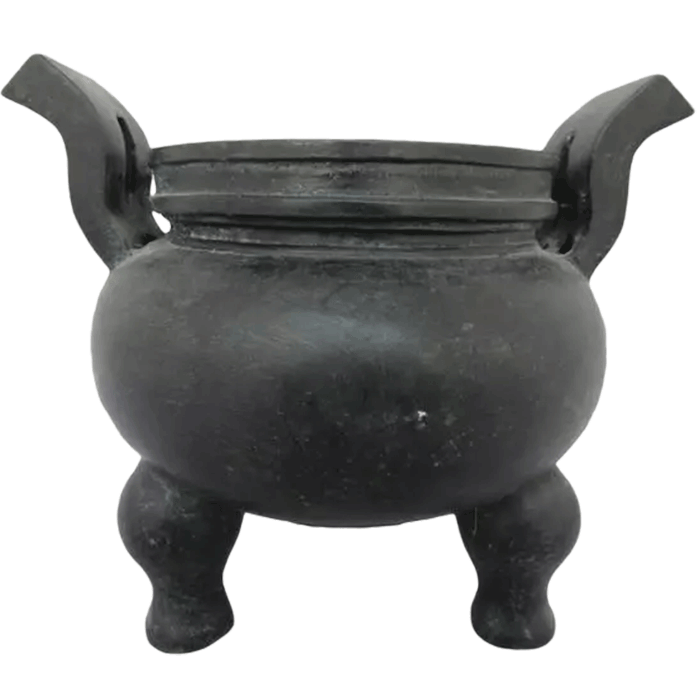
The ding began as a humble cooking vessel used to boil meat and grain over open fire. Early Neolithic pottery versions already featured three supports, since three points of contact naturally sit flat on uneven ground — something four legs cannot guarantee without precise leveling. When bronze casting matured during the Shang Dynasty, artisans retained this tripod structure while dramatically increasing the vessel's ceremonial weight and artistic complexity.
From Cooking Vessel to Ritual Symbol
As bronze metallurgy advanced, the ding evolved from a kitchen tool into a ritual object used in ancestor worship, state sacrifices, and aristocratic banquets. Larger examples, cast with taotie masks and geometric bands, signaled the wealth and rank of their owners. Readers interested in this broader transition can review the evolution of bronze culture over 2000 years for additional historical context on how vessel forms shifted alongside Chinese dynastic power.
Engineering Logic Behind the Tripod Structure
Beyond ritual meaning, the three-legged form solved practical problems that four-legged designs could not. This engineering logic is exactly what a skilled foundry replicates when producing an accurate Shang Dynasty Bronze Ding Vessel Replica for collectors today.
Stability Over Uneven Surfaces
Three points always define a single plane, so a tripod vessel sits stably even on slightly irregular ground — a critical feature when the ding was placed directly over fire pits or on earthen altar floors. A four-legged vessel, by contrast, tends to wobble unless all four feet are cast to an exact, matching length, which was far harder to achieve with early bronze casting techniques.
Casting Advantages of Three Legs
The lost-wax and piece-mold casting methods used by Shang Dynasty foundries also favored a tripod layout. Three legs distribute molten bronze more evenly during pouring and reduce the risk of structural stress cracks that can appear at asymmetrical leg junctions. Modern reproduction workshops using the traditional lost-wax method encounter the same casting physics, which is why faithful replicas maintain the original three-leg proportions rather than simplifying or altering the structure for convenience.
Symbolic and Ceremonial Meaning in Shang Dynasty Culture
The tripod form was never purely functional. In Shang and later Zhou society, the ding became a vessel of political legitimacy, most famously referenced in the legend of the "Nine Dings" said to represent the nine provinces of the ancient Chinese state. Possessing a set of dings symbolized the right to rule, and the phrase "asking about the dings" became a classical Chinese idiom for challenging authority.
Power, Legitimacy, and the Mandate of Heaven
Large ceremonial dings were commissioned to commemorate military victories, ancestral offerings, and dynastic transitions. Their imposing three-legged silhouette, paired with taotie animal motifs, conveyed both stability and cosmic order — themes closely tied to the Mandate of Heaven concept in early Chinese political philosophy. For readers exploring related ritual bronze forms, our article on the Houmuwu square cauldron offers a comparison between round tripod dings and the rarer square-form variants used in royal ceremonies.
What Buyers Should Look for When Sourcing a Shang Dynasty Bronze Ding Vessel Replica
For museum-shop buyers, collectors, and décor importers evaluating suppliers, the three-legged form is only the starting point. Accuracy in alloy, casting method, surface finish, and packaging determines whether a replica genuinely reflects Shang Dynasty craftsmanship or merely approximates its silhouette.
Alloy Composition and Casting Method
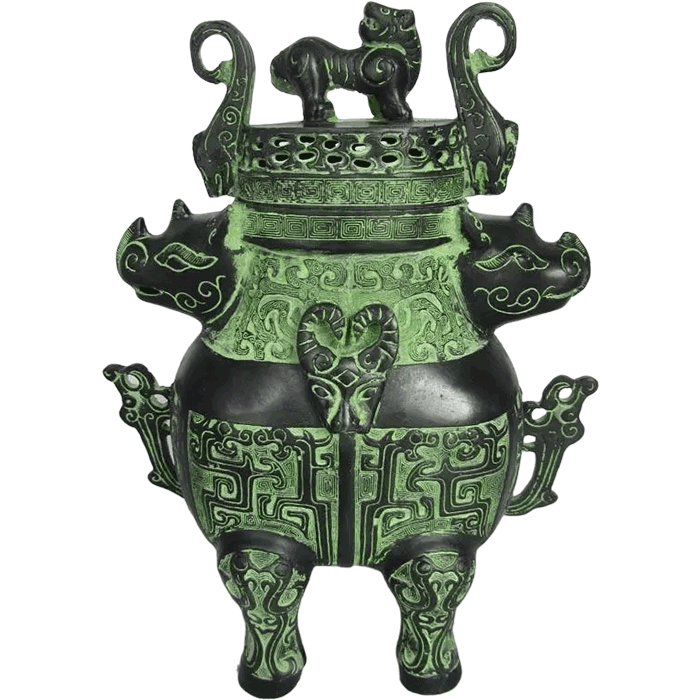
Authentic reproductions should use a premium copper-tin (Cu-Sn) bronze alloy rather than lower-grade brass substitutes, since alloy composition affects both weight and patina behavior over time. Traditional lost-wax casting, followed by hand chasing and polishing, allows fine taotie relief and leg-to-body transitions to match historical proportions far more closely than machine-cast alternatives.
Patina Accuracy and Surface Detail
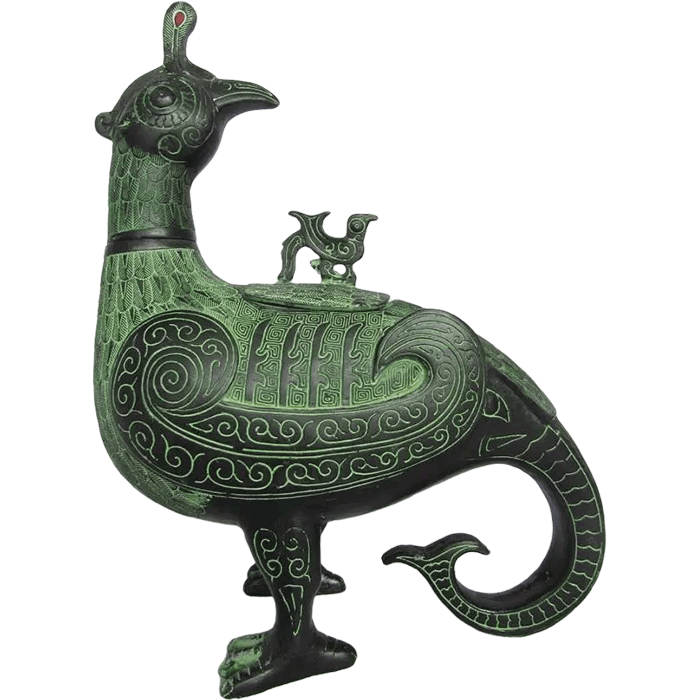
Genuine excavated Shang bronzes display a range of green, brown, and black oxidation patterns built up over millennia. A well-executed replica applies patina finishing that replicates these tones consistently across a production batch — an important consideration for buyers ordering multiple units for retail display, since color mismatches between pieces can undermine a collection's perceived authenticity.
Packaging and Export Compliance
Because ding vessels are heavy and often feature protruding legs and handles, export-grade protective packaging is essential to prevent shipping damage. Buyers should confirm that their supplier conducts quality inspection before shipment and offers replacement support for any casting defects discovered on arrival, particularly for larger tripod pieces that carry more structural risk during transit.
How Luoyang Yichuan Bronze Craft Supports Accurate Ding Reproduction
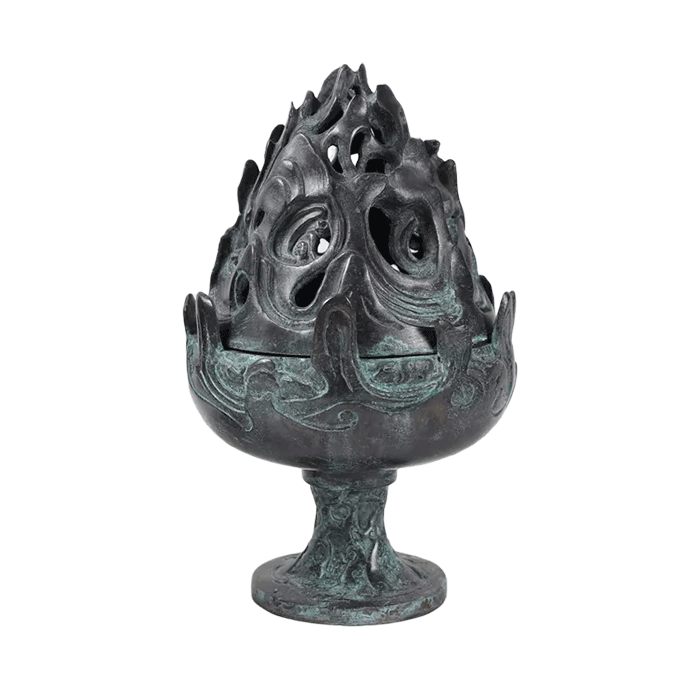
Located in Yichuan County, Luoyang, Henan Province — a region historically close to ancient Shang and Zhou ritual centers — our workshop combines traditional lost-wax casting with modern quality control across a 3,000-square-meter production facility. More than 30 skilled craftsmen, including bronze-casting masters and finishing artisans, work on projects ranging from a single custom prototype to bulk production runs exceeding thousands of units annually. This range allows museum shops testing a new product line to start with one prototype ding before committing to a larger order.
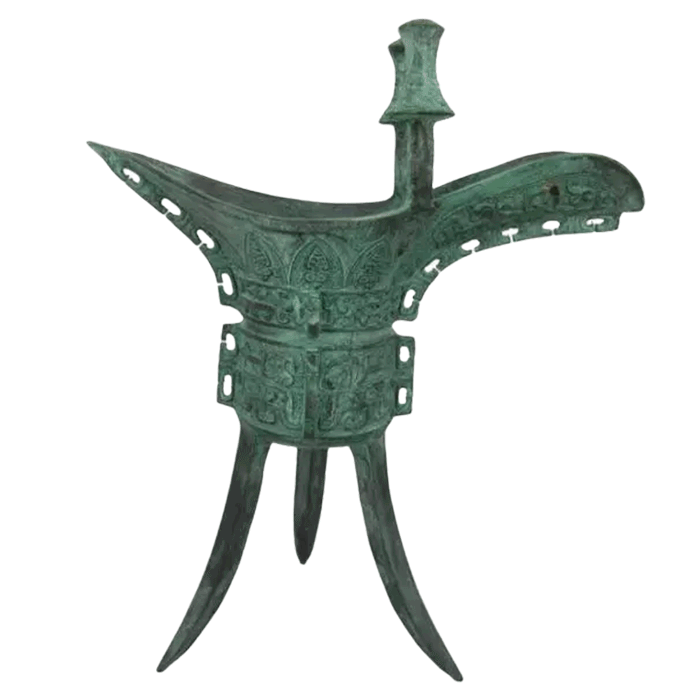
Our ISO 9001 certified processes and compliance with export quality inspection standards for art crafts mean that every vessel, including three-legged ding reproductions, undergoes inspection prior to shipment. For buyers exploring related vessel categories beyond the ding, our chinese bronze sculpture collection includes zun and hu forms that share similar casting and patina considerations.
Customization Options for Collectors and Importers
Some buyers request exact replication of a specific museum-held ding, matching inscription details, leg curvature, and surface oxidation as closely as possible. Others prefer a modern reinterpretation with a cleaner patina suited to contemporary interior spaces. Both approaches are achievable when working directly with a foundry that offers customize a bronze sculpture services rather than relying solely on fixed catalog molds. Discussing size, alloy ratio, and finish preferences early in the sourcing process helps avoid costly revisions after casting has already begun.
Final Considerations Before Placing an Order
The three legs of a Shang Dynasty ding are not a decorative accident — they represent thousands of years of refinement in casting physics, vessel stability, and political symbolism. When evaluating a Shang Dynasty Bronze Ding Vessel Replica for a museum shop, private collection, or décor import catalog, buyers should look past the silhouette alone and examine alloy quality, casting technique, patina consistency, and shipping preparedness. A supplier who understands why the tripod form exists is far more likely to reproduce it with the structural and visual integrity that collectors and institutional buyers expect.
For a broader view of how ritual bronze forms developed alongside the ding, readers may also find it useful to review introduction to several bronze wares, which surveys additional vessel types produced during the same historical period.