Why Do Taotie Motifs Have Two Eyes? Bronze Vessel Guide
Why Does the Bronze Taotie Motif Vessel Always Feature Two Symmetrical Eyes?
Among the many decorative traditions found on ancient Chinese ritual bronzes, few designs are as instantly recognizable — or as widely misunderstood — as the Taotie motif. For museum curators, educators, and private collectors researching a Bronze Taotie motif vessel, one detail almost always raises questions: why does this stylized creature face always appear with two large, staring eyes, no matter how the rest of the pattern is simplified or elaborated? The answer touches on ritual belief, casting technique, and design symmetry, all of which remain relevant to how these vessels are reproduced and interpreted today.
The Origins of the Taotie Motif in Ancient Bronze Culture
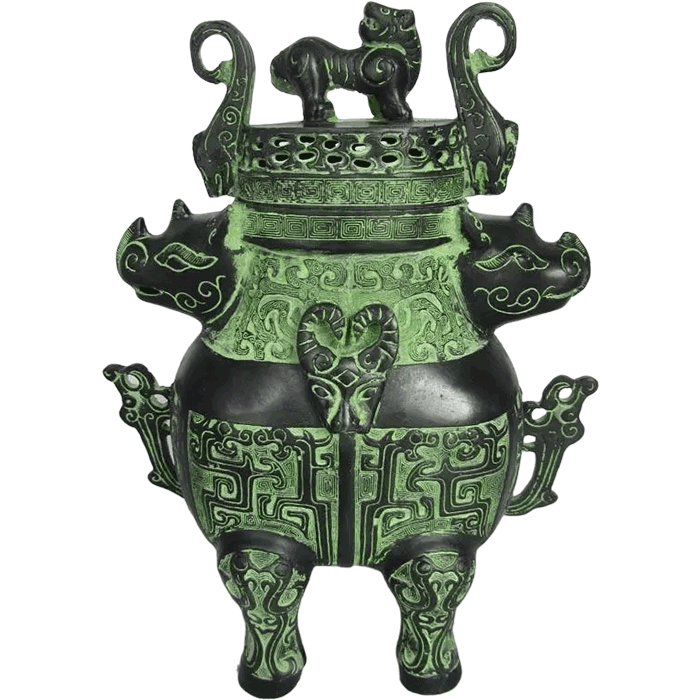
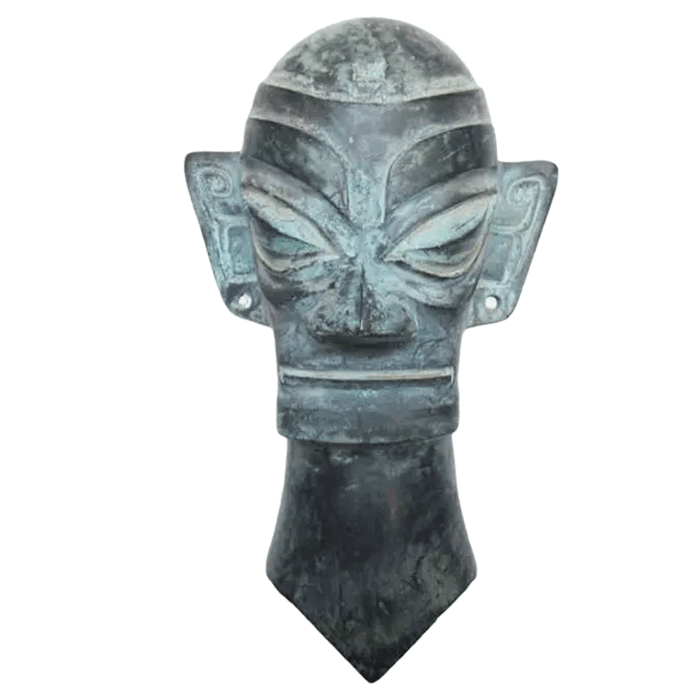
The Taotie pattern first appears prominently during the Shang and early Zhou dynasties, decorating ding tripods, zun wine vessels, and hu vessels used in ancestral and state ritual ceremonies. The motif is typically described as a frontal animal mask, often composed of a central ridge line (usually the nose or a decorative flange) flanked symmetrically by two eyes, brows, horns, and sometimes a mouth with fangs. Scholars studying the evolution of bronze culture over the centuries have noted that this face-forward, symmetrical arrangement was not incidental — it followed strict conventions tied to how these vessels were meant to be viewed and used in ceremonial settings.
Unlike a profile image of an animal, which shows only one eye, the Taotie is almost always rendered frontally. This is the primary reason the motif requires two eyes: the design language of Shang and Zhou bronze artisans relied on bilateral symmetry as an organizing principle for the entire vessel surface, not just the face. Handles, legs, and body registers on ding and zun vessels were typically arranged in mirrored pairs, and the Taotie face sits at the center of that mirrored composition.
Symmetry as a Structural and Ritual Requirement
Bronze ritual vessels were cast using multi-part piece molds, and the symmetry of the Taotie face made it easier for ancient foundries to divide a single motif across two mold sections that met at a central seam — often disguised as the nose ridge of the mask. This technical convenience aligned neatly with the symbolic requirements of ritual bronzes, which were meant to convey order, authority, and cosmic balance when displayed during ancestral offerings.
The two eyes, then, are not simply an artistic flourish. They anchor the entire symmetrical field, giving the mask a commanding, direct gaze that ancient viewers would have interpreted as a supernatural presence watching over the ritual. This is a detail that collectors and educators researching a Bronze Taotie motif vessel should keep in mind: the eyes are the visual and structural core of the entire design, not a decorative afterthought.
What the Two Eyes May Have Symbolized
There is no single surviving ancient text that explains the Taotie's exact meaning, which has led to centuries of scholarly debate. Several interpretations are commonly cited by researchers of ancient Chinese bronze wares:
- A guardian or watchful spirit — the prominent eyes suggest a vigilant presence meant to protect ritual offerings from malevolent forces.
- A composite of multiple animals — many Taotie masks blend features from oxen, tigers, dragons, and birds, and a forward-facing pair of eyes was the most efficient way to unify these composite features into one coherent face.
- A visual warning of consumption and excess — later Zhou-period texts associate the term "Taotie" with gluttony, and the piercing eyes may have served as a moral reminder to those participating in ritual feasting.
Regardless of which interpretation is favored, the two-eyed, frontal format remained remarkably consistent across regions and centuries, appearing on everything from large ceremonial ding to smaller wine vessels and even some early bronze mirrors. This consistency is one reason the motif is so useful for dating and authenticating bronze pieces, and why reproductions must follow the same symmetrical logic to be considered accurate.
Reproducing Taotie Motifs Accurately in Modern Bronze Casting
For museum replica programs, educational collections, and collectors seeking a faithful Bronze Taotie motif vessel, accuracy in the eye placement and overall symmetry is one of the most important quality benchmarks. A poorly proportioned mask — with eyes set too far apart, too shallow, or asymmetrical brow lines — immediately breaks the visual authority the original design was meant to convey.
At Luoyang Yichuan Bronze Craft Co., Ltd., our craftsmen approach Taotie reproduction the same way ancient foundries did: starting with careful reference to the vessel's original proportions before any wax modeling begins. Using the traditional lost-wax casting method with premium Cu-Sn bronze alloy, our team hand-chases and finishes each mask to preserve the correct depth and symmetry of the eyes, brows, and horn elements. This attention to structural accuracy matters as much as surface patina when a piece is intended for research, exhibition, or scholarly reference.
Common Requests from Museum and Collector Clients
Buyers researching this decorative tradition typically request one of the following:
- Exact scale reproductions of a known archaeological vessel, matched to published dimensions and photographs.
- Adapted Taotie designs applied to a new vessel form, such as a custom incense burner or decorative hu vase.
- Vessels with museum-grade antique patina finishing that mimics the surface oxidation of excavated bronzes.
All three requests depend on the same underlying skill: correctly rendering the symmetrical eye-and-mask structure before any patina work begins. Our production facility in Yichuan County, Luoyang, supports single custom prototypes as well as larger runs, so institutions can commission one accurate research piece or a small series for an educational program without inconsistent quality between units.
Sourcing Considerations for Institutional and Collector Buyers
When evaluating suppliers for a Taotie-decorated vessel, museum buyers and serious collectors typically look beyond aesthetics alone. A few practical points are worth confirming before placing an order:
- Casting method transparency — confirm whether the piece is produced via traditional lost-wax casting, which allows for the fine surface detail needed to render Taotie eyes and horn work accurately.
- Alloy composition — a proper Cu-Sn bronze alloy affects both the casting quality and the way patina develops or is applied over time.
- Finishing options — antique-style oxidized patina versus a cleaner modern bronze finish should be specified clearly, since this affects how the piece reads in an exhibition or private collection setting.
- Packaging for fragile detail — raised motifs like the Taotie face are vulnerable during transit, so export-compliant protective packaging is essential to prevent damage to the eyes, horns, or flange lines.
Our workshop operates under an ISO 9001 quality management system, and every vessel undergoes inspection before shipment, with free replacement offered for casting defects. For institutional buyers, we also provide after-sales guidance on patina touch-ups, which can be useful if a piece requires restoration work after years of display.
Exploring the Broader Bronze Vessel Tradition
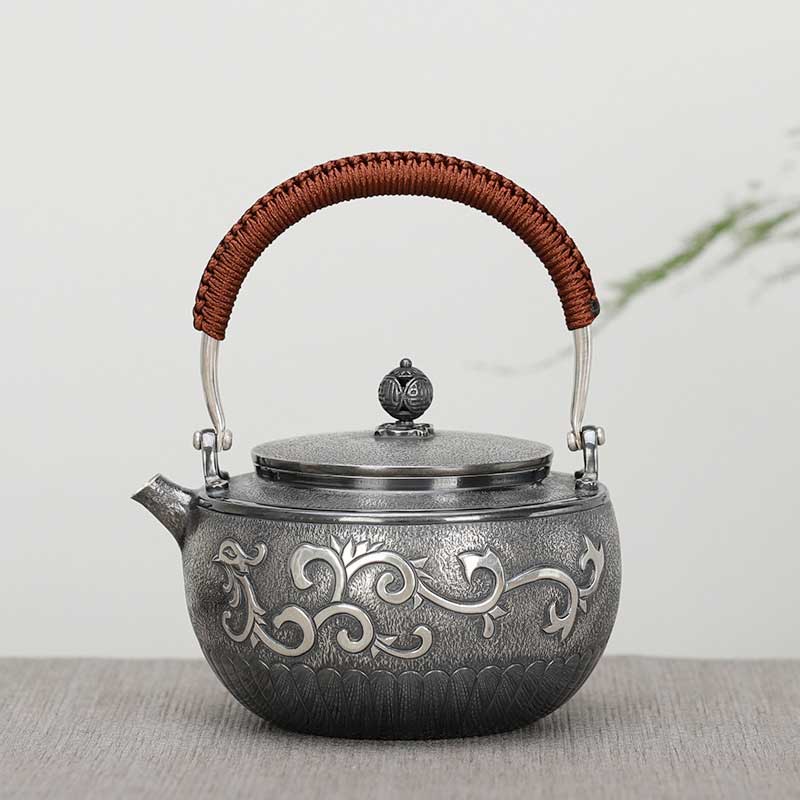
The Taotie mask is only one motif within a much larger decorative vocabulary used on ancient Chinese ritual bronzes. Buyers researching this subject often find it useful to compare the Taotie against other recurring patterns, such as coiled dragon bands, cicada motifs, or the geometric interlace seen on later Spring and Autumn period vessels. Reviewing a wider range of chinese bronze antique forms can help clarify how the Taotie face fits into the overall design logic of ding, zun, and hu vessels across different dynasties.
Collectors interested in the technical side of casting may also want to compare bronze and brass compositions, since the two metals behave differently during casting and patina development — a distinction that directly affects how a reproduction vessel will age over time. For those building an educational collection, pairing a Taotie-decorated vessel with reference material on related bronze forms, from ceremonial chime bells to inscribed ding, provides a fuller picture of how ritual bronzes functioned within ancient Chinese society.
Working with a Specialized Bronze Craft Supplier
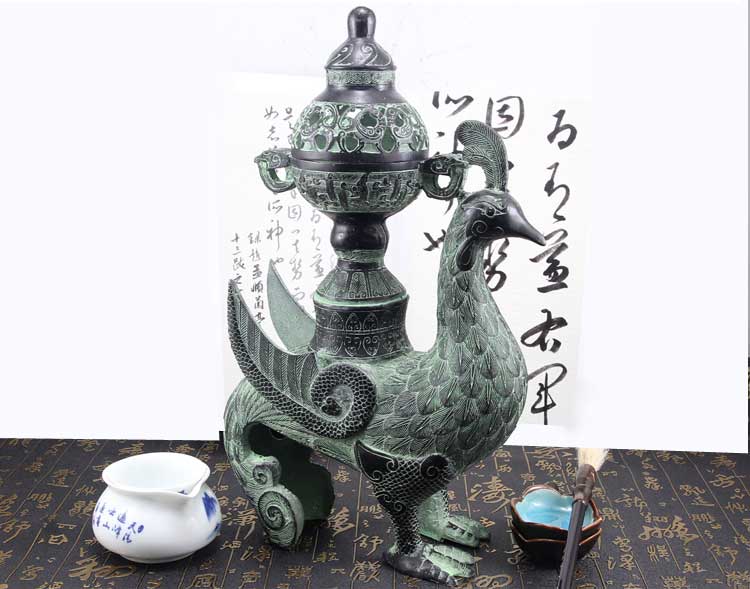
Because the Taotie motif carries both symbolic weight and technical complexity, museum buyers and collectors benefit from working with a supplier experienced in both traditional casting techniques and export logistics. With over 30 skilled craftsmen, including bronze-casting masters and finishing artisans, our team at Luoyang Yichuan Bronze Craft Co., Ltd. supports projects ranging from a single scholarly reproduction to production runs for gift shops or educational programs, with an annual output capacity exceeding 50,000 pieces.
Whether you are sourcing a single accurate research piece or planning to customize a bronze sculpture for an exhibition series, understanding why the Taotie face requires its distinctive two-eyed symmetry will help you evaluate proposed designs, proportions, and finishing options with greater confidence. This structural detail, rooted in both ritual meaning and ancient casting technique, remains the clearest signal of quality when assessing any reproduction of this iconic motif.