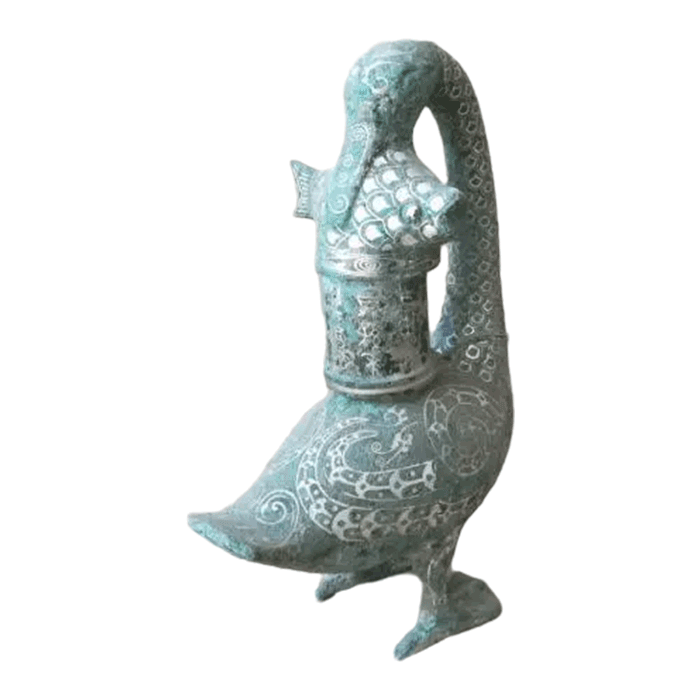
What Does the Bronze Goose-fish Lamp Decor Symbolize?
Bronze Goose-fish Lamp Decor Carries Centuries of Symbolic Meaning Rooted in Chinese Bronze Culture
Anyone researching traditional Chinese bronze art will eventually encounter the graceful image of a goose holding a fish in its beak, cast in bronze and fitted as a lamp. This design is not merely decorative — it is a motif with deep roots in ancient Chinese cosmology, folk symbolism, and lighting craftsmanship. For decor buyers, gallery curators, and cultural-art enthusiasts, understanding the meaning behind this piece adds significant value before making a purchasing or display decision.
The Historical Origins of the Goose-and-Fish Motif in Bronze Art
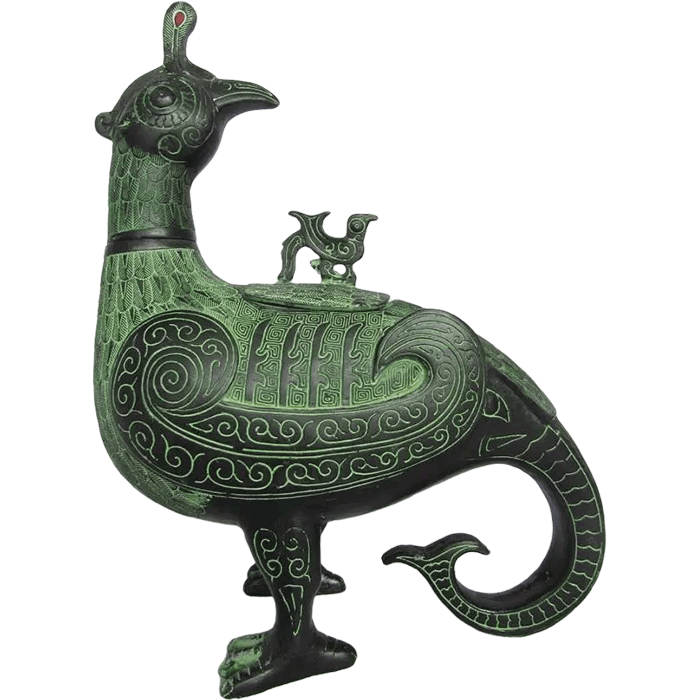
The goose-and-fish lamp design traces back to the Han Dynasty, a period celebrated for its innovation in bronze lighting fixtures. Ancient bronze lamps were often shaped like animals — cranes, geese, oxen, and other creatures believed to carry auspicious meaning. Among these, the goose holding a fish became one of the most recognized forms, largely because it combined functional lighting design with layered symbolism drawn from nature and folklore.
Archaeological findings from this era show that bronze lamps were frequently used in both domestic households and burial contexts, suggesting the goose-and-fish form held significance in daily life as well as spiritual belief. Readers interested in the broader development of these lighting traditions may find it useful to review the evolution of bronze culture over 2000 years, which outlines how bronze craftsmanship evolved from ritual vessels to functional art objects like lamps and mirrors.
What the Goose and Fish Symbolize Individually
The Goose: Loyalty, Marital Fidelity, and Seasonal Renewal
In Chinese folk tradition, the goose is strongly associated with loyalty and fidelity, largely because geese are migratory birds known to pair for life. This made the goose a popular motif in wedding gifts and marital ceremonies throughout imperial China. A goose depicted in bronze art often signals steadfastness, partnership, and enduring commitment — themes that resonate whether the object is used as a wedding gift or a symbol of long-term business partnership.
The Fish: Abundance, Prosperity, and Surplus
The fish carries its own well-documented symbolism. In Mandarin, the word for fish (鱼, yú) is a homophone for the word meaning "surplus" or "abundance" (余, yú). As a result, fish imagery appears throughout Chinese art, from paintings to bronze vessels, as a wish for prosperity and plenty. When paired with other auspicious symbols, the fish reinforces themes of wealth, continuity, and good fortune.
Symbolic Meaning When Combined: Harmony, Abundance, and Prosperity
When the goose and fish appear together in a single bronze lamp, the combined symbolism becomes even richer. The goose's association with loyalty and partnership merges with the fish's link to abundance, producing a motif often interpreted as a wish for a prosperous, harmonious household or enterprise. This is one reason the Bronze Goose-fish Lamp Decor piece remains popular not only among cultural collectors but also among business owners seeking a gift with layered, positive meaning.
Some scholars also note a secondary interpretation tied to seasonal cycles — the goose's migratory nature paired with the fish's association with water suggests balance between movement and stillness, or between two complementary forces in nature. This duality is part of why the design has remained popular across centuries of Chinese decorative art.
Craftsmanship Behind an Authentic Bronze Goose-fish Lamp
Producing a museum-quality goose-and-fish lamp requires more than casting alone. At Luoyang Yichuan Bronze Craft Co., Ltd., each piece begins with the traditional lost-wax casting method, using a premium Cu-Sn bronze alloy that closely matches the composition of historical bronzeware. This process allows fine details — feather texture on the goose, scale patterns on the fish, and the subtle curve of the neck — to be captured with precision.
After casting, skilled artisans perform hand chasing and polishing to refine surface details, followed by a patina finishing stage that can replicate an antique green-bronze appearance or a more modern, polished bronze tone depending on the buyer's preference. This attention to detail is especially important for collectors seeking accurate replication of historical designs, a challenge often discussed in relation to several bronze mirrors and other Han Dynasty bronze artifacts that require careful surface treatment to appear authentic.
With over 30 skilled craftsmen, including bronze-casting masters and finishing artisans, working within a 3,000-square-meter production facility, the company is equipped to produce anything from a single custom prototype to bulk orders for retailers or cultural institutions. The workshop's ISO 9001 certification and adherence to export quality inspection standards for art crafts give buyers additional assurance regarding consistency and durability, particularly important for fragile cast-bronze lighting pieces shipped internationally.
How to Select and Display a Goose-and-Fish Bronze Lamp
Choosing the Right Finish
Buyers typically choose between an antique patina finish, which mimics centuries of natural oxidation, or a modern polished finish, which highlights the raw bronze tone. The right choice often depends on the surrounding decor style — antique finishes suit heritage-style interiors, museum displays, or traditional Chinese design settings, while polished finishes work well in contemporary galleries or modern office lobbies.
Sizing for Display Context
Since bronze lamps in this style can range from tabletop pieces to larger statement fixtures, buyers should consider the intended placement — whether it's a reception desk, a private study, or a gallery exhibit — before finalizing dimensions. Custom sizing is generally negotiable depending on design complexity and order volume.
Pairing with Other Bronze Pieces
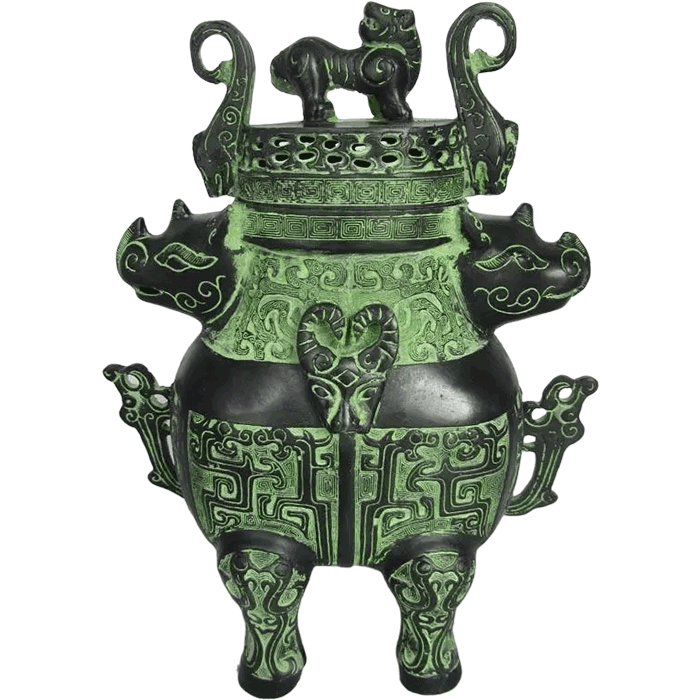
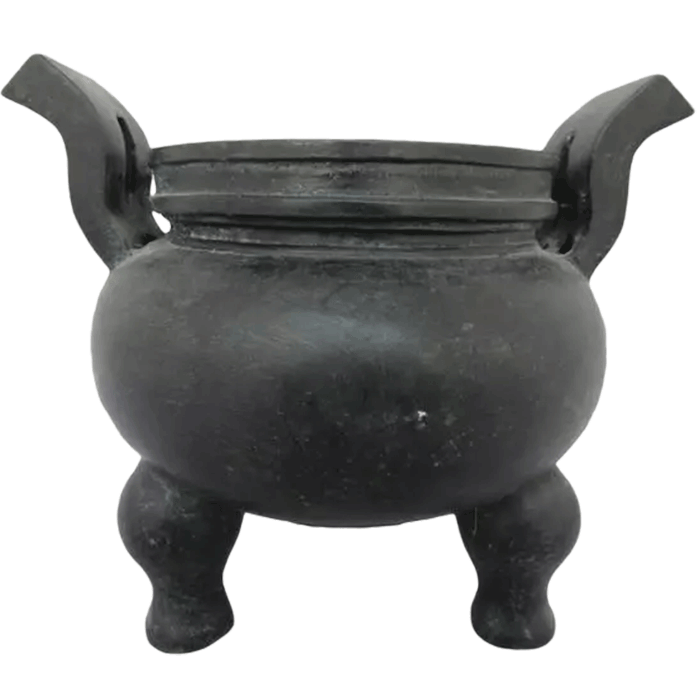
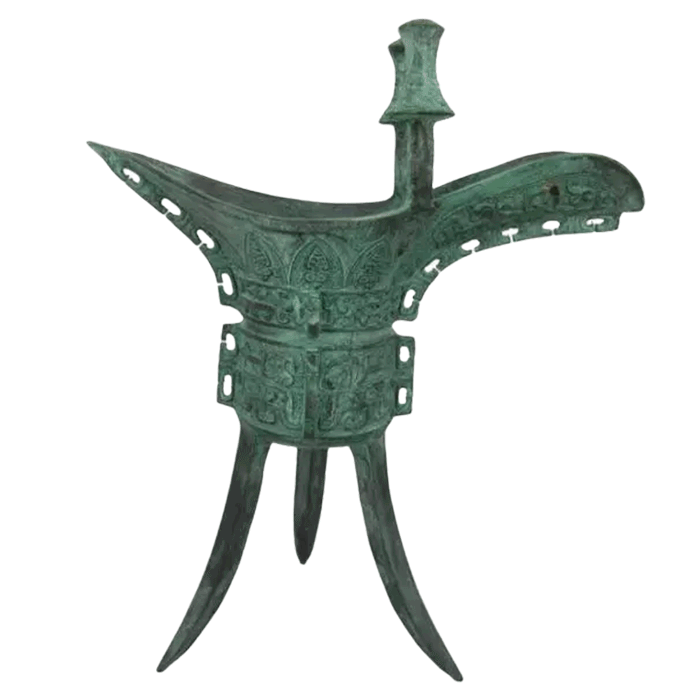
Many collectors pair a goose-and-fish lamp with other symbolic bronze objects, such as incense burners or vessel forms like ding, zun, or hu, to build a themed display that reflects broader Chinese bronze sculpture traditions. This layered approach often appeals to cultural-art enthusiasts who want their collection to tell a cohesive historical story rather than display isolated objects.
Why the Motif Still Resonates with Today's Buyers
Modern decor buyers are often drawn to the Bronze Goose-fish Lamp Decor design because it bridges functional lighting with a story-rich cultural artifact. Unlike purely decorative sculptures, this piece historically served a practical purpose, which adds authenticity to its presence in a modern interior or corporate space. For gift-giving purposes — particularly for weddings, anniversaries, or business partnerships — the dual symbolism of loyalty and abundance makes it a meaningful choice that carries more weight than a generic decorative object.
Cultural institutions and private collectors alike also value the educational aspect of the piece. Displaying a goose-and-fish lamp alongside informational context about Han Dynasty craftsmanship allows visitors or clients to appreciate not just its aesthetic value, but its place within a much larger tradition of Chinese metalwork, one that includes ritual vessels, ceremonial mirrors, and ceremonial weapons developed over thousands of years.
Custom Sourcing and Quality Assurance for Bronze Lamp Decor
Sourcing an accurate reproduction of this motif can be challenging, particularly when buyers require exact historical replication, consistent patina color matching across multiple units, or export-compliant packaging to protect a fragile cast piece during international shipping. Luoyang Yichuan Bronze Craft Co., Ltd. addresses these sourcing pain points directly, offering quality inspection before every shipment and free replacement in the case of casting defects. After-sales support is also available for patina touch-ups or restoration guidance, which is particularly valuable for institutional buyers maintaining long-term displays.
With an annual output exceeding 50,000 bronze art pieces and a minimum order quantity as low as one unit for custom sculptures, the company supports both individual collectors seeking a single showpiece and larger buyers requiring bulk production. Businesses interested in a bespoke goose-and-fish lamp, or any other bronze design, can review the process for how to customize a bronze sculpture tailored to specific size, finish, and symbolic requirements.
Final Thoughts on Choosing a Symbolic Bronze Piece
The goose-and-fish motif remains one of the more culturally rich designs in Chinese bronze art, combining themes of loyalty, partnership, and abundance into a single functional object. For buyers still in the research phase, understanding this symbolism — alongside the craftsmanship standards behind an authentic reproduction — provides a solid foundation for making a confident, informed purchasing decision. Whether the goal is a single collector's piece or a themed set for a cultural exhibition, the meaning behind this design adds lasting value well beyond its visual appeal.