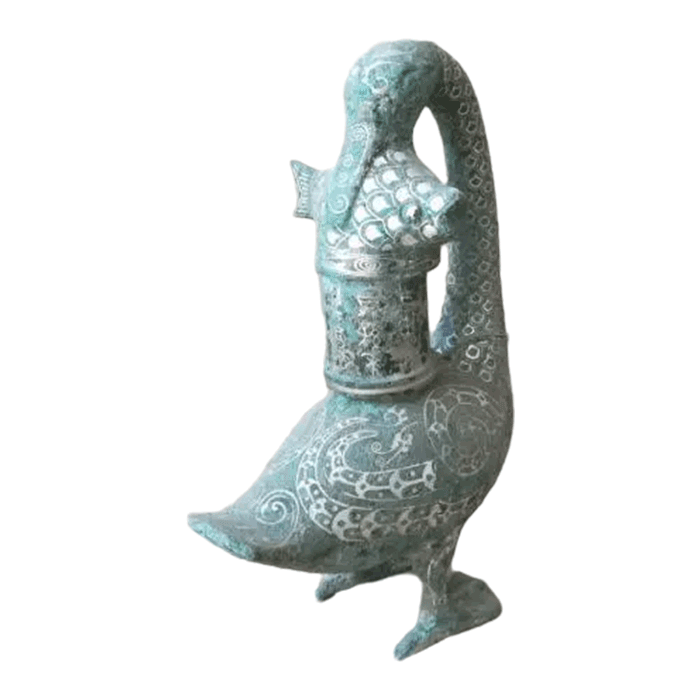
What Defines a Bronze Zun's Flared Profile?
What Defines a Bronze Zun's Flared Profile?
For collectors, museum buyers, and resellers evaluating ancient-style bronze vessels, the silhouette is often the first clue to authenticity and craftsmanship quality. Among the classic vessel forms of early Chinese metalwork, the wine vessel known as a zun stands out for its distinctive flared body — a trumpet-like opening that widens dramatically from a narrower waist or base. Understanding what physically produces this profile helps buyers distinguish a well-proportioned reproduction from a poorly cast one, and gives context for sourcing decisions when working with a bronze foundry.
The Basic Anatomy of the Form
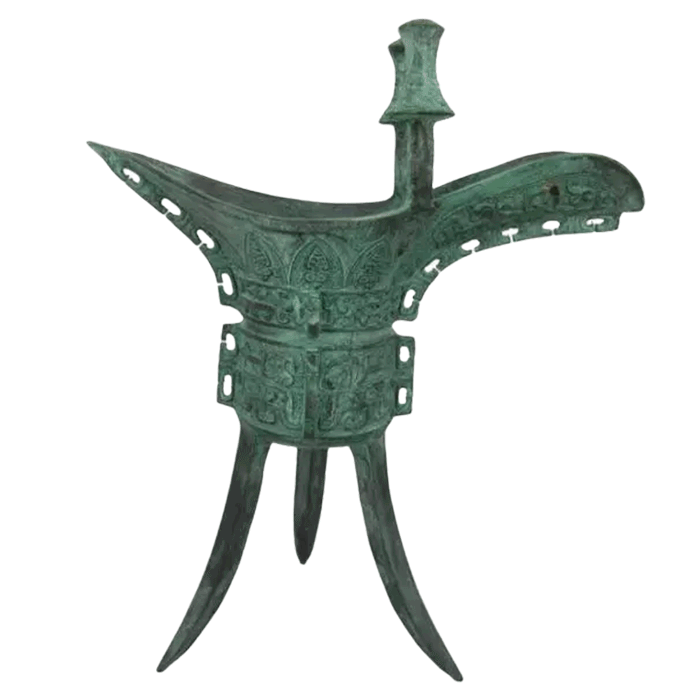
A traditional wine vessel of this type is generally divided into three structural zones: a flared mouth, a contracted middle section, and a flared or stabilized foot. This tripartite structure is what creates the visual rhythm collectors recognize immediately. Unlike a ding tripod, which relies on three or four legs for its silhouette, or a hu vase, which favors a rounded belly, the form under discussion is defined almost entirely by the outward curvature at the top and, in many historical examples, at the base as well.
The degree of flare — how sharply the walls angle outward from the neck to the rim — is what gives each casting its individual character. A subtle flare produces a more restrained, elegant silhouette typical of later Zhou-period aesthetics, while an aggressive flare, closer to the rim diameter of the body itself, echoes earlier Shang-dynasty proportions. Buyers researching provenance or stylistic dating often use this ratio as one of several visual indicators, alongside surface decoration and alloy composition.
Why the Flare Matters Functionally
The flared opening was not purely decorative in its original historical use. A wider mouth allowed for pouring or ritual offerings, while the narrower waist provided a secure grip point and structural balance for a vessel that was often lifted or passed during ceremonies. When modern craftsmen replicate this form, maintaining the correct wall thickness through the transition points is essential — too thin near the flare and the rim risks warping during cooling; too thick and the proportions read as heavy or lifeless compared to museum reference pieces.
Casting Techniques Behind an Accurate Flare
Achieving a historically accurate flared profile depends heavily on the casting method. The traditional lost-wax process remains the preferred technique for reproducing this vessel type with precision, because it allows fine control over wall curvature that section-mold casting cannot always replicate. In lost-wax work, a wax model is sculpted first, letting artisans adjust the flare angle by hand before the bronze alloy is ever poured, which is critical for matching antique references exactly.
- Wax modeling allows gradual, hand-verified curvature from neck to rim.
- Copper-tin alloy composition affects how the metal flows into thin, wide sections during casting.
- Cooling rate control prevents warping or cracking at the widest point of the flare.
- Hand chasing after casting refines the rim edge for a crisp, symmetrical opening.
Foundries working at scale still rely on these fundamentals even when producing multiple units. A workshop producing tens of thousands of bronze art pieces annually needs consistent quality control at every stage, from wax pattern approval to final polishing, to ensure that a batch order maintains uniform proportions across every piece. This is particularly important for museum buyers or resellers ordering matched sets, where even minor inconsistencies in flare angle become noticeable when pieces are displayed side by side.
Surface Treatment and Its Effect on Perceived Profile
Beyond the raw silhouette, surface finishing plays a supporting role in how the flared form reads visually. A vessel with a rougher, antique-style patina can appear to have softer, less defined edges at the rim, while a polished modern finish sharpens the visual line of the flare and makes the transition between waist and mouth more pronounced. Buyers sourcing for different markets — antique reproduction versus contemporary decorative art — should specify which finishing approach they want, since it directly affects how the structural flare is perceived by the end viewer.
Patina Consistency for Bulk Orders
One recurring challenge for resellers and collectors is achieving consistent patina color across multiple units of the same vessel design. Because patina is applied as a chemical and manual finishing process rather than a factory-uniform coating, slight variation is natural, but a skilled workshop should be able to match color tone closely across a production run. This is especially relevant when a buyer is placing an order for a themed collection or matched display set, where visual harmony matters as much as individual piece quality.
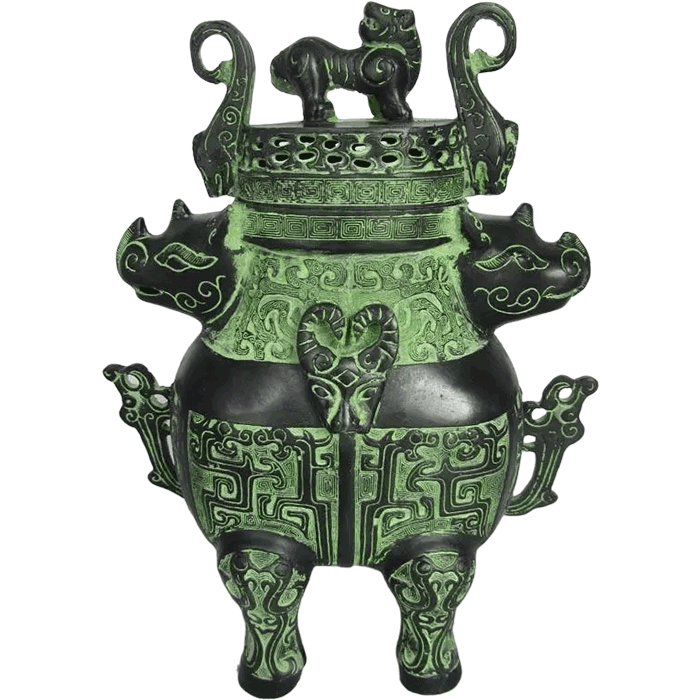
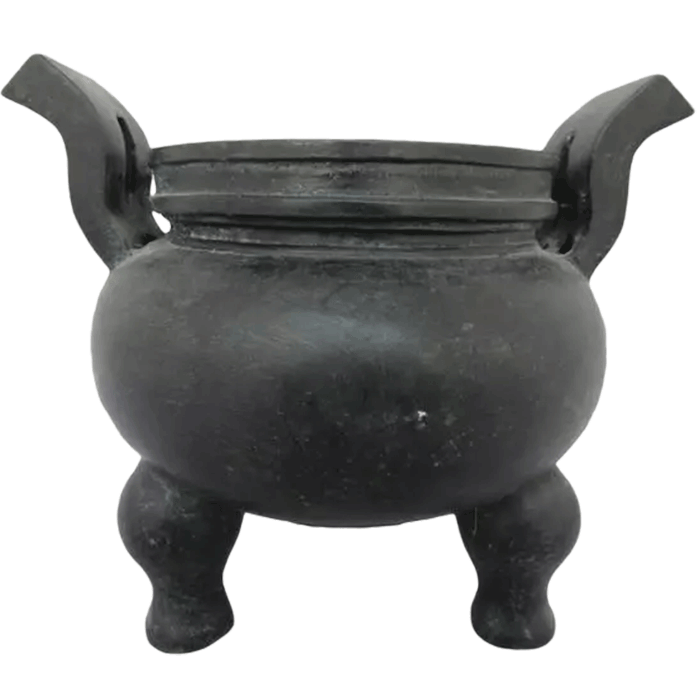
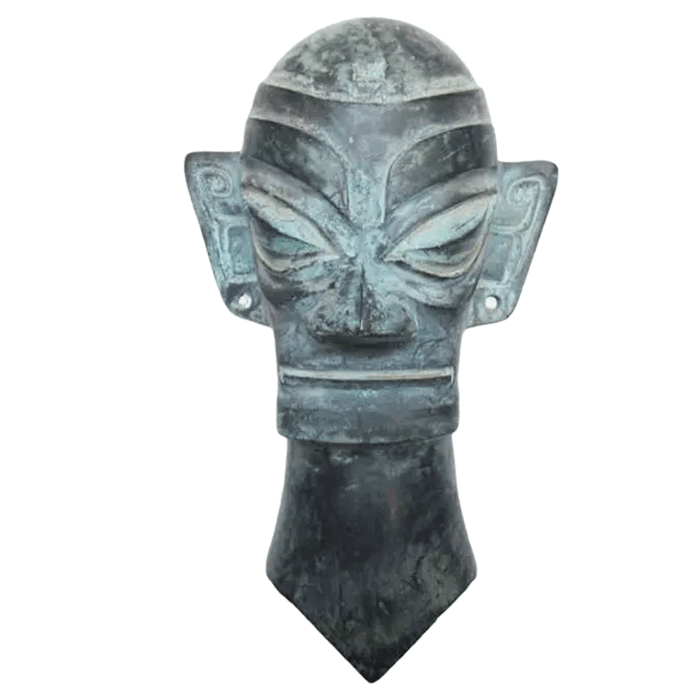
Readers interested in the historical range of vessel shapes and their evolving decorative styles may find it useful to review introduction to several bronze wares, which outlines how form and ornamentation shifted across dynasties. This context helps explain why the flared profile of a Bronze Zun is not an isolated design choice but part of a broader vocabulary of ritual vessel shapes developed over centuries.
Sourcing Considerations for Collectors and Resellers
When evaluating a supplier for custom or bulk orders of this vessel type, buyers should look beyond the finished photograph and ask about the production process itself. Questions worth raising include:
- Is the piece produced using lost-wax casting, and can wax models be reviewed before final pouring?
- What alloy ratio is used, and does it match historical copper-tin compositions typical of antique bronze pieces?
- Can the foundry provide reference photos of the flare angle and rim thickness before production begins?
- What quality inspection steps occur before shipment, and what happens if a casting defect is found on arrival?
A foundry with ISO 9001 certification and export-compliant quality inspection procedures typically has documented processes for each of these steps, which reduces risk for buyers ordering sight-unseen from overseas. Pre-shipment inspection and a policy of free replacement for casting defects are reasonable baseline expectations when sourcing art-quality bronze vessels internationally, since fragile forms like a wide-flared rim are more vulnerable to shipping damage without proper protective packaging.
Packaging for Fragile Flared Forms
The flared mouth, being the widest and often thinnest section of the vessel, is also the most vulnerable point during transit. Export-ready packaging needs to account for this by cradling the rim separately from the body and preventing lateral movement inside the crate. Buyers should confirm with their supplier that packaging has been specifically designed around the piece's structural weak points rather than using generic foam inserts meant for more uniform shapes like solid statues.
For collectors sourcing alongside other bronze categories, it can help to compare vessel forms with related product lines such as chinese bronze sculpture pieces or ritual-style bronze statues with different themes, since packaging and finishing standards often overlap across a workshop's full catalog. A supplier consistent in one product category is generally consistent across its broader range.
Custom Reproduction and Design Flexibility
Many buyers are not looking for an exact antique replica but rather a custom interpretation that references the historical flared silhouette while incorporating modern proportions or decorative motifs. This is where working directly with a foundry offering custom design services becomes valuable. Craftsmen experienced in both traditional and contemporary bronze work can adjust flare angle, rim diameter, and surface decoration to fit a specific commission, whether for a hospitality project, a museum gift shop line, or a private collector's request.
Those exploring this option can review the process for customize a bronze sculpture from sculpmart.com, which outlines how prototype approval and production scaling typically work for made-to-order bronze pieces. Starting with a single custom prototype before committing to a larger production run is a practical way to confirm that a workshop can accurately reproduce the flared profile and finishing standard a buyer expects.
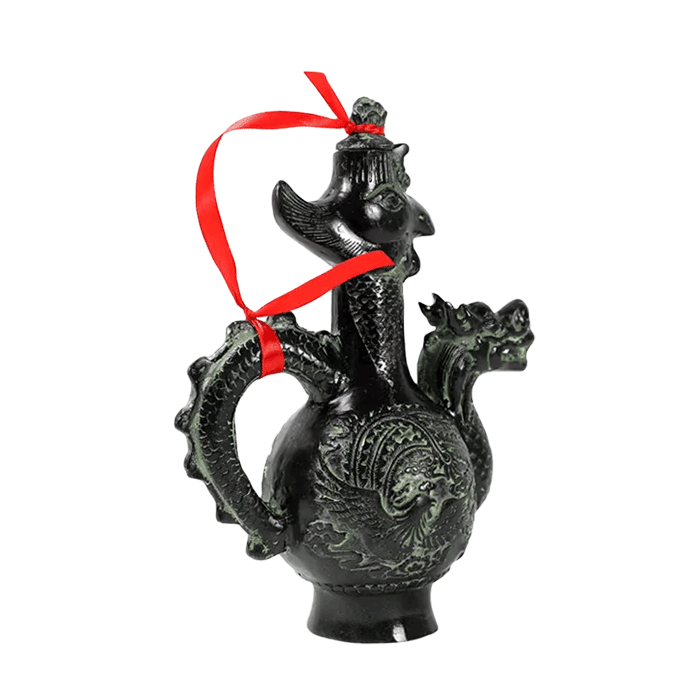
Reading the Flare as a Quality Indicator
Ultimately, the flared profile of this vessel type serves as a practical checkpoint for evaluating craftsmanship. A well-executed piece will show a smooth, symmetrical transition from waist to rim, consistent wall thickness, and a patina or polish finish that complements rather than obscures the structural lines. Pieces with uneven flaring, visible casting seams near the rim, or asymmetry when viewed from directly above are signs of rushed production or insufficient finishing work.
Collectors and resellers who take the time to understand these structural fundamentals are better equipped to communicate specifications clearly when placing orders, whether for a single museum-grade piece or a larger themed collection. A workshop rooted in the bronze-casting traditions of the Luoyang region, backed by decades of hands-on experience among its craftsmen, is well positioned to meet both standards — replicating the historical silhouette faithfully while offering the consistency required for commercial-scale orders.
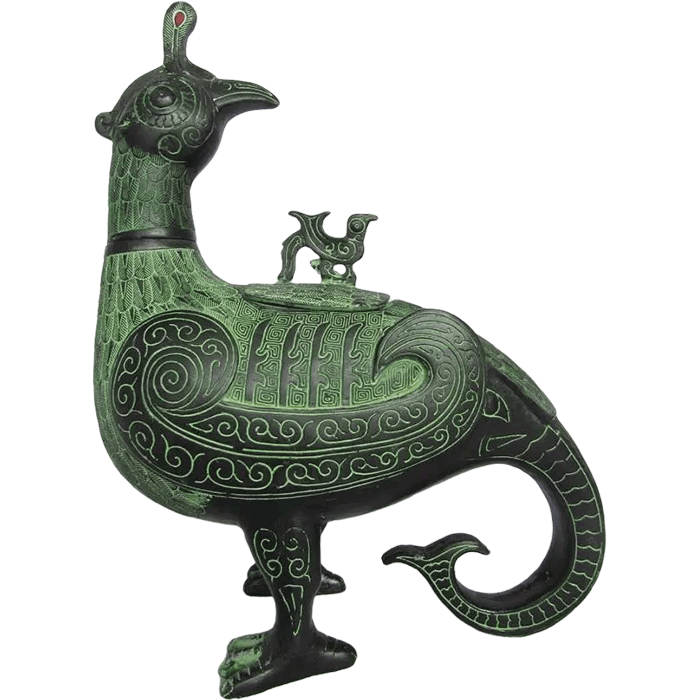
For further reading on how vessel shapes and bronze culture have evolved historically, see the evolution of bronze culture over 2000 years, which traces the broader stylistic shifts that inform how a Bronze Zun's proportions are interpreted by scholars and collectors alike today.