Vintage Chinese Silver Tea Set: Worth the Cost for Buyers?
Are Vintage Chinese Silver Tea Sets a Prudent Investment for Discerning Buyers?
For B2B buyers specializing in high-end antiques, decorative arts, or luxury home furnishings, the acquisition of a handmade silver tea service represents a significant investment. However, determining the true worth of such pieces requires a nuanced understanding of their historical context, craftsmanship, market dynamics, and authenticity. This comprehensive guide aims to equip professional buyers with the insights needed to assess whether these exquisite artifacts justify their cost and can support target resale margins.
Decoding the Market Value of Exquisite Chinese Silver Tea Services
The market value of any vintage luxury item, especially one with cultural significance, is a complex interplay of various factors. For Chinese silver tea services, these elements converge to dictate their desirability and potential for appreciation. Understanding these underlying drivers is crucial for making informed purchasing decisions and securing profitable inventory.
Historical Context and Provenance
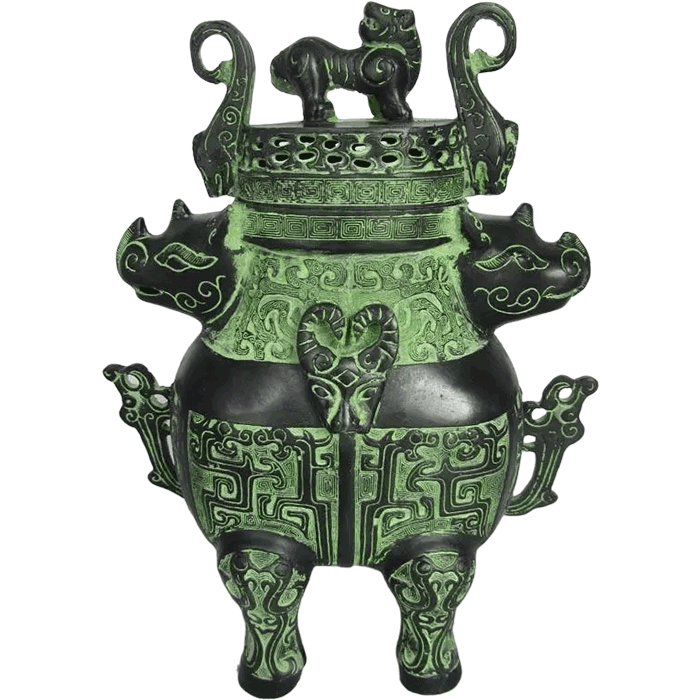
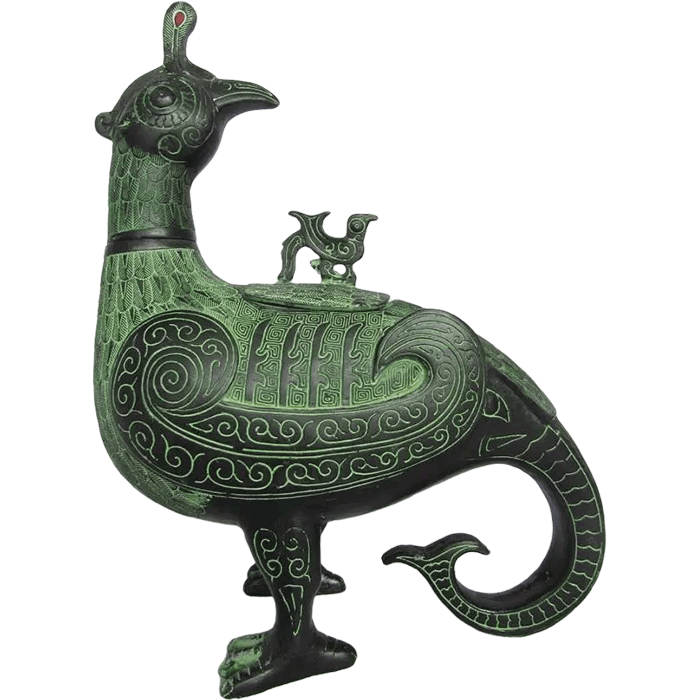
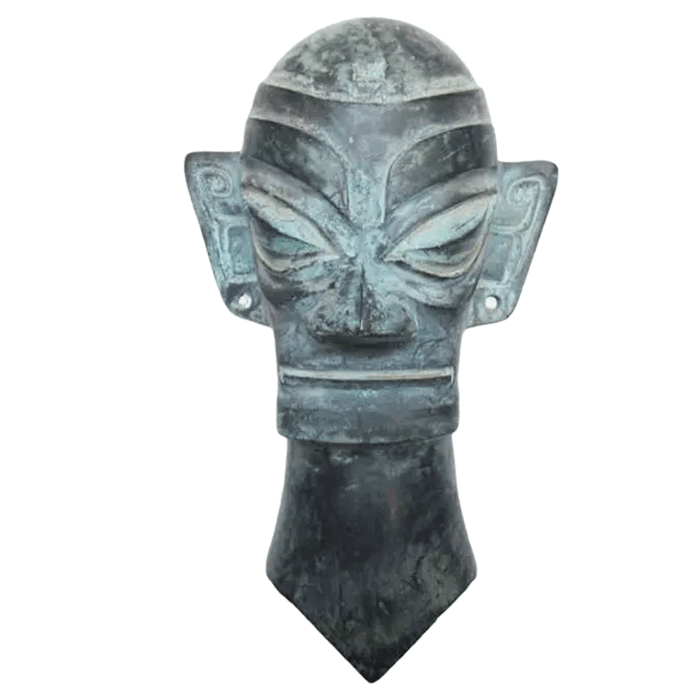
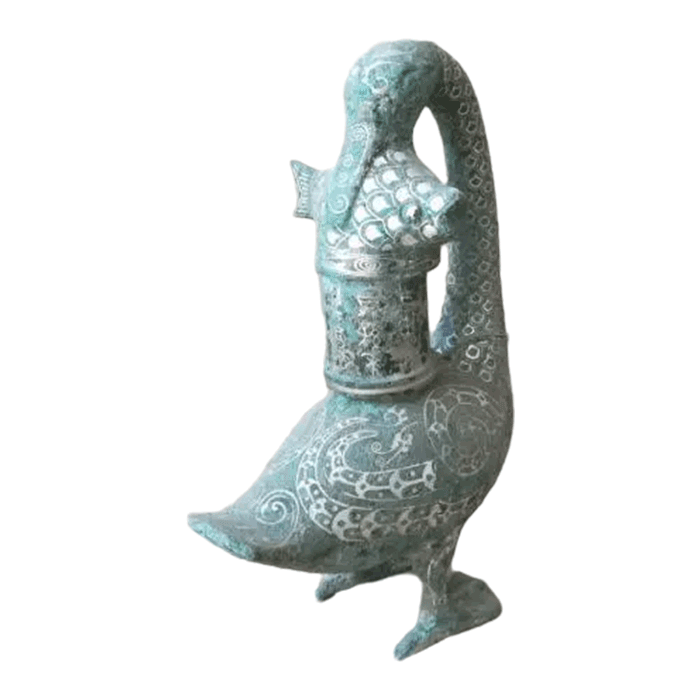
The historical period from which a silver tea set originates significantly impacts its value. Pieces from specific dynastic eras (though silver tea sets are more prevalent from later periods like the Qing Dynasty or Republican period) or those associated with notable silversmiths, workshops, or even significant historical events often command higher prices. Provenance, or the documented history of ownership, adds a layer of authenticity and prestige. A well-documented history can confirm the piece's origin, highlight its journey through prominent collections, and solidify its place in cultural heritage, thereby enhancing its market appeal. Understanding the evolution of bronze culture over 2000 years, for instance, provides a parallel insight into how historical context shapes the value of metal crafts.
Material Purity and Weight
The intrinsic value of a silver tea set is fundamentally tied to the purity and weight of its silver content. Sterling silver (92.5% pure silver) is a common standard, but other alloys or higher purities may also be encountered. Heavier pieces, all other factors being equal, will naturally have a higher material value. Beyond the raw material, the quality of the silver itself, its luster, and resistance to tarnishing (when properly cared for) contribute to the overall aesthetic and perceived value. It is essential to verify silver purity through appropriate testing or reliable hallmarks.
Rarity and Demand
Rarity is a powerful value driver. Unique designs, pieces from limited production runs, or those crafted by particularly renowned, albeit sometimes lesser-known, silversmiths can fetch premium prices. Sets that are complete and perfectly matched are inherently rarer than individual components. Furthermore, current market demand among collectors and interior designers plays a critical role. Trends can shift, but pieces that possess enduring artistic merit or cultural significance tend to maintain their value over time. Understanding the current appetite for specific styles, motifs, or periods within Chinese decorative arts is vital for anticipating resale potential.
The Craftsmanship Behind Valued Silver Tea Sets
Beyond material worth, the artistry and skill invested in creating a silver tea set are paramount. The intricate details, the precision of the construction, and the overall aesthetic appeal elevate a utilitarian object into a work of art. For B2B buyers, appreciating these nuances is key to identifying pieces that will resonate with discerning clients.
Traditional Silversmithing Techniques
The mastery of traditional silversmithing techniques is a hallmark of high-value Chinese silver tea sets. Techniques such as hand-hammering, where skilled artisans meticulously shape the silver with mallets and hammers, leave subtle textural marks that speak to the handcrafted nature of the piece. Chasing and repoussé involve raising or indenting designs from the front or back of the metal, creating intricate three-dimensional patterns. Engraving adds fine linear details, often depicting elaborate scenes, calligraphy, or auspicious symbols. The complexity, crispness, and artistic execution of these decorative techniques are direct indicators of the artisan's skill and the time invested, significantly contributing to the set's market value.
Design Aesthetics and Cultural Significance
The design aesthetics of Chinese silver tea sets are deeply rooted in cultural symbolism and artistic traditions. Motifs such as dragons, phoenixes, bamboo, plum blossoms, landscapes, and classical calligraphy are not merely decorative; they carry profound meanings of prosperity, longevity, virtue, and harmony. The elegance of the form, the balance of the proportions, and the integration of these culturally rich designs contribute to the set's unique appeal. Ergonometric considerations, such as a comfortable handle or a spout that pours without dripping, also reflect thoughtful design and superior craftsmanship, enhancing both functional beauty and collector desirability.
Condition and Restoration
The original condition of a vintage silver tea set is a primary determinant of its value. Pieces that have been well-preserved, with minimal dents, scratches, or wear to the intricate detailing, will always be more valuable. While professional restoration can address damage, it is crucial that any repairs are expertly executed and minimally invasive. Over-polishing, excessive repairs, or the replacement of original components can diminish a piece's authenticity and, consequently, its value. Buyers should always inquire about any restoration history and examine pieces closely for signs of repair, which, if poorly done, can significantly detract from the set's overall worth.
Factors Influencing the Worth of a Vintage Chinese Silver Tea Set
The decision to invest in a bronze decorations collection or a Vintage Chinese Silver Tea Set requires a thorough evaluation of specific attributes that distinguish a valuable item from a mere antique. For B2B buyers, this translates into understanding what makes a piece truly exceptional and capable of yielding a strong return on investment.
Authenticity and Verification
In the market for antiques and high-value collectibles, authenticity is paramount. For Chinese silver tea sets, this often involves the rigorous examination of hallmarks, maker's marks, and other identifying characteristics. These marks, often small and discreet, can indicate the silver's purity, the silversmith or workshop responsible for its creation, and sometimes even the period of manufacture. However, the presence of marks alone does not guarantee authenticity, as counterfeits and reproductions are common. Expert appraisal from a reputable authority is often indispensable to verify a piece's genuine origin and age, safeguarding against costly mistakes. Buyers should seek out pieces with clear, legible marks that are consistent with known historical examples and verified by specialists.
Completeness of the Set
A complete and matching tea set, typically comprising a teapot, creamer, sugar bowl, and sometimes a waste bowl or a tray, holds significantly more value than individual, disparate pieces. The synergy of a cohesive collection, where each component complements the others in design, craftsmanship, and condition, creates a more compelling offering for collectors. While individual pieces can still be valuable, a full set represents the artist's complete vision and the intended functionality, making it a rarer and more desirable acquisition. When evaluating a set, ensure all components are original to the set and exhibit consistent quality and age.
Market Trends and Investment Potential
Like all luxury assets, the investment potential of a vintage Chinese silver tea set is subject to market trends. While pieces of exceptional quality and provenance tend to hold their value, understanding the broader economic climate and specific collector interests is important. Long-term appreciation is generally observed for truly rare and historically significant items, but short-term fluctuations can occur. For B2B buyers, identifying and targeting specific collector segments—whether they prioritize historical accuracy, artistic merit, or decorative appeal—can optimize resale strategies. Staying abreast of auction results, expert opinions, and cultural exhibitions can provide valuable insights into evolving market dynamics.
Sourcing and Authenticating High-Value Metal Art: A Broader Perspective
Securing high-quality, authentic metal art, whether it's a silver tea set or a traditional bronze sculpture, hinges on partnering with suppliers who uphold the highest standards of craftsmanship, quality control, and ethical practices. The principles that govern the value of a vintage silver item—precision, historical fidelity, and material excellence—are equally critical in the realm of custom and reproduction artworks.
The Enduring Appeal of Traditional Chinese Bronze Craftsmanship
While the focus of this discussion has been on silver, it is important to recognize the parallel world of traditional Chinese bronze craftsmanship, which shares many of the same rigorous standards for artistry and historical significance. Luoyang Yichuan Bronze Craft Co., Ltd. exemplifies this dedication to excellence. Located in Yichuan County, Luoyang, Henan Province, our production facility spans 3,000 square meters and houses over 30 skilled craftsmen, including revered bronze-casting masters and finishing artisans.
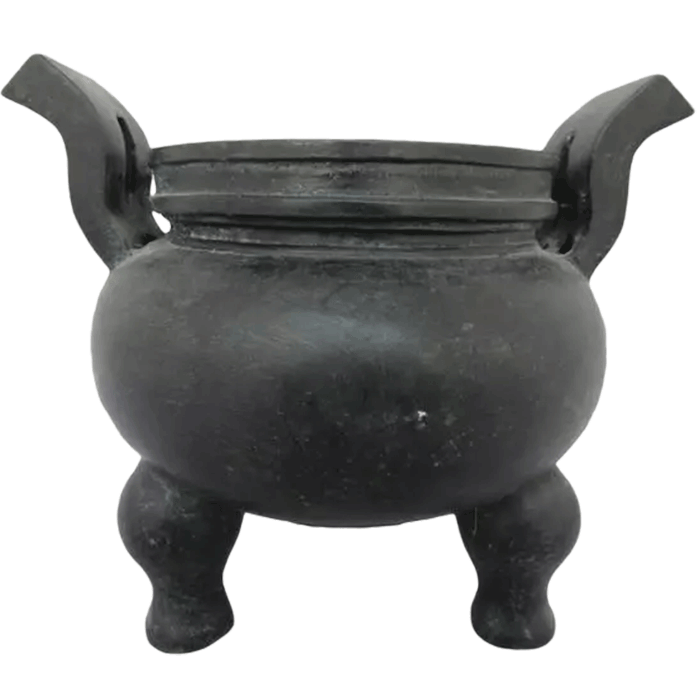
Our commitment to quality is underscored by our ISO 9001 certification, ensuring that all products comply with export quality inspection standards for art crafts. We specialize in casting premium bronze alloy (Cu-Sn) using the traditional lost-wax method, a time-honored technique that allows for intricate detail and exceptional fidelity. Our artisans then apply hand chasing, meticulous polishing, and various patina finishes, available in both antique and modern looks, to achieve the desired aesthetic and historical accuracy. This meticulous process ensures that each piece, whether a bronze statues with different themes or a complex vessel, meets the highest artistic and quality benchmarks.
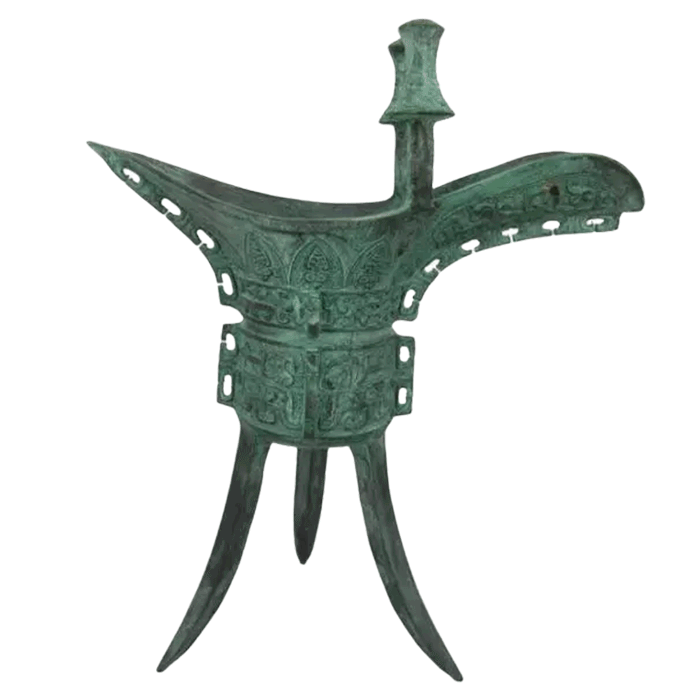
We address common sourcing pain points for custom bronze art clients, including the exact replication of antique bronzes, consistent patina color matching across multiple pieces, and export-compliant protective packaging for fragile sculptures. With an annual output exceeding 50,000 bronze art pieces, we are equipped to support everything from a single custom prototype to extensive bulk production runs, with a minimum order quantity of just one piece for custom sculptures. Bulk orders are negotiable based on size and design complexity. Every shipment undergoes rigorous quality inspection, and we offer free replacement for casting defects. Our after-sales support extends to patina touch-ups and restoration guidance, ensuring the longevity and continued beauty of our creations. For those seeking to customize a bronze sculpture or explore the rich tradition of ancient Chinese bronze wine vessel and other artifacts, our expertise offers a reliable and high-quality solution.
The worth of a vintage Chinese silver tea set for B2B buyers is undeniably high, provided a thorough and informed evaluation is conducted. Factors such as historical provenance, material purity, rarity, craftsmanship, and authenticity collectively determine its market value and investment potential. For discerning buyers, understanding these intricate details is not merely about appreciating aesthetics but about making strategic decisions that yield profitable returns. Furthermore, recognizing the broader landscape of traditional Chinese metal craftsmanship, as exemplified by Luoyang Yichuan Bronze Craft Co., Ltd., offers additional avenues for sourcing exceptionally crafted, historically rich, and high-quality art pieces. Whether investing in the shimmering elegance of silver or the timeless grandeur of bronze, the commitment to unparalleled quality and artisanal mastery remains the ultimate benchmark for value.