Vintage Chinese Silver Tea Set: Quote Factors for Buyers
What Determines the Price of a Vintage Chinese Silver Tea Set
Importers, antique retailers, and private collectors frequently receive wildly different quotes for what appears to be the same category of item. A vintage Chinese silver tea set from one supplier may be priced two or three times higher than a similar-looking piece from another source, and without understanding the underlying cost structure, it becomes difficult to judge which quote is actually reasonable. This article breaks down the concrete factors that shape pricing on silver tea ware, so buyers can compare offers on a fair basis rather than on appearance alone.
While our core specialty at Luoyang Yichuan Bronze Craft Co., Ltd. is bronze — sculptures, vessels, mirrors, incense burners, and Buddhist statuary — many of the same production principles apply across metal art crafts, including silverware. Understanding how material, labor, and finishing interact is useful whether you are sourcing bronze or silver pieces for resale.
Material Purity and Raw Metal Cost
The single largest variable in any silver tea set quote is metal purity. Sterling silver (92.5%), coin silver, and lower-grade silver-plated alloys behave very differently in weight, durability, and cost per gram. Two sets that look identical from a photograph can differ enormously in raw material value depending on whether the body is solid silver, silver-clad on a base metal, or simply plated.
- Solid silver bodies command the highest raw material cost and typically justify premium pricing.
- Silver-clad or reinforced pieces reduce material cost while retaining a similar surface appearance.
- Plated finishes are the most economical but wear differently over time and should be priced accordingly.
When comparing quotes, always request the exact purity specification and, where possible, a weight breakdown per piece. A supplier unwilling to disclose this information is a red flag worth noting before you commit to an order.
Craftsmanship, Hand-Finishing and Production Time
Beyond the raw metal, labor is the second major cost driver. Traditional silversmithing techniques — hand-hammering, engraving, filigree work, and hand-polishing — require significantly more skilled labor hours than machine-stamped or cast-and-buffed alternatives. A tea set with fine hand-chased floral motifs or dragon-pattern relief will always cost more to produce than a plain, mass-formed set, even if both use the same grade of silver.
This principle mirrors what we see in bronze production. Our workshop in Yichuan County, Luoyang, relies on more than 30 skilled craftsmen, including bronze-casting masters and finishing artisans, who apply the traditional lost-wax method followed by hand chasing, polishing, and patina work. The same logic applies to silver tea sets: the more manual finishing stages involved, the higher the labor cost embedded in the quote, and the longer the realistic production timeline. Buyers evaluating a low quote with a very fast turnaround should ask specifically how the finishing was achieved.
Design Complexity, Replication Accuracy and Provenance
Exact Replication of Antique Designs
For collectors and retailers sourcing pieces meant to replicate a specific antique pattern, accuracy adds cost. Matching an original set's proportions, engraving depth, and surface patina requires reference research, mold or die preparation, and often several rounds of sampling before a final approved piece is achieved. This is one of the common sourcing pain points buyers face — a supplier may claim to replicate an antique design but deliver something visually close yet dimensionally or texturally inconsistent. When requesting a quote, ask whether the price includes a sample approval stage, and clarify how deviations from the reference piece will be handled.
Documented History and Origin
A genuinely vintage piece with documented provenance — maker's marks, verified age, or ownership history — is priced on an entirely different basis than a newly produced set in a vintage style. Buyers should be explicit in their inquiries about whether they are sourcing an antique original, a faithful reproduction, or a modern interpretation, since these categories are not interchangeable and quotes should reflect that distinction clearly.
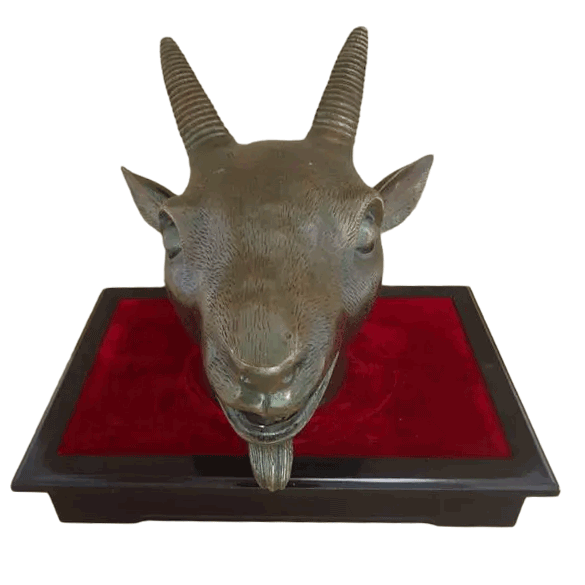
The same care in distinguishing genuine antique reproduction from stylistic interpretation applies across metal art categories. For readers interested in how metal surface treatment history has evolved, our article on several bronze mirrors offers useful background on how ancient surface techniques are studied and reproduced today.
Packaging, Export Compliance and Risk of Damage
Silver tea sets typically include multiple delicate components — teapot, cups, tray, and sometimes a creamer or sugar bowl — each with thin walls, spouts, or handles vulnerable to transit damage. A quote that does not account for individually cushioned, export-grade packaging is likely to result in either damage claims or hidden costs passed along later.
Our own export experience with fragile bronze sculptures and vessels has shaped how we think about this: protective packaging compliant with export quality inspection standards is not an optional add-on, it is part of the actual cost of delivering a usable product. When comparing supplier quotes for silver tea sets, ask directly whether the price includes:
- Individual foam or cloth-wrapped protection for each component
- Rigid outer cartons rated for international freight handling
- Moisture or tarnish-prevention packaging appropriate for silver
- Insurance coverage or a defect/damage replacement policy
A supplier that includes a quality inspection step before every shipment, along with a clear policy for replacing pieces with manufacturing defects, is generally a safer long-term sourcing partner than one offering only the lowest unit price with no stated after-sales terms.
How to Compare Quotes and Prepare a Fair Offer
With the cost drivers above in mind, buyers evaluating multiple quotes for a vintage Chinese silver tea set should build a simple comparison framework rather than relying on total price alone. A practical checklist includes:
- Confirm silver purity and weight per component, not just per set.
- Clarify the finishing method — hand-chased, machine-stamped, or a combination.
- Request sample photos or a physical sample before committing to a bulk order.
- Ask about minimum order quantity flexibility, since some suppliers can accommodate a single custom piece while others require larger volume commitments.
- Review the packaging specification in writing, not just verbally.
- Confirm the after-sales terms, including defect replacement and restoration guidance if the finish requires future touch-up.
These same evaluation principles apply broadly across metal art sourcing, whether the item in question is a silverware set, a bronze incense burner, or a cast bronze figure. If your sourcing needs extend beyond silver into bronze categories, our range of chinese bronze handicrafts follows the same purity, craftsmanship, and packaging logic described above, and can be evaluated using the identical checklist.
For buyers who need a piece produced to an exact specification rather than selected from stock designs, it is worth discussing options to customize a bronze sculpture directly with a manufacturer, since custom quoting works through the same variables of material, labor, and finishing complexity outlined in this article, just applied to bronze rather than silver. Suppliers experienced in one traditional metal craft — lost-wax bronze casting, for instance — often apply comparable quality control discipline when working in allied categories such as handmade silver craftsmanship.
Working with a Transparent Supplier
Ultimately, the most reliable way to judge whether a quote for a vintage-style silver tea set is commercially viable is to request itemized breakdowns rather than a single bundled figure. A transparent supplier will separate material cost, labor and finishing, packaging, and any provenance or replication research involved in matching an antique reference. This transparency also tends to correlate with better after-sales support, since a supplier confident in its own cost structure is generally more willing to stand behind its work with defect replacement or restoration guidance.
Our facility operates under an ISO 9001 quality management system, with an annual output of over 50,000 art pieces across bronze sculptures, vessels, mirrors, incense burners, and Buddhist statuary, supporting everything from single custom prototypes to negotiated bulk runs. While our primary focus remains bronze, the pricing logic detailed in this article — purity or alloy grade, hand-finishing labor, design complexity, and export-compliant packaging — applies consistently across traditional Chinese metal art crafts. Buyers who understand these factors are far better positioned to negotiate fairly and avoid quotes that look attractive on paper but omit costs that surface later in the transaction. You can learn more about Sculpmart and how these production standards are applied across our full product range.
In short, pricing a vintage Chinese silver tea set is never just about the shine on the surface. Purity, labor intensity, design fidelity to an original reference, and the practical realities of safe export packaging all combine to determine whether a quote is genuinely competitive or simply cutting corners that will cost more to fix later.