Vintage Chinese Silver Tea Set Maker Mark Guide
Understanding Maker Marks on Vintage Chinese Silver Tea Sets for Authentic Sourcing
The allure of antique Chinese silver tea sets captivates collectors, historians, and art enthusiasts worldwide. Each piece, often a testament to intricate artistry and cultural heritage, tells a story not only through its design but also through its distinctive maker marks. For sourcing teams, resellers, and private collectors, deciphering these marks is paramount for establishing authenticity, determining provenance, and accurately assessing value. While the market for such historical artifacts can be complex, a thorough understanding of common marking conventions and their inherent challenges provides a crucial foundation for informed acquisition. This guide delves into the significance of maker marks on these prized objects, offering insights into their types, the complexities of authentication, and how a broader appreciation for traditional Chinese craftsmanship, exemplified by Luoyang Yichuan Bronze Craft Co., Ltd.'s expertise in bronze, informs the discerning eye.
The Significance of Maker Marks in Chinese Silver Tea Ware
Maker marks on antique Chinese silver tea ware are more than mere identifiers; they are historical signatures imprinted onto the metal, offering a direct link to the artisans, workshops, and periods of creation. These marks, which can range from intricate pictorial symbols to elegant Chinese characters, serve several critical functions for anyone involved in the appraisal or acquisition of these valuable pieces.
Firstly, and perhaps most importantly, maker marks are fundamental for **authentication**. In a market where reproductions and forgeries are prevalent, a genuine mark, when correctly identified and corroborated by other physical characteristics of the piece, can differentiate an authentic antique from a modern imitation. The absence of a mark, or the presence of a poorly executed or anachronistic mark, immediately raises red flags, prompting further scrutiny.
Secondly, these marks provide invaluable insights into **provenance**. They can help trace the history of a piece, indicating its origin from a specific workshop in Canton, Shanghai, or Hong Kong, or even identifying a revered individual silversmith. This knowledge not only enriches the narrative of the object but also contributes significantly to its collectible value. Pieces from well-documented workshops or famous makers often command higher prices due to their established reputation and limited output.
Thirdly, maker marks contribute directly to **value assessment**. Marks from celebrated artisans or workshops, particularly those known for exceptional quality or innovative designs during specific historical periods (such as the late Qing Dynasty or the Republican era), can substantially increase a piece's market value. Conversely, unmarked pieces or those with less identifiable marks may be valued differently, unless other exceptional qualities like material purity, artistic merit, or historical significance are evident.
Finally, maker marks offer a window into **historical context**. They reflect the evolving practices of Chinese silversmithing, influences from foreign trade, and shifts in cultural aesthetics. For instance, the rise of export silver in treaty ports during the 19th and early 20th centuries led to the development of specific marking styles that catered to Western buyers, often incorporating English script or symbols alongside traditional Chinese characters. Understanding these nuances helps to place each piece within its broader historical and cultural landscape, enriching the appreciation of
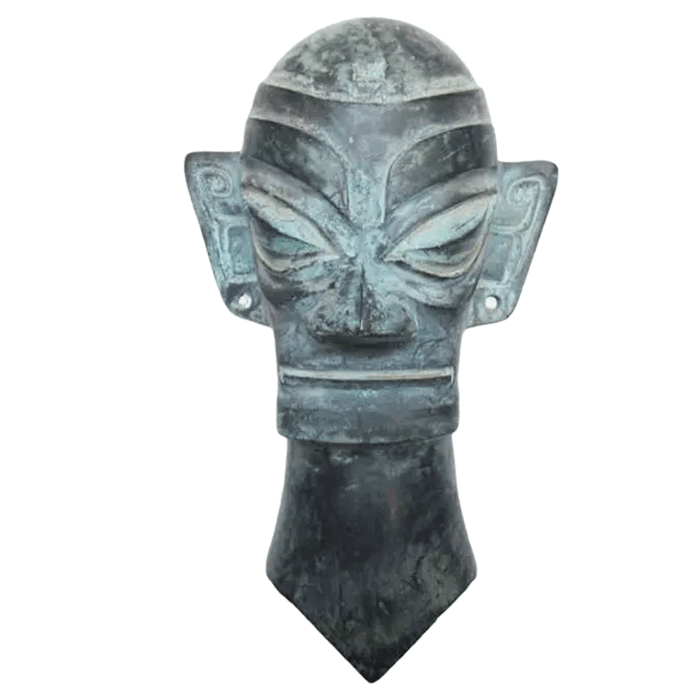
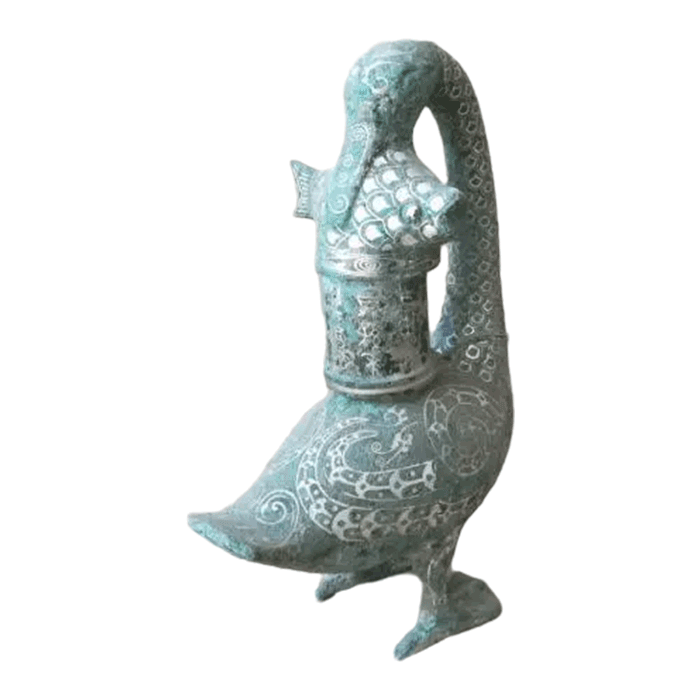
the evolution of bronze culture over 2000 years and other traditional Chinese arts.
Unlike the highly standardized hallmarking systems prevalent in many Western countries, Chinese silver marking practices were often more decentralized and varied. This individuality, while adding to the charm and uniqueness of each piece, also introduces layers of complexity for authentication, requiring a deep understanding of historical workshops, regional styles, and individual artisan practices.
Common Types of Maker Marks on Chinese Silver Tea Sets
The variety of maker marks found on antique Chinese silver tea sets is as rich and diverse as the history of Chinese silversmithing itself. Identifying and understanding these different types is essential for accurate authentication and appreciation.
Character Marks (汉字)
These are perhaps the most common and recognizable marks, consisting of Chinese characters. They typically denote:
-
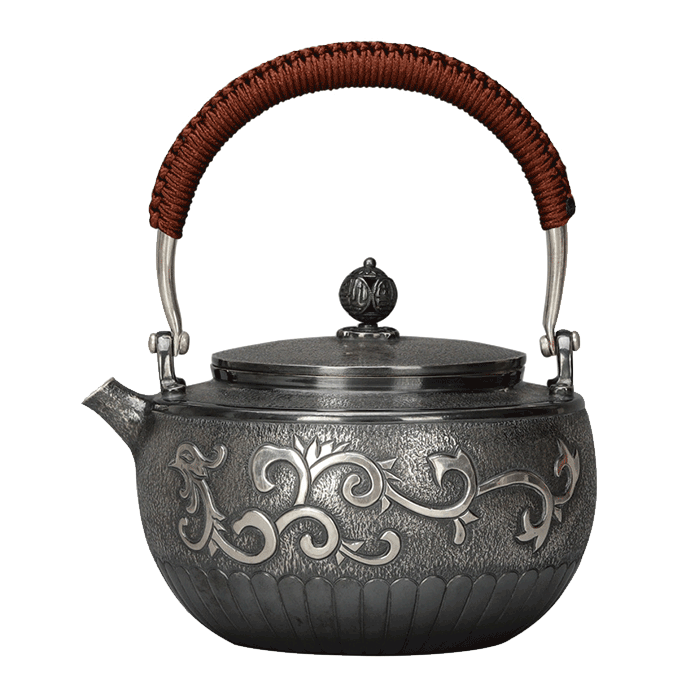
Workshop Names: Many prominent workshops, especially those active during the late Qing Dynasty and Republican period, stamped their names onto their wares. Examples include "Luen Wo," "Wang Hing," "Zee Wo," "KMS" (Kwang Man Shing), "Tuck Chang," and "Hung Chong." These workshops were often based in key commercial hubs like Canton (Guangzhou), Shanghai, and Hong Kong, and were renowned for their exquisite craftsmanship, particularly in export silver.
-
Artisan Names: Less frequently, individual silversmiths might have signed their work, though this was more common in earlier periods or for particularly bespoke pieces.
-
Auspicious Phrases: Some marks include characters conveying good fortune, longevity, or prosperity, reflecting cultural values and the intended purpose of the item as a gift or heirloom.
-
Location Indicators: While not always explicit, some characters might implicitly refer to the city or region where the workshop was located.
The calligraphy and style of these characters can also offer clues about the period and quality of the piece.
Pictorial Marks / Symbols
Alongside or in combination with character marks, pictorial symbols are frequently used. These can be:
-
Animals: Dragons and phoenixes are iconic symbols in Chinese culture, representing imperial power, good fortune, and harmony. Other animals like bamboo shoots, fish, or bats (symbolizing happiness) are also common.
-
Plants: Motifs such as plum blossoms, orchids, bamboo, and chrysanthemums (known as the "Four Gentlemen" in Chinese art) are often depicted, symbolizing various virtues.
-
Mythological Figures or Scenes: Occasionally, more complex pictorial marks might feature mythological beings or narrative scenes, often indicating a workshop's unique artistic signature.
These symbols are not merely decorative; they often carry deep cultural significance and can help to identify the workshop or the aesthetic period of the silver piece.
Purity Marks
While not as ubiquitous or standardized as Western hallmarks, some Chinese silver tea sets, particularly those intended for export or produced under Western influence, may bear purity marks. These can include:
-
"STERLING" or "925": Indicating 92.5% silver, common for pieces made for the Western market.
-
"90": Signifying 90% silver, sometimes seen on older pieces.
-
"足银" (Zúyín): Meaning "pure silver" or "sterling silver," indicating a high silver content, often 99% or higher.
The presence and style of purity marks can offer further confirmation of a piece's quality and its intended market.
Combined Marks
Many antique Chinese silver tea sets feature a combination of these mark types. A piece might have a workshop's character mark, a pictorial symbol, and a purity stamp all co-existing. Thorough examination of all present marks is crucial, as they collectively paint a more complete picture of the item's origin and characteristics. The interplay of these marks, their placement, and their striking quality are all factors that contribute to the authentication process.
Challenges and Considerations in Authenticating Antique Chinese Silver Marks
Authenticating maker marks on antique Chinese silver tea sets is a nuanced process fraught with challenges, requiring a combination of knowledge, experience, and careful observation. Unlike the relatively straightforward system of Western hallmarking, Chinese practices present unique complexities.
One of the primary difficulties stems from the **lack of a centralized, standardized hallmarking system** in China, especially prior to the 20th century. While certain workshops gained prominence and consistently used their marks, there was no overarching governmental body enforcing uniform marking, as seen in countries like Britain or France. This decentralization led to significant variations in marking styles, placement, and even content across different regions and time periods, making comparative analysis challenging.
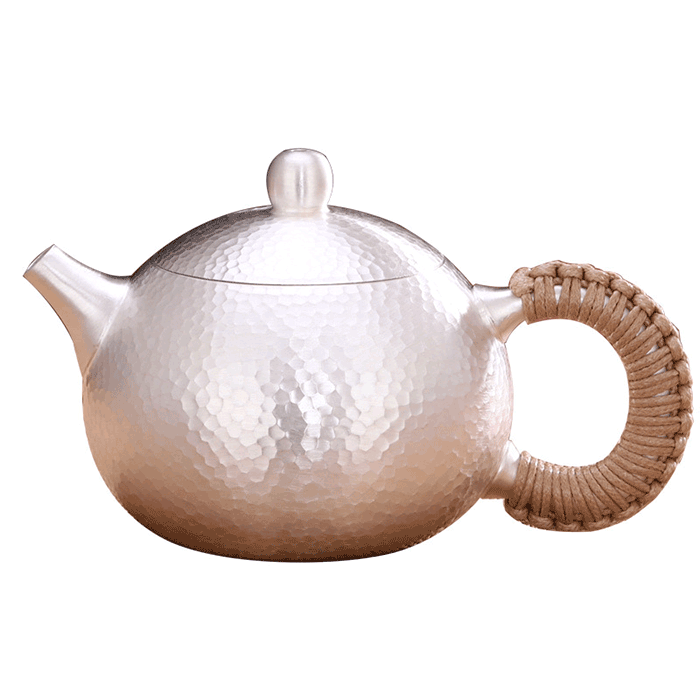
The market for antiques, particularly high-value items like a
vintage Chinese silver tea set, is unfortunately rife with **forgeries and reproductions**. Skilled counterfeiters can meticulously copy authentic maker marks, or even invent plausible-looking marks to deceive buyers. Signs of forgery might include:
-
Poorly Struck or Inconsistent Marks: Genuine marks are typically clear, crisp, and consistently applied. Fakes might appear blurry, uneven, or hastily stamped.
-
Anachronistic Marks: A mark that does not align with the style, construction, or known history of the piece's supposed period.
-
Modern Tooling Marks: Examination under magnification might reveal tooling marks inconsistent with traditional silversmithing techniques of the purported era.
-
Altered Marks: Original marks might be partially erased or overstamped to obscure their true origin or to mimic a more valuable maker.
**Wear and tear** over centuries also pose a significant challenge. Constant polishing, accidental damage, or heavy use can gradually obscure, distort, or even completely obliterate maker marks. A genuine antique might have faint or partially legible marks, necessitating careful examination and sometimes the use of specialized photographic techniques to reveal them.
Furthermore, **regional variations** in silver production meant that workshops in Canton might have had different marking traditions compared to those in Shanghai or Beijing. Understanding these geographical distinctions is crucial for correctly attributing a piece. The influence of **export silver** also introduced a distinct category of marks, often incorporating English names or "pseudo-hallmarks" designed to appeal to Western buyers, which adds another layer of complexity.
Given these challenges, **reliance on expert knowledge** becomes indispensable. Consulting experienced appraisers, reputable dealers specializing in Chinese silver, or academic experts is often necessary for conclusive authentication. These professionals possess the deep historical knowledge, extensive comparative databases of known marks, and tactile experience required to discern authenticity.
Ultimately, maker marks should never be the sole determinant of authenticity. A **holistic assessment** is always required. This involves evaluating the mark in conjunction with the overall quality of craftsmanship, the purity and composition of the silver, the style and decorative motifs of the piece, the method of construction, and the natural patina that develops over time. Each element must align to confirm the authenticity and historical integrity of an antique Chinese silver tea set.
The Enduring Legacy of Chinese Craftsmanship: From Silver to Bronze Artistry
While the allure of antique Chinese silver tea sets lies in their intricate details and historical marks, the principles of discerning quality, authenticity, and historical significance resonate across the entire spectrum of traditional Chinese arts. The meticulous craftsmanship, material expertise, and profound cultural narratives embedded in a finely wrought silver tea service find a powerful parallel in the ancient and enduring art of bronze casting.
Luoyang Yichuan Bronze Craft Co., Ltd. stands as a testament to this enduring legacy, embodying centuries of Chinese artistic tradition with a focus on exceptional bronze artistry. Located in Yichuan County, Luoyang, a region historically rich in bronze culture, our company applies the same rigorous standards of excellence and historical fidelity that collectors seek in antique silver. Our 3,000 square meter production area is home to over 30 skilled craftsmen, including revered bronze-casting masters and finishing artisans, who dedicate themselves to preserving and perpetuating this ancient craft.
We specialize in casting premium bronze alloy (Cu-Sn) using the revered traditional lost-wax method, a technique that allows for the capture of exquisite detail and form – a precision akin to the fine engraving found on a historical silver piece. Our artisans meticulously refine each bronze artwork through hand chasing, polishing, and the application of various patina finishes, ranging from authentic antique looks to modern interpretations. This dedication to detail and finish ensures that every piece leaving our workshop carries the unmistakable mark of superior craftsmanship, much like the signature of a master silversmith.
Luoyang Yichuan Bronze Craft Co., Ltd. addresses critical sourcing pain points specifically for custom bronze art. Whether it is the exact replication of antique bronzes, ensuring consistent patina color matching across multiple pieces, or providing export-compliant protective packaging for fragile sculptures, our expertise guarantees peace of mind. Our operations are governed by an ISO 9001 quality management system, and all products comply with stringent export quality inspection standards for art crafts, reflecting our unwavering commitment to excellence. This systematic approach to quality control and adherence to international standards draws a clear parallel to the rigorous authentication process required for discerning genuine antique silver, emphasizing the importance of verifiable quality in historical and contemporary art. Our deep understanding of
chinese bronze sculpture positions us as an authority in the field.
Partnering with Experts for Custom Bronze Art and Replicas
For discerning collectors, institutions, and businesses, the appreciation of historical craftsmanship extends beyond merely identifying existing artifacts; it often involves the desire to create new pieces or replicate historical treasures with unparalleled accuracy and quality. Luoyang Yichuan Bronze Craft Co., Ltd. serves as the ideal partner for such ambitious projects, leveraging our extensive expertise in bronze art to bring visions to life.
Our services span the entire spectrum of custom bronze artworks. We support everything from a single custom prototype, allowing for meticulous design iteration and refinement, to large-scale bulk production runs. With an annual output exceeding 50,000 bronze art pieces, our capacity is robust, yet our commitment to individual craftsmanship remains unwavering. We maintain a flexible MOQ from just 1 piece for custom sculptures, with bulk order pricing negotiable based on the complexity of the design and the required scale of production.
We specialize in a diverse range of bronze categories, including:
- Human and animal statues, capturing lifelike detail and emotional depth.
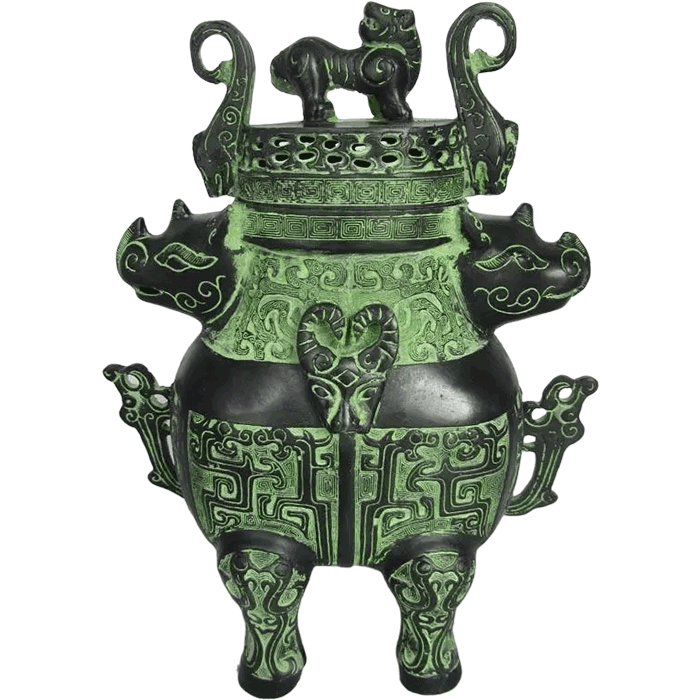
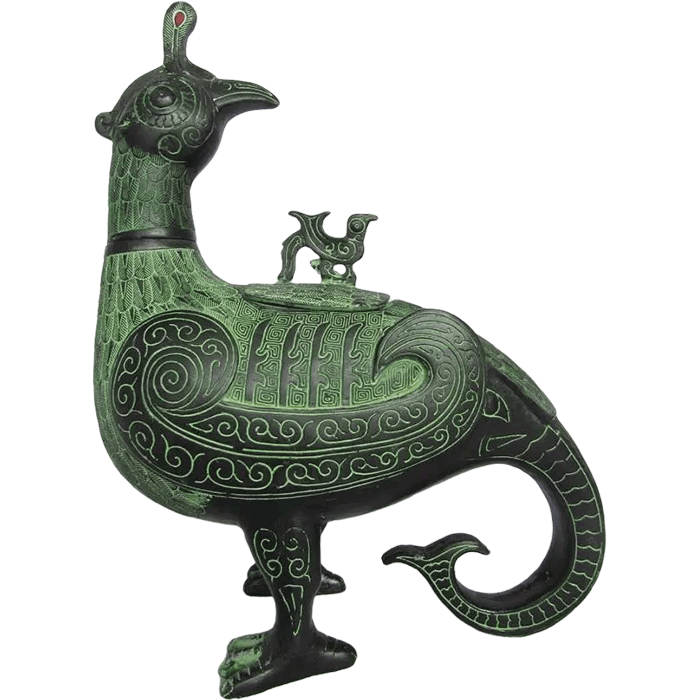
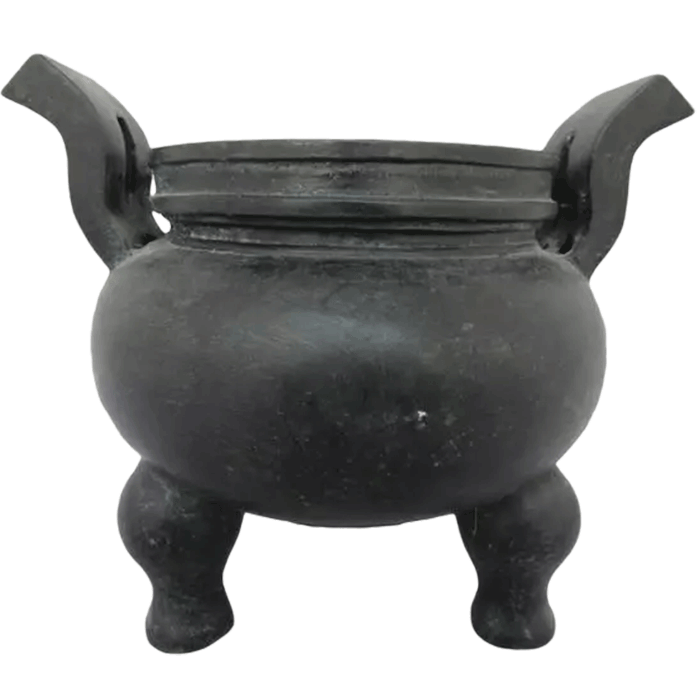
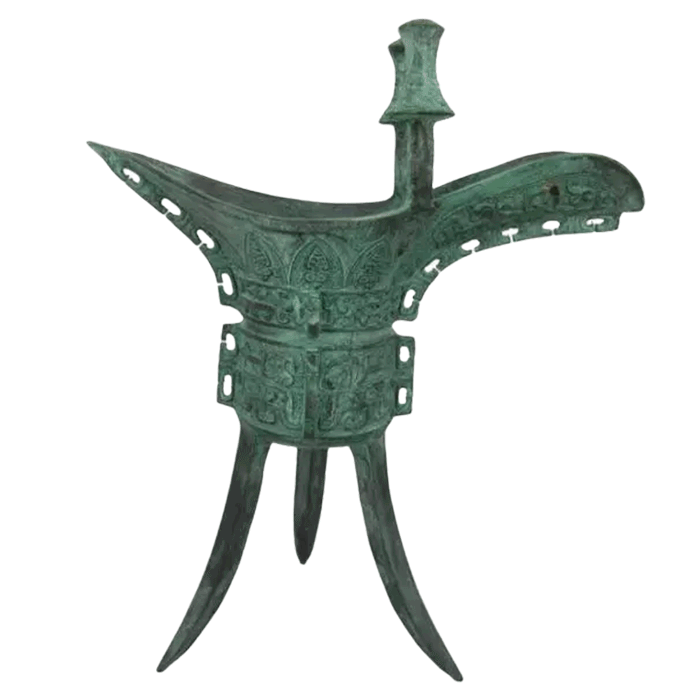
- Traditional Chinese bronze vessels such as ding, zun, and hu tripods and vases, perfect for historical reproductions or decorative pieces.
- Intricately designed bronze mirrors and incense burners, echoing ancient aesthetics.
- Revered bronze Buddhist statues, crafted with spiritual reverence and artistic precision.
- A broad array of general custom bronze artworks tailored to unique specifications.
Our commitment to quality extends beyond the casting process. Every shipment undergoes rigorous quality inspection to ensure perfection. In the rare event of casting defects, we offer free replacement, underscoring our confidence in our craftsmanship. Furthermore, our after-sales support includes guidance for patina touch-ups and restoration, ensuring the longevity and continued beauty of your investment. This comprehensive service model provides the same level of trust and confidence that collectors seek when authenticating a valuable antique.
Whether you are looking to
customize a bronze sculpture from sculpmart.com from a historical drawing, a digital model, or a physical reference, our team of masters is equipped to translate your requirements into tangible bronze art. Our profound understanding of traditional techniques, combined with modern quality control, positions us as a premier choice for those who demand excellence and historical fidelity in their bronze commissions.
In conclusion, the meticulous process of identifying maker marks on any Vintage Chinese Silver Tea Set highlights the universal value of authenticity and quality in traditional art. This same dedication to precision, historical accuracy, and unparalleled craftsmanship is the cornerstone of Luoyang Yichuan Bronze Craft Co., Ltd.'s work. We invite you to leverage our expertise for your custom bronze art needs, confident that our commitment to excellence reflects the highest standards of Chinese artistic heritage.