Vintage Chinese Silver Tea Set Comparison Guide
A Vintage Chinese Silver Tea Set Requires Careful Material and Construction Evaluation
Import buyers, antique-style décor retailers, and hospitality procurement teams often need to decide whether a tea-set range should focus on solid silver, silver-plated pieces, or a balanced selection of both. Although these products can appear similar at first glance, their metal value, manufacturing methods, long-term maintenance needs, customer expectations, and retail positioning are significantly different.
A well-informed comparison helps buyers avoid sourcing mistakes. A silver item may command a higher investment because of its precious-metal content, while a plated alternative can offer a more accessible price point and broader decorative appeal. Neither choice is automatically better. The right selection depends on the target customer, intended use, required finish, expected order volume, and the level of authenticity or collectability the product range is intended to represent.
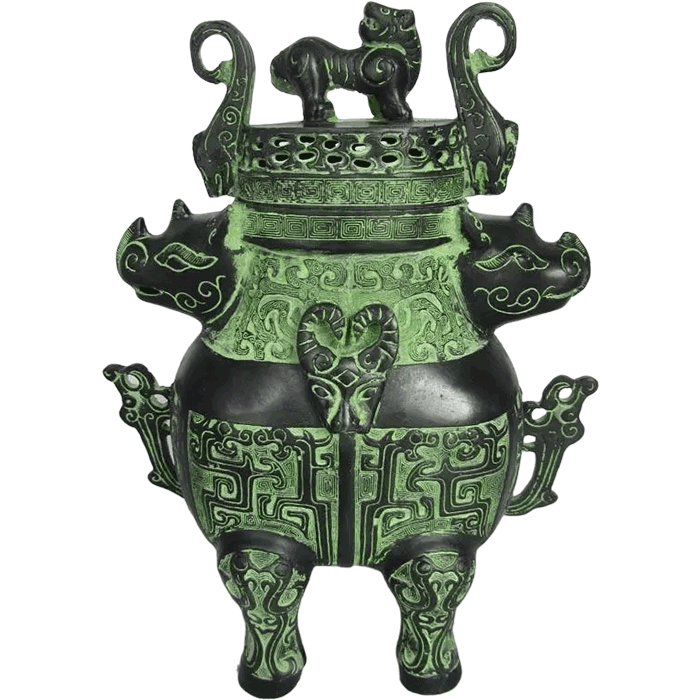
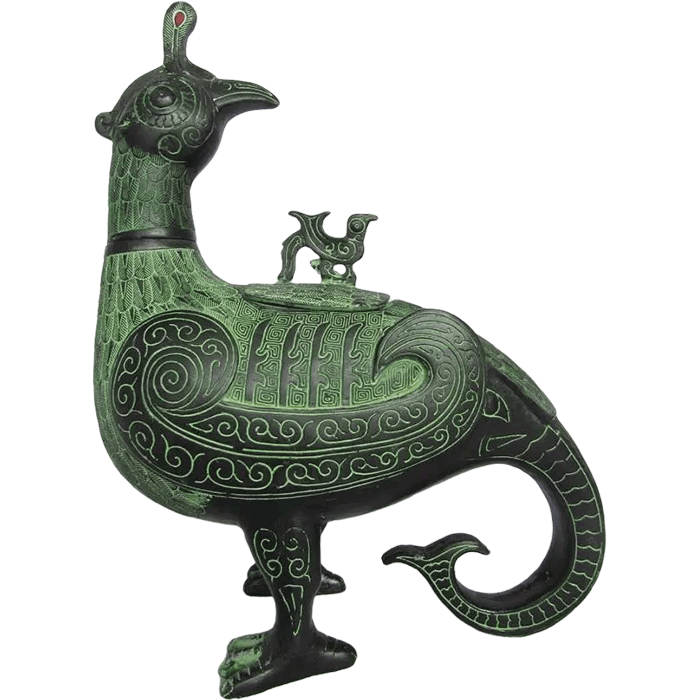
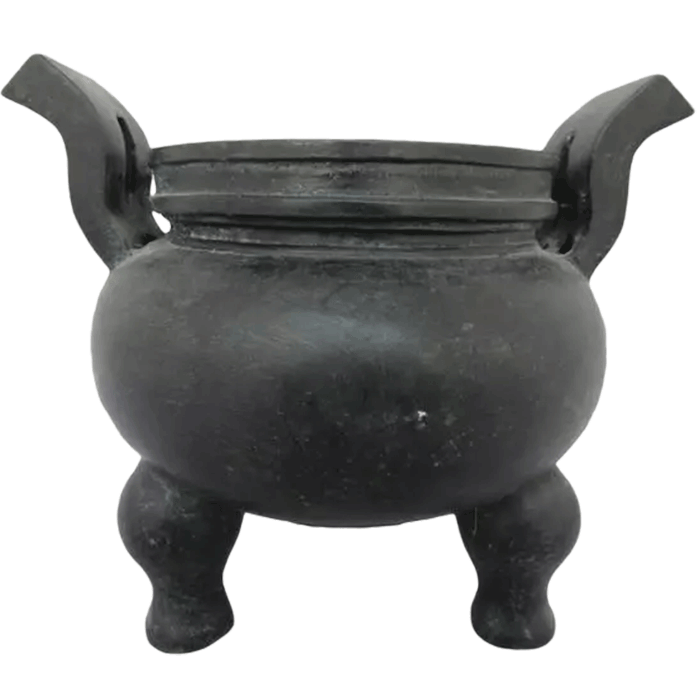
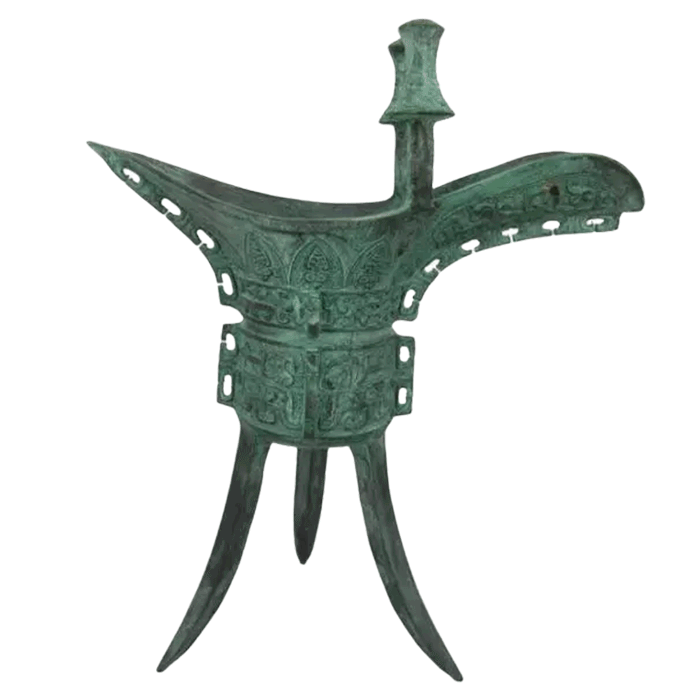
For retailers offering heritage-inspired home accessories, tea service products can also be presented alongside metal décor, incense-related items, vessels, and sculptural pieces. Buyers building a coordinated Asian-inspired collection may review handmade silver collections together with bronze articles to create a more complete visual merchandising story.
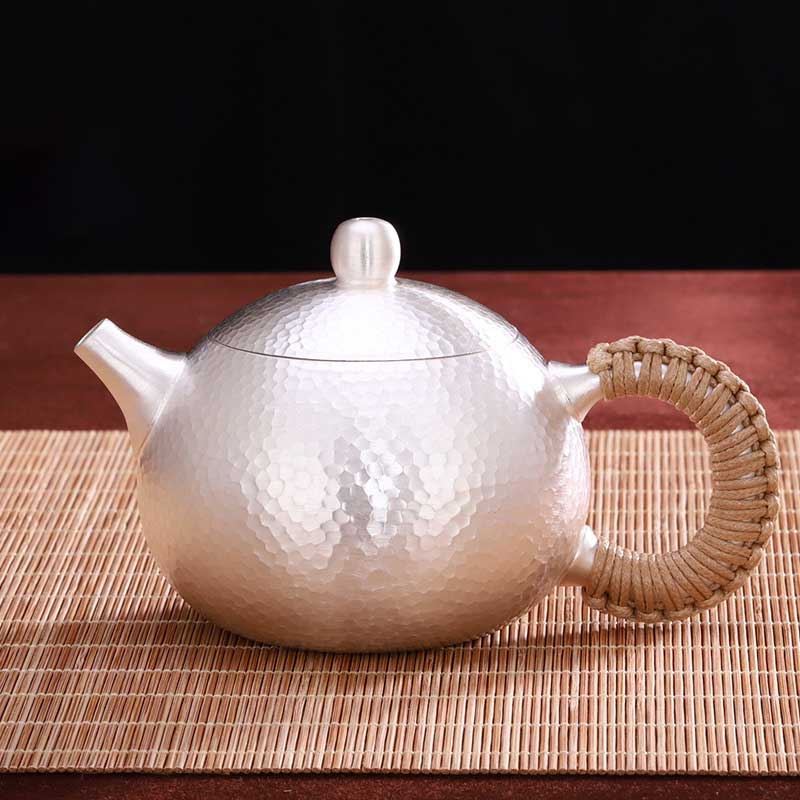
How to Evaluate a Vintage Chinese Silver Tea Set
The first task is to distinguish the words “silver,” “silver-plated,” “vintage,” and “antique-style.” These terms are often used loosely in retail listings, but B2B buyers should require clear product descriptions and supporting information before making purchasing decisions.
Solid silver refers to an object made primarily from a silver alloy. Pure silver is relatively soft, so it is commonly alloyed with other metals to improve strength and working performance. Depending on the source, period, and manufacturing tradition, the alloy composition may vary. A solid-silver tea service typically has intrinsic material value in addition to decorative and functional value.
Silver-plated ware is different. It usually consists of a base metal covered with a thin layer of silver. The base may be brass, copper, nickel silver, or another appropriate metal, depending on the design and production method. Silver plate can achieve a bright, refined appearance, but its value is generally determined more by craftsmanship, condition, design, maker history, and decorative utility than by precious-metal weight.
The word “vintage” should not be treated as proof of age or authenticity. In commercial buying, it may describe an older item, a style influenced by earlier periods, or a newly made product with an aged finish. For accuracy, retailers should separate genuinely older objects from newly produced antique-style wares. Product labels should describe the item according to verified information rather than relying on vague claims.
Why Material Identification Matters
Material identification affects nearly every commercial decision. It influences the purchase price, insurance requirements, customs documentation, customer messaging, care instructions, and return-risk management. A buyer who assumes a plated teapot is solid silver may overvalue the item. Conversely, a buyer who overlooks a solid-silver object may fail to recognize the importance of weight, marks, and construction details.
For a retail range, a clear material hierarchy can be useful. Solid silver can support premium collectors’ selections, high-end gifting, and carefully curated heritage collections. Silver-plated tea wares may be better suited to decorative retail, event styling, restaurant display, prop rental, or customers seeking traditional visual character at a lower initial price.
Solid Silver and Silver Plate Differ in Value and Performance
The most visible difference between solid silver and silver plate is often the surface appearance, but this is not the most important distinction. Both materials can be polished to a reflective finish, engraved with decorative patterns, formed into elegant spouts and handles, and paired with trays, sugar bowls, tea caddies, or cups. The critical differences are found beneath the surface.
| Comparison Point | Solid Silver Tea Ware | Silver-Plated Tea Ware |
|---|---|---|
| Primary material | Predominantly silver alloy | Base metal covered with a silver layer |
| Intrinsic metal value | Generally higher because of silver content | Generally lower because silver is only a surface layer |
| Weight evaluation | May be relevant for material assessment | Weight primarily reflects the base metal and construction |
| Wear over time | Can be polished repeatedly with appropriate care | Plating may wear through on edges, handles, and raised details |
| Retail positioning | Premium, collectible, gift-oriented, or specialist | Decorative, accessible, hospitality-oriented, or broad-market |
| Condition sensitivity | Dents, repairs, thinning, and altered marks require review | Plate loss, exposed base metal, peeling, and corrosion require review |
Solid silver is not automatically more durable in every respect. Silver is a relatively soft metal, and thin-walled pieces can dent if handled carelessly. A plated item made on a strong base-metal body may feel rigid and substantial. However, the plated surface requires special attention because aggressive polishing can gradually remove the silver layer and expose the underlying material.
For buyers assessing a product range, it is useful to ask whether the tea set will be sold as functional serveware, display décor, collectible merchandise, or a gift item. A decorative retailer may prioritize visual consistency and an accessible price. A specialist antiques business may prioritize documented age, material verification, condition reporting, and provenance information.
Construction and Decorative Details
Traditional Chinese-inspired tea ware may include repoussé-style decoration, engraved motifs, floral borders, bamboo-form handles, dragon-inspired imagery, geometric bands, calligraphy panels, or smooth minimalist surfaces. These details should be examined not only for visual appeal but also for manufacturing quality.
Buyers should inspect the junctions between the teapot body, spout, lid, handle, finial, and feet. Joints should appear orderly and structurally sound. Lid alignment should be checked carefully. A lid that rocks excessively, catches on the rim, or sits unevenly can reduce perceived quality. On plated pieces, edges around joins and raised ornament are common areas where wear may become visible first.
Pattern depth also matters. Fine engraving should remain readable without looking rough or mechanically blurred. Repeated decorative motifs should appear reasonably balanced across matching components. For sets that include several cups or serving pieces, buyers should review whether the finish, tone, and ornament are consistent throughout the group.
Practical Inspection Steps Before Purchasing
A responsible comparison process should combine visual review, documentation requests, and condition assessment. Product photographs alone are useful, but they may not show thin plating, small repairs, solder marks, interior discoloration, or slight distortions in a lid or base. Where the commercial value warrants it, buyers should request detailed images, dimensions, weights, and close views of marks and high-contact areas.
- Confirm the stated material. Ask whether the item is solid silver, a silver alloy, silver plate, or another metal with a silver-colored finish. Do not rely solely on a polished appearance.
- Review marks carefully. Marks may provide useful information, but they should be interpreted cautiously. A mark alone does not establish full age, origin, or value without supporting assessment.
- Check high-wear points. Examine handles, spout tips, tray rims, feet, lid edges, raised decoration, and cup rims for plating loss or exposed base metal.
- Assess structural condition. Look for dents, cracks, previous repairs, loose handles, uneven bases, warped lids, and weak soldered joints.
- Inspect the interior. The inside of a teapot, sugar bowl, or cup may reveal residues, corrosion, repair work, or surface changes not visible externally.
- Request accurate dimensions. Buyers need measurements for shelf planning, photography, packaging, and tea-service usability.
- Clarify intended use. A piece sold for display may require different guidance from one intended for food or beverage service.
Photographs should ideally include the complete set, each major component, the underside, close-up surface views, interior views where possible, and details of any noticeable wear. For a range intended for e-commerce, these images also help retailers create honest listings and reduce customer uncertainty.
Buyers interested in historical metalwork references may find useful context in an overview of traditional bronze ware forms. While bronze vessels and silver tea services are different product categories, both benefit from close attention to shape, surface treatment, ornament, and historical styling when developing an antique-inspired collection.
Condition Has Different Meanings for Each Material
Condition grading should not be identical for solid silver and plated goods. With solid silver, light tarnish is often a normal surface condition and may be addressed with careful cleaning. Small dents, scratches, old repairs, thinning in heavily polished zones, and altered decoration can have a greater effect on desirability. Buyers should decide whether they want untouched period character or a cleaner presentation suitable for retail display.
For silver-plated ware, the condition of the plated layer is central. Tarnish can usually be managed, but plate loss cannot be restored simply through routine polishing. When the base metal is exposed, the contrast in color may be visible around edges and decorative ridges. Replating may be possible in some circumstances, but it is a specialized process that adds cost and may change the character of an older object.
Aged surface character is not necessarily a defect. Some buyers prefer a softly toned finish because it supports a traditional interior style. Others want a brighter finish for wedding gifts, tabletop display, or luxury retail photography. The desired finish should be stated before procurement so that cleaning and presentation expectations are aligned.
Tarnish, Patina, and Surface Presentation
Silver naturally reacts with environmental elements and may darken over time. This tarnish can range from pale yellowing to gray, brown, blue-gray, or darker tones. A uniform, gentle surface tone may be visually attractive, while uneven dark spots or residue may require cleaning. Buyers should avoid assuming that a dark surface proves age. Tarnish develops under many conditions and is not a standalone authentication method.
For decorative ranges, a controlled antique finish may be preferable to a highly reflective surface. This consideration is familiar to buyers working with other metal categories. Bronze pieces, for example, are often selected for their patina, chasing, and historical visual character. Businesses reviewing Chinese bronze sculpture styles can see how metal finishes contribute to a broader collection concept.
Choosing the Right Tea-Set Range for Your Market
Solid silver and silver-plated sets can serve different customer segments. Rather than selecting only one material, some retailers may benefit from a tiered assortment. A premium section can feature high-value silver pieces with detailed condition descriptions, while a broader decorative collection can offer silver-plated sets, trays, and accessories designed to suit more accessible budgets.
For luxury gift buyers, solid silver may offer stronger appeal because of its material content and enduring status. However, the buyer must communicate condition, material, and age accurately. For interior décor retailers, plated pieces may offer more flexibility in assortment planning because they can be visually impressive without requiring the same material investment.
Tea service is also influenced by regional preferences and customer use cases. Some customers purchase a complete set for formal hosting. Others purchase a teapot, tray, or pair of cups as a display accent. A retailer can improve conversion by offering component-level descriptions, including capacity where available, dimensions, weight, visible condition, and recommendations for display or careful use.
- Collector-focused retailers: Prioritize material verification, marks, condition records, and clear historical descriptions.
- Gift and luxury retailers: Prioritize presentation, finish quality, complete matching components, and protective packaging.
- Interior décor stores: Prioritize visual impact, coordinated styling, and compatibility with other decorative metal objects.
- Hospitality and event buyers: Prioritize durability, appearance under lighting, replacement planning, and clear care procedures.
- Online marketplaces: Prioritize accurate photographs, transparent material statements, and condition disclosures.
For retailers combining tea ware with art objects, bronze décor can provide a complementary category. Incense burners, mirrors, vessels, and figurative sculptures can help create a layered display that connects table culture with historic visual traditions. Buyers seeking this wider category mix may consider bronze home decor arts for related merchandising inspiration.
Packaging, Handling, and Care Instructions Support Better Retail Results
Tea sets contain fragile and irregular components, including lids, spouts, handles, feet, trays, and thin cup rims. Packaging should protect both the object and its finish. Individual components should be separated so that metal surfaces do not rub against one another during transit. The lid of a teapot should be secured independently, and empty spaces in the outer carton should be filled to reduce movement.
For both solid silver and silver plate, avoid prolonged exposure to moisture, harsh chemical cleaners, rubber bands, abrasive materials, and unsuitable storage papers. Retailers should provide basic care guidance with the product. Customers should understand that a soft cloth and appropriate silver-care methods are generally preferable to harsh abrasive polishing.
Plated articles require especially gentle treatment. Frequent aggressive polishing can thin the surface layer. Silver-plated items should not be marketed as maintenance-free, and customers should be advised to avoid using rough scouring pads or strong cleaning compounds. For older items, professional advice may be appropriate when there is uncertainty about repairs, coatings, or fragile decorative sections.
Import buyers evaluating decorative metal products should also consider supplier quality processes. Luoyang Yichuan Bronze Craft Co., Ltd. operates under an ISO 9001 quality management system and conducts quality inspection before shipment for its bronze art products. Its experience with export-compliant protective packaging for fragile sculptures is relevant to buyers who understand that secure packing is essential for delicate metal décor, vessels, and art objects.
Use Clear Descriptions to Build Buyer Confidence
The strongest product listing is precise rather than overly promotional. State whether an item is solid silver or silver-plated. Describe the visible condition honestly. Include measurements, weight where relevant, components included, decorative features, and care recommendations. If an item is newly produced in an older style, describe it as antique-style or vintage-inspired rather than presenting it as a verified period antique.
This disciplined approach protects the retailer and supports customer trust. It also helps procurement teams compare quotations fairly because material composition, surface finish, packaging requirements, and quality expectations are identified from the beginning.
When a retailer’s collection expands beyond tea ware into custom metal décor, supplier capability becomes important. Luoyang Yichuan Bronze Craft Co., Ltd. supports custom bronze artworks from single prototypes to bulk production runs, using traditional lost-wax casting, hand chasing, polishing, and antique or modern patina finishing. Buyers exploring complementary custom display pieces can customize bronze sculpture projects for themed interiors, retail presentations, and heritage-inspired décor assortments.
In summary, solid silver offers material value, specialist appeal, and premium positioning, while silver plate can deliver decorative beauty and wider price accessibility. The best sourcing decision is based on transparent material identification, careful condition review, appropriate packaging, and a clear understanding of the end customer. By comparing these factors before selecting a range, import buyers and retailers can build a tea-set assortment that is both commercially practical and visually compelling.