Vetting a Handmade Silver Teapot Workshop
Navigating the Selection Process for a Quality Handmade Silver Teapot Workshop
For importers and specialty tea retailers, sourcing high-quality artisanal products demands meticulous evaluation of potential suppliers. When the product in question is a handmade silver teapot, the stakes are particularly high. These exquisite pieces are not merely functional items; they are investments in art, tradition, and a unique tea experience. The process of vetting a workshop to ensure it meets your stringent quality, ethical, and production standards is crucial for building a reliable supply chain. This guide outlines the essential factors to consider when evaluating a potential partner for your handmade silver teapot needs.
The market for handcrafted silver teapots is discerning, expecting nothing less than perfection in material, form, and finish. Discerning buyers understand that the true value of a silver teapot lies in the skill of its maker and the integrity of the materials used. Therefore, your vetting process must delve deep into a workshop's capabilities, from the initial design concept to the final polished product and beyond. Establishing a partnership with a workshop that reflects a profound dedication to craftsmanship and client satisfaction is paramount for long-term success in the specialized tea market.
Understanding the Craftsmanship Behind a Handmade Silver Teapot
The creation of a truly exceptional handmade silver teapot is an art form rooted in centuries of tradition and refined techniques. When vetting a workshop, it is essential to understand their approach to craftsmanship, as this directly impacts the aesthetic appeal, durability, and functional excellence of each piece. Look for workshops that prioritize traditional methods, as these often yield superior results compared to mass-produced alternatives.
Material Purity and Sourcing: The foundation of any high-quality silver teapot is the silver itself. Inquire about the purity of the silver used, typically sterling silver (92.5% silver) or even purer grades. A reputable workshop will be transparent about their material sourcing, providing certifications of authenticity and purity. Understanding their supply chain ensures that the precious metal is ethically sourced and of a consistent standard, which is vital for both product quality and consumer trust.
Mastery of Traditional Techniques: The allure of a handmade silver teapot often stems from the intricate techniques employed by skilled artisans. While lost-wax casting is predominantly associated with bronze, the underlying principles of meticulous mold-making and precision in material application are universal in high-end metal craft. For silver, techniques like hammering, raising, soldering, chasing, and engraving are critical. A workshop should demonstrate proficiency in these areas, often indicated by the presence of master craftsmen who have dedicated their careers to perfecting these skills. The ability to execute complex designs with precision, from the seamless joints of the spout and handle to the delicate embellishments on the body, speaks volumes about a workshop's expertise.
Design Integrity and Customization: Handmade silver teapots can range from classic, elegant forms to contemporary, sculptural designs. A workshop should not only be capable of replicating existing designs with exactitude but also possess the creative and technical prowess to bring custom visions to life. This includes developing new prototypes, adapting historical styles, or incorporating unique design elements. The workshop's portfolio should showcase a diverse range of styles and complexities, demonstrating their versatility and commitment to design integrity. For instance, a workshop capable of creating intricate custom bronze artworks, such as historical replicas or bespoke sculptures, often possesses the foundational design and execution skills transferable to other high-value metal crafts.
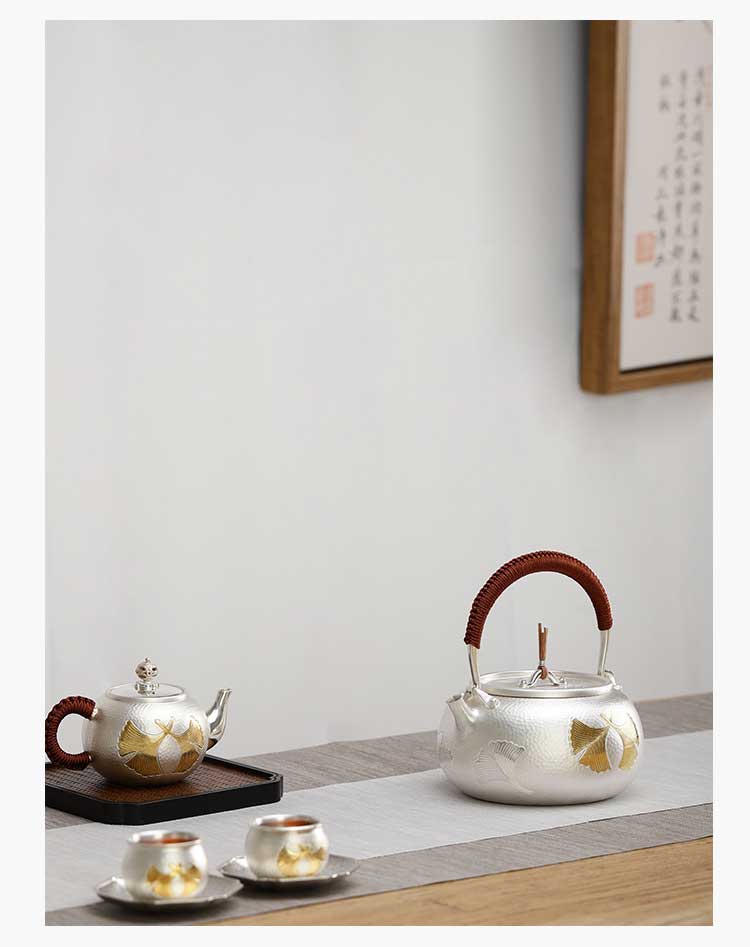
Finishing Excellence: The final finish of a handmade silver teapot is crucial for its visual appeal and tactile quality. This involves meticulous polishing, burnishing, and sometimes specialized patination or plating. Evaluate the consistency of their finishing processes across different pieces. Are surfaces flawlessly smooth? Are decorative elements sharply defined? The absence of imperfections, such as tool marks, scratches, or uneven polishing, is a hallmark of superior craftsmanship. A workshop that employs hand chasing and polishing techniques ensures that each piece receives individual attention, resulting in a unique character and a luxurious feel that machine polishing cannot replicate.
Evaluating a Workshop's Production Capabilities and Quality Assurance
Beyond individual craftsmanship, a workshop's overall operational capacity and commitment to quality control are paramount for B2B buyers. For those looking to source handmade silver teapot collections, assessing production scale, quality management systems, and staffing expertise is essential for reliable supply.
Production Capacity and Infrastructure: A workshop's ability to meet your order volumes and timelines is critical. Look for facilities that demonstrate substantial operational scale. For instance, a production area spanning 3,000 square meters indicates a significant infrastructure capable of housing various stages of the crafting process, from design and prototyping to finishing and packaging. Such a space suggests an organized workflow conducive to efficient production. Furthermore, a workshop that can support everything from a single custom prototype to bulk production runs offers invaluable flexibility, accommodating diverse sourcing needs from unique presentation pieces to larger retail inventories. The MOQ from 1 piece for custom sculptures, as seen in leading craft manufacturers, exemplifies a client-centric approach that ensures even highly specialized requests can be fulfilled.
Skilled Labor and Expertise: The quality of handmade items directly correlates with the skill of the artisans. A reputable workshop will invest in and retain a team of experienced craftsmen. Consider workshops that boast a team of over 30 skilled craftsmen, including masters in specific techniques like metal casting, hand chasing, and finishing. The presence of such specialized experts guarantees that each stage of production is handled by individuals with profound knowledge and finely honed skills. This collective expertise ensures consistent quality and the ability to tackle complex designs with precision.
Quality Management Systems and Certifications: For B2B sourcing, adherence to recognized quality standards provides a crucial layer of trust and reliability. A workshop operating under an ISO 9001 quality management system demonstrates a systemic commitment to consistent quality, efficiency, and continuous improvement. This certification signals that the workshop has robust processes in place for every aspect of production, from material selection to final inspection. Furthermore, look for workshops whose products comply with export quality inspection standards for art crafts, ensuring that your sourced items will meet international regulations and customer expectations.
Rigorous Quality Inspection: A proactive approach to quality control is indispensable. Inquire about their quality inspection protocols. A leading practice is to conduct a thorough quality inspection before every shipment. This ensures that any potential defects are identified and rectified before products leave the factory, minimizing returns and ensuring customer satisfaction. Workshops with a strong commitment to quality often offer a free replacement policy for casting defects, showcasing their confidence in their craftsmanship and their dedication to client satisfaction. This level of commitment is a strong indicator of a reliable and trustworthy partner for your high-value product sourcing.
Assessing Customization, Packaging, and Post-Production Support
The journey of sourcing a handmade silver teapot extends beyond its creation; it encompasses the entire client experience, from initial customization requests to the safe arrival of the product and ongoing support. Evaluating a workshop's capabilities in these areas is crucial for a seamless and successful partnership.
Customization Capabilities: For specialty retailers and collectors, the ability to customize designs or replicate specific styles is often a key requirement. A workshop should be adept at solving custom bronze art sourcing pain points, such as exact replication of antique items or consistent patina color matching. While these examples relate to bronze, the underlying skill in precise replication and consistent finishing is directly transferable to silver. Whether it’s designing a unique handle, replicating a historical motif, or adjusting the size and capacity of a teapot, the workshop’s flexibility and expertise in custom work are invaluable. Their capacity to deliver an annual output of over 50,000 bronze art pieces also suggests a scalable and organized approach to production that can handle diverse custom orders efficiently.
Export-Compliant Packaging: Fragile art pieces like handmade silver teapots require specialized packaging, especially for international shipping. A workshop that understands and implements export-compliant protective packaging for fragile sculptures demonstrates foresight and responsibility. This includes using custom-fitted foam, secure bracing, and durable outer containers to prevent damage during transit. Proper packaging not only protects your investment but also ensures that the product arrives in pristine condition, ready for display or sale, minimizing logistical headaches and potential losses.
After-Sales Support and Restoration Guidance: A truly reliable partner offers support long after the shipment has left their facility. Inquire about their after-sales services. This might include guidance for cleaning and maintaining silver, or even support for patina touch-ups and restoration guidance for pieces that may experience wear over time. Such comprehensive support reflects a workshop's dedication to the longevity of their creations and the satisfaction of their clients. It builds confidence that you are partnering with a company that stands behind its work and values a lasting relationship.
Commitment to Client Satisfaction: Ultimately, the best workshops prioritize client satisfaction. This is reflected in their communication, responsiveness, and willingness to address concerns. From the initial inquiry to post-delivery follow-ups, a workshop that communicates clearly and promptly fosters trust. The combination of rigorous quality inspection before every shipment, a free replacement policy for casting defects, and robust after-sales support creates a comprehensive safety net for buyers, ensuring peace of mind throughout the sourcing process. For more information on how leading craft manufacturers approach client relations and custom projects, consider exploring resources on customize a bronze sculpture from sculpmart.com, which highlights the detailed process involved in bespoke art creation.
Establishing a Long-Term Partnership: Beyond the Initial Order
The objective of vetting a workshop for your handmade silver teapot requirements should extend beyond a single transaction. Building a long-term, mutually beneficial partnership is key for a consistent supply of high-quality goods and for navigating future market demands. A strong partnership is founded on transparency, reliability, and shared values.
Transparency and Communication: Open and honest communication is the bedrock of any successful B2B relationship. A workshop should be transparent about their production processes, lead times, material sourcing, and any potential challenges. Regular updates, clear communication channels, and a dedicated point of contact can significantly streamline operations and prevent misunderstandings. This level of transparency fosters trust and demonstrates a professional approach to client relations.
Ethical Practices and Sustainability: In today's market, ethical sourcing and sustainable practices are increasingly important. Inquire about the workshop's commitment to fair labor practices, environmental responsibility, and the ethical sourcing of silver. A workshop that aligns with your company's values in these areas can enhance your brand reputation and appeal to a broader, more conscious consumer base. While the focus here is on silver, the principles of responsible manufacturing are universal across all forms of art crafts. For insights into the historical context and enduring value of master craftsmanship, exploring resources on chinese bronze sculpture can provide a deeper appreciation for the traditions that underpin high-quality artisanal production.
Innovation and Adaptability: The market for luxury goods, including handmade silver teapots, is dynamic. A workshop that demonstrates a willingness to innovate, adapt to new design trends, and incorporate feedback is a valuable partner. Their ability to evolve and refine their offerings ensures that your product line remains fresh and competitive. This forward-thinking approach is crucial for sustained growth and success in the long run.
Visit and Due Diligence: Whenever feasible, conducting an on-site visit to the workshop can provide invaluable insights into their operations, cleanliness, employee conditions, and overall quality control firsthand. Meeting the master craftsmen and seeing the production environment can solidify your confidence in their capabilities. If an in-person visit is not possible, request detailed virtual tours, extensive portfolios, and references from other B2B clients.
By thoroughly vetting potential workshops against these criteria, importers and specialty tea retailers can confidently select a partner capable of delivering exceptional handmade silver teapots that meet the highest standards of quality, craftsmanship, and ethical production. Establishing such a partnership is not just about securing a supplier; it's about investing in a long-term relationship that enhances your brand's reputation and delights your customers with timeless pieces of art.
For more insights into the operational excellence and dedication to craftsmanship found in leading art craft manufacturers, visit about scultmart to learn about companies that uphold stringent quality and production standards in their respective specialized fields.