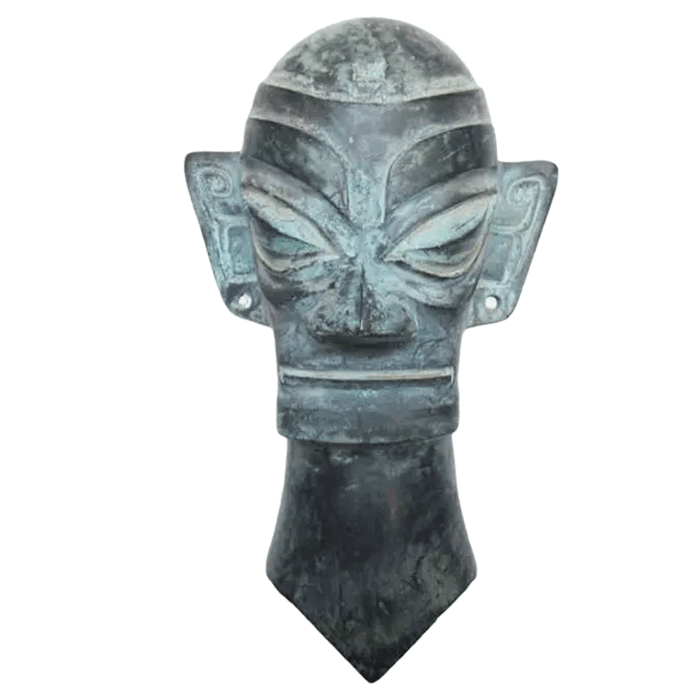
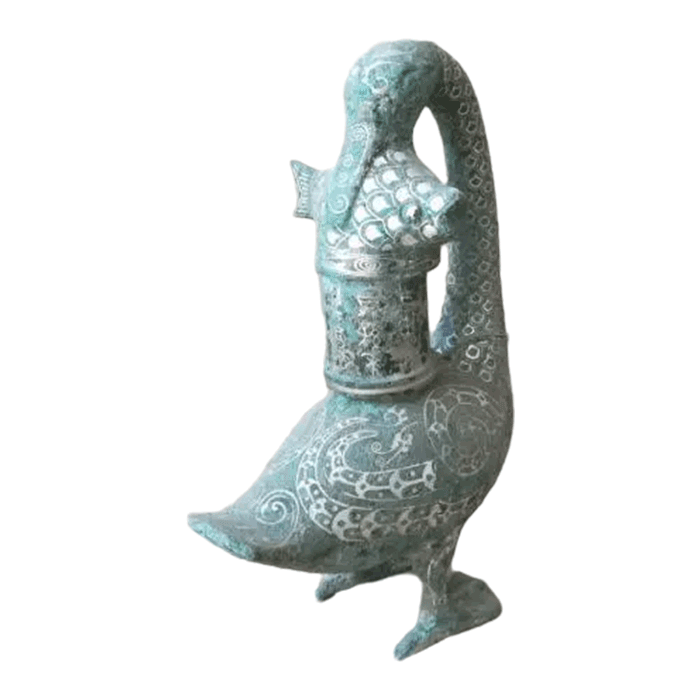
Verify Antique Chinese Bronze Statues Before Buying
Navigating the Market: How to Verify Antique Chinese Bronze Statues Before Buying
The allure of collecting antique Chinese bronze statues is undeniable, drawing in museums, galleries, and private collectors worldwide with their profound historical significance, artistic mastery, and cultural narratives. These exquisite artifacts, ranging from dignified human figures and dynamic animal sculptures to intricate ceremonial vessels and sacred Buddhist icons, offer a tangible connection to China's rich past. However, the market for these valuable pieces is complex, fraught with challenges related to authenticity, preservation, and ethical acquisition. For any serious buyer, thorough verification before committing to a purchase is not merely a recommendation but an absolute necessity to mitigate risks and ensure the long-term value and integrity of their collection.
This comprehensive guide aims to equip buyers with the essential knowledge and critical considerations needed to confidently navigate the intricacies of the antique bronze market. We will delve into methods of authentication, criteria for assessing condition, and the importance of provenance, providing a framework for informed decision-making. Whether you are expanding an existing collection or embarking on a new acquisition, understanding these verification processes is paramount to securing genuine and well-preserved examples of Chinese bronze artistry.
Understanding the Historical Context of These Exquisite Pieces
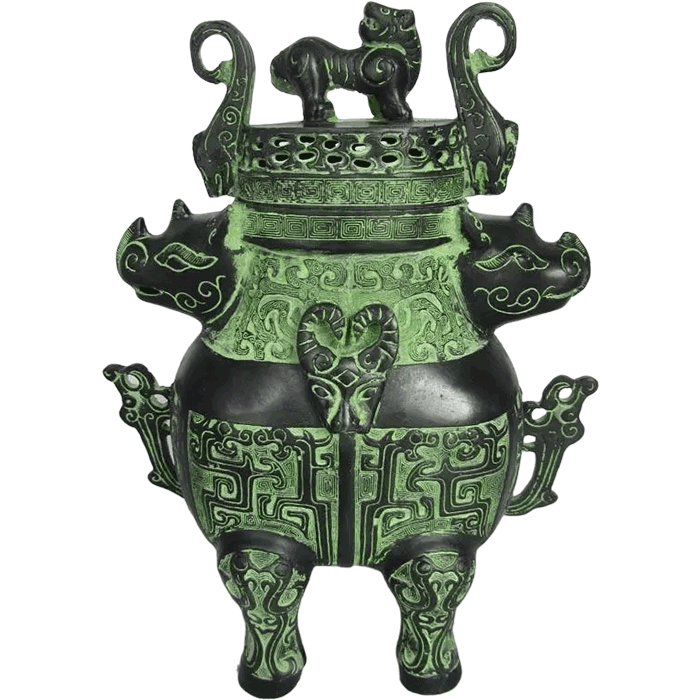
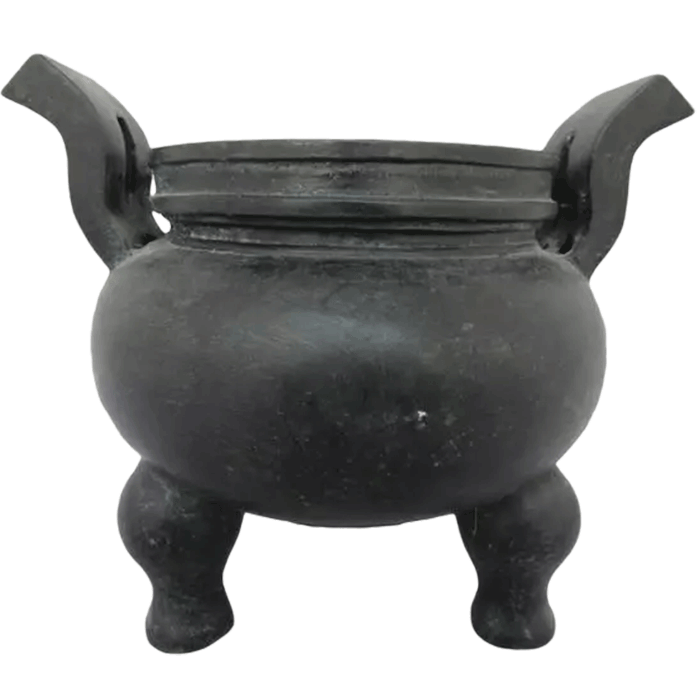
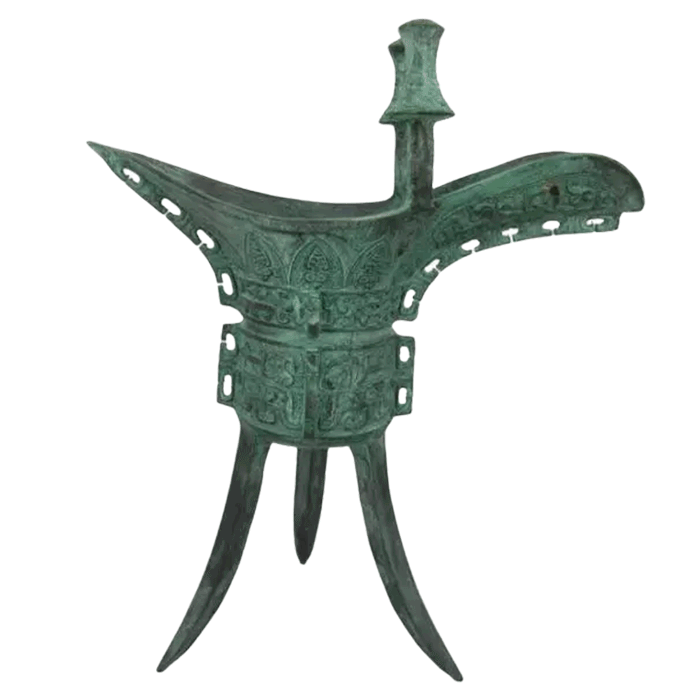
To truly appreciate and authenticate antique Chinese bronze statues, one must first grasp the vast historical tapestry from which they emerge. Chinese bronze casting traditions span over three millennia, evolving significantly through various dynasties, each leaving its indelible mark on the style, function, and symbolism of these objects. From the powerful ritual vessels (like ding, zun, and hu tripods and vases) of the Shang and Zhou dynasties, used in ancestral worship and state ceremonies, to the refined mirrors and incense burners of later periods, and the serene Buddhist statues that proliferated with the spread of Buddhism, each era contributed unique aesthetic and technological advancements.
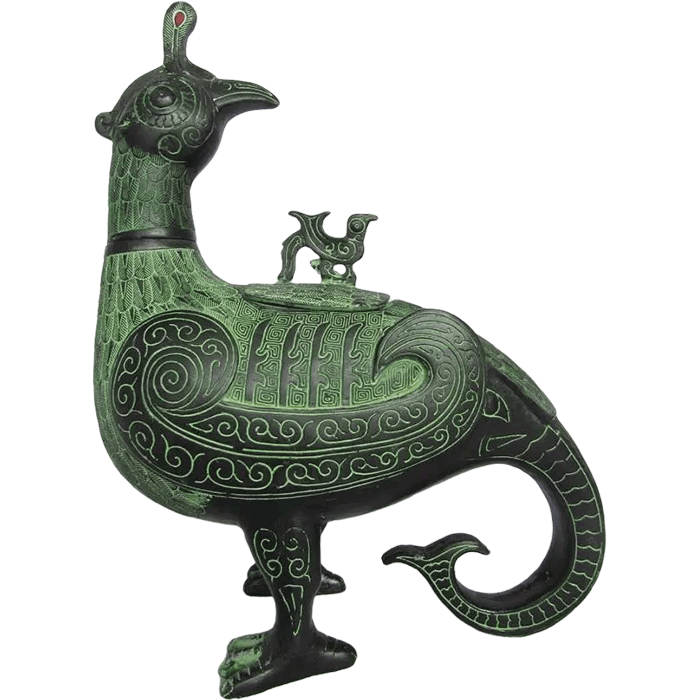
Early bronzes, often characterized by their robust forms and intricate taotie (mythical animal) motifs, reflect a society deeply intertwined with ritual and spiritual beliefs. The craftsmanship of these early pieces, produced through laborious casting methods, speaks volumes about the technical prowess of ancient artisans. As dynasties shifted, so too did the artistic expressions in bronze. The Han dynasty saw the emergence of more naturalistic animal sculptures and everyday objects, while the Tang dynasty brought forth a golden age of Buddhist art, with bronze statues depicting bodhisattvas and Buddhas in graceful, flowing forms. Later periods continued to innovate, incorporating diverse cultural influences and refining casting and finishing techniques. Understanding these stylistic shifts, material compositions, and the historical context of their creation is foundational to identifying authentic pieces and distinguishing them from later reproductions or forgeries. For those interested in the broader historical evolution, exploring the evolution of bronze culture over 2000 years can provide valuable insights into this rich heritage, or delve into specific examples like the Zenghouyi Chime Bell and Qinshihuang Mausoleum Bronze Chariots and Horses.
Key Factors in Authenticating Antique Chinese Bronze Statues
Authenticating an antique Chinese bronze statue requires a multi-faceted approach, combining expert knowledge of historical styles, material science, and traditional manufacturing processes. One of the primary indicators is the bronze alloy itself. Genuine antique pieces typically employ a copper-tin (Cu-Sn) alloy, with variations in the lead content over different periods. Modern forgeries might use different compositions or incorporate contemporary elements that can be detected through scientific analysis, such as X-ray fluorescence (XRF) or lead isotope analysis. Such tests can provide definitive data on the age and origin of the metal, though they are often expensive and may not be accessible for all buyers.
The casting method is another critical factor. The traditional lost-wax (cire perdue) method, employed for centuries in China, leaves specific characteristics. For instance, authentic ancient bronzes often exhibit evidence of core pins, vent holes, and visible seams where multiple molds were joined. The internal structure, if visible through radiography, can reveal how the piece was assembled and cast. Conversely, pieces cast using modern methods may lack these tell-tale signs or show evidence of contemporary tooling. The presence and nature of patina are perhaps the most compelling visual indicators. Natural patina, developed over centuries due to environmental exposure, is typically stable, varied in color (ranging from malachite green to azurite blue, reddish-brown, or even black), and deeply integrated into the bronze surface. It should appear consistent across the piece, even in recessed areas, and exhibit a layered, almost crystalline texture when viewed under magnification. Artificial patinas, often applied to mimic age, tend to be uniform, less stable, and may show signs of chemical application or paint, often flaking or rubbing off easily. Understanding the subtle nuances of authentic patina versus expertly simulated ones is crucial, and this often requires significant experience. Our skilled craftsmen, proficient in hand chasing, polishing, and patina finishing, can achieve both antique and modern looks, demonstrating a mastery of these traditional techniques.
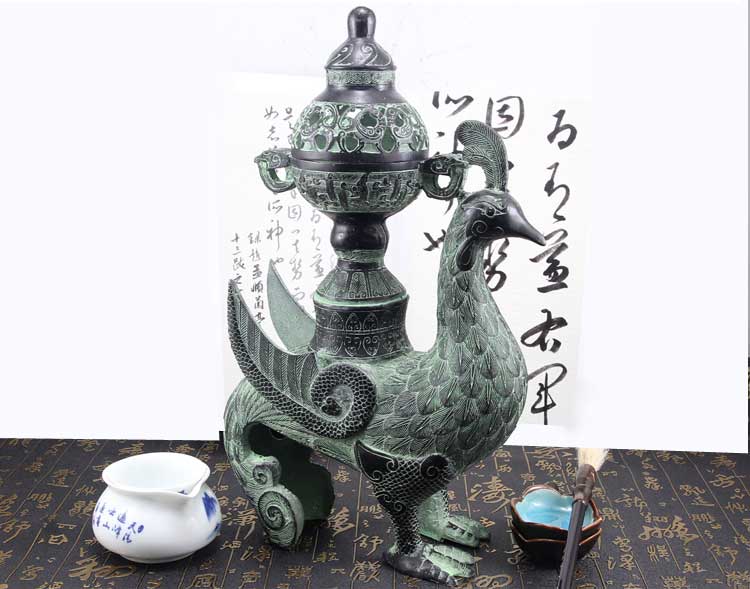
Stylistic analysis is equally important. Experts examine the form, decorative motifs, iconography, and inscriptions (if present) against known examples from specific dynasties and regions. Each period had distinct artistic conventions, and deviations can signal a forgery. For example, a piece claiming to be from the Shang dynasty should not feature motifs or calligraphic styles typical of the Tang dynasty. The precision and quality of the hand chasing and engraving work also offer clues. Ancient artisans, with their specialized tools, produced specific types of marks that differ from those made by modern machinery. The weight and balance of the object can also be indicative; ancient bronzes often feel heavier and more substantial than many modern reproductions due to the density of the alloy and casting techniques. For those looking to explore the diversity of genuine bronze craftsmanship, consider viewing Chinese bronze sculpture examples, which showcase the breadth of this art form.
Assessing Condition and Craftsmanship
Beyond authenticity, the condition of an antique Chinese bronze statue significantly impacts its value and desirability. A thorough assessment involves scrutinizing the piece for any damage, repairs, or alterations that may have occurred over its long history. Look for cracks, dents, losses of material, or areas where the bronze has been thinned. While some degree of wear and tear is expected in truly ancient objects, extensive damage or poorly executed repairs can drastically reduce value. High-quality repairs should be discreet, structurally sound, and meticulously matched to the original surface and patina. Over-restoration, where too much original material is removed or replaced, can also detract from a piece's historical integrity.
Examine the overall structural integrity of the sculpture. Is it stable? Are there any loose components? For hollow cast pieces, check for internal corrosion or structural weaknesses. The quality of craftsmanship, even in an antique, speaks volumes. Observe the precision of the casting, the crispness of the details in the design, and the smoothness of the finished surfaces (where intended). Even with the lost-wax method, variations in surface quality and detail can occur, but a consistently high level of execution often indicates a master artisan's hand. The patina, as discussed, is a key element of condition. A well-preserved natural patina enhances the beauty and authenticity of the piece, while an unstable or damaged patina can be a concern. Consistency in patina color matching is a particular pain point for many buyers when sourcing custom bronze art, something we address with our expert finishing artisans.
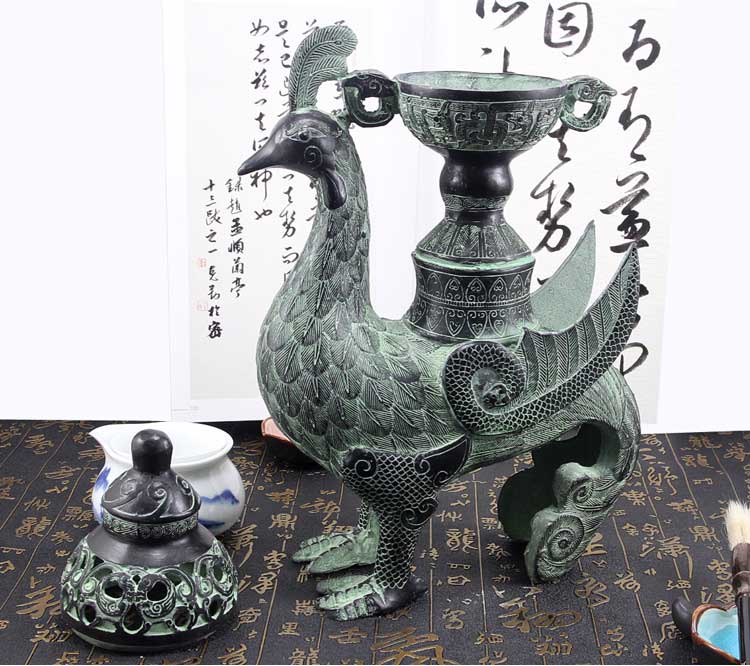
When considering acquisition, it is also important to think about the long-term preservation of such fragile sculptures. We understand that export-compliant protective packaging is crucial for fragile sculptures, ensuring they reach their destination safely and without damage. Our commitment to quality extends to meticulous packaging and quality inspection before every shipment, providing peace of mind for our clients. In the rare event of casting defects, we offer free replacement, and our after-sales support includes guidance for patina touch-ups and restoration, underscoring our dedication to the longevity and beauty of each piece.
The Importance of Provenance and Documentation
Provenance, the documented history of ownership of an object, is perhaps the single most crucial factor in establishing both the authenticity and ethical acquisition of an antique Chinese bronze statue. A strong provenance trail provides a chain of ownership from its original point of discovery or creation to the present day. This documentation can include sales records, exhibition histories, academic publications, and family records. Pieces with verifiable provenance not only command higher market values but also offer assurance against issues of illicit trade, cultural patrimony disputes, and outright forgery.
For items acquired from international sources, it is vital to ensure compliance with export laws from the country of origin and import regulations of the destination country. Many nations have strict regulations regarding the export of cultural heritage items, particularly those of significant age. Buyers should request and verify all necessary export permits, customs declarations, and any other legal documentation. An ethical and reputable seller will be transparent about a piece's history and provide all available documentation without hesitation. Furthermore, obtaining independent appraisal reports from accredited experts can offer an additional layer of verification regarding authenticity, condition, and market value. These reports often involve detailed examinations, scientific analysis, and comparisons with known examples, providing a comprehensive assessment for the buyer. Without clear provenance and documentation, the risks associated with acquiring antique bronzes multiply significantly, making it challenging to resell, insure, or even publicly display the object in the future. Luoyang Yichuan Bronze Craft Co., Ltd. adheres to the highest standards, with products complying with export quality inspection standards for art crafts, ensuring that our clients receive pieces that meet international quality benchmarks.
Partnering with Reputable Bronze Craft Specialists
Given the complexities of authenticating and acquiring antique Chinese bronze statues, partnering with a reputable and knowledgeable specialist is invaluable. While directly purchasing antique pieces requires extensive due diligence, collaborating with master craftsmen who specialize in traditional bronze casting offers a reliable pathway for those seeking high-quality bronze art, including exact replications of antique bronzes, custom designs, or contemporary interpretations rooted in historical techniques. Luoyang Yichuan Bronze Craft Co., Ltd. stands as a testament to such expertise. Located in Yichuan County, Luoyang, Henan Province, our production area spans 3,000 square meters, housing over 30 skilled craftsmen, including revered bronze-casting masters and meticulous finishing artisans.
We are ISO 9001 quality management system certified, ensuring that every stage of our production process, from initial design to final finishing, adheres to stringent international quality standards. Our annual output of over 50,000 bronze art pieces demonstrates our capacity to support everything from a single custom prototype to extensive bulk production runs. We understand the unique needs of collectors, institutions, and designers, offering a flexible MOQ from just 1 piece for custom sculptures, with bulk orders negotiable based on size and design complexity. Our commitment to authenticity in craftsmanship means we utilize premium bronze alloy (Cu-Sn) and cast with the traditional lost-wax method, the very same technique that produced many of the ancient masterpieces you seek to verify. This foundational expertise allows us to achieve unparalleled detail and structural integrity in our creations.
Beyond casting, our artisans excel in hand chasing, polishing, and a range of patina finishing options, enabling us to achieve both authentic antique and contemporary modern looks that consistently meet our clients' precise specifications. We specialize in solving common custom bronze art sourcing pain points, such as exact replication of antique bronzes and consistent patina color matching across multiple pieces. Every product we create undergoes thorough quality inspection before shipment, and we stand behind our work with a free replacement policy for any casting defects. Our after-sales support extends to guidance for patina touch-ups and restoration, ensuring the lasting beauty of your investment. Whether you are looking for customize a bronze sculpture from Sculpmart.com that echoes historical grandeur, or exploring our vast collection of bronze statues with different themes, our expertise ensures quality and integrity in every piece. We invite you to learn more about us and our dedication to the art of bronze at about scultmart.
In conclusion, while the pursuit of antique Chinese bronze statues is a journey filled with discovery and potential reward, it demands meticulous verification and an informed approach. By understanding historical context, scrutinizing authentication factors, rigorously assessing condition, and demanding comprehensive provenance, buyers can confidently build a collection of genuine and valuable artifacts. For those seeking new bronze creations crafted with the same traditional mastery and quality assurance, partnering with specialists like Luoyang Yichuan Bronze Craft Co., Ltd. offers a trusted alternative, providing unparalleled craftsmanship and dedicated service for all your bronze art needs.