Understanding the Craftsmanship Behind Chinese Bronze Artware
Discover the Meticulous Process Behind Crafting Authentic Chinese Bronze Artware
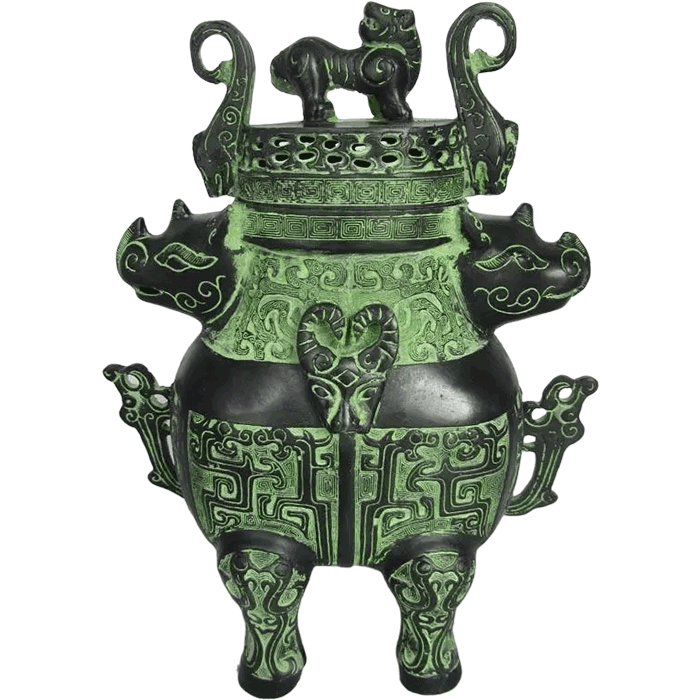
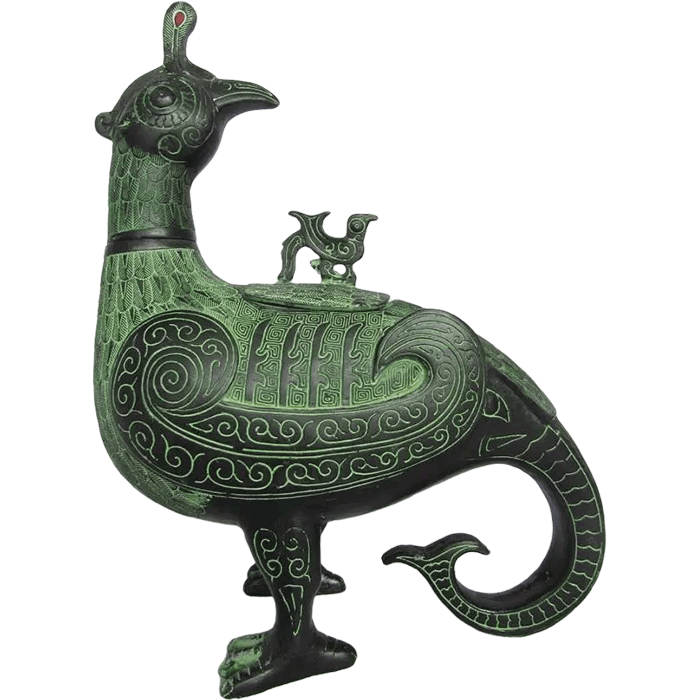
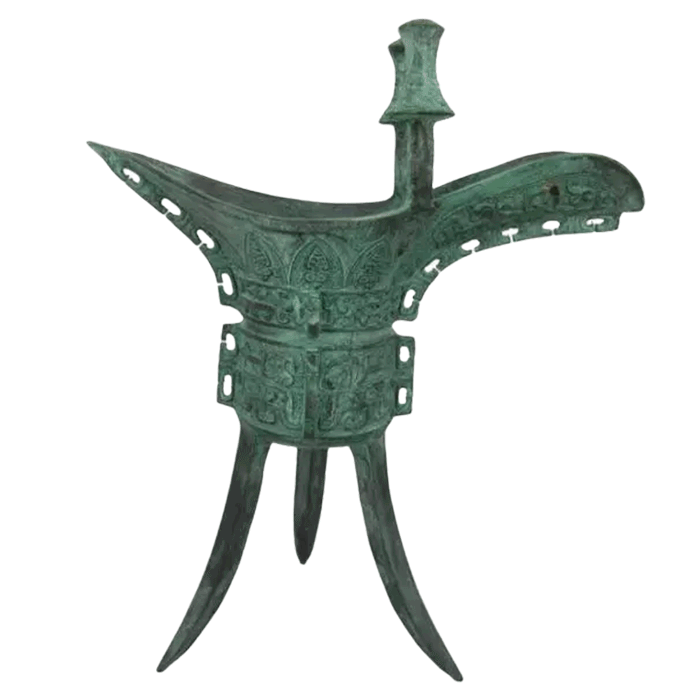
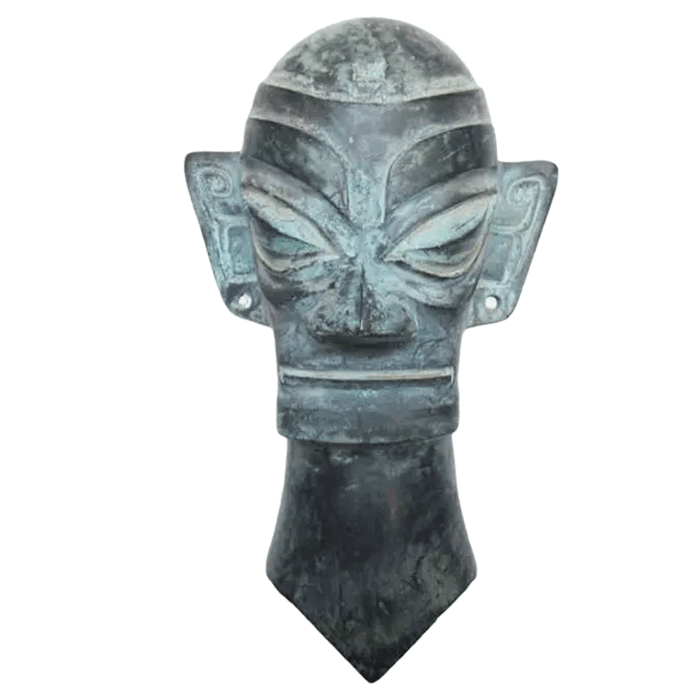
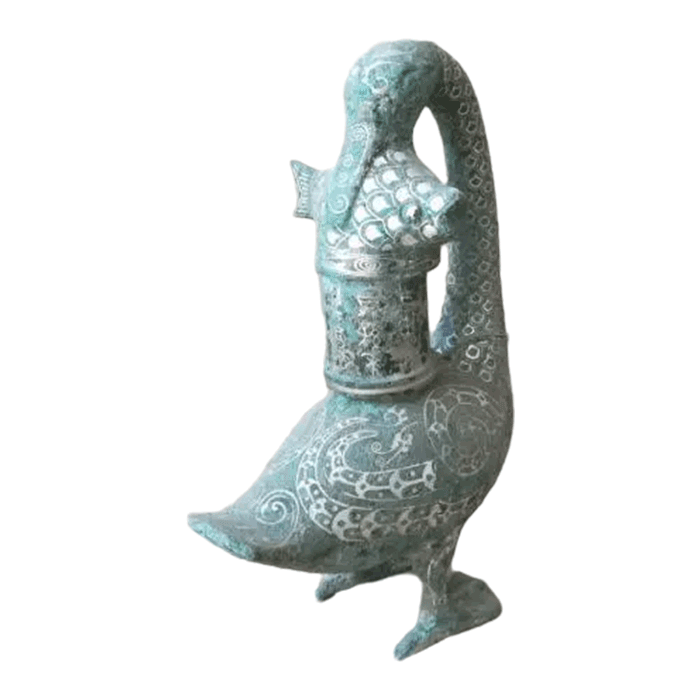
For millennia, bronze has been a medium of immense cultural and artistic significance. From ceremonial vessels that connected ancient dynasties with the heavens to powerful sculptures that captured the spirit of an era, bronze art tells a story of human ingenuity and enduring beauty. Rooted in the rich 3,000-year bronze culture of Luoyang, our craft continues this legacy, merging time-honored techniques with the precision demanded by today's global art market. For collectors, designers, and commercial buyers, understanding the creation process is key to appreciating the value, quality, and artistry inherent in each piece.
The journey from a conceptual design to a finished bronze masterpiece is not one of simple manufacturing; it is a complex and labor-intensive art form. At Luoyang Yichuan Bronze Craft Co., Ltd., we rely on the traditional lost-wax casting method, a technique that has been refined over centuries yet remains the pinnacle of fine art casting for its ability to capture breathtaking detail. This article will guide you through each critical stage of production, revealing the skill, patience, and meticulous attention to detail our master craftsmen invest in every sculpture, vessel, and custom artwork that leaves our foundry.
The Foundation: From Concept to a Perfect Wax Model
Before the first flicker of a furnace, the creation of a bronze sculpture begins with vision and precision. This foundational stage is where the artistic intent is translated into a tangible form, setting the standard for the quality of the final piece. It involves a synergy of artistic design, material science, and master-level sculpting.
Conceptualization and Design
Every project starts with an idea. This could be a client's unique vision for a custom statue, a commission to create an exact replica of a historical artifact, or an original design conceived by our resident artists. For custom projects, this phase is highly collaborative. We work closely with our clients to understand their aesthetic goals, functional requirements, and the specific details they wish to see realized. Detailed drawings, digital renderings, or physical maquettes are developed to ensure the final sculpture will perfectly match the client's expectations. This meticulous planning is the blueprint for success, ensuring that every element, from the overall posture of a figure to the subtle texture of its surface, is defined before the physical work begins.
Material Selection and Master Model Creation
The choice of alloy is fundamental. We utilize a premium bronze alloy, primarily composed of copper and tin (Cu-Sn), renowned for its excellent casting fluidity, strength, and ability to develop a rich, beautiful patina over time. This specific composition allows us to capture the finest details from the original model, ensuring a crisp and faithful reproduction. Understanding the difference between bronze and brass is crucial for appreciating why true bronze is the superior choice for fine art applications.
Once the design is finalized, our master craftsmen create a master model, typically sculpted from clay, plaster, or a modern sculpting medium. This is a purely artistic endeavor where skill and experience are paramount. The sculptor painstakingly shapes the material, breathing life into the design. Every muscle on an animal statue, every fold of drapery on a human figure, and every intricate pattern on a ceremonial vessel is perfectly formed by hand. This original model is the source from which all subsequent casts will be made, and its perfection is non-negotiable.
The Heart of the Process: Traditional Lost-Wax Casting
The lost-wax method, or "cire perdue," is an ancient and revered casting technique. Its enduring use in fine art is a testament to its unparalleled ability to translate intricate models into metal. Our foundry, with its team of over 30 skilled artisans, has perfected this multi-step process, ensuring each stage is executed with expert precision.
1. Creating the Mold and Wax Replica
From the finished master model, a negative mold is created. This is typically made from a flexible silicone rubber, which is applied in layers to the model's surface. The silicone captures every minute detail and texture with perfect fidelity. A rigid outer shell, or "mother mold," made of plaster or fiberglass, is built around the silicone to provide structural support.
Once the mold is cured, it is carefully opened and the original master model is removed. The two halves of the mold are reassembled, and molten wax is poured inside. The wax is swirled to coat the interior surface of the mold evenly. The thickness of this wax layer will become the exact thickness of the bronze walls in the final sculpture. After the wax cools and hardens, the mold is opened to reveal a perfect, hollow wax replica of the original sculpture.
2. Chasing and Spruing the Wax
This hollow wax positive is then handed to a finishing artisan for "chasing." Using heated metal tools and sharp knives, the artisan meticulously inspects the wax copy, removing any seam lines from the mold and refining any details that may have been softened. This is a critical quality control step, as any imperfection left on the wax will be permanently cast in bronze.
Next, a network of wax rods is attached to the model. These are the "sprues," "gates," and "vents." The sprues will form the main channels through which the molten bronze will be poured. The gates direct the metal to all parts of the sculpture, while the vents allow air and gases to escape as the bronze fills the cavity. The design of this circulatory system is a science in itself, requiring deep experience to ensure a complete and flawless cast without air pockets or cold shuts.
3. Building the Ceramic Shell (Investment)
The sprued wax model is then dipped into a tank of ceramic slurry, a liquid mixture of refractory materials. Immediately after dipping, it is coated in a fine refractory sand. This process is repeated multiple times, often eight to twelve times, with successively coarser grades of sand and adequate drying time between each layer. This builds a strong, seamless, and heat-resistant ceramic shell around the wax model, about half an inch thick or more. This shell will become the final mold for the molten bronze.
4. Burnout and Casting
The completed ceramic shell is placed in a kiln and heated to a high temperature. This serves two purposes. First, the wax inside melts and drains out through the channels created by the sprues, leaving a perfectly hollow cavity (hence the name "lost wax"). Second, the intense heat fires and cures the ceramic shell, making it exceptionally strong and ready to receive the molten metal. The shell is then removed from the kiln, still hot, and placed in a sandpit, ready for the pour.
In a dramatic and pivotal moment, the bronze alloy is heated in a crucible to over 1100°C (2000°F). The glowing, liquid metal is then carefully and steadily poured into the hot, empty ceramic shell. The preheating of the shell helps the bronze flow into every crevice before it begins to cool. This step demands skill, courage, and precision from our bronze-casting masters.
The Art of Finishing: From Raw Casting to Lustrous Artwork
Once the bronze has cooled and solidified, the ceramic shell is carefully hammered and chiseled away in a process called "divesting." What emerges is a raw bronze casting, a faithful metal replica of the wax model, complete with the spruing system still attached. This is where the final, highly skilled phase of artistry begins, transforming the rough metal into a polished work of art.
Chasing, Welding, and Polishing
The sprues and gates are cut off from the main sculpture. The marks left behind are ground down. Then, the meticulous process of "metal chasing" begins. Using a variety of hammers, chisels, grinders, and files, our finishing artisans go over every inch of the bronze surface. They remove any remaining imperfections from the casting process, re-texture surfaces, and sharpen details to match the original master model perfectly. For large-scale sculptures cast in multiple sections, this is also when the pieces are expertly welded together. The weld seams are then chased so skillfully that they become completely invisible to the eye.
Following the chasing, the sculpture is polished. Depending on the desired final look, this can range from a light sandblasting to achieve a matte texture to a multi-stage sanding and buffing process that creates a brilliant, mirror-like finish.
The Magic of Patination
Patination is the process of coloring the bronze. A patina is not a paint or a coating; it is a controlled chemical reaction induced on the surface of the metal. Our artisans apply various chemicals and use torches to heat the bronze, accelerating the natural oxidation process to create a stunning range of colors and effects. From the classic green and blue-green verdigris of ancient artifacts to rich, deep browns, blacks, and even reds, the possibilities are vast. This is where the final character of the piece is defined. One of our core strengths is achieving consistent patina color matching, a critical requirement for clients ordering sets or bulk production runs of chinese bronze sculpture. Each piece is finished by hand, ensuring a unique yet consistent artistic touch.
Quality, Capacity, and Commitment to Our B2B Partners
The entire, intricate process of creating fine chinese green bronzes is governed by our ISO 9001 certified quality management system. This ensures that from the initial design to the final protective wax coating, every step meets a rigorous international standard of excellence. Our 3,000-square-meter production facility has an annual output of over 50,000 bronze art pieces, demonstrating our capacity for large-scale projects.
We understand the pain points of sourcing high-quality bronze art. Our process directly solves these challenges:
- Exact Replication: The lost-wax method ensures that replicas of antique bronzes are captured with the highest fidelity.
- Color Consistency: Our master patineurs possess the expertise to ensure color and finish are consistent across entire production runs.
- Safe Delivery: We utilize export-compliant protective packaging designed to safeguard even the most fragile sculptures during international transit.
Furthermore, we offer unparalleled flexibility. We support projects ranging from a single prototype to large bulk orders, with a Minimum Order Quantity (MOQ) starting from just one piece for custom sculptures. Every single artwork undergoes a thorough quality inspection before shipment, and we stand behind our craftsmanship with a free replacement policy for any casting defects and provide after-sales support for patina touch-ups and restoration guidance. When you decide to customize a bronze sculpture from sculpmart.com, you are partnering with a foundry dedicated to your success.
The creation of a bronze masterpiece is a testament to the enduring power of human craftsmanship. It is a dance between ancient tradition and modern quality control, resulting in art that is not only beautiful but built to last for generations. This commitment to process and quality is what defines the legacy of Luoyang and the promise of Luoyang Yichuan Bronze Craft Co., Ltd.