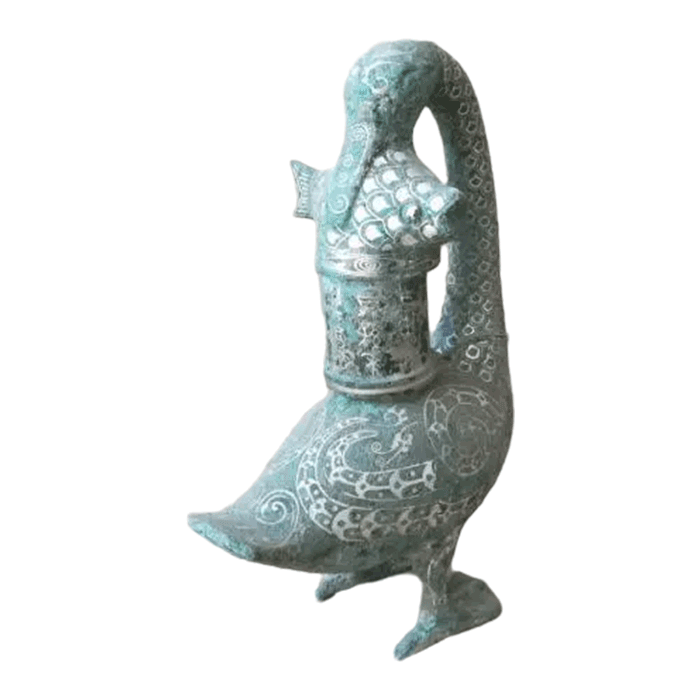
Understanding Lost Wax Bronze Castings
Navigating Direct and Indirect Methods for Superior Lost Wax Bronze Castings
The creation of bronze art, from intricate sculptures to historical replicas, relies heavily on the ancient yet enduring process known as lost-wax casting. This sophisticated technique allows for the reproduction of fine details and complex forms that would be impossible with other methods. For clients seeking high-quality bronze pieces, understanding the distinctions between direct and indirect Lost Wax Bronze Castings is crucial. Each approach offers unique advantages, catering to different project requirements, whether you need a singular, original artwork or a series of meticulously replicated editions.
At Luoyang Yichuan Bronze Craft Co., Ltd., we specialize in both methodologies, leveraging centuries of tradition alongside modern quality control to deliver exceptional results. Our facility in Yichuan County, Luoyang, Henan Province, spanning 3,000 square meters, is home to over 30 skilled craftsmen, including revered bronze-casting masters and finishing artisans. This expertise ensures that every project, from a single custom prototype to bulk production runs exceeding 50,000 pieces annually, meets the highest standards of artistry and durability.
The Enduring Legacy of Lost-Wax Bronze Casting
Lost-wax casting, or cire-perdue, is a metallurgical process dating back thousands of years. It involves creating a mold around a wax model, which is then melted away, leaving a cavity into which molten bronze is poured. This method is celebrated for its ability to capture the most delicate textures and precise forms, making it the preferred technique for artists, collectors, and institutions worldwide.
The longevity of the lost-wax method speaks to its effectiveness and versatility. It is the foundation upon which masterpieces, both ancient and contemporary, are built. Our commitment to this traditional craft, combined with an ISO 9001 quality management system certification, ensures that our products not only comply with export quality inspection standards for art crafts but also embody the timeless essence of bronze artistry. We work with premium bronze alloy (Cu-Sn), renowned for its strength, workability, and ability to achieve a beautiful patina.
The Direct Method: Crafting Unique Bronze Masterpieces
The direct lost-wax casting method is often chosen for creating one-of-a-kind original sculptures where the artist's initial model is made directly in wax. This technique is particularly intimate, as the artist works directly with the material that will ultimately form the core of the casting process. The defining characteristic of the direct method is that the original wax model is destroyed during the process, making each cast piece truly unique and non-reproducible from that specific model.
Process Overview:
- Wax Modeling: The artist sculpts the desired piece directly in wax. This can be a solid block of wax or a wax armature built around a core. Every detail, texture, and nuance intended for the final bronze must be meticulously rendered in this wax model.
- Spruing and Venting: Wax rods (sprues) are attached to the model to create channels for molten bronze to flow in, and for air and gases to escape (vents). A pouring cup is also formed at the top.
- Investment: The sprued wax model is then encased in a refractory material, typically a ceramic shell or plaster-silica mixture. This investment material hardens around the wax, capturing every detail.
- Burnout (Lost Wax): The entire mold is heated in a kiln. The wax melts and drains out through the sprues, leaving a precise negative cavity of the original sculpture. This is where the term "lost wax" originates.
- Casting: Molten bronze, heated to specific temperatures, is poured into the pre-heated mold, filling the cavity left by the lost wax.
- Breakout and Finishing: Once the bronze cools and solidifies, the investment mold is carefully broken away, revealing the rough bronze casting. The sprues and vents are cut off, and the surface undergoes hand chasing, polishing, and the application of a desired patina.
Advantages of the Direct Method:
- Unparalleled Originality: Each piece is truly unique, as the original wax model is consumed in the process. This makes it ideal for singular artistic statements.
- Direct Artistic Expression: Allows artists to work directly in wax, maintaining a close connection to the original form and texture.
- Intricate Detail: Excellent for capturing fine details and textures directly from the wax.
Considerations for the Direct Method:
- No Reproducibility: Not suitable for creating multiple identical copies or limited editions.
- Higher Risk: If the casting fails, the original model is lost, requiring the artist to recreate it from scratch.
The direct method is often chosen for custom bronze artworks where the client desires a unique, handcrafted piece. Our expertise in customize a bronze sculpture from a single prototype means we can bring highly individual visions to life with this direct approach, ensuring every detail of the original design is perfectly translated into bronze.
The Indirect Method: Achieving Precision in Replications and Editions
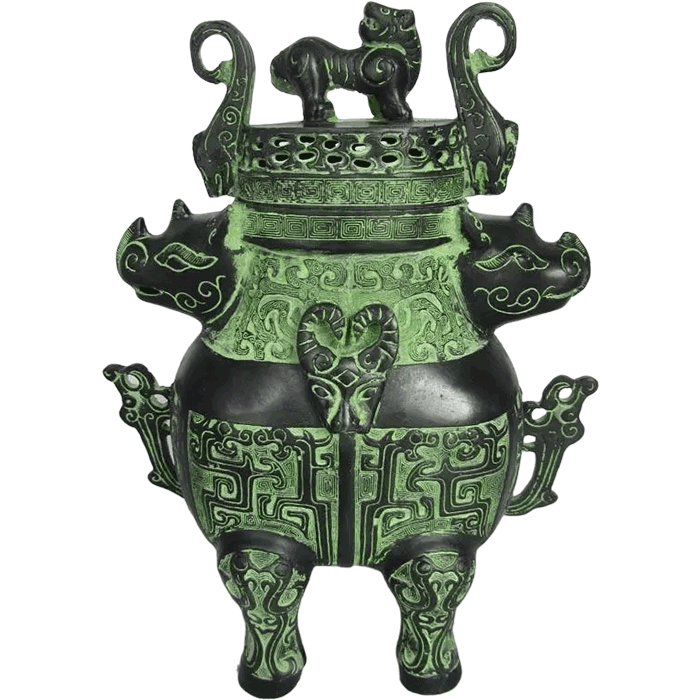
The indirect lost-wax casting method is employed when multiple identical copies of a sculpture are required, or when the original model needs to be preserved. This is the preferred method for creating limited editions, exact replicas of existing artworks—including chinese bronze antique pieces—and for models too delicate or complex to be directly sculpted in wax.
Process Overview:
- Original Model Creation: An original sculpture is created in a durable material (e.g., clay, plaster, wood). This model is preserved.
- Mold Making: A flexible, multi-piece mold (typically silicone rubber backed by a rigid plaster or fiberglass mother mold) is made from the original model. This mold captures every nuance of the original and can be reused multiple times.
- Wax Positive Creation: Molten wax is poured into the flexible mold. Once cooled, the wax "positive" is removed. This wax positive is an exact replica of the original sculpture. Multiple wax positives can be created from the same mold.
- Spruing and Venting: Similar to the direct method, sprues and vents are attached to the wax positive(s). For editions, multiple wax pieces might be assembled onto a "tree" for simultaneous casting.
- Investment: The sprued wax positive(s) are then coated with a ceramic slurry and sand, building up a durable ceramic shell mold.
- Burnout (Lost Wax): The ceramic shell is heated in a kiln, melting out the wax and leaving a precise negative cavity.
- Casting: Molten bronze is poured into the pre-heated ceramic shell mold.
- Breakout and Finishing: After cooling, the ceramic shell is broken away. The bronze casting undergoes cutting, welding (if necessary), hand chasing, polishing, and patina application.
Advantages of the Indirect Method:
- Reproducibility: Allows for the creation of multiple identical copies, perfect for limited editions or series.
- Preservation of Original: The original model remains intact, ensuring it can be used for future molds or as a standalone piece.
- Consistency: Ensures high consistency in detail and form across an entire edition. This is critical for exact replication of antique bronzes and consistent patina color matching across pieces.
- Scalability: Suitable for larger production runs, aligning with our annual output of over 50,000 bronze art pieces.
Considerations for the Indirect Method:
- Initial Mold Cost: The creation of the flexible mold can be an upfront cost, making it less economical for a single, non-reproducible piece.
- More Steps: The process involves more stages than the direct method, potentially increasing lead time for the initial piece.
For clients requiring precise replications of bronze statues with different themes or large-scale editions, the indirect method is indispensable. Our capacity to manage high-volume production while maintaining stringent quality checks before every shipment ensures that each piece in an edition is flawless.
Strategic Selection: Aligning Your Project with the Ideal Casting Method
Choosing between the direct and indirect lost-wax casting methods depends entirely on your project's objectives, budget, and desired outcome. Understanding these distinctions helps in making informed decisions for your bronze art sourcing needs.
Key Decision Factors:
- Project Type:
- Unique Original: If the goal is a singular work of art where the initial model can be sacrificed, the direct method offers a more immediate and personal artistic connection.
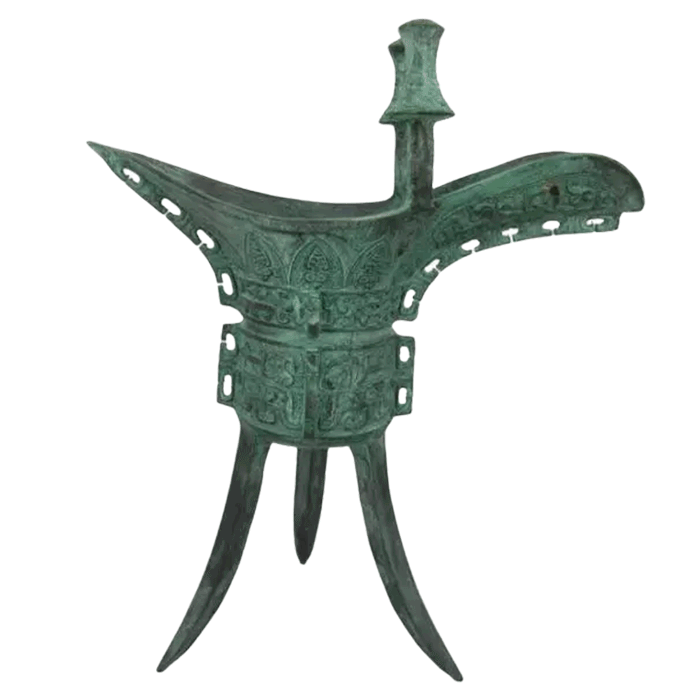
- Replication/Edition: For multiple copies, limited editions, or exact replicas of existing pieces (like ancient chinese bronze wine vessel), the indirect method is essential for consistency and preservation of the original.
- Detail and Form: Both methods excel at capturing intricate details. The indirect method offers an advantage in replicating complex forms identically across multiple pieces.
- Budget and Timeline: The initial setup for an indirect mold can be more costly, but it becomes more economical per piece for larger editions. The direct method avoids this initial mold cost but sacrifices reproducibility.
- Artistic Intent: Does the artist prefer working directly in wax, or is the original model in another medium that needs to be preserved?
Regardless of the chosen method, the final stages of bronze casting are critical for the aesthetic appeal and longevity of the artwork. We offer comprehensive finishing services, including expert hand chasing to refine details, meticulous polishing to achieve desired lusters, and a range of patina finishes. Whether you seek an antique look that evokes historical grandeur or a modern finish with contemporary flair, our artisans can achieve consistent patina color matching, a common pain point for many clients.
Unwavering Commitment to Quality in Lost Wax Bronze Castings
At Luoyang Yichuan Bronze Craft Co., Ltd., our dedication to quality permeates every stage of the lost-wax casting process. Our adherence to the ISO 9001 quality management system is not merely a certification; it is a testament to our systematic approach to excellence. Every product complies with rigorous export quality inspection standards for art crafts, ensuring that our bronze creations stand the test of time and travel.
Our commitment extends beyond the production line. We conduct thorough quality inspection before every shipment, ensuring that each piece meets your specifications and our high standards. In the rare event of casting defects, we offer free replacement, underscoring our confidence in our craftsmanship. Furthermore, our after-sales support includes guidance for patina touch-ups and restoration, ensuring your investment remains pristine for generations. This holistic approach to quality and customer satisfaction is what distinguishes us as a reliable partner in the bronze art industry.
Your Partner for Exceptional Bronze Artistry
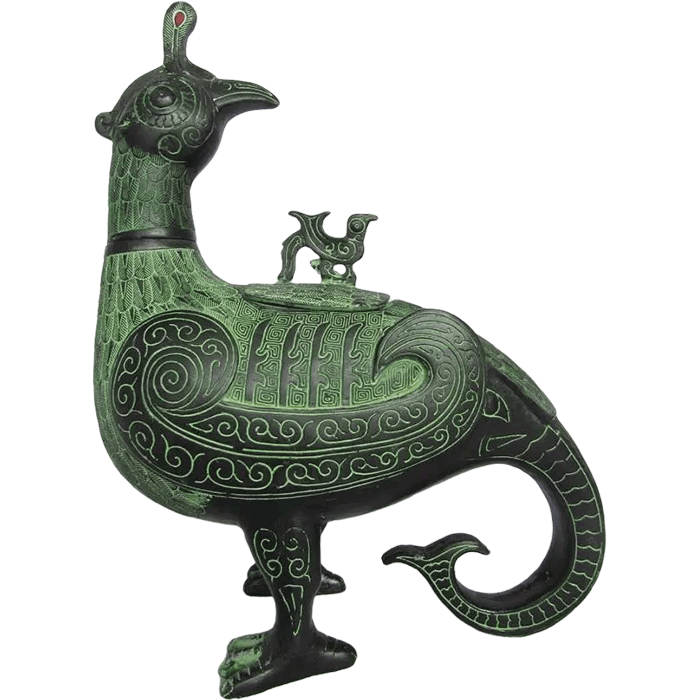
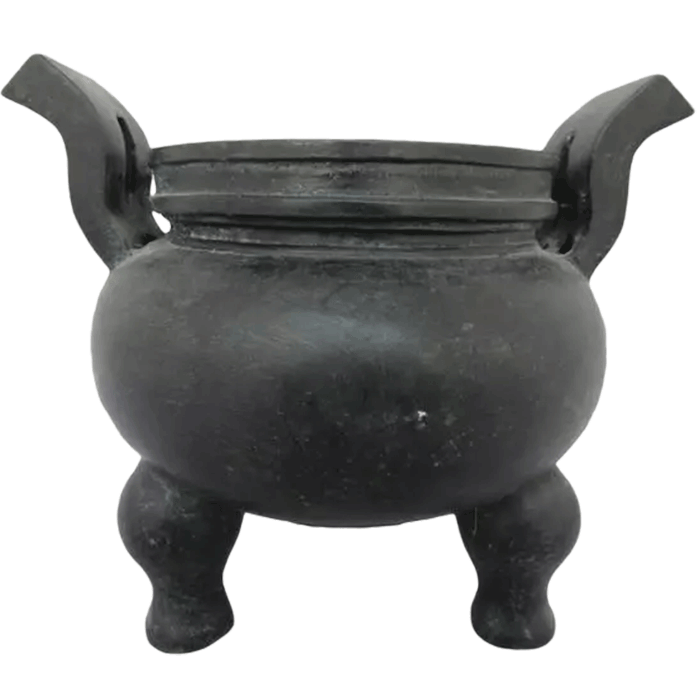
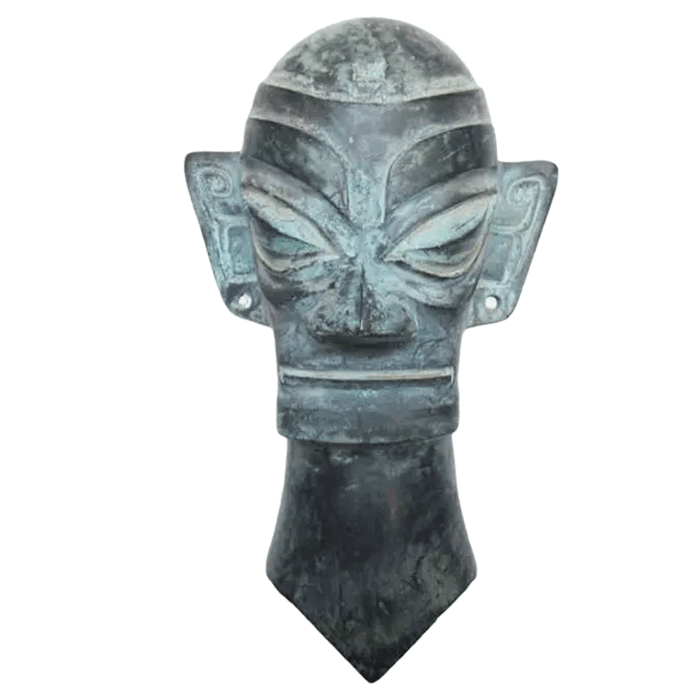
From the initial design consultation to the final export-compliant protective packaging for fragile sculptures, Luoyang Yichuan Bronze Craft Co., Ltd. provides comprehensive solutions for your bronze art needs. Our extensive experience in various product categories—including animal bronze statues, human figures, ceremonial vessels like ding, zun, and hu tripods, as well as bronze mirrors, incense burners, and Buddhist statues—positions us as a versatile and capable partner.
Our minimum order quantity (MOQ) starts from 1 piece for custom sculptures, demonstrating our flexibility to support projects of all scales. For bulk orders, pricing is negotiable based on size and design complexity, ensuring competitive rates for large-scale commissions. With a rich heritage in bronze craftsmanship and a forward-thinking approach to production and quality, we are equipped to transform your artistic visions into tangible, enduring bronze realities.
Whether your project demands the unique character of direct lost-wax casting or the precise reproducibility of the indirect method, our team possesses the expertise and infrastructure to deliver exceptional about scultmart. We solve common custom bronze art sourcing pain points by offering exact replication capabilities, consistent patina color matching, and robust packaging solutions designed for international transit. Partner with us to achieve unparalleled quality and artistry in your next bronze venture.