Understanding Chinese Bronze Artware Motifs and Symbolism
Decoding the Language of Power and Prestige in Chinese Bronze Artware
For millennia, Chinese bronze ritual vessels, statues, and decorative objects have been more than just functional items or beautiful art; they are a complex visual language. The intricate motifs and symbols cast into their surfaces communicate profound ideas about power, spirituality, social status, and the relationship between humanity and the cosmos. For art buyers, interior designers, and purveyors of cultural gifts, understanding this symbolic language is crucial for selecting pieces that resonate with their intended audience and purpose.
These ancient designs are not random embellishments. Each swirl, animal figure, and geometric pattern was carefully chosen to imbue the object with specific meaning and power. From the formidable gaze of the Taotie mask to the promise of rebirth in the cicada, the motifs on Chinese bronze artware offer a direct connection to the belief systems of the Shang and Zhou dynasties. This guide delves into the most significant motifs, providing the context needed to make informed sourcing decisions for collections, decor, or high-end corporate gifts.
The Foundations of Bronze Age Symbolism: Ritual and Authority
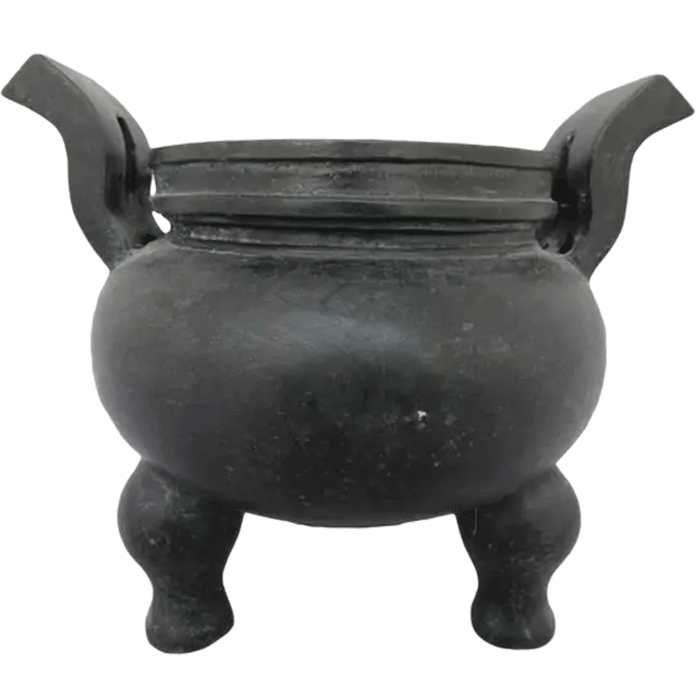
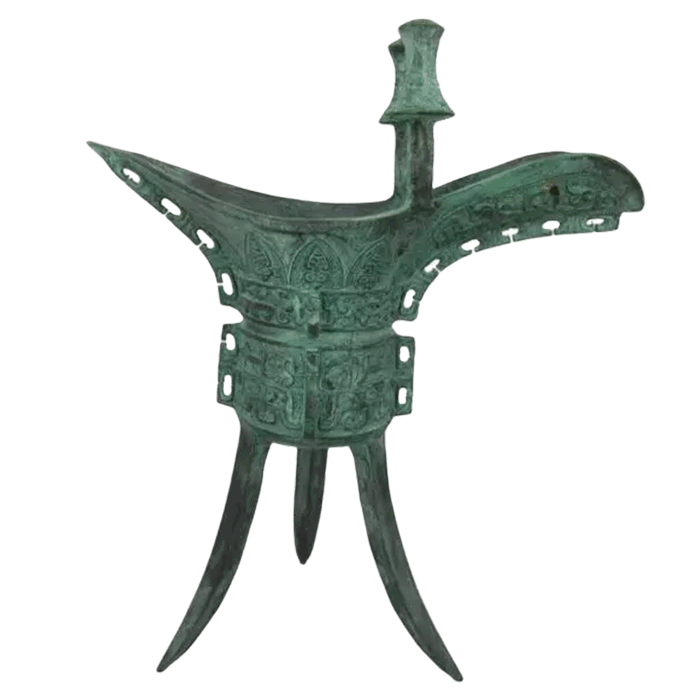
The primary function of early Chinese bronzes, particularly during the Shang (c. 1600–1046 BCE) and Zhou (c. 1046–256 BCE) dynasties, was ritualistic. Bronze vessels like the ding (cauldron), zun (wine vessel), and hu (vase) were used in elaborate ceremonies to offer food and wine to ancestors and deities. The belief was that appeasing these spirits would ensure bountiful harvests, victory in battle, and the continued prosperity of the clan or state.
Consequently, the decorative motifs were designed to be awe-inspiring and spiritually potent. They served several key purposes:
- Awe and Mystery: The abstract and composite nature of many creatures was intended to create a sense of otherworldliness, commanding respect and fear from participants in the rituals.
- Spiritual Intercession: Certain animal motifs were believed to act as intermediaries or guardians, capable of communicating between the human and spirit realms.
- Demonstration of Power: The ability to commission and own these bronzes was a direct reflection of wealth and power. The complexity of the casting and the preciousness of the metal itself made each piece a significant status symbol, a tradition that continues in modern high-end decorative arts.
Understanding this ritualistic origin is the first step in appreciating why these patterns have endured for over 3,000 years, continuing to be a cornerstone of classic Chinese visual culture. You can learn more about the evolution of bronze culture over 2000 years and its deep historical roots.
Key Animal Motifs and Their Meanings
Animals, both real and mythical, are the most prominent decorative elements on ancient bronzes. These were not simple depictions of nature but highly stylized representations loaded with symbolic weight.
The Taotie (饕餮): The Enigmatic Gluttonous Mask
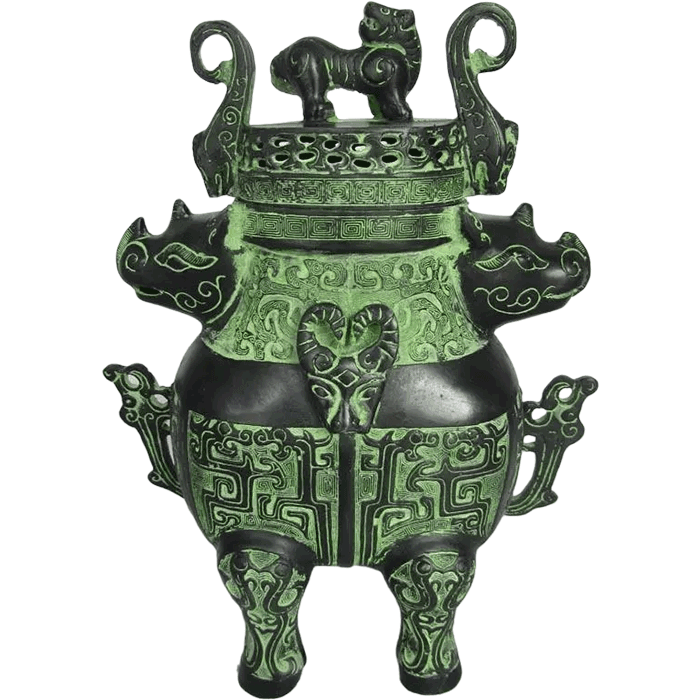
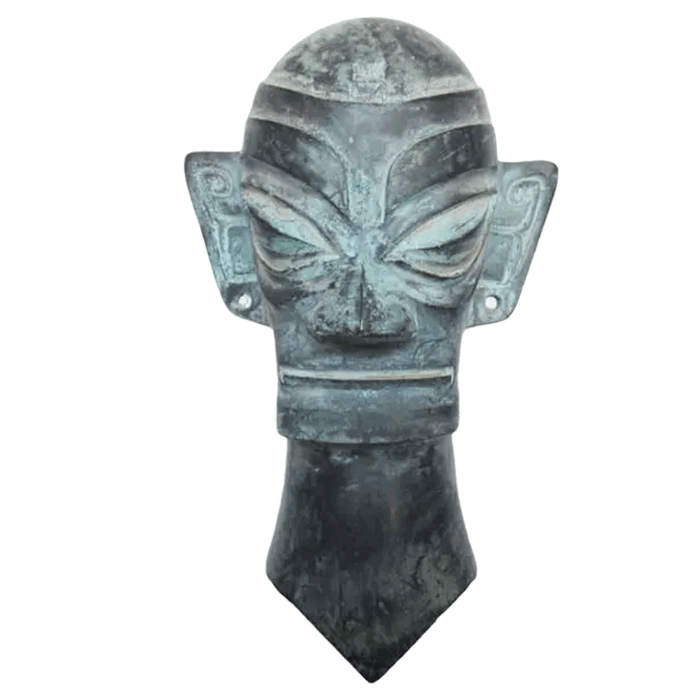
Perhaps the most iconic and mysterious motif is the Taotie. It is a frontal mask-like design, characterized by a pair of large, staring eyes, and often featuring horns, fangs, and a jaw, but typically no lower body. Its exact meaning is still debated by scholars, but several theories prevail:
- A Guardian Figure: The fierce, intimidating appearance suggests a protective function, warding off evil spirits from the ritual or the tomb it was placed in.
- A Warning Against Greed: Later texts describe the Taotie as a gluttonous monster, and the motif may have served as a moral warning against overindulgence.
- A Shamanic Connection: The mask-like face could be related to shamanism, representing a spirit animal or a transformative state between man and beast, a bridge to the supernatural world.
For modern applications, a piece featuring a Taotie motif conveys a sense of immense power, authority, and ancient mystery. It is a bold statement, ideal for a centerpiece in a corporate lobby or a private study.
The Dragon (Long, 龍): Power, Luck, and Transformation
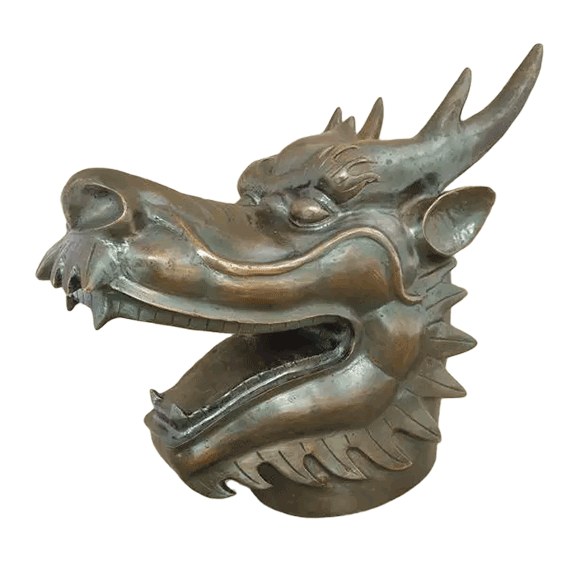
The dragon is a ubiquitous symbol in Chinese culture, and its origins can be traced back to these early bronzes. The bronze-age dragon, often called a kui dragon, was typically depicted in profile as a serpentine creature, sometimes with one leg. It symbolized cosmic energy, transformation, and the life-giving power of rain and water. As a symbol of the emperor, the dragon represents the ultimate in celestial power, good fortune, and strength. A sculpture featuring a dragon is an excellent choice for a gift intended to wish someone success, power, and prosperity. A wide variety of bronze statues with different themes, including powerful dragons, can be sourced for this purpose.
The Phoenix (Fenghuang, 鳳凰): Virtue and Good Omen
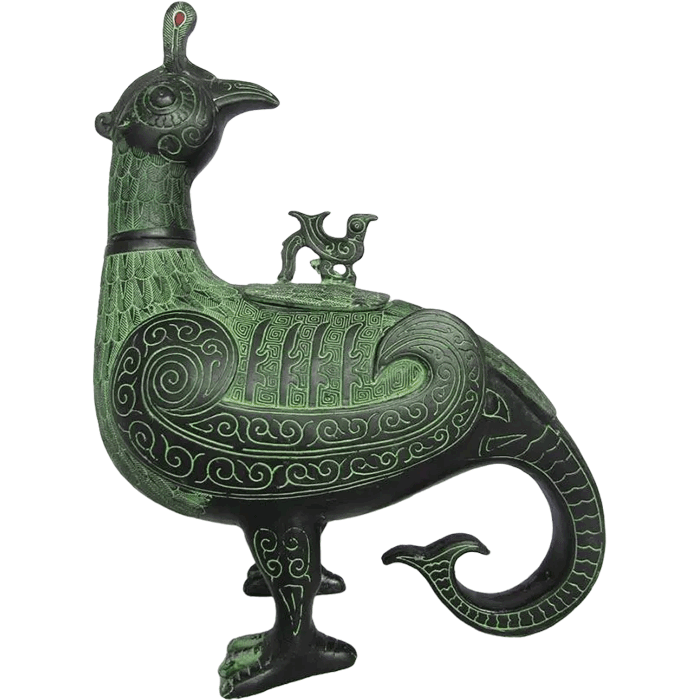
The Fenghuang is a mythical bird often compared to the Western phoenix. It is a composite creature, combining features of several birds like the peacock and pheasant. Unlike the dragon, which is associated with masculine (yang) power, the phoenix represents feminine (yin) energy, beauty, and good fortune. Its appearance was believed to signal a period of peace and prosperity under a virtuous ruler. Pieces decorated with the phoenix motif are perfect for conveying messages of harmony, grace, and auspicious beginnings.
The Cicada (蝉): Rebirth and Immortality
The cicada is a powerful symbol of resurrection and eternal life. Ancient Chinese observers noted the insect's life cycle—spending years underground as a nymph before emerging and flying away—as a metaphor for transformation and rebirth. For this reason, cicada-shaped jades were often placed in the mouths of the deceased. On bronzes, the cicada motif represents continuity, high status, and the hope for an afterlife. It's a subtle yet profound symbol, suitable for objects meant to commemorate a legacy or celebrate enduring success.
Geometric Patterns and Abstract Designs
Beyond the zoomorphic designs, the surfaces of Chinese bronzes are often filled with intricate geometric patterns that add texture and symbolic depth.
The Thunder Pattern (Leiwen, 雷紋)
The most common filler pattern is the leiwen, a design of repeating spirals and squared-off swirls. As its name suggests, it is believed to represent thunder and, by extension, the clouds and rain essential for agriculture. It symbolizes life-giving energy and the rolling power of nature. This pattern often serves as a background for the main animal motifs, creating a rich, textured surface that hums with symbolic energy. The ability to render this intricate pattern with consistency is a hallmark of skilled craftsmanship.
Other Abstract Elements
Other patterns include nipple-like bosses arranged in rows, which may symbolize stars or fertility, and various forms of volutes, squares, and meanders. These elements were not merely decorative; they worked in concert with the primary motifs to create a complete cosmological picture on the surface of the vessel, making it a microcosm of the spiritual world.
Sourcing and Customizing Authentic Bronze Replicas
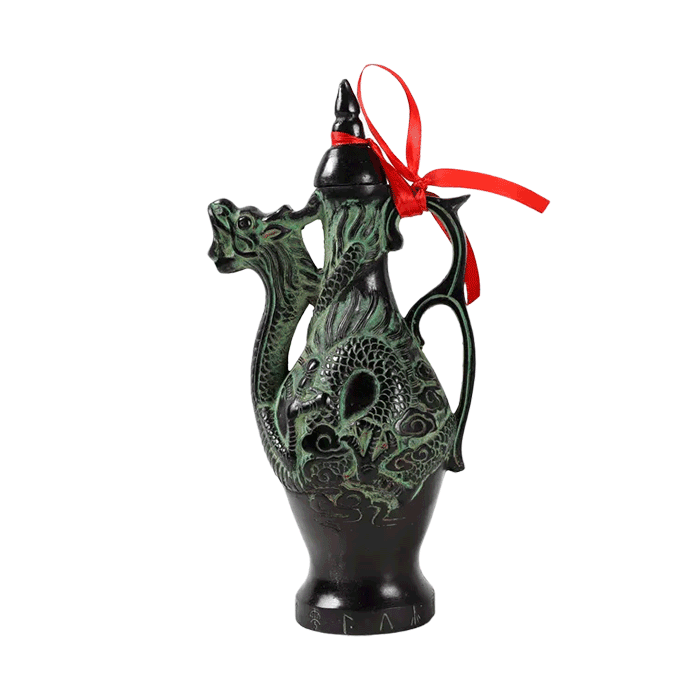
For businesses seeking to source high-quality reproductions or custom pieces inspired by these ancient traditions, understanding the motifs is only the first step. The next is finding a manufacturing partner who can faithfully replicate the artistry and symbolic intent of the originals. The creation of museum-quality Chinese bronze artware requires a deep understanding of both the art history and the technical craft.
The traditional lost-wax casting method, the same technique used for millennia, remains the gold standard for achieving the fine detail required for these complex designs. This process, combined with meticulous hand-chasing and polishing by skilled artisans, is essential to bring the Taotie's fierce gaze or the delicate lines of a leiwen pattern to life. At Luoyang Yichuan Bronze Craft Co., Ltd., our team of over 30 skilled craftsmen, including bronze-casting masters, specializes in this time-honored process.
One of the primary challenges in sourcing such pieces is ensuring authenticity and quality. Common pain points include inaccurate replication of antique designs and inconsistent patina color matching. We address these issues directly through a rigorous, ISO 9001 certified quality management system. Every piece undergoes a thorough inspection before shipment to ensure it meets export quality standards. We solve the challenge of authenticity by employing artisans who can execute exact replications, ensuring every symbolic detail is captured with precision.
Choosing the Right Motif for Your Needs
Selecting the appropriate piece of Chinese bronze artware depends on its intended message and audience.
- For Corporate Environments: Motifs like the dragon and Taotie project strength, authority, and protection. A large ding cauldron in a reception area makes a powerful statement about the company's stability and gravitas.
- For Cultural and Hospitality Gifts: The phoenix and cicada are excellent choices, symbolizing harmony, good fortune, and enduring success. A beautifully crafted bronze mirror or incense burner with these motifs makes for a sophisticated and meaningful gift.
- For Custom Projects: The ability to commission a unique piece opens up endless possibilities. Whether it's a specific mythological scene or a combination of auspicious symbols, a custom sculpture can tell a unique story. We support this with a flexible MOQ starting from just one piece for custom prototypes, allowing you to develop a unique product line without a massive initial investment. When you need to customize a bronze sculpture from sculpmart.com, our team can guide you in selecting motifs that align with your project's goals.
By understanding the rich symbolic vocabulary of these ancient bronzes, you can select or create pieces that do more than just decorate a space—they communicate a legacy of power, artistry, and profound cultural meaning.