Traditional Chinese Home Decor by Room Guide
A Room-by-Room Guide to Choosing Traditional Chinese Home Decor
For importers, hospitality buyers, and interior-project purchasers, selecting bronze furnishings is not simply a matter of choosing visually attractive objects. Each space has different requirements for scale, circulation, atmosphere, durability, and display conditions. A monumental bronze sculpture may create a strong focal point in a hotel lobby but overwhelm a private residence. A small incense burner may suit a tea room or boutique guest suite but require careful placement in a high-traffic public area.
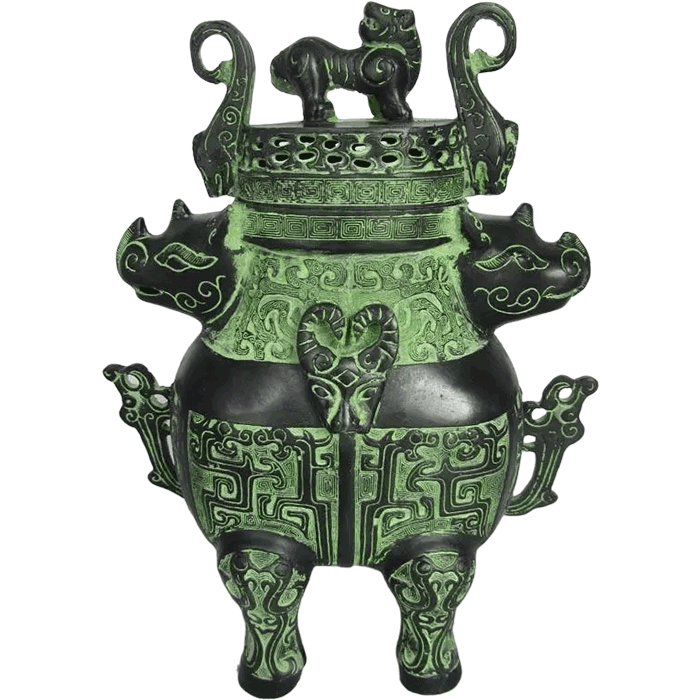
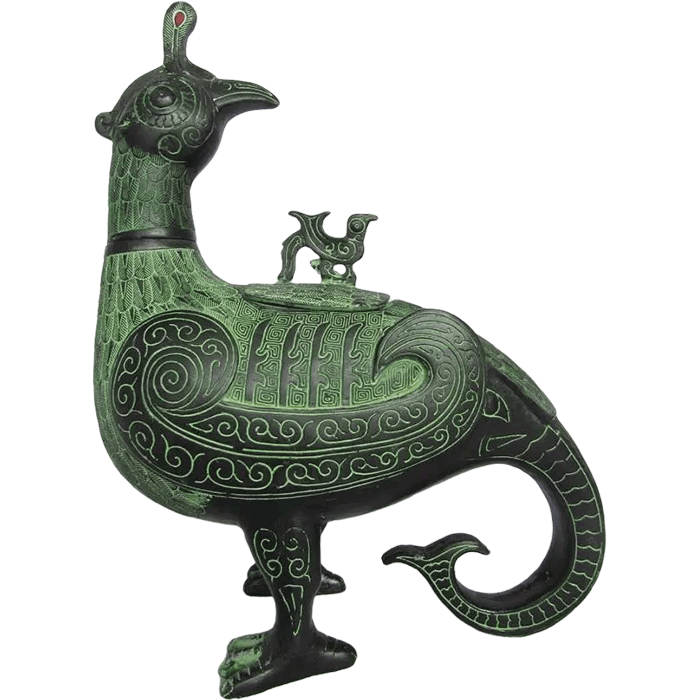
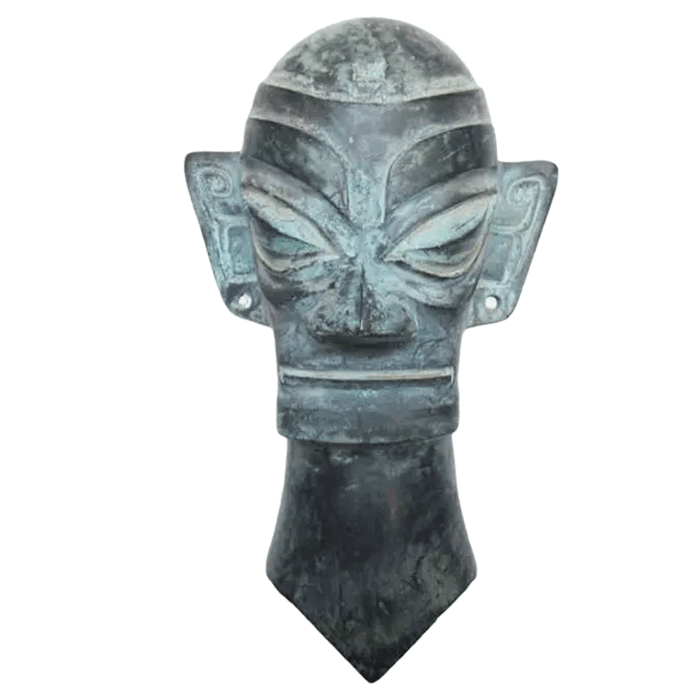
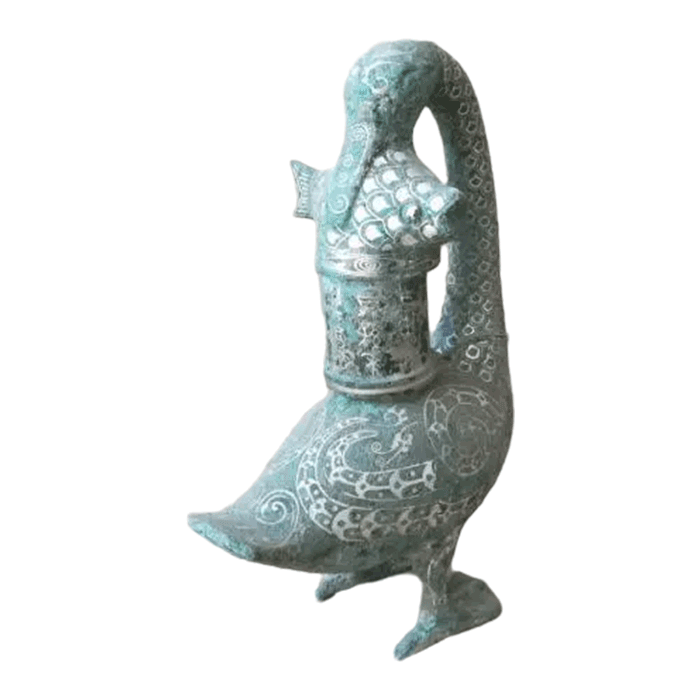
Traditional Chinese Home Decor can bring material depth, cultural character, and long-term visual value to residential and commercial interiors. Bronze is especially suitable for projects that need substantial decorative accents rather than lightweight, short-life accessories. Buyers can choose from human and animal statues, ding vessels, zun vessels, hu vases, bronze mirrors, incense burners, Buddhist statues, and fully custom bronze artworks according to the role of each room.
A successful room-by-room purchasing plan begins with three questions: What is the room’s primary function? Where will visitors first see the object? How large, durable, and detailed should the artwork be for its intended environment? The following guide helps buyers compare bronze decor categories before developing a product assortment or project specification.
Plan Traditional Chinese Home Decor Around Function and Viewing Distance
Before choosing individual pieces, divide the project into functional zones. Entrance areas require immediate visual impact and clear circulation. Living rooms benefit from a central focal point balanced by smaller objects. Dining spaces need low-profile pieces that do not obstruct conversation. Bedrooms generally call for quieter, more restrained accents. Hospitality properties may require repeated design language across lobbies, corridors, suites, restaurants, and private rooms.
Viewing distance is equally important. A finely chased bronze mirror or small vessel can reward close inspection from one to two meters away. Large animal sculptures and standing human statues should retain their visual strength from across a lobby, courtyard, or reception space. When purchasing for a hotel or public venue, consider sightlines from doors, seating areas, elevators, and main circulation routes.
- Large spaces: Select sculptures, oversized vessels, or grouped arrangements with substantial visual mass.
- Medium spaces: Use one principal bronze piece supported by complementary tabletop or wall-mounted items.
- Small spaces: Prioritize compact incense burners, mirrors, small vessels, or a single carefully positioned figure.
- High-traffic zones: Specify stable bases, protected placement, and export-compliant packaging for delivery.
- Guest-facing interiors: Choose finishes that align with the project’s broader color palette and maintenance plan.
Purchasers should also decide whether the room needs an antique-inspired visual direction or a cleaner contemporary bronze treatment. Traditional lost-wax casting supports detailed forms, while hand chasing, polishing, and patina finishing can help align a bronze object with either a classic or modern interior concept.
Choose Statement Pieces for Entryways and Hotel Lobbies
An entryway introduces the character of a home, showroom, restaurant, or hospitality property. This is often the best location for a prominent bronze object because visitors can appreciate it before they become engaged with furniture, table settings, or other decorative layers. For private villas, a single sculpture on a pedestal may be sufficient. For hotel lobbies and larger commercial reception zones, buyers may specify a pair of coordinated statues, a large vessel display, or a custom centerpiece.
Animal statues are effective for entrance placement because their silhouettes remain recognizable at a distance. Human sculptures can create a more formal or artistic arrival experience, particularly when positioned against a plain wall, niche, or architectural backdrop. Buyers evaluating bronze statues with different themes should compare the proposed sculpture height with the ceiling height, door width, furniture scale, and available clearance around the base.
Entryway Selection Checklist
- Leave adequate walking space around freestanding sculptures.
- Use a base or plinth proportionate to the sculpture’s height and weight.
- Place detailed objects where lighting reveals relief, texture, and patina variation.
- Consider paired pieces for symmetrical entrances and formal reception spaces.
- Confirm the final installation location before approving packaging dimensions.
For project buyers, a custom bronze artwork can also incorporate a preferred silhouette, size, surface treatment, or visual reference. This is particularly valuable when a design scheme requires an object that fits a fixed niche, pedestal, or architectural opening. Luoyang Yichuan Bronze Craft Co., Ltd. supports custom work from a single prototype to bulk production runs, with MOQ starting from one piece for custom sculptures.
Create Balanced Living Rooms with Sculptures, Mirrors, and Vessels
Living rooms require balance. The space should feel curated without becoming crowded, especially when bronze decor is combined with wood furniture, stone flooring, textiles, art books, ceramics, or contemporary lighting. Rather than filling every surface, choose one primary piece and several supporting accents with related finishes or forms.
A bronze human statue or animal sculpture can act as the main focal point beside a fireplace, in front of a feature wall, or at the end of a seating arrangement. Smaller bronze vessels can be placed on consoles, display cabinets, or sideboards. Bronze mirrors work well where a wall needs decorative presence but floor space is limited. Their reflective surface can also help expand the perceived depth of a room when positioned to capture light or a carefully composed view.
Buyers can use a collection of Chinese bronze sculpture styles to create a layered display, but the arrangement should maintain a clear hierarchy. A large object should remain the primary visual anchor, while smaller vessels and mirrors should support rather than compete with it.
A Practical Living Room Formula
- Select one focal object, such as a sculpture, large hu vase, or substantial ding vessel.
- Add one vertical element, such as a bronze mirror or tall vessel, to prevent the arrangement from feeling low and flat.
- Use one or two smaller accents on a console or display shelf.
- Coordinate patina tones with nearby wood, stone, metal, and upholstery colors.
- Leave open surfaces around the bronze items so their details remain visible.
For repeated residential developments or furnished apartment projects, a limited number of coordinated models can help create consistent styling while allowing variation between units. The selection can include matching vessel forms in different sizes or related animal and human sculpture designs with consistent patina direction.
Select Dining Room Decor That Supports Conversation
Dining rooms require special attention because the table must remain functional. Oversized sculptures, tall vases, and heavily ornamented centerpieces can block sightlines between guests. Bronze decor is usually most effective on a sideboard, serving console, display shelf, wall niche, or separate pedestal rather than at the center of a dining table.
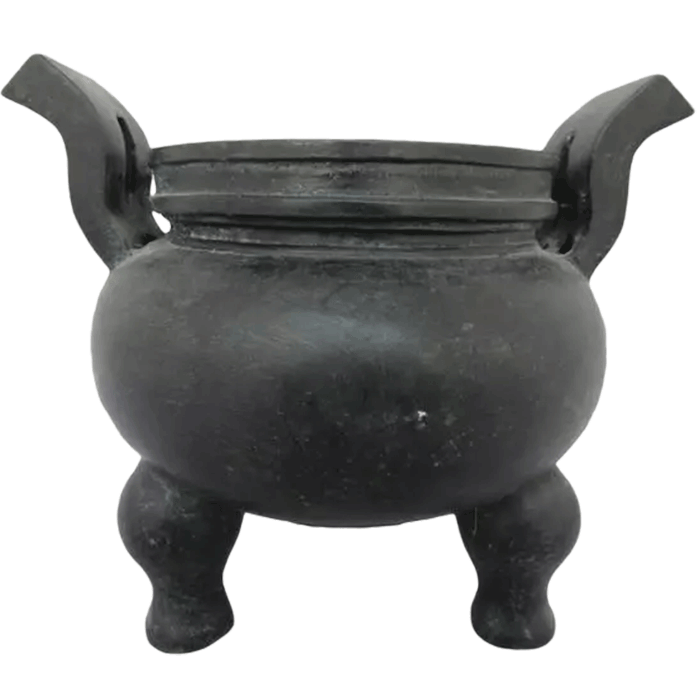
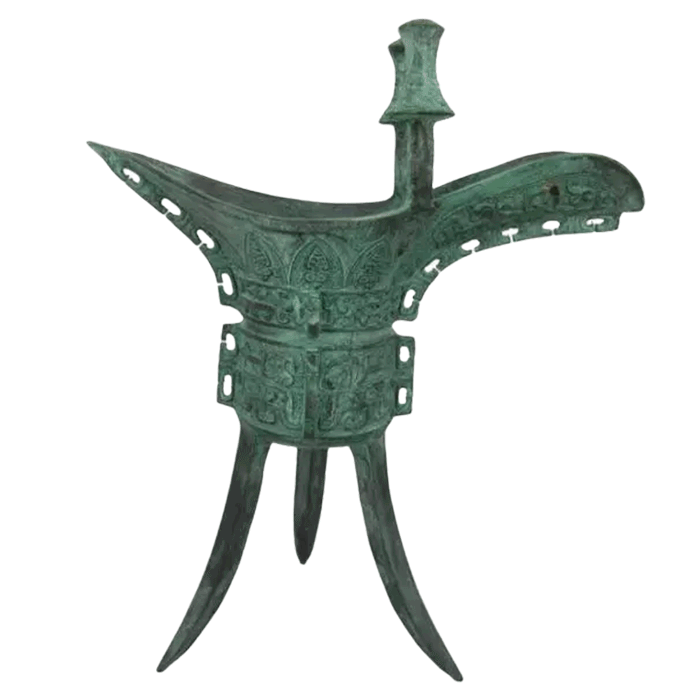
Ding, zun, and hu vessels are appropriate choices for dining-area styling because their forms provide visual substance without requiring a large floor footprint. Their placement should relate to the room’s furniture geometry. A long rectangular sideboard can support a pair of similarly finished vessels. A round dining room may benefit from one substantial vessel or a compact grouped arrangement placed on a nearby display surface.
| Dining Area Location | Suitable Bronze Category | Selection Consideration |
|---|---|---|
| Sideboard or buffet | Ding, zun, or hu vessels | Choose a scale that leaves room for serving use and tableware storage. |
| Wall niche | Bronze mirror or compact sculpture | Use lighting that highlights surface detail without creating distracting glare. |
| Private dining room entrance | Animal or human statue | Maintain a clear path for staff and guests. |
| Restaurant reception area | Custom sculpture or vessel grouping | Coordinate size and finish with the overall brand environment. |
For buyers interested in historical vessel categories, the resource on several bronze wares can help clarify the visual distinctions among traditional forms. This knowledge can support more informed assortment planning for themed restaurants, cultural hospitality projects, and private collectors’ spaces.
Use Calm, Compact Bronze Accents in Bedrooms and Private Suites
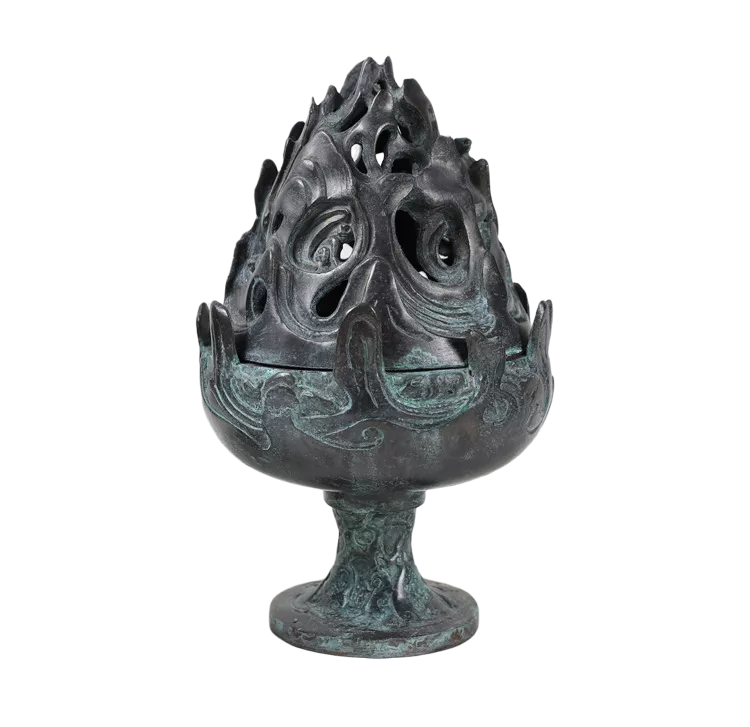
Bedrooms and hospitality suites require a more restrained approach. The objective is not to create a dramatic public display, but to add depth and identity without disturbing the room’s sense of rest. Compact bronze mirrors, small incense burners, modest vessels, and carefully sized Buddhist statues can suit bedside consoles, writing desks, tea corners, or display niches.
In these spaces, finish selection is especially important. An antique patina can complement dark wood, textured fabrics, and classically inspired furniture. A cleaner, polished or modern bronze finish may work with lighter stone, minimalist joinery, and contemporary upholstery. Buyers should request consistency in patina direction when purchasing multiple pieces for suites, villas, or repeatable interior packages.
Bronze incense burners should be selected according to the project’s intended use and operational rules. In many commercial projects, they may serve as decorative objects rather than active incense-burning accessories. If an item will be placed near textiles, bedding, or other sensitive finishes, purchasers should establish the final display and use requirements with the interior designer and property operator.
Specify Courtyard, Study, and Tea Room Pieces with Purpose
Courtyards, studies, and tea rooms offer opportunities for more focused decorative storytelling. A courtyard may accommodate a weather-considered sculpture placed as a garden focal point. A study can support a bronze mirror, small vessel, or figurative artwork on a bookcase or writing table. A tea room may benefit from an incense burner or compact vessel that complements the room’s calm and intentional atmosphere.
In a study, buyers should avoid filling every shelf with bronze objects. A single detailed piece placed against books, lacquered wood, or natural stone can provide greater impact than multiple unrelated accessories. In a tea room, the object should not interfere with tea preparation, serving, or seating. Use a side shelf, niche, or low console where guests can view the piece without crowding the main table.
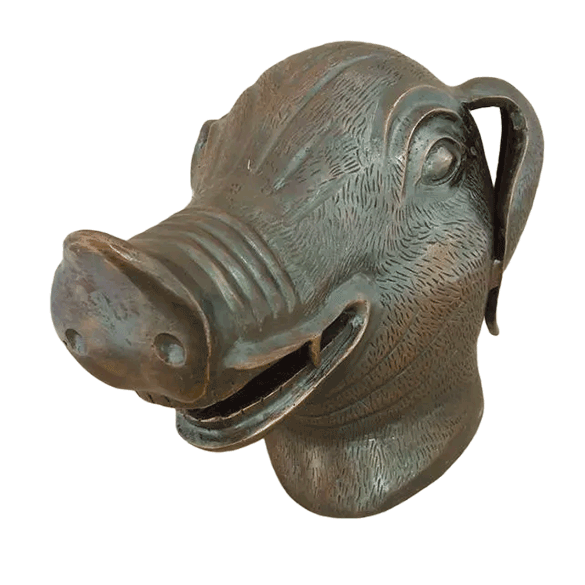
For courtyard and garden-adjacent installations, confirm the proposed location, base construction, drainage conditions, and maintenance expectations before finalizing dimensions. Larger sculptures require appropriate support and safe placement. Custom sizing can help ensure that a work feels integrated with walls, paving patterns, planting zones, and architectural proportions.
Build Consistent Hospitality and Multi-Room Assortments
Hospitality buyers often need a collection that feels unified across many room types without appearing repetitive. A practical approach is to establish a visual family: similar bronze finish tones, related motifs, or compatible vessel profiles. The lobby may feature a large animal sculpture, while corridors use smaller wall-focused elements. Restaurants can include vessel displays, and suites can receive compact mirrors or decorative incense burners.
The objective is consistency of material language rather than identical products everywhere. This allows each zone to retain its own function while supporting the identity of the wider property. For example, a formal antique-style patina may be used throughout a heritage-inspired hotel, while sculpture scale changes from large public areas to smaller private spaces.
When an interior project requires dimensions, motifs, or finishes outside standard selections, buyers can customize bronze artworks for specific architectural requirements. Custom development may be appropriate for branded reception pieces, matching sets of vessels, commissioned figurative sculptures, or replicas based on approved references.
Questions to Include in a Project Inquiry
- What room will receive the bronze piece?
- What are the required dimensions, including pedestal or base requirements?
- Is the item intended for indoor display, a covered exterior area, or a courtyard setting?
- Which finish is preferred: antique patina, dark patina, green-toned patina, polished bronze, or another approved sample direction?
- How many units are needed, and must all pieces match closely in color and surface treatment?
- Are there delivery, access, crate, or installation limitations at the destination?
Evaluate Manufacturing Quality, Packaging, and Order Flexibility
Decor selection should be supported by a clear sourcing review. Luoyang Yichuan Bronze Craft Co., Ltd. is located in Yichuan County, Luoyang, Henan Province, with a 3,000-square-meter production area and more than 30 skilled craftsmen, including bronze-casting masters and finishing artisans. The company produces over 50,000 bronze art pieces annually and uses premium Cu-Sn bronze alloy with the traditional lost-wax casting method.
For interior purchasers, the finish process matters as much as the original model. Hand chasing can refine cast surface details, while polishing and patina finishing help the object meet the intended visual direction. Exact replication of antique bronzes, consistent patina color matching, and protective export packaging are important sourcing considerations when purchasing fragile or detailed sculptures for international delivery.
The company operates under an ISO 9001 quality management system and products comply with export quality inspection standards for art crafts. Quality inspection is completed before every shipment. For casting defects, free replacement is available, and after-sales support includes patina touch-up and restoration guidance.
Traditional Chinese Home Decor should therefore be purchased as part of a complete room specification rather than as an isolated product category. By matching bronze form, scale, finish, and placement to each environment, buyers can build interiors that feel intentional, durable, and visually coherent from the entryway to the most private room.