Traditional Chinese Home Decor: Porcelain vs Wood
Traditional Chinese Home Decor Balances the Character of Porcelain and Wood
For distributors, hospitality buyers, interior project teams, and specialty retailers, selecting Chinese-inspired decorative materials requires more than choosing an attractive surface. Porcelain and wood each communicate a different visual language, create different maintenance needs, and perform differently in shipping, installation, and long-term display. Understanding these distinctions helps buyers build a coherent assortment instead of mixing products that compete for attention.
Porcelain is valued for refined surfaces, controlled color, painted detail, and a sense of lightness. Wood brings warmth, visible grain, hand-finished character, and a more architectural presence. Both can work in residential, commercial, cultural, and hospitality settings, but they should be selected according to the project’s intended atmosphere, handling conditions, scale, and buyer expectations.
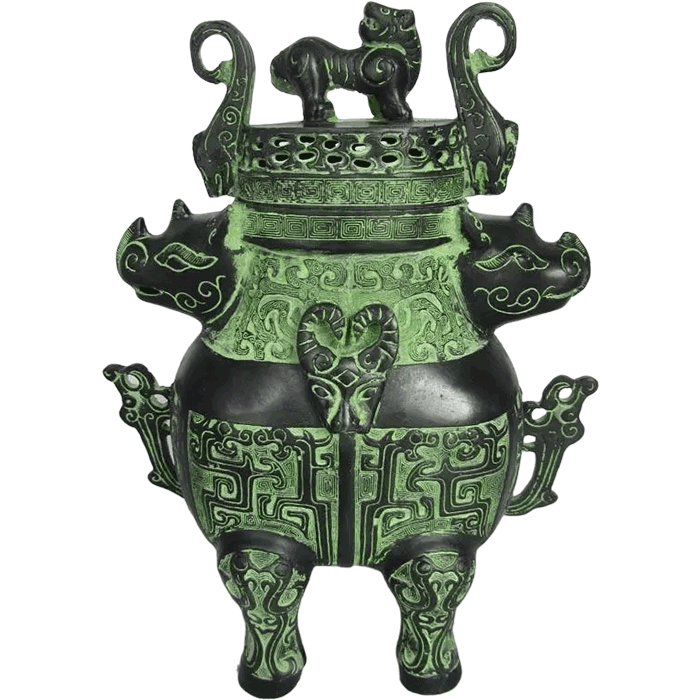
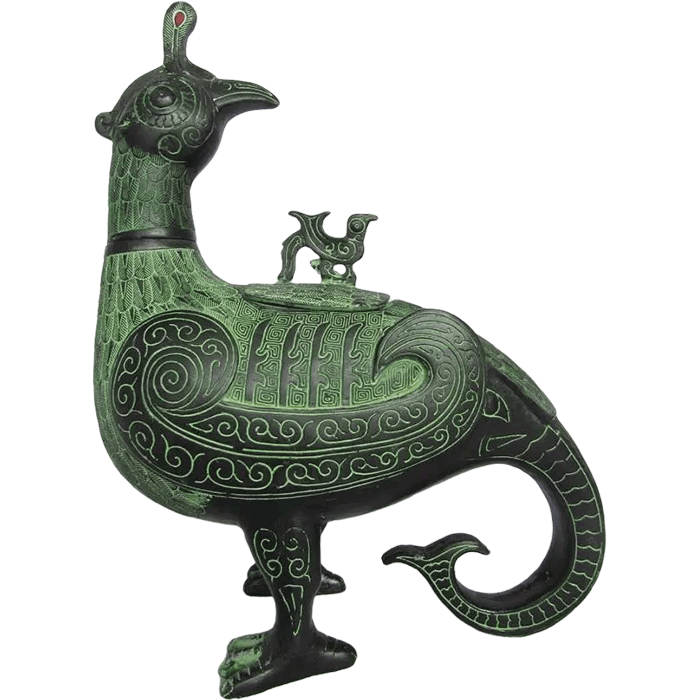
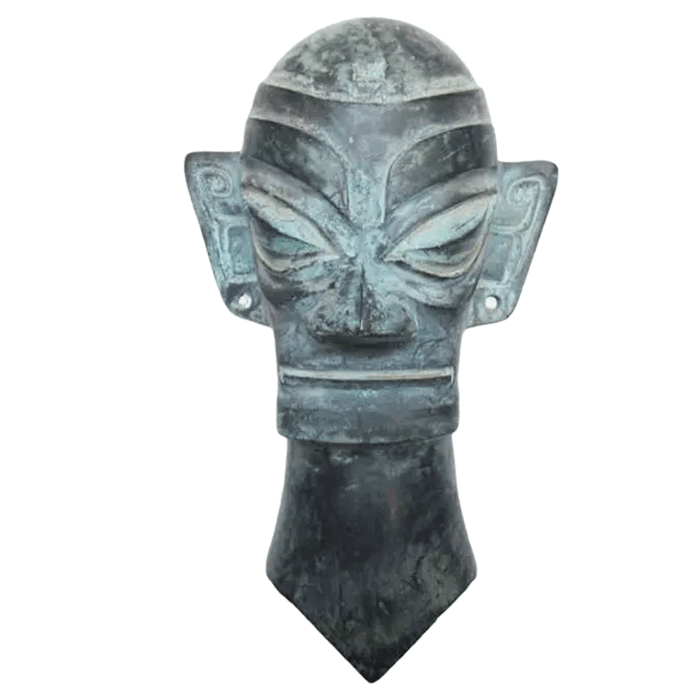
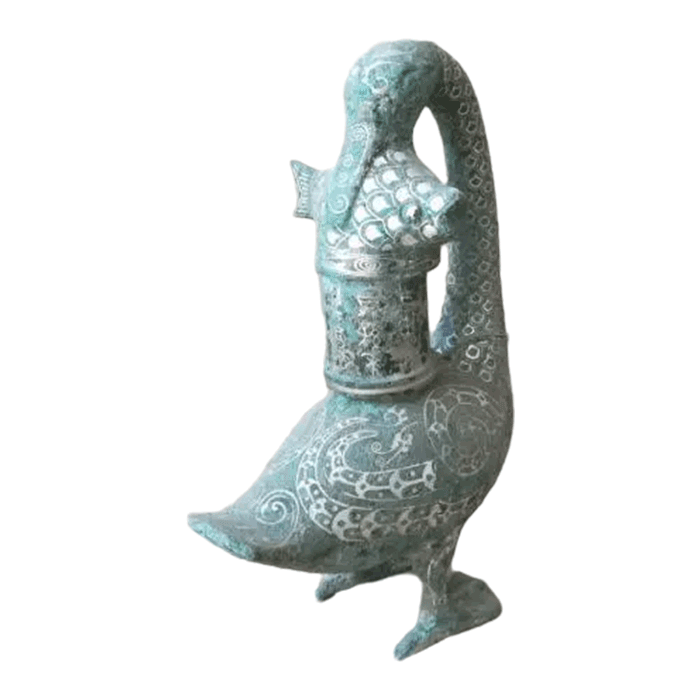
For buyers also considering metal accents, bronze provides a durable visual counterpoint to both materials. A bronze vessel, mirror, incense burner, or figurative sculpture can add depth and weight beside a porcelain display or carved wood furnishing. The strongest sourcing decisions begin by identifying what each material contributes to the complete interior scheme.
How Traditional Chinese Home Decor Uses Material Contrast
Chinese-inspired interiors often depend on balance rather than uniformity. A room may combine a pale ceramic vase with a dark wood console, a carved screen with a reflective bronze mirror, or a sculptural object placed against a restrained wall finish. The objective is not to fill every surface with decoration. Instead, materials should establish rhythm through contrast in color, texture, reflectivity, and visual weight.
Porcelain commonly creates a crisp, polished focal point. It can brighten a shelf, cabinet, tea area, reception desk, or display niche without adding much visual mass. Wood generally does the opposite: it anchors the setting. A wood stand, cabinet, panel, or screen introduces a stable base that can make smaller objects appear more intentional.
Project buyers should evaluate material combinations at the room level. A porcelain collection may look successful in a product photo but become visually weak when installed against a very pale wall with glossy furniture. Wood may look elegant in a sample board but appear too dark in a compact guest room. Reviewing finishes under the anticipated lighting conditions is important before confirming a bulk order.
Porcelain: Refined Color, Detail, and Display Flexibility
Porcelain is often chosen when a buyer wants decorative clarity. Its surface can support painted patterns, clean white space, blue-and-white palettes, celadon-like tones, or more colorful ornamental treatments. Because porcelain can have a glossy or softly glazed appearance, it reflects available light and can bring visual movement to a still-life arrangement.
Where porcelain performs well
Porcelain is especially suitable for curated display areas where visitors can view the object at close range. Retailers may use it in tabletop collections, cabinet displays, gift selections, and themed seasonal presentations. Hospitality and residential projects may specify porcelain for entry consoles, tea rooms, sideboards, display shelves, and decorative wall niches.
Its relatively compact visual scale allows buyers to introduce color or pattern without committing to a large furniture piece. This makes porcelain useful when a project needs a recognizable Chinese-inspired accent while retaining a contemporary overall interior style. A single vessel or grouped set can be more adaptable than a heavily ornamented wood item when the design brief may change between properties or customer segments.
Advantages for assortment planning
- Porcelain can offer strong decorative impact in small and medium display formats.
- Glazed surfaces can support precise color-focused merchandising themes.
- Vessels and ornamental forms are easy to group by palette, height, or motif.
- Smaller decorative pieces can help retailers create multiple price and size tiers.
- Porcelain can contrast effectively with matte stone, natural textiles, dark wood, and patinated metal.
Points to assess before buying
Fragility is a central consideration. Buyers should discuss protective packaging, carton configuration, handling procedures, and display placement before finalizing quantities. A delicate piece may be suitable for a controlled display cabinet but less suitable for a busy public counter or a frequently reconfigured retail fixture. The value of porcelain depends not only on its appearance but also on whether the logistics plan supports safe delivery and practical installation.
Consistency also matters when sourcing a collection. Buyers should confirm dimensions, glaze tone, decoration placement, and the acceptable degree of variation between pieces. Hand-finished or kiln-fired products can have visual differences, and these differences may be desirable in a curated collection. However, a branded retail program or multi-room project should define which variations are acceptable before purchase orders are issued.
Wood: Warmth, Structure, and Tactile Presence
Wood introduces a fundamentally different experience. Its grain, tonal variation, carved details, and tactile surface create a grounded atmosphere that porcelain alone cannot provide. Where porcelain may read as a highlight, wood often reads as part of the room’s structure. It is useful for furniture, screens, display stands, trays, wall elements, frames, and substantial decorative objects.
Where wood performs well
Wood is well suited to settings that need warmth, visual stability, or a more natural material palette. Boutique hotels, tea spaces, restaurants, private residences, and cultural retail environments often use wood to establish a welcoming and composed foundation. A carved panel or console can also provide a backdrop for lighter decorative objects, preventing a display from feeling scattered.
For distributors, wood-based products can extend an assortment beyond small decorative goods. They can support larger-ticket categories and allow related products to be presented as coordinated collections. For example, a wood stand can elevate a vessel, while a wood cabinet or display shelf can frame smaller accents. This layered approach can encourage buyers to consider the whole display rather than selecting individual pieces in isolation.
Advantages for project applications
- Wood adds visual warmth to stone, glass, plaster, and metal-heavy interiors.
- It can provide larger-scale decorative impact through screens, panels, and furnishings.
- Natural grain gives each piece a tactile, organic quality.
- Wood can act as a practical support material for vessels, sculptures, and decorative collections.
- Darker finishes can create an effective backdrop for pale ceramics and metallic objects.
Points to assess before buying
Wood selection requires attention to finish, environmental conditions, and intended use. Buyers should clarify whether an item is decorative, load-bearing, wall-mounted, or freestanding. They should also review finish samples alongside the project’s flooring, wall treatment, upholstery, and lighting plan. A finish that appears deep brown in a showroom can look nearly black in a low-light installation.
Wood also needs a clear care plan. Cleaning methods, humidity exposure, placement near heat sources, and direct sunlight should all be considered at the specification stage. For commercial buyers, the operational team should understand how the product is expected to be handled after installation. A well-selected wood item can gain character over time, but it should be used where its finish and structure are appropriate for the environment.
Porcelain vs Wood: A Practical Buyer Comparison
| Selection Factor | Porcelain | Wood |
|---|---|---|
| Visual effect | Bright, refined, detailed, and often reflective | Warm, grounded, tactile, and visually substantial |
| Best display role | Accent object, tabletop vessel, cabinet display, decorative grouping | Screen, panel, furniture element, stand, frame, or architectural accent |
| Color approach | Glaze, painted decoration, white space, and controlled surface color | Natural grain, stain, lacquer, and carved surface depth |
| Handling priority | Protect against impact and breakage during transport and placement | Review finish care, installation method, and environmental exposure |
| Project scale | Often small to medium decorative scale | Can range from small accessories to large statement pieces |
| Pairing opportunity | Works well with dark wood, bronze, stone, and neutral textiles | Works well with porcelain, bronze, woven materials, and pale walls |
The comparison should not be treated as a simple choice between one material and the other. Many successful project schemes use porcelain for focal accents and wood for framing, support, and atmosphere. The more useful question is: which material should lead the visual story, and which should provide contrast?
For a clean, light, detail-oriented concept, porcelain may be the dominant accent material, supported by restrained wood finishes. For a warm, layered, heritage-inspired setting, wood may establish the larger framework, with porcelain introduced in selected locations. Where a buyer wants more permanence and sculptural weight, bronze can serve as a third material that connects the two.
Using Bronze to Bridge Porcelain and Wood
Bronze is particularly effective when a porcelain-and-wood scheme needs a more substantial focal element. Its metallic surface can introduce patina, relief, sculptural form, and a sense of permanence without duplicating the appearance of either ceramic or timber. A bronze object can sit on a wood stand, stand in contrast to a porcelain vase, or provide a central feature for an entry, display cabinet, library, tea room, or reception space.
Luoyang Yichuan Bronze Craft Co., Ltd. produces bronze sculptures, bronze vessels, bronze mirrors, bronze incense burners, bronze Buddhist statues, and custom bronze artworks. Products are cast in premium Cu-Sn bronze alloy using the traditional lost-wax method. Hand chasing, polishing, and patina finishing are available for antique or modern visual directions.
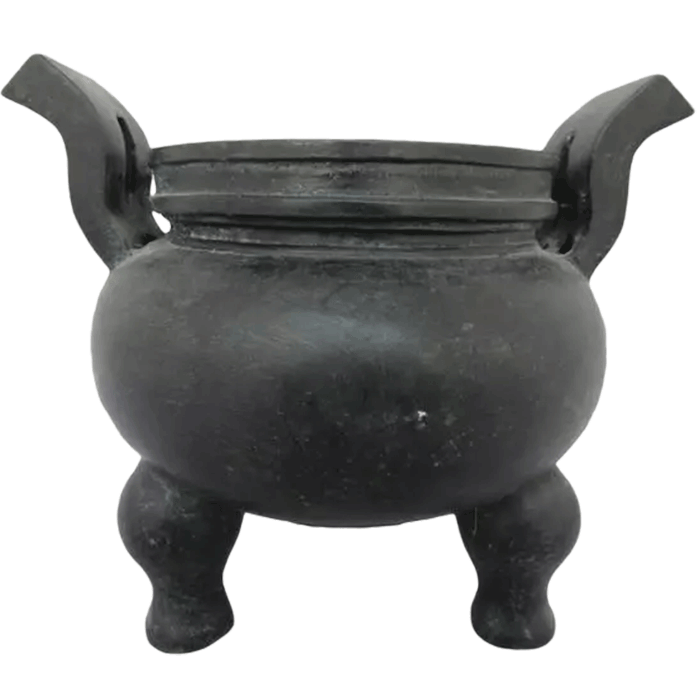
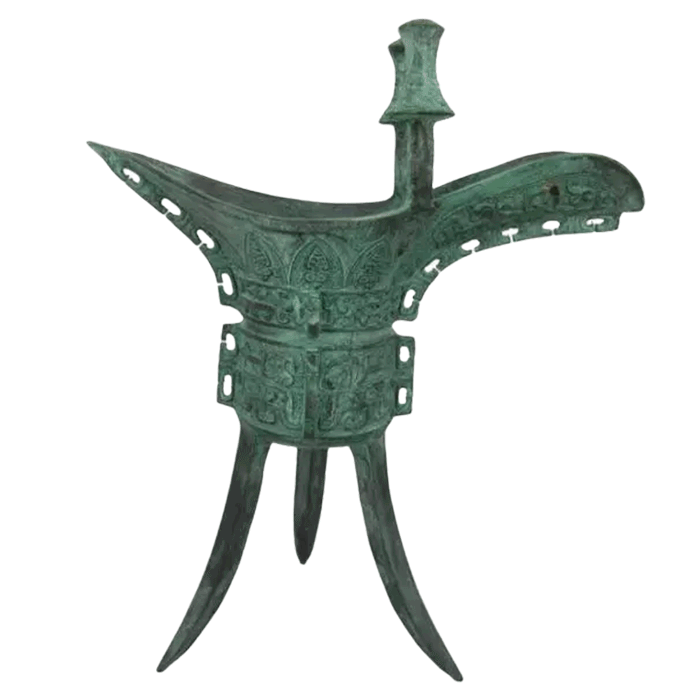
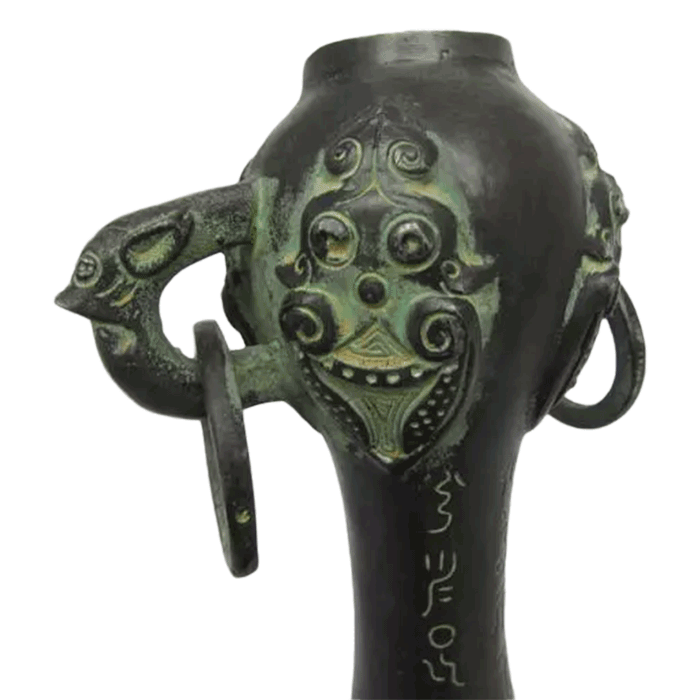
For buyers researching historical vessel forms, the company’s resource on bronze ware forms can help distinguish decorative categories. A ding, zun, hu, tripod, or vase can offer a more sculptural alternative to a ceramic vessel while remaining compatible with a wood-centered interior.
Bronze also gives distributors an opportunity to build a tiered material assortment. Porcelain can provide accessible decorative accents, wood can provide furniture and display structure, and bronze can occupy a distinctive position for collectors, design-led buyers, or projects seeking a more enduring centerpiece. The material contrast is especially effective when finishes are intentionally controlled rather than selected separately.
Specification Questions for Distributors and Project Buyers
Before shortlisting products or requesting samples, buyers should prepare a material brief. This reduces ambiguity and helps suppliers recommend a suitable format, finish, scale, and packaging approach. The brief does not need to be complicated, but it should address the conditions that affect purchasing decisions after a product photograph has been approved.
- Define the location. Identify whether the item is intended for a hotel lobby, guest room, restaurant, retail display, private residence, office, cultural venue, or outdoor-adjacent area.
- Set the desired visual role. Decide whether the item should be a subtle supporting accent, a grouped display component, or a primary focal point.
- Confirm scale and sightlines. Provide target dimensions, display height, shelf depth, and the approximate viewing distance.
- Review the material palette. Share references for wall colors, wood tones, metal finishes, fabrics, and stone so that porcelain glaze or bronze patina can be considered in context.
- Plan logistics early. Ask about protective packaging needs, shipping configuration, and product handling requirements, particularly for fragile or heavy objects.
- Request finish confirmation. For multi-piece projects, establish the approved color direction and acceptable variation before production begins.
- Consider customization. If standard products do not meet the project brief, provide drawings, reference images, dimensions, and target quantities for evaluation.
Luoyang Yichuan Bronze Craft Co., Ltd. supports custom bronze projects from a single prototype through bulk production runs, with custom sculpture MOQ starting from one piece. Bulk order terms can be discussed according to product size and design complexity. The company operates a 3,000-square-meter production area in Yichuan County, Luoyang, Henan Province, with more than 30 skilled craftsmen, including bronze-casting masters and finishing artisans.
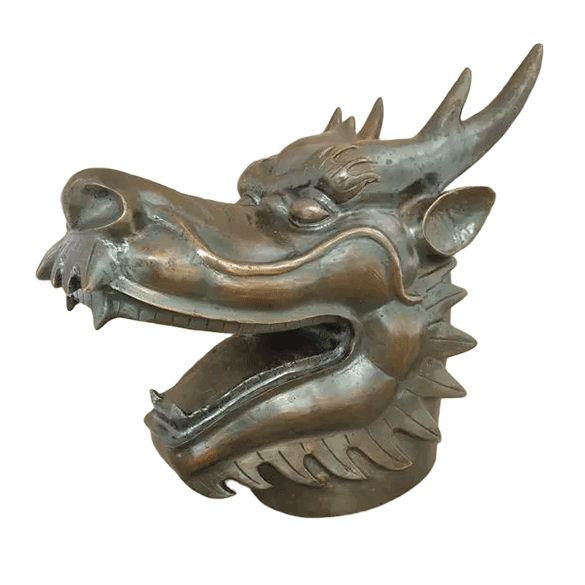
For custom commissions, buyers can customize a bronze sculpture based on their own design direction. This can be useful when a project requires an exact size, a coordinated series of animal or human figures, a particular vessel profile, or a finish that must complement selected porcelain and wood samples.
Choosing the Right Material Mix for Traditional Chinese Home Decor
The best material choice depends on the buyer’s commercial objective. A retailer seeking color-rich gift and tabletop categories may place greater emphasis on porcelain. A hospitality buyer furnishing a tea lounge or reception setting may use wood for the main visual framework. A design firm seeking distinctive objects for a feature area may combine both with bronze sculpture, a mirror, or an incense burner.
Rather than sourcing materials separately, buyers should compare samples together. Place the porcelain beside the intended wood finish. View bronze patina against both surfaces. Check the combination in warm and cool lighting. This process reveals whether the palette feels layered and intentional or overly busy. It also helps distributors develop collections that can be explained clearly to their own customers.
Buyers seeking figurative or ornamental metal accents can review bronze statue collections alongside vessel and décor options. Those interested in historical context may also explore bronze culture evolution when developing a more informed product narrative for a collection or interior project.
Luoyang Yichuan Bronze Craft Co., Ltd. follows an ISO 9001 quality management system and produces bronze art pieces that comply with export quality inspection standards for art crafts. Quality inspection is completed before shipment. The company provides free replacement for casting defects and offers after-sales support for patina touch-ups and restoration guidance. These capabilities can help buyers assess bronze as a reliable complement to porcelain and wood within a carefully specified decorative program.
Porcelain brings precision and luminosity. Wood contributes warmth and structure. Bronze adds sculptural depth and patinated character. When these materials are selected according to location, scale, finish, and logistics requirements, they can create an interior collection with a clear Chinese-inspired identity and practical value for distribution or project procurement.