Traditional Chinese Home Decor Import Cost Guide
Estimate Traditional Chinese Home Decor Import Costs for Profitable Retail Planning
Import budgeting for bronze decor is not limited to the supplier quotation. For B2B buyers building a collection for retail, hospitality, interior design, museum stores, or gift distribution, the relevant number is the landed cost per sellable unit. This figure combines product manufacturing, finishing, export packing, transport, import charges, local delivery, and an allowance for handling or unexpected costs.
Bronze pieces often have characteristics that make cost planning more important than for lighter decorative goods. A bronze vessel, Buddhist statue, mirror, incense burner, or animal sculpture may be compact but heavy. A large human figure or custom artwork can require a reinforced crate, special freight handling, and careful dimensional planning. Buyers therefore need to evaluate both the artistic value of an item and the complete logistics cost of placing it in their warehouse.
Luoyang Yichuan Bronze Craft Co., Ltd. produces bronze sculptures, vessels, mirrors, incense burners, Buddhist statues, and custom bronze artworks in Yichuan County, Luoyang, Henan Province. The company uses Cu-Sn bronze alloy and traditional lost-wax casting, with hand chasing, polishing, and patina finishing available for antique and modern presentation requirements. For buyers at the budgeting stage, a structured costing approach helps determine whether a collection can achieve its intended retail margin before production begins.
Build a Landed-Cost Model for Traditional Chinese Home Decor
A useful import estimate starts by separating costs into clear categories. Do not assess a bronze item only by its factory unit price. Instead, calculate the landed cost for each SKU and then compare that number with the expected wholesale or retail selling price.
The basic formula is:
Estimated landed cost per unit = product cost + finishing and customization + export packaging + inland transport + international freight + insurance + import duty and taxes + customs clearance + destination delivery + contingency allowance.
For collection-level planning, divide shared shipment expenses across individual SKUs using a sensible method. Weight-based allocation can work for dense bronze products. Volume-based allocation may be more appropriate when crated sculptures occupy substantial freight space. For mixed shipments, many buyers use a combined approach that considers both chargeable weight and crate dimensions.
| Cost Category | What It May Include | Why It Matters for Bronze Decor |
|---|---|---|
| Factory product cost | Bronze alloy, casting, labor, finishing, and standard inspection | Forms the starting point but does not represent the final warehouse cost. |
| Customization cost | New mold work, revised dimensions, artwork development, special patina, or logo details | Can materially affect a prototype or limited-run order. |
| Protective packaging | Foam protection, cartons, pallets, reinforced cases, or export crates | Fragile projections, polished surfaces, and heavy bases need appropriate protection. |
| Freight and handling | China-side delivery, port or airport charges, international shipping, and destination handling | Heavy metal goods can have freight costs that change the margin calculation. |
| Import charges | Duty, import taxes, brokerage, customs filing, and inspections where applicable | These depend on destination rules and the correct tariff classification. |
| Local distribution | Warehouse receiving, storage, domestic transport, fulfillment, and retail preparation | Often overlooked when evaluating an imported decorative collection. |
When asking for quotations, define the requested trade term clearly. A factory quotation may cover only the goods themselves, while another offer may include delivery to a Chinese port or airport. Buyers should not compare two prices unless the scope of each quotation is the same. Request a written breakdown that identifies product pricing, packing assumptions, delivery point, and any separately charged services.
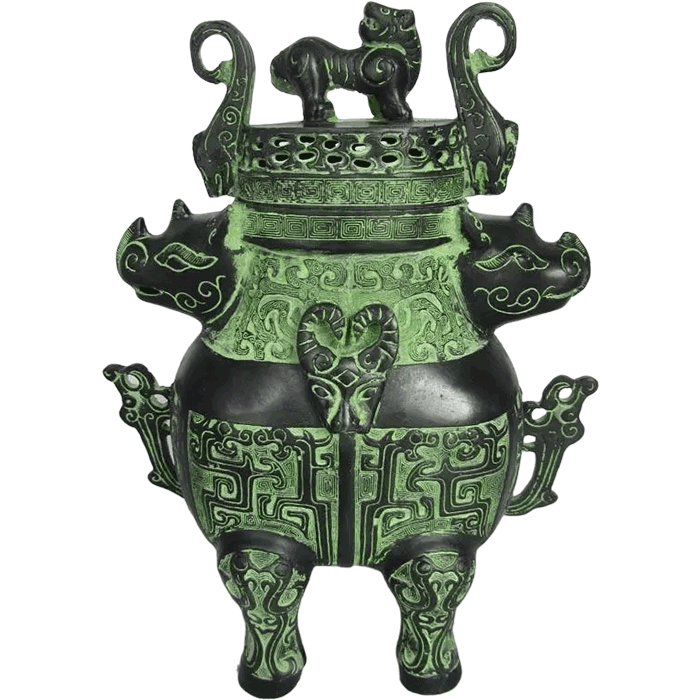
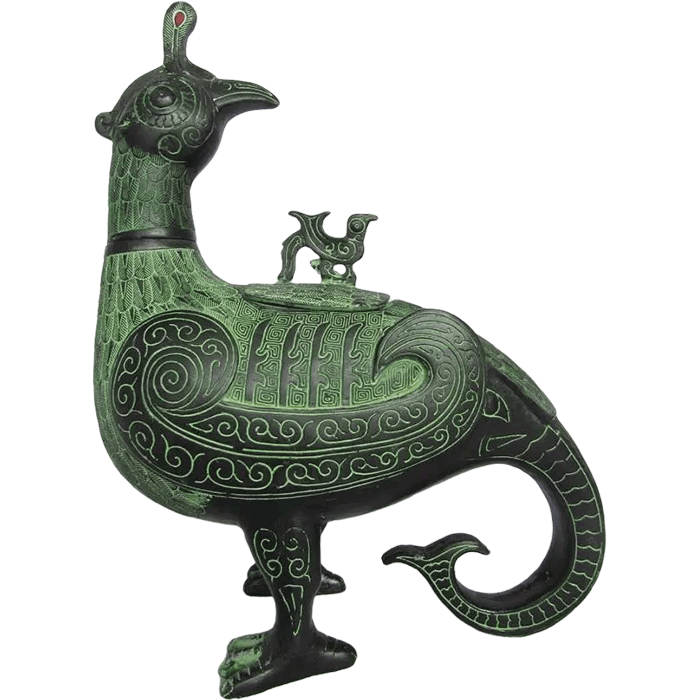
For product inspiration and category planning, buyers can review chinese bronze sculpture options before preparing a more detailed sourcing list. Grouping pieces by size, material weight, finish, and packaging requirements makes it easier to estimate freight and landed cost accurately.
Identify the Product Variables That Influence Factory Cost
The factory portion of the budget depends on more than the physical dimensions of a bronze piece. The design, wall thickness, surface detail, finishing expectations, and production quantity all influence material usage and labor time.
Size, Weight, and Bronze Alloy Use
Bronze is a dense material, so a small change in size or casting thickness can significantly affect total weight. A buyer should request estimated finished weight for each item, especially for statues, tripods, large incense burners, and vessels with substantial bases. This information supports both manufacturing estimates and freight planning.
Cu-Sn bronze alloy is used for the company’s bronze art pieces. Buyers should specify whether their project requires a solid visual presence, a particular wall thickness, or a target installation weight. These decisions should be discussed at the design-review stage because changing them after mold development or sample approval can affect timing and cost.
Design Complexity and Lost-Wax Casting
Traditional lost-wax casting is suited to detailed bronze art because it can reproduce fine decorative elements, sculptural textures, facial features, inscriptions, and vessel patterns. However, complexity can increase the number of production steps. Deep relief, undercuts, thin extended parts, openwork details, multi-part assemblies, and elaborate handles may require additional casting, chasing, welding, or finishing work.
Buyers seeking historically inspired vessels should distinguish between a general style reference and an exact replication requirement. Exact replication of antique bronzes may involve close attention to proportion, decorative motifs, inscriptions, patina, and surface texture. Provide clear reference images, dimensions, and required views early so the supplier can evaluate feasibility and prepare a meaningful quotation.
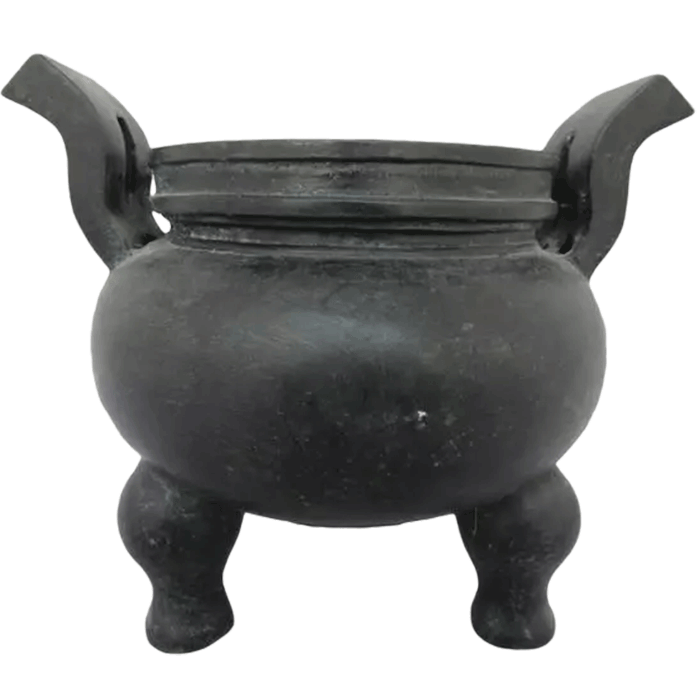
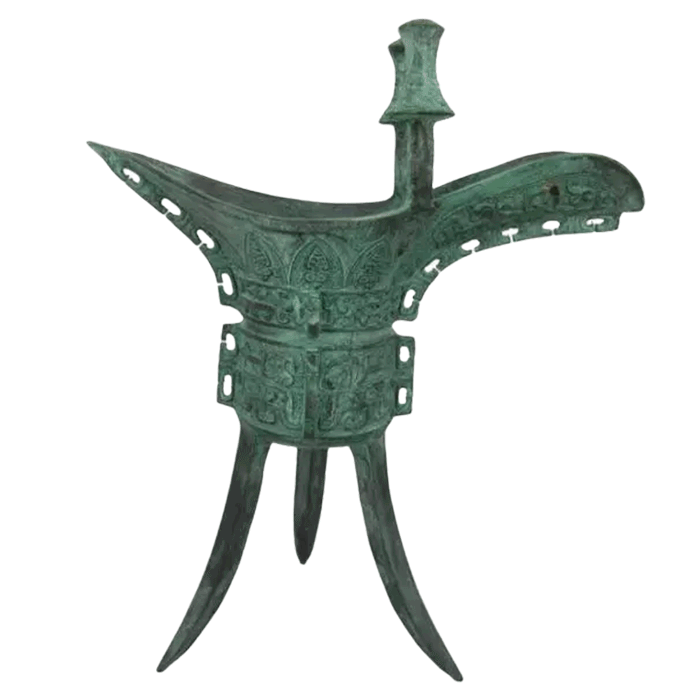
For background on forms that may inform a vessel collection, the article on several bronze wares can help buyers identify common categories and visual characteristics. This research is useful when developing a coherent range rather than sourcing unrelated pieces.
Patina and Surface-Finishing Requirements
Patina can alter the perceived value and market position of a bronze artwork. Antique-style finishes may require controlled color layering and hand finishing to create an aged appearance, while modern presentations may call for a cleaner polish or more uniform tone. If several pieces are intended to be displayed together, buyers should identify the required color direction and provide approved references.
Color matching should be treated as a defined approval item, not an assumed outcome. Lighting conditions, photography, surface texture, and the natural character of hand finishing can affect how a patina appears. A sample or agreed visual standard can reduce misunderstandings and help buyers budget for the level of finishing control their collection requires.
Calculate Freight, Packaging, and Import Expenses by Shipment Method
Freight is frequently the largest variable after production cost, particularly for low-volume bronze orders. The best shipment method depends on urgency, shipment size, product value, and the buyer’s warehouse requirements. Rather than assuming one method is always less expensive, compare quotations using the same packing list and the same destination.
Prepare Accurate Freight Information
A freight forwarder will generally need a packing list showing the number of cartons or crates, gross weight, net weight, and outer dimensions. For large sculptures, provide information about whether the product can be disassembled, whether a base is packed separately, and whether the crate requires forklift access. Freight providers may charge based on actual weight, dimensional weight, or chargeable volume depending on the service.
Export-compliant protective packaging is especially relevant for fragile sculptures and high-finish surfaces. Packaging may include internal foam support, protective wrapping, sturdy outer cartons, pallets, or wooden crates based on product characteristics and transport conditions. Buyers should decide whether packaging is included in the product quote or shown as a separate line item. Separate visibility can make it easier to compare design alternatives, such as a compact statue versus a wider vessel with protruding handles.
Compare Air, Courier, and Ocean Options
Courier or air freight may suit a small sample, urgent prototype, or compact high-value item. Ocean freight may be considered for larger quantities or heavier collections when transit time permits. However, ocean shipments also involve origin and destination charges, documentation, customs processes, and local delivery arrangements that need to be included in the total estimate.
For an early budget, request at least two logistics scenarios. One can model a small consolidated shipment for a trial order, while the other can model a larger order with more efficient freight allocation. This comparison often reveals whether the collection needs a higher order quantity, revised product mix, or adjusted retail price strategy.
Import duty and tax rules vary by destination country, declared product classification, and local regulations. Buyers should confirm the relevant tariff classification and tax treatment with a qualified customs broker, freight forwarder, or local trade adviser. A supplier can provide product descriptions and packing details, but the importer should verify the destination-side obligations before committing to a purchase order.
Set Retail Prices and Margin Targets Before Confirming the Order
The purpose of an import-cost model is not simply to obtain the lowest factory price. It is to establish whether each item can support the intended retail strategy after all costs are considered. A premium bronze collection may have higher unit costs than mass-market decor, but it can also be positioned around craftsmanship, material quality, hand finishing, and distinctive design if the target market supports that value proposition.
A practical margin review can use the following sequence:
- Estimate the landed cost per SKU at the destination warehouse.
- Add local business costs such as warehousing, retailer packaging, fulfillment, payment fees, showroom costs, commissions, and marketing.
- Set a proposed wholesale and retail price based on the intended customer segment.
- Calculate gross margin under conservative assumptions.
- Test how margin changes if freight, currency conversion, or import charges increase.
- Revise the product mix, order quantity, or selling price before production approval if the target margin is not met.
Do not use one average margin for the entire collection without reviewing individual products. Small decorative mirrors or incense burners may serve as accessible entry items, while large statues, Buddhist figures, and custom vessels may be higher-value statement pieces. Each category can have a different freight burden, customer expectation, and pricing role.
Buyers planning a broader interior range can also explore bronze home decor arts to organize products into complementary display groups. A balanced collection may combine lower-priced decorative pieces with more substantial artworks, helping retailers offer multiple purchasing levels while preserving a coherent visual identity.
Reduce Budget Risk Through Clear Specifications and Quality Controls
Cost control begins with clear specifications. A complete request for quotation should state the product name, dimensions, estimated quantity, preferred finish, reference images, target delivery location, packaging expectations, and any customization needs. For custom work, include 2D drawings, 3D files, or detailed visual references whenever available.
Luoyang Yichuan Bronze Craft Co., Ltd. supports custom sculpture orders from one piece, while bulk-order terms can be discussed according to design complexity and size. The company has a 3,000-square-meter production area and more than 30 skilled craftsmen, including bronze-casting masters and finishing artisans. Its annual output exceeds 50,000 bronze art pieces, supporting both prototype requirements and larger production programs.
Quality procedures should also be part of the import calculation. The company is ISO 9001 quality management system certified, and its products comply with export quality inspection standards for art crafts. Quality inspection is completed before shipment. The company provides free replacement for casting defects and offers after-sales support for patina touch-ups and restoration guidance. Buyers should still define their own acceptance standards for dimensions, finish, assembly, packaging, and approved sample comparison.
For large or detailed pieces, ask whether the sculpture will be shipped as one assembled item or as components. A removable base, detachable element, or planned assembly method can sometimes improve packing efficiency and reduce the risk of transport damage. Any assembly instructions, hardware requirements, and final inspection expectations should be confirmed before shipment.
Create a Practical Import Budget Worksheet
A reliable worksheet should include one row for every SKU and one separate section for shared costs. Keep the model editable, because bronze weight, crate dimensions, freight quotes, and currency conditions can change as the project develops.
- SKU information: product name, product type, dimensions, finish, quantity, and estimated unit weight.
- Factory pricing: unit price, mold or development cost, customization charges, and sample expenses if applicable.
- Packing data: carton or crate count, external dimensions, gross weight, and packing cost.
- Freight data: China-side transport, international freight, insurance, destination terminal charges, and final delivery.
- Import data: duty estimate, taxes, brokerage, documentation, and clearance charges.
- Commercial data: target wholesale price, target retail price, expected discounts, and required gross margin.
- Risk allowance: contingency for rate changes, storage, inspection delays, local handling, or revised packaging needs.
Use the worksheet to evaluate multiple order sizes. A single prototype can be valuable for design validation and customer feedback, but its transport cost per unit may be much higher than a planned production run. Conversely, ordering too much inventory before market demand is tested can create storage and cash-flow pressure. The appropriate quantity depends on the buyer’s sales channel, product size, lead-time needs, and ability to carry inventory.
Traditional Chinese Home Decor can be commercially successful when the buyer treats sourcing as a complete landed-cost exercise rather than a simple product-price comparison. By defining specifications, verifying packing requirements, obtaining destination-specific freight and customs advice, and testing margins before purchase approval, B2B buyers can make more confident decisions about bronze decor collections.
The strongest budget is one that can be updated as the design becomes final. Start with a complete product brief, request transparent quotations, compare shipping scenarios, and retain a contingency allowance. This approach helps protect target retail margins while allowing room for the craftsmanship, patina standards, and protective packaging that bronze artworks require.
===