Traditional Chinese Bronze Gifts MOQ and Packaging FAQ
Traditional Chinese Bronze Gifts: MOQ and Packaging Questions Answered
Distributors, museum shops, corporate-gift teams, hospitality buyers, and procurement agencies often have similar questions when sourcing bronze artworks from a manufacturer: Is a small trial order possible? Can a historical vessel be reproduced accurately? How will a fragile statue be protected for export? What information is needed to receive a reliable quotation?
Bronze gifting projects can range from a single presentation piece for an executive event to a coordinated collection for retail distribution. Because sculptures, vessels, mirrors, incense burners, and Buddhist figures differ significantly in size, casting complexity, surface finish, and packing requirements, buyers need clear answers before sending a final inquiry. This FAQ explains how to evaluate minimum order quantity, customization scope, quality checks, patina consistency, and shipment preparation when working with Luoyang Yichuan Bronze Craft Co., Ltd.
MOQ Questions for Traditional Chinese Bronze Gifts
What is the minimum order quantity for a custom bronze item?
Luoyang Yichuan Bronze Craft Co., Ltd. supports custom bronze sculpture orders from one piece. This gives buyers an option to begin with a prototype, a single ceremonial gift, a sample for internal approval, or a display piece for photography and merchandising review. A one-piece order is especially useful when the buyer needs to confirm proportions, visual impact, engraving placement, or patina direction before discussing a wider program.
For repeatable retail pieces, distributor collections, or corporate-gift sets, bulk quantities can be negotiated according to the item’s dimensions and design complexity. A small incense burner with limited relief work has different production considerations from a large human statue, a multi-part animal sculpture, or a vessel with elaborate handles and surface patterns. Buyers should therefore treat MOQ as a project-specific quotation point rather than assume that every bronze category has one fixed quantity requirement.
Can a buyer order both samples and bulk quantities?
Yes. A practical sourcing process often begins with a custom sample or prototype and progresses to a bulk order after approval. The sample stage allows the buyer to review the overall silhouette, detail sharpness, casting texture, finish, color, and stability. For a corporate gifting project, it can also help the internal team assess whether the artwork matches the event theme, recipient profile, and intended presentation method.
When planning a sample-to-bulk workflow, provide the expected final quantity at the beginning of the inquiry. Even when the first request is only for one piece, knowing the possible future demand helps the manufacturer recommend a suitable approach for mold preparation, finishing consistency, and packaging planning.
Are stock designs available alongside customized projects?
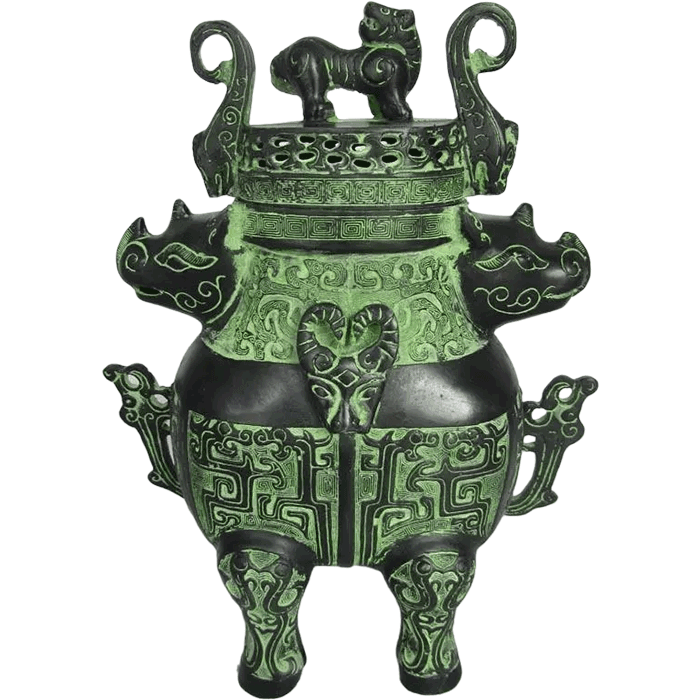
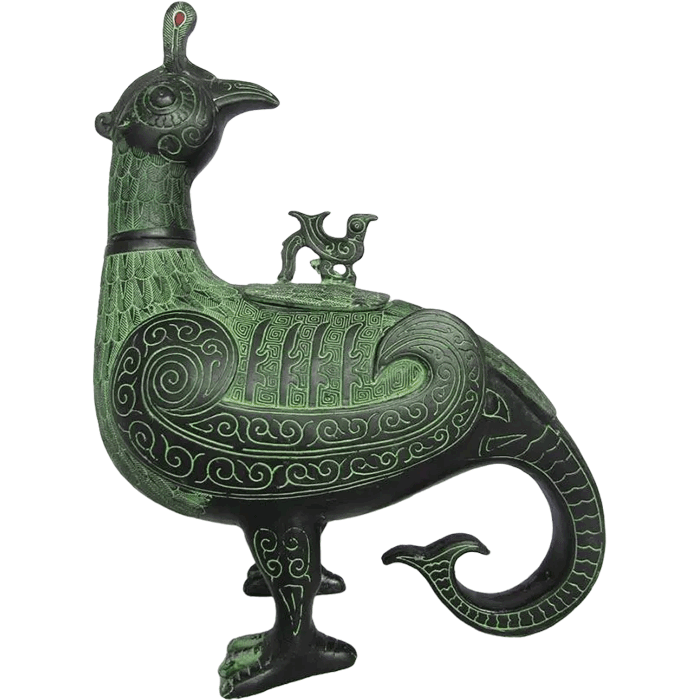
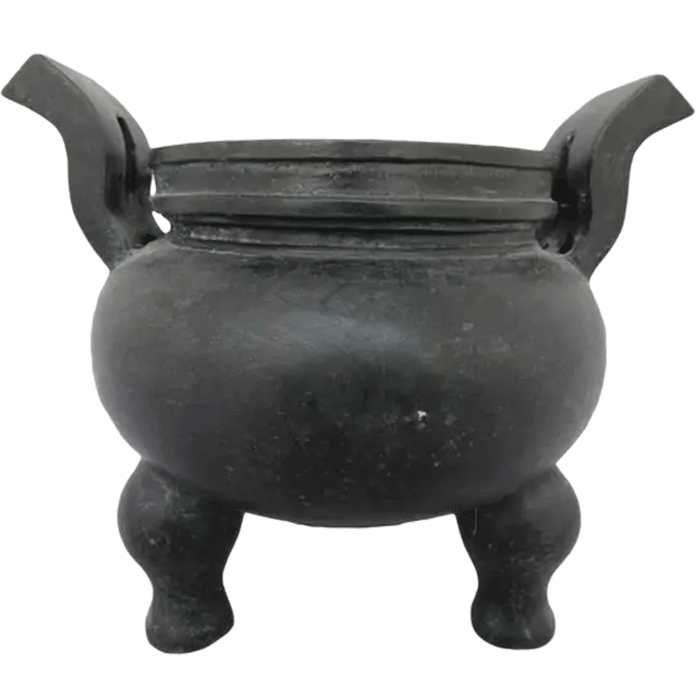
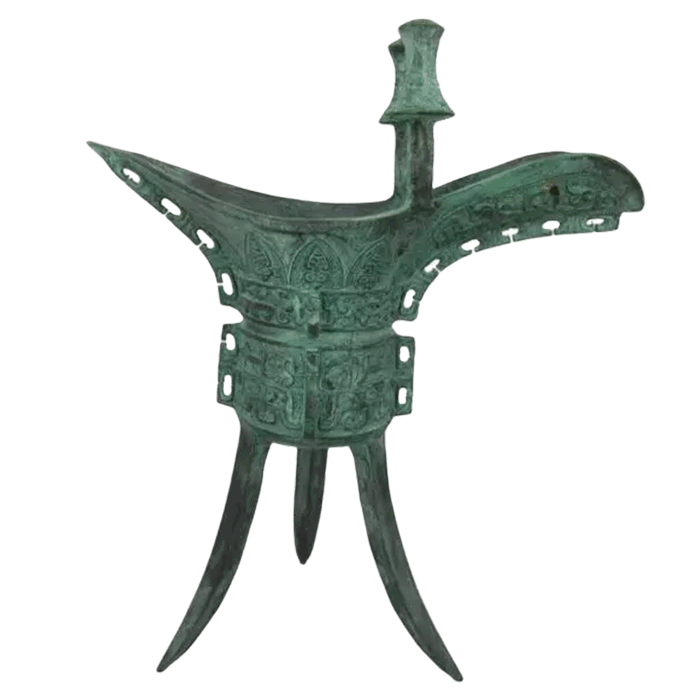
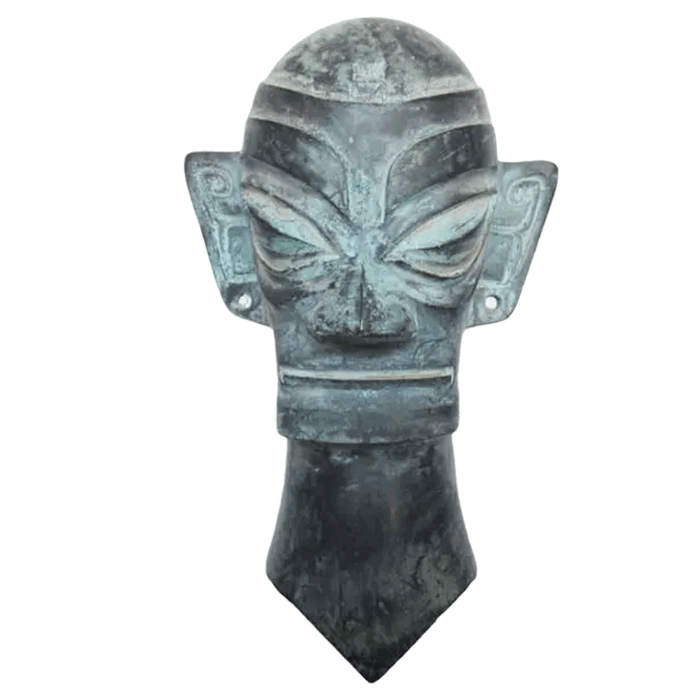
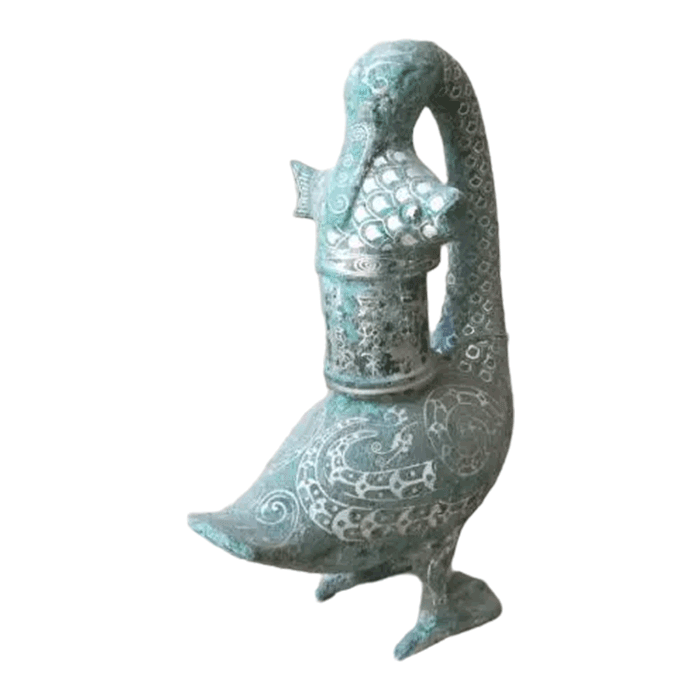
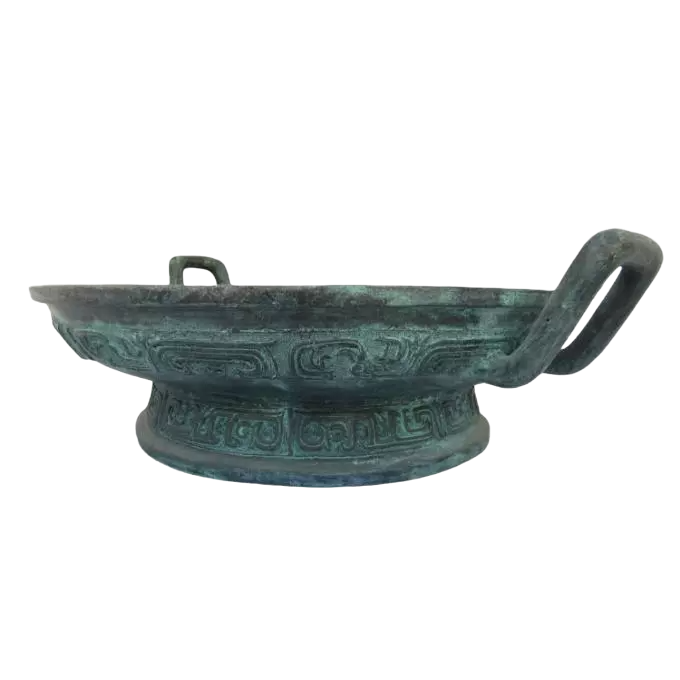
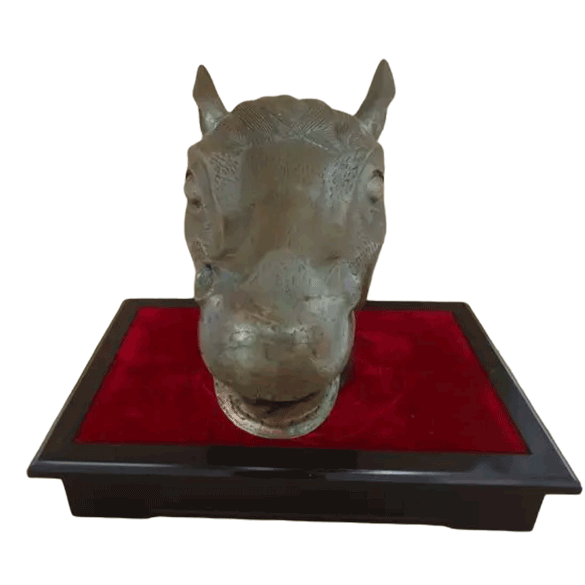
Buyers can discuss existing categories such as human and animal statues, ding, zun, hu vessels, tripods, vases, mirrors, incense burners, Buddhist statues, and decorative bronze artworks. Existing forms may suit buyers who need a starting point for a product assortment. Custom projects are appropriate where the buyer needs a unique form, a specific cultural reference, a private-label presentation, or an artwork developed from supplied visual materials.
For inspiration while defining an assortment, buyers may review Chinese bronze sculpture options and compare how different sculptural formats may fit a gift, retail, or décor program.
How Should Buyers Define a Custom Bronze Request?
A well-prepared inquiry reduces uncertainty and allows both parties to discuss the right production route. Bronze is a material-driven art form: wall thickness, undercuts, projection depth, fragile details, joining points, base design, and finishing all influence the casting process. A clear brief is therefore more valuable than a short request for “a bronze gift quote.”
What files and details should be included in an inquiry?
Buyers should provide as many of the following details as possible:
- Product type, such as statue, vessel, mirror, burner, Buddhist figure, or decorative artwork.
- Reference images, sketches, drawings, photographs, or 3D files where available.
- Required dimensions, including height, width, depth, and base size.
- Target quantity for the sample stage and expected bulk stage.
- Preferred bronze appearance, such as antique, dark brown, green, black, warm brown, or a more modern polished look.
- Requested surface features, including inscriptions, relief patterns, logos, decorative motifs, or serial identification.
- Intended use, such as an executive award, hotel decoration, retail gift, cultural souvenir, religious artwork, or private collection.
- Destination market and any known import, labeling, or outer-carton requirements.
- Requested delivery schedule, so feasibility can be evaluated before confirmation.
Exact reproduction requires particularly careful reference material. When the project concerns an antique-inspired object, provide images from several angles as well as measurements and close-ups of inscriptions, feet, handles, lid details, texture, and color. For context on historic forms, buyers can explore the introduction to bronze wares before preparing a reference package.
Can antique bronzes be replicated?
The company supports the exact replication of antique bronzes as part of its custom bronze art sourcing capabilities. However, “exact” should be discussed in relation to the usable reference material, requested dimensions, surface condition, and intended finish. An old object may show irregular corrosion, wear, repairs, or age-related marks that need to be interpreted in a newly cast piece.
During the inquiry stage, buyers should clarify whether the goal is a faithful visual reproduction, a scaled adaptation, or an antique-inspired design with selected historic features. This distinction helps prevent misalignment between the reference object and the finished artwork. It also allows the buyer to specify whether a museum-style aged look or a cleaner decorative interpretation is preferred.
Materials, Casting, and Surface Finish FAQ
Luoyang Yichuan Bronze Craft Co., Ltd. uses premium Cu-Sn bronze alloy and the traditional lost-wax casting method. Lost-wax casting is well suited to artworks with sculptural detail, expressive surfaces, relief decoration, and complex forms. After casting, skilled craftsmen perform hand chasing, polishing, and patina finishing according to the project requirements.
Why does the casting method matter to gift buyers?
For B2B buyers, the casting process affects more than appearance. It influences how faithfully fine details can be expressed, how seams and surface transitions are finished, and how well a collection can maintain a coherent handcrafted character. For an executive presentation sculpture, these factors shape perceived value. For a distributor assortment, they affect how consistently different pieces communicate the intended product positioning.
The company operates from a 3,000-square-meter production area in Yichuan County, Luoyang, Henan Province, with more than 30 skilled craftsmen, including bronze-casting masters and finishing artisans. This combination of casting and finishing capability is relevant when a buyer needs detailed works rather than generic metal décor.
Can patina color be matched across a project?
Patina is a major purchase consideration for bronze artworks because it determines whether the final object feels antique, ceremonial, decorative, contemporary, or architectural. The company provides antique and modern finishing options and addresses consistent patina color matching for custom bronze art sourcing. Buyers should supply a color reference, such as a physical sample, approved photograph, printed color target, or previously accepted item, whenever possible.
Because lighting can change how a patina appears in photographs, approval expectations should be documented clearly. For example, distinguish between a dark brown base with lighter high points, a green antique treatment concentrated in recessed areas, or a more uniform polished bronze appearance. This is especially important when one project includes several forms, such as statues, vessels, and incense burners.
Are bronze and brass the same material?
No. Bronze and brass are different copper-based alloys, and buyers should confirm the requested material rather than use the terms interchangeably. This supplier uses Cu-Sn bronze alloy for its bronze art pieces. Buyers who are comparing materials can review bronze and brass differences to support more precise product discussions.
Packaging and Export Protection FAQ
How are fragile bronze artworks prepared for shipment?
Bronze objects are durable materials, but finished sculptures and vessels may include vulnerable projecting details such as fingers, wings, horns, handles, finials, thin decorative elements, or separate bases. Protective packaging must account for the actual form rather than rely on a single generic packing approach.
Luoyang Yichuan Bronze Craft Co., Ltd. provides export-compliant protective packaging for fragile sculptures. The packing plan should be discussed during quotation, particularly for large statues, delicate custom forms, or mixed consignments. Buyers should identify whether goods will be shipped individually to recipients, packed for warehouse distribution, consolidated for a retail program, or delivered as display-ready corporate gifts.
What packaging information should a buyer confirm?
Before placing an order, request confirmation of the packing arrangement relevant to the specific artwork. Important points include:
- Whether each item is packed individually or as part of a grouped set.
- How detachable parts, bases, lids, or accessories are secured.
- Whether the artwork requires special protection around protruding details.
- How inner protection and outer cartons are planned for the product size and weight.
- Whether buyer-supplied labels, carton marks, SKU references, or handling instructions are required.
- Whether branded presentation materials need to be supplied by the buyer for inclusion.
For corporate gifts, packaging should support the presentation objective without compromising transport protection. A collector-style vessel may need a different unboxing experience from a retail incense burner or a large lobby sculpture. Communicating the end-use model early helps separate presentation expectations from export-protection requirements.
Can a mixed order include multiple bronze product categories?
A mixed order may include different categories, but every item should be listed separately in the inquiry with its dimensions, quantity, finish, and required packing method. A bronze mirror, a tripod vessel, and an animal statue can have very different protective needs even if all belong to the same branded gift collection. Separate product information also makes it easier to review packing priorities before shipment.
Quality Inspection and After-Sales Support
Quality control should be a defined part of a sourcing decision, not only a final-stage expectation. Luoyang Yichuan Bronze Craft Co., Ltd. is ISO 9001 quality management system certified, and its products comply with export quality inspection standards for art crafts. Quality inspection is conducted before every shipment.
Buyers should confirm the project’s approval points in advance, particularly for custom work. Typical review priorities may include dimensions, overall form, casting completeness, surface finishing, patina direction, assembly, base stability, visible defects, and packing readiness. Defining these criteria early gives the buyer and manufacturer a common basis for final inspection.
What support is available if a casting defect is identified?
The company offers free replacement for casting defects. It also provides after-sales support for patina touch-ups and restoration guidance. For buyers managing resale channels, hospitality installations, or long-term decorative programs, this support can be relevant because bronze surfaces may require appropriate care over time.
When reporting an issue, provide clear photographs, order references, product quantities, and a description of the condition. This creates a more efficient basis for evaluating the concern and discussing the suitable next step.
Final Inquiry Checklist for Distributors and Corporate Buyers
Luoyang Yichuan Bronze Craft Co., Ltd. has an annual output of more than 50,000 bronze art pieces and can support projects from a single custom prototype to bulk production runs. This capacity is useful for buyers who want to begin with a limited evaluation order while retaining a potential path toward larger distribution or gifting requirements.
Before sending a final inquiry, use the following checklist to make the quotation process more productive:
- Define the product category and intended end use.
- Attach complete visual references and required dimensions.
- State sample quantity, anticipated bulk quantity, and target market.
- Describe the requested bronze finish and patina reference.
- Identify any inscriptions, logos, labels, or custom presentation requirements.
- Explain whether antique replication, design adaptation, or original artwork development is required.
- Specify fragile areas and the desired shipping or distribution format.
- Request confirmation of inspection points and protective packaging arrangements.
| Buyer Requirement | Information to Provide | Why It Matters |
|---|---|---|
| Custom sculpture | Reference images, size, material appearance, quantity | Supports discussion of casting, finishing, and prototype scope |
| Corporate gift collection | Recipient use, product mix, logo needs, presentation goals | Helps align artwork selection and packing requirements |
| Distributor order | SKU list, quantities, target market, carton marking needs | Supports organized production and shipment preparation |
| Antique-inspired vessel | Multi-angle images, measurements, pattern details, patina target | Clarifies the intended degree of replication and surface character |
Buyers seeking a project-specific approach can customize a bronze sculpture by preparing a concise but complete brief. For supplier background, the about Sculpmart page offers an additional introduction to the business.
A successful bronze sourcing inquiry balances artistic expectations with production information. By clarifying MOQ, custom requirements, patina standards, inspection priorities, and protective packaging before order confirmation, distributors and corporate-gift buyers can build a more dependable basis for evaluating a bronze manufacturer and selecting the right artwork for their program.