Traditional Chinese Bronze Gifts: Buyer Guide
How to Choose Traditional Chinese Bronze Gifts for Import and Retail Programs
Choosing bronze gifts for an import program, museum shop, corporate gifting range, interior décor collection, or specialty retail business requires more than selecting an attractive shape. Buyers need to evaluate cultural relevance, casting quality, surface finishing, customization capability, packaging protection, and the supplier’s ability to meet agreed specifications consistently.
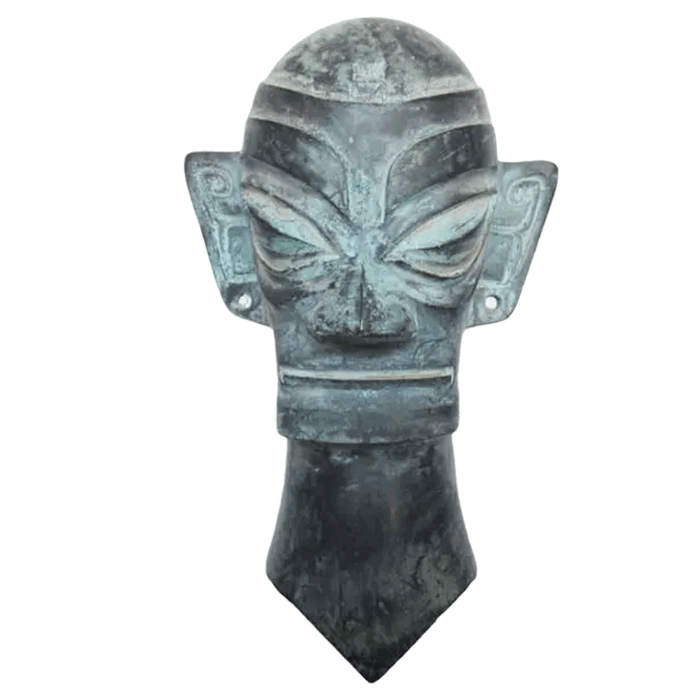
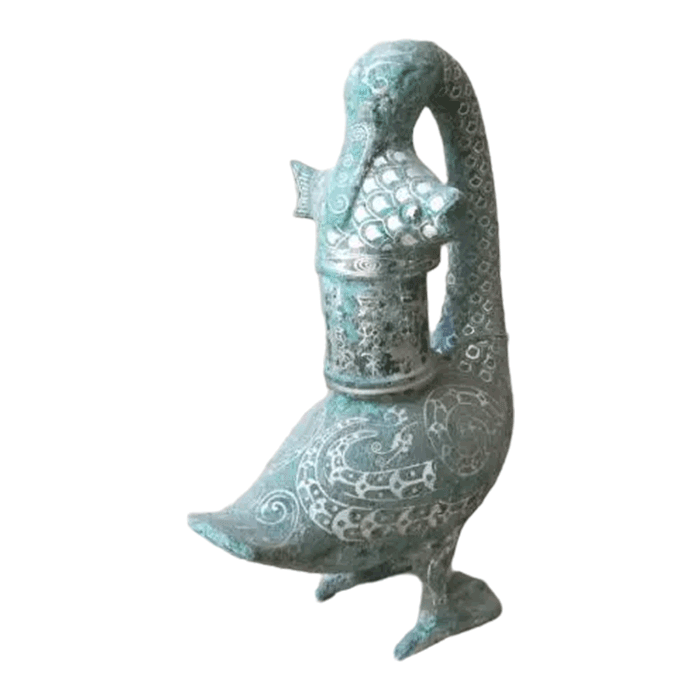
Bronze objects have a long history in Chinese art and ceremonial culture. Vessels, animal figures, human sculptures, mirrors, incense burners, and Buddhist statues can all be developed as meaningful gifts when the proportions, decorative motifs, patina, and presentation are appropriate for the intended market. For professional buyers, the objective is to source pieces that communicate cultural value while remaining practical to merchandise, ship, display, and reorder.
Luoyang Yichuan Bronze Craft Co., Ltd. is located in Yichuan County, Luoyang, Henan Province, with a 3,000-square-meter production area and more than 30 skilled craftsmen, including bronze-casting masters and finishing artisans. The company produces more than 50,000 bronze art pieces annually and supports orders ranging from a single custom prototype to negotiated bulk production runs. These capabilities are relevant for buyers who need both design flexibility and a structured supply basis before requesting a quotation.
Define the Gift Category Before Comparing Suppliers
The first sourcing decision is to define what type of bronze product best fits the buyer’s customer base, price positioning, sales channel, and presentation needs. A small decorative object suitable for a corporate desk gift has different requirements from a large outdoor sculpture or a collectible reproduction for a cultural retailer.
Bronze vessels for heritage-inspired collections
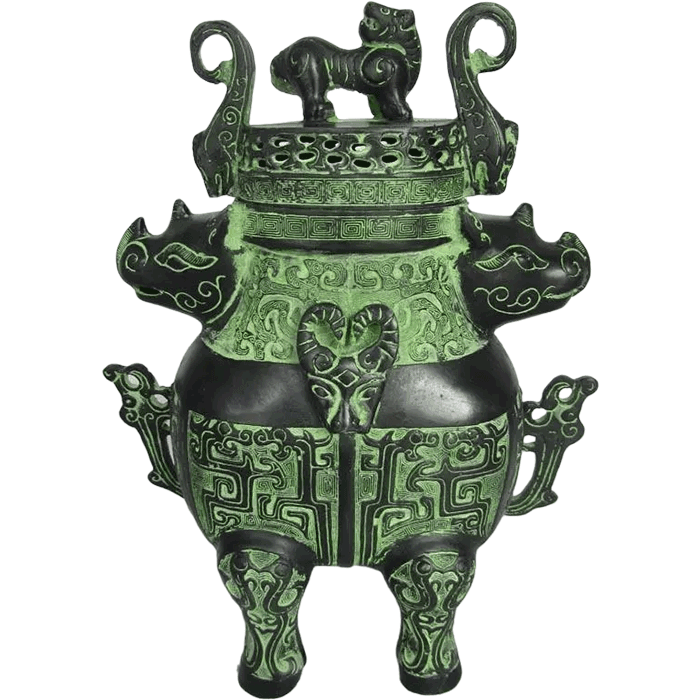
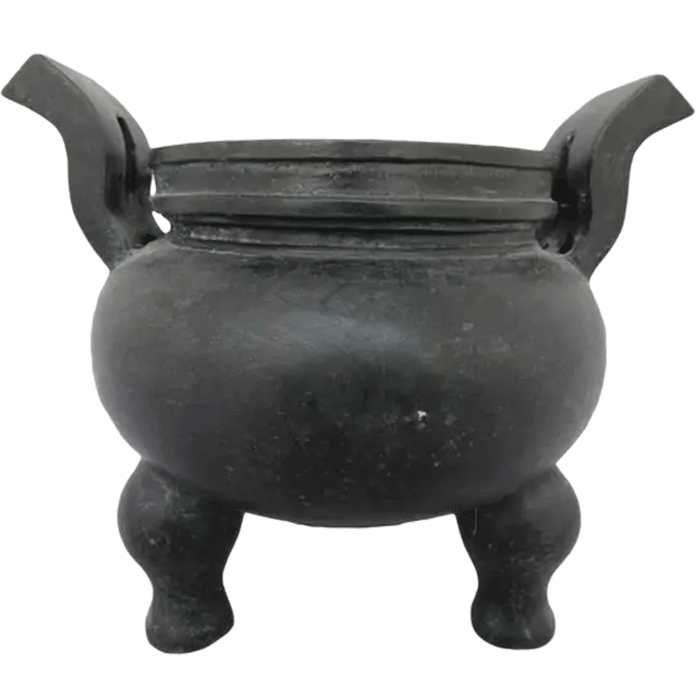
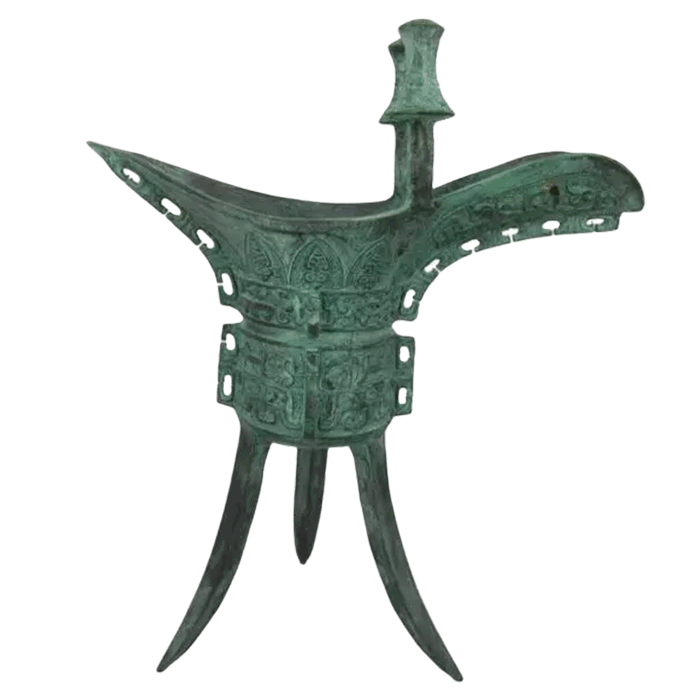
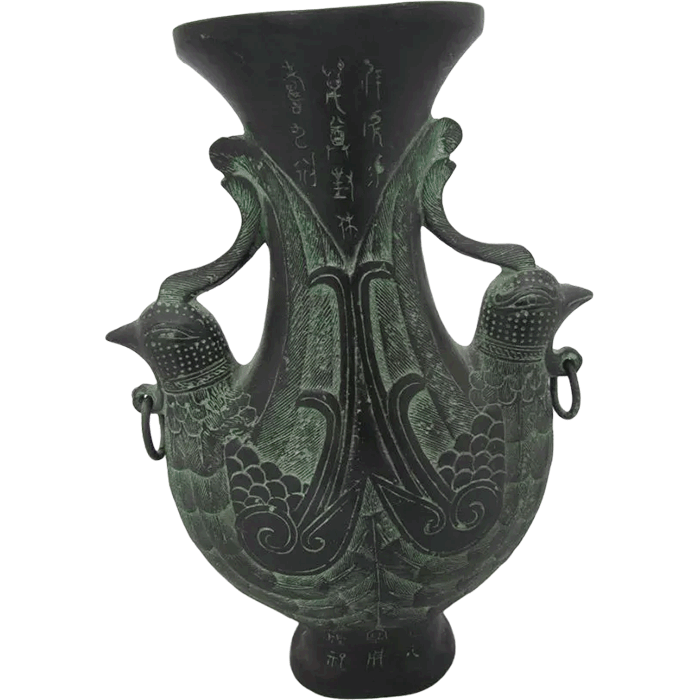
Bronze vessels are often suitable for buyers seeking a strong connection to ancient Chinese visual traditions. Common forms include ding tripods, zun vessels, hu vases, and other ceremonial-inspired containers. Their value comes from silhouette, decorative bands, handles, feet, inscriptions, and carefully controlled patina.
When reviewing vessel designs, assess whether the form has enough visual impact at the intended retail scale. Very intricate shapes may appeal to collectors, while cleaner forms can work better for hospitality gifts, office décor, and contemporary interior projects. Buyers may also review introduction to several bronze wares to better understand the range of traditional vessel categories and their visual characteristics.
Human and animal statues for decorative gifting
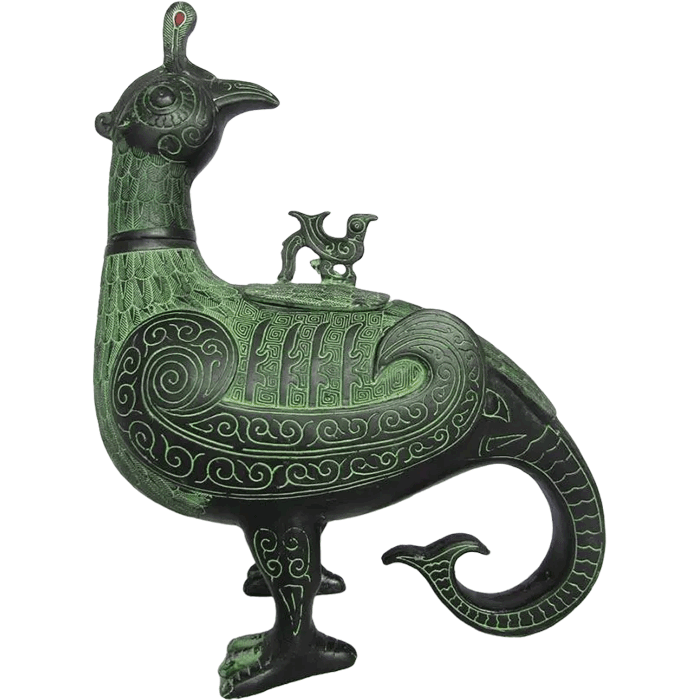
Human and animal sculptures offer broad flexibility because they can be designed around cultural figures, symbolic animals, historical references, or modern artistic themes. Small animal statues may suit gift retailers and corporate programs, while larger human sculptures may be more appropriate for collectors, landscape projects, and premium presentation spaces.
For these products, buyers should inspect the modeling quality from all angles. Important considerations include facial definition, anatomical balance, movement, stability, thin elements, casting seams, and the clarity of small surface details. A well-designed sculpture should remain visually strong whether it is viewed in a product photograph, on a retail shelf, or in a customer’s home or office.
Buyers looking for thematic sculpture options can review bronze statues with different themes when planning a collection that includes figurative or decorative bronze pieces.
Functional and spiritual gift categories
Bronze mirrors, incense burners, and Buddhist statues can address more specialized market segments. Mirrors may be selected for decorative symbolism and patterned backs. Incense burners can suit tea culture, meditation, interior styling, and traditional gift programs. Buddhist statues require especially careful handling of iconography, proportions, finishing, and intended end use.
Before selecting these categories, clarify whether the item is primarily decorative, ceremonial, collectible, or functional. This affects the design, packaging, product information, and target customer profile. A gift retailer should also confirm whether a product needs accessories, protective inserts, care instructions, or a display base.
Assess Material, Casting Method, and Surface Finish
The appearance of a bronze gift can be influenced by the underlying alloy, mold quality, pouring process, hand finishing, and patina application. Buyers should ask direct technical questions instead of relying only on photographs. A supplier should be able to explain how the item is made and what finishing options are available.
Luoyang Yichuan Bronze Craft Co., Ltd. uses premium Cu-Sn bronze alloy and the traditional lost-wax casting method. Lost-wax casting is particularly relevant for sculptural pieces and vessels with complex contours because it supports detailed reproduction of modeled surfaces. After casting, products can receive hand chasing, polishing, and patina finishing in antique or modern visual styles.
What to inspect in a bronze sample
- Definition of detail: Decorative lines, scales, textile textures, inscriptions, and facial features should be clear rather than softened by poor finishing.
- Surface consistency: The exterior should not show distracting casting defects, unwanted pits, rough patches, or unplanned seams.
- Structural balance: The object should stand securely and should not be prone to tipping because of an unstable base or uneven weight distribution.
- Wall thickness: The casting should be appropriate for the object’s size, form, and expected handling requirements.
- Patina appearance: The color should support the design and remain consistent across the agreed production batch.
- Hand-finishing quality: Polished highlights, chased details, and textured areas should look intentional and professionally controlled.
It is useful to distinguish bronze from other copper-based metals when developing product specifications. Material terminology can affect customer expectations, product descriptions, and perceived value. Buyers may consult the difference between bronze and brass when preparing internal sourcing standards or retail product information.
For antique-inspired products, patina must be considered as part of the product specification, not as a general decorative preference. Define the desired color family, such as dark brown, warm reddish brown, blackened bronze, green-toned antique surface, or a mixed aged effect. Reference photographs should indicate acceptable variation, highlight placement, recess color, and the desired balance between polished and aged areas.
Choose Designs That Match the Intended Market
Successful gift sourcing starts with the end customer. A design that appeals to a collector of historical art may not be the right choice for a corporate gifting campaign or a contemporary home décor retailer. Before asking suppliers to quote, establish a brief covering customer profile, retail price target, product dimensions, key visual references, and preferred packaging style.
For museum, cultural, and heritage retailers
These buyers may prioritize historical references, traditional vessel shapes, decorative motifs, and detailed replication. They should consider whether the product is intended as an inspired design or as a close reproduction of a reference object. For replication projects, the supplier needs clear images, dimensions, views from multiple angles, surface references, and any requirements related to inscriptions or decorative patterns.
Luoyang Yichuan Bronze Craft Co., Ltd. supports exact replication of antique bronzes as part of its custom bronze art capability. Buyers should nevertheless provide complete source materials and confirm the final design before production, especially when a product includes difficult relief work, animal handles, complex legs, or historical surface effects.
For gift retailers and lifestyle brands
Retail-oriented collections often benefit from a balanced product range. Consider combining small sculptures, compact incense burners, decorative mirrors, vases, and symbolic animal figures at different size and price levels. This can give retail customers multiple entry points while maintaining a coherent collection story.
For example, a buyer may choose a small animal statue as an accessible gift item, a bronze mirror as a decorative mid-range product, and a larger vessel as a premium centerpiece. Packaging dimensions and product weight should be considered early because these details influence freight planning, shelf presentation, and final retail margins.
For corporate and institutional gifts
Corporate gift programs often require a refined but manageable design. The ideal item may need a stable base, a suitable location for a logo plate or commemorative message, and packaging that presents the object professionally. Avoid selecting a highly fragile design when the item will be distributed to many recipients or shipped to multiple locations.
Custom bronze artworks can be developed from a concept, drawing, reference image, or existing object. The company accepts custom sculpture orders from one piece, while bulk-order terms can be discussed according to size and design complexity. This allows buyers to begin with a prototype or approval sample before committing to a larger program.
Verify Customization, Sampling, and Production Communication
For import buyers, communication quality is often as important as the product itself. Bronze casting involves multiple stages, including model development, mold preparation, wax work, casting, welding where required, chasing, polishing, patina application, and final inspection. A reliable quotation process should identify the key specifications that influence cost and production complexity.
Provide the following information when requesting a quotation:
- Product category, such as statue, vessel, mirror, incense burner, or Buddhist figure.
- Required dimensions, including height, width, length, base size, and approximate target weight if available.
- Reference images, sketches, CAD files, or physical sample information.
- Expected order quantity and whether a prototype is required first.
- Desired bronze color, antique effect, polish level, and patina references.
- Packaging expectations, including individual boxes, foam protection, wooden crates, labels, or retail-ready presentation.
- Destination market and any required shipping or import documentation considerations.
During sampling, buyers should request clear review points rather than approving only a final photograph. Depending on the project, these may include the initial design interpretation, wax model, raw casting, preliminary finishing, patina sample, and completed product. This structured approach helps reduce misunderstandings about proportions, facial features, color depth, and decorative details.
For buyers planning a bespoke program, the option to customize a bronze sculpture can help establish the information needed for an accurate proposal. The earlier the buyer identifies critical details, the easier it is to align the sample with commercial expectations.
Evaluate Quality Control, Packaging, and Supplier Reliability
Bronze is durable, but bronze artworks can still be damaged by poor handling, inadequate internal cushioning, movement inside cartons, moisture exposure, or impacts during international transportation. Buyers should evaluate packaging as part of product quality, especially for sculptures with projecting parts, vessel handles, thin decorative elements, and fragile bases.
Ask how each item will be immobilized inside the package and whether the outer packaging is suitable for the product’s dimensions and weight. For premium or fragile pieces, buyers may need export-oriented protective packing designed to minimize abrasion and impact risk. Product photographs taken before packing can also be useful for shipment records and receiving inspections.
Luoyang Yichuan Bronze Craft Co., Ltd. provides export-compliant protective packaging for fragile sculptures and performs quality inspection before every shipment. The company is ISO 9001 quality management system certified, and its products comply with export quality inspection standards for art crafts. These are practical trust signals for buyers assessing whether a supplier has a defined quality-management basis rather than relying on visual appeal alone.
Questions to include in supplier evaluation
- Can the supplier produce a prototype before bulk production?
- What bronze alloy and casting method will be used?
- How will the agreed patina be matched across production pieces?
- What inspection steps take place before shipment?
- How will the product be packed for export transport?
- What support is available if a casting defect is identified?
- Can the supplier provide guidance for patina maintenance or restoration?
Luoyang Yichuan Bronze Craft Co., Ltd. offers free replacement for casting defects and after-sales support for patina touch-ups and restoration guidance. Buyers should document any approved sample, finish reference, packaging requirement, and product specification in writing so that post-shipment evaluation can be made against agreed standards.
Build a Practical Bronze Gift Sourcing Plan
The best sourcing decisions combine cultural appeal with measurable production requirements. Rather than selecting a product solely because it appears traditional, importers and retailers should define what “traditional” means for their collection: an ancient vessel silhouette, a symbolic animal, a Buddhist image, a patterned mirror, an aged green patina, or a faithful antique reproduction.
Start with a focused range, request complete specifications, and use samples to verify casting detail and surface quality. Then assess whether the supplier can support the commercial realities of the program, including order quantity, customization, consistent finishing, inspection, packaging, and after-sales communication.
Traditional Chinese Bronze Gifts can become distinctive long-term products when buyers select the right category, establish clear quality references, and work with a manufacturer capable of supporting both artistic detail and export requirements. With Cu-Sn bronze, lost-wax casting, skilled hand finishing, and production capacity for custom or bulk programs, Luoyang Yichuan Bronze Craft Co., Ltd. can support buyers seeking bronze art pieces with a defined sourcing process and professional quality controls.