The Lost-Wax Bronze Casting Process Explained
Understanding the Intricate Lost-Wax Bronze Casting Process for Superior Artistry
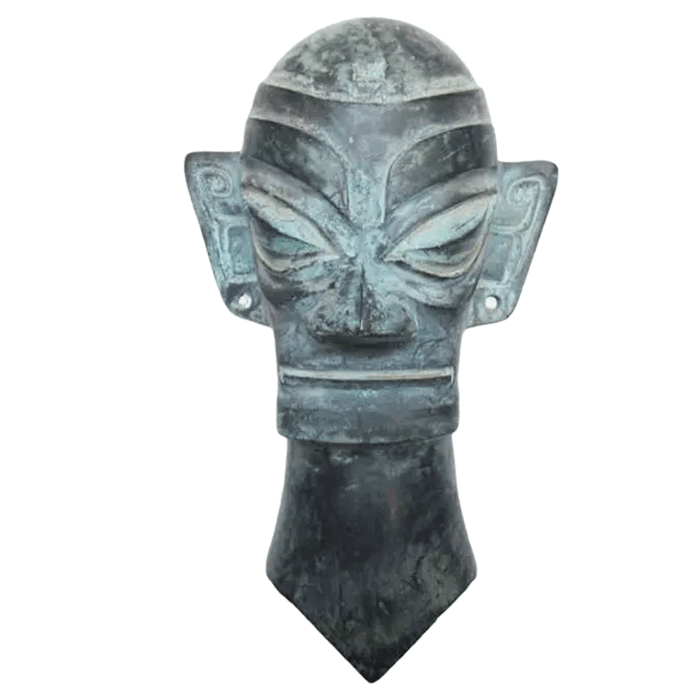
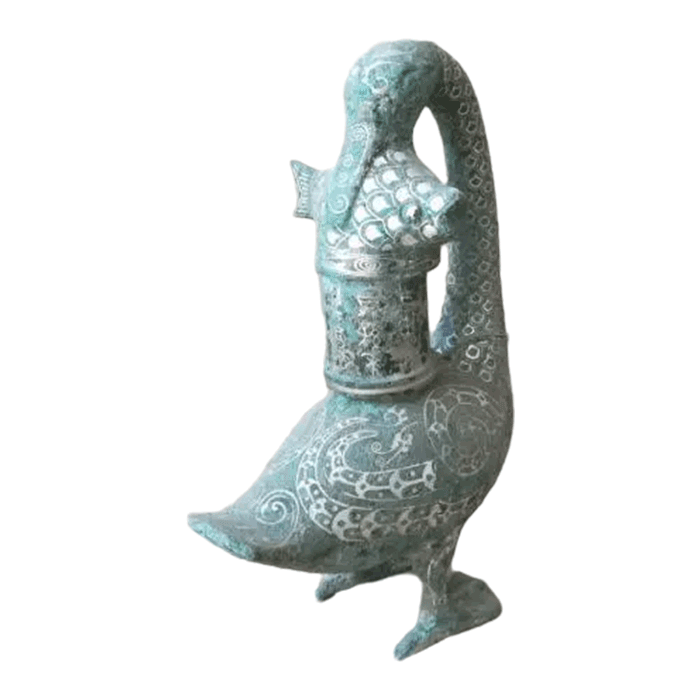
The creation of a bronze sculpture, whether a majestic monument, a detailed museum replica, or an exquisite decorative piece, relies on a centuries-old technique renowned for its precision and ability to capture intricate detail: the lost-wax bronze casting process, also known as cire perdue. This method, perfected over millennia, transforms artistic vision into durable, three-dimensional bronze artworks. For artists, curators, and designers seeking unparalleled quality and fidelity in their bronze pieces, understanding this complex multi-stage process is crucial. Luoyang Yichuan Bronze Craft Co., Ltd. proudly continues this tradition, combining ancient craftsmanship with modern quality management to produce bronze art that meets the highest international standards.Our commitment to excellence is reflected in our ISO 9001 quality management system certification, ensuring that every product complies with stringent export quality inspection standards for art crafts. With an annual output exceeding 50,000 bronze art pieces, we are equipped to support projects ranging from a single custom prototype to extensive bulk production runs. Our minimum order quantity for custom sculptures starts from just one piece, offering flexibility for unique artistic endeavors, while bulk orders are negotiated to provide optimal value based on size and design complexity. Located in Yichuan County, Luoyang, Henan Province, our 3,000 square meter production facility houses over 30 skilled craftsmen, including revered bronze-casting masters and meticulous finishing artisans. These experts are the custodians of the lost-wax method, ensuring that each bronze sculpture, vessel, mirror, or incense burner achieves its intended form and aesthetic.
The Ancient Origins and Enduring Value of Cire Perdue
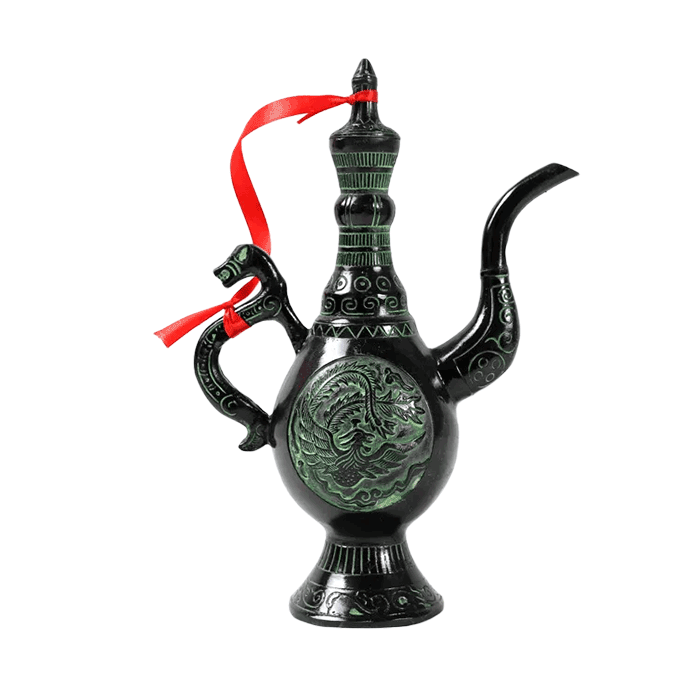
The lost-wax casting technique dates back thousands of years, with evidence of its use found in ancient civilizations across the globe, from the Indus Valley and ancient Egypt to classical Greece and China. Its longevity is a testament to its effectiveness in producing highly detailed and complex metal objects that would be impossible to create with simpler methods. The fundamental principle involves creating a wax model of the desired object, encasing it in a mold, melting out the wax, and then pouring molten metal into the hollow cavity left behind. This process allows for the creation of intricate forms, delicate textures, and hollow structures, all of which contribute to the artistic and structural integrity of the final bronze piece.At Luoyang Yichuan Bronze Craft Co., Ltd., we utilize a premium bronze alloy (Cu-Sn), carefully selected for its casting properties, strength, and ability to achieve rich patinas. This material, combined with the traditional lost-wax method, ensures that our bronze sculptures, such as chinese bronze sculpture or bronze statues with different themes, possess the historical authenticity and artistic quality expected by discerning clients. The enduring value of cire perdue lies not only in its ability to replicate fine details but also in its capacity to create durable art pieces that can withstand the test of time, much like the ancient artifacts that inspire many of today's collectors and institutions. Our expertise extends to replicating antique bronzes with exact precision, addressing a common pain point for museum-quality reproductions.
Step-by-Step: Deconstructing the Lost-Wax Bronze Casting Process
The journey from an initial concept to a finished bronze masterpiece involves numerous meticulous steps, each requiring specialized skill and attention to detail. This intricate sequence ensures that every nuance of the artist's original vision is faithfully translated into bronze.1. Creating the Original Model (Master Pattern)
The process begins with the creation of the original sculpture or master pattern. This can be made from various materials such as clay, wood, or a 3D print. For custom bronze artworks, our artisans work closely with clients to develop or refine this initial model, ensuring it perfectly captures the desired form, expression, and details. This stage is critical as every subsequent step will aim to replicate the precision of this master pattern.
2. Making the Master Mold
Once the master pattern is finalized, a flexible master mold is created around it. This mold, typically made from silicone rubber, captures every minute detail of the original. After the silicone cures, a rigid outer shell (mother mold) made of plaster or fiberglass is constructed to support the flexible silicone during subsequent wax pouring. This two-part mold ensures that the delicate details are preserved and the mold maintains its shape.
3. Producing the Wax Model
Molten wax is then poured into the master mold. The wax is allowed to cool and solidify against the mold walls, creating a hollow wax replica of the original sculpture. This wax model is often made in sections, especially for larger or more complex pieces, which are then meticulously joined together and "chased" – meaning any seams or imperfections are carefully removed and details refined by hand. For complex pieces like customize a bronze sculpture from sculpmart.com, this step is where the true artistry of our craftsmen shines, ensuring the wax model is a perfect representation of the final bronze.
4. Spruing the Wax Model
Vent and pour channels, known as "sprues," are attached to the wax model. These channels will serve as pathways for the molten bronze to enter the mold and for air and gases to escape during casting. The placement and design of the sprues are critical for a successful pour, preventing air bubbles and ensuring the bronze fills every part of the cavity evenly.
5. Creating the Ceramic Shell
The sprued wax model is repeatedly dipped into a ceramic slurry and then coated with a fine refractory sand. This process is repeated multiple times, with drying periods in between, to build up a robust ceramic shell around the wax. This shell must be strong enough to withstand the heat and pressure of molten bronze. For larger sculptures, a more robust shell might be required, often using coarser ceramic materials in later layers.
6. Dewaxing (Lost Wax)
The ceramic shell, now fully cured, is heated in a kiln. As the temperature rises, the wax inside melts and flows out, leaving a hollow ceramic mold. This is the origin of the "lost-wax" name. The wax is either collected for reuse or simply burned away. The kiln process also hardens the ceramic shell, making it ready for casting.
7. Pouring the Bronze
The empty ceramic shell is preheated to a high temperature, and molten bronze (our premium Cu-Sn alloy) is poured into the sprue channels. The preheating prevents thermal shock, ensuring the bronze flows smoothly and fills every cavity without cracking the mold. Our experienced bronze-casting masters meticulously oversee this critical stage, ensuring the correct temperature and careful pouring technique.
8. Breaking the Mold and Chasing
Once the bronze has cooled and solidified, the ceramic shell is carefully broken away, revealing the raw bronze casting. This initial bronze piece will have the sprues still attached. These channels are cut off, and the surface of the bronze is meticulously "chased" – a process of grinding, filing, and welding to remove any remaining sprue marks, seam lines, or imperfections. Our finishing artisans employ hand chasing techniques to restore intricate details that might have been lost or dulled during casting, bringing the sculpture to life.
9. Polishing and Patina Application
The bronze surface is then polished to achieve the desired smoothness and luster. Following this, the patina is applied. Patina is a chemical treatment that reacts with the bronze to create a colored surface finish, adding depth, character, and an aged appearance. Our experts can achieve a wide range of finishes, from antique looks that replicate historical pieces to modern, vibrant patinas. Achieving consistent patina color matching across multiple pieces is one of our specialties, solving a common challenge for clients with large or multi-part orders.
10. Sealing and Protective Packaging
Finally, a protective wax or lacquer coating is applied to seal the patina and protect the bronze from environmental elements. Before every shipment, each piece undergoes a rigorous quality inspection to ensure it meets our exacting standards. We also provide export-compliant protective packaging specifically designed for fragile sculptures, ensuring safe transit to international destinations. We stand by our craftsmanship, offering free replacement for casting defects and after-sales support for patina touch-ups and restoration guidance, demonstrating our long-term commitment to our clients.
Ensuring Precision and Quality in Bronze Production
The success of the lost-wax bronze casting process hinges on a combination of skilled craftsmanship, high-quality materials, and stringent quality control. At Luoyang Yichuan Bronze Craft Co., Ltd., these elements are at the core of our operations. Our team of over 30 skilled craftsmen, including revered bronze-casting masters, possesses generations of inherited knowledge and honed expertise. They understand the nuances of bronze alloy behavior, the intricacies of mold making, and the art of patina application. This deep institutional knowledge, combined with our commitment to continuous improvement under the ISO 9001 standard, ensures that every piece leaving our facility is a testament to superior artistry and engineering.For clients globally, sourcing custom bronze art often presents challenges such as ensuring exact replication of antique bronzes, achieving consistent patina color matching across batches, and guaranteeing export-compliant protective packaging for fragile sculptures. We specifically address these pain points. Our meticulous approach to every stage of production, from the initial wax model to the final patina and packaging, is designed to eliminate these concerns. Our quality inspection before every shipment is not just a formality; it is a critical checkpoint to verify that each bronze artwork meets the client's specifications and our own high internal benchmarks.
Partnering for Excellence in Bronze Art Manufacturing
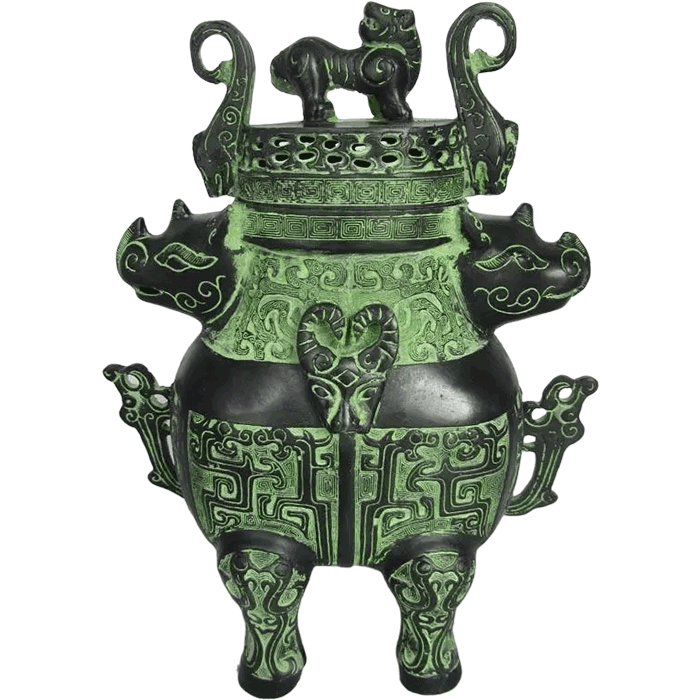
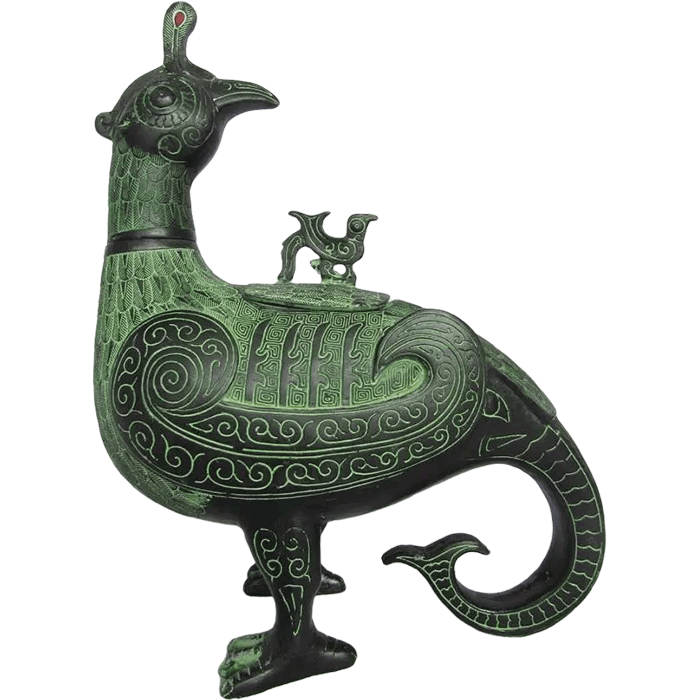
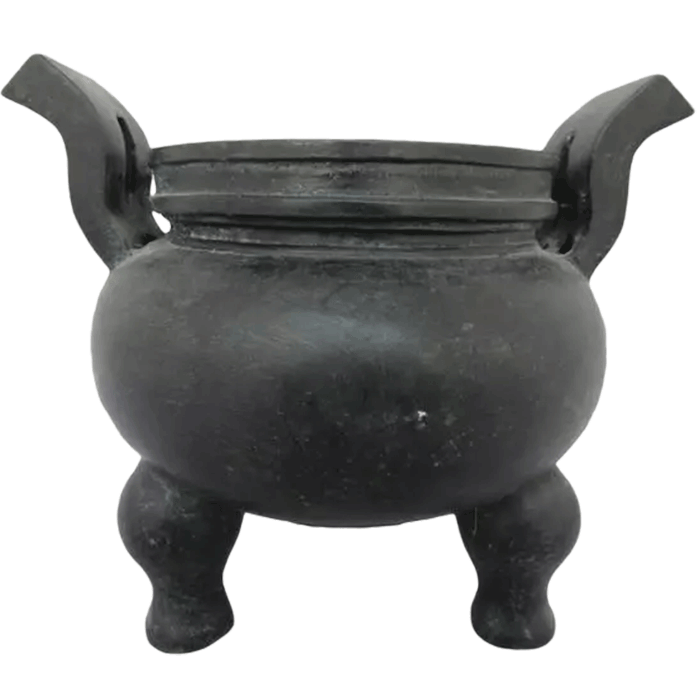
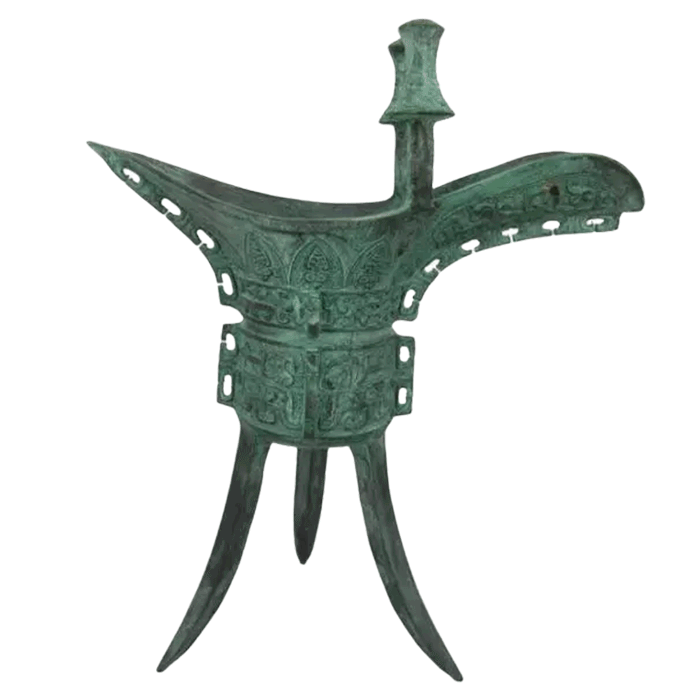
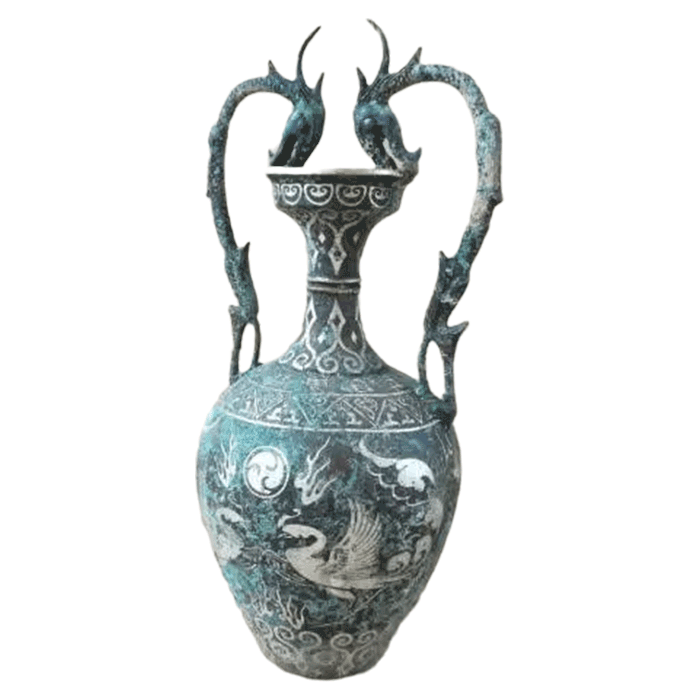
Choosing the right manufacturing partner for your bronze art projects is paramount. Luoyang Yichuan Bronze Craft Co., Ltd. offers a comprehensive solution for artists, designers, and institutions seeking reliable, high-quality bronze production. Whether you require intricately detailed bronze statues with different themes or magnificent animal bronze statues, our capabilities extend to a broad range of products, including bronze vessels (ding, zun, hu tripods and vases), bronze mirrors, bronze incense burners, and intricate bronze Buddhist statues.Our facility's capacity to produce over 50,000 bronze art pieces annually, coupled with our flexibility for both single custom prototypes and large-scale bulk orders, positions us as a versatile and dependable partner. We not only provide free replacement for any casting defects but also offer dedicated after-sales support for patina touch-ups and restoration guidance, ensuring the longevity and continued beauty of your bronze investments. By choosing Luoyang Yichuan Bronze Craft Co., Ltd., you are partnering with a company that blends the ancient art of the lost-wax method with modern manufacturing efficiency and unwavering quality assurance, delivering bronze artworks that endure and inspire.