The Lost Wax Bronze Casting Process Explained Step by Step
Understanding the Lost Wax Bronze Casting Process from Wax Model to Final Pour
For buyers who are new to sourcing bronze art, the production journey behind a finished sculpture, vessel, or Buddhist statue can seem mysterious. Yet the method used to create most fine bronze pieces today is remarkably similar to techniques practiced thousands of years ago. This guide walks first-time buyers and art-project teams through each stage of production, so you know exactly what to expect when commissioning custom work or placing a bulk order with a bronze foundry.
What Is Lost-Wax Casting and Why It Matters for Buyers
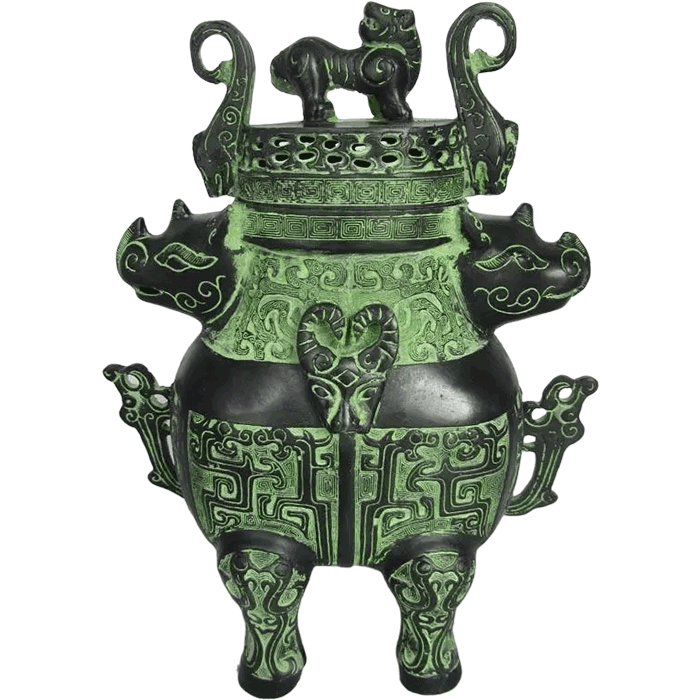
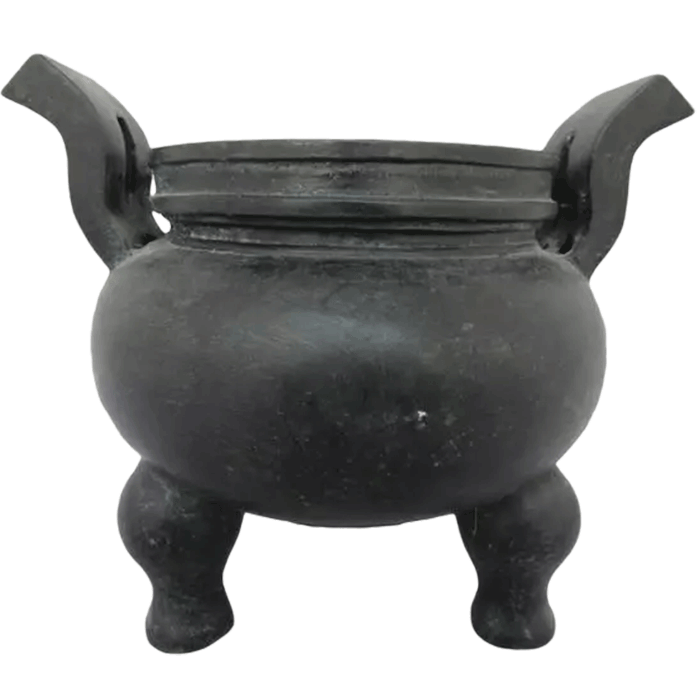
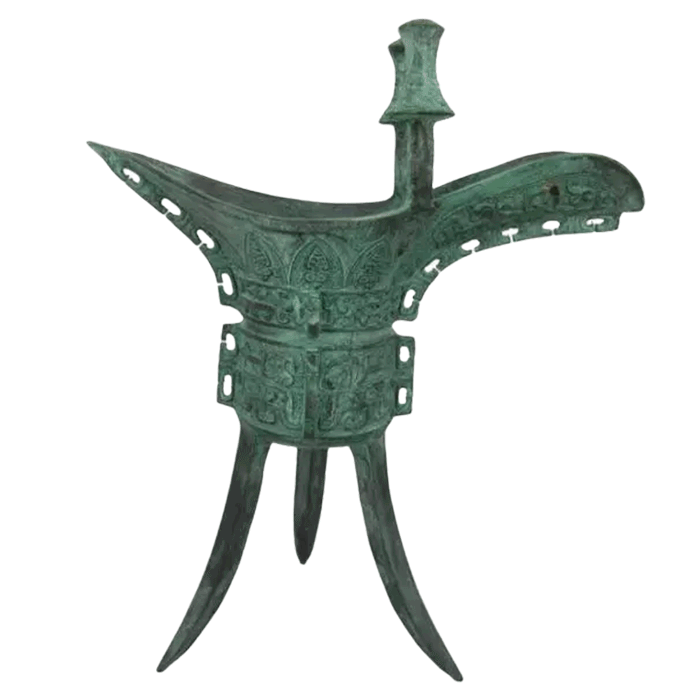
Lost-wax casting, also known as investment casting, is a metal-forming method that allows highly detailed, one-of-a-kind bronze objects to be reproduced with precision. Unlike sand casting or mold-based mass production, this technique captures fine surface texture, intricate patterns, and sculptural nuance — which is why it remains the standard for museum-quality replicas, temple statues, and decorative bronze vessels such as ding, zun, and hu forms.
For buyers evaluating suppliers, understanding this workflow helps you ask better questions during quoting: How is the wax model approved? What alloy is used? How is surface finishing handled? Knowing the sequence also explains why lead times vary between a single custom prototype and a bulk production run, and why some level of hand finishing is unavoidable in premium bronze work.
Step-by-Step Breakdown of the Casting Sequence
1. Sculpting the Original Model
Every project begins with a physical or digital sculpture. Skilled artisans shape the original form in clay, plaster, or wax, working from client references, historical replicas, or original designs. For projects requiring exact replication of antique bronzes, this stage demands careful comparison against source photographs or physical samples to match proportions, surface texture, and ornamental detail. Buyers researching design inspiration often browse existing collections such as chinese bronze sculpture references before finalizing a brief.
2. Creating the Wax Pattern
A mold is taken from the original sculpture, and molten wax is poured or pressed into it to produce a hollow wax replica. This wax pattern is an exact duplicate of the intended final piece, including every surface detail. Any seams are cleaned by hand, and separate wax components — such as arms, drapery, or decorative handles — are attached and refined before moving forward.
3. Building the Ceramic Shell (Investment)
The wax pattern is fitted with wax rods called sprues and gates, which will later form channels for molten metal and escaping gases. The entire assembly is then dipped repeatedly into a ceramic slurry and coated with fine sand, building up a hard shell layer by layer. This shell must dry fully between coats, which is one reason detailed sculptures take longer to produce than simple vessel shapes.
4. Burning Out the Wax
Once the ceramic shell has hardened, it is placed in a kiln and heated until the wax melts and drains out completely — this is the step that gives the method its name. What remains is a hollow ceramic mold in the exact negative shape of the original sculpture, ready to receive molten bronze.
5. Pouring the Bronze
At this central stage of the lost wax bronze casting process, a premium copper-tin (Cu-Sn) bronze alloy is melted at high temperature and poured carefully into the preheated ceramic shell. Correct alloy composition affects not only strength and longevity but also how the surface will later respond to patina treatment. This is a critical control point for foundries, since inconsistent alloy ratios are a common cause of uneven coloring in finished pieces.
6. Shell Removal and Metal Chasing
After cooling, the ceramic shell is broken away, revealing the raw bronze casting. Sprues and gates are cut off, and skilled finishing artisans begin the chasing process — filing, grinding, and polishing the surface to remove casting seams and refine fine details that the mold could not fully capture. For sculptures with multiple cast sections, this stage also includes precision welding and seam blending so joints become invisible.
7. Surface Finishing and Patina
The final stage determines the visual character of the piece. Using heat and chemical patina solutions, craftsmen develop the desired surface color — from deep antique greens and browns to modern polished tones. Consistent patina color matching across a bulk order is one of the more technically demanding parts of production, requiring experienced colorists who can replicate a specific tone across dozens or hundreds of units.
Common Applications Across Bronze Product Categories
This casting method is used across a wide range of bronze products, though each category has its own finishing considerations.
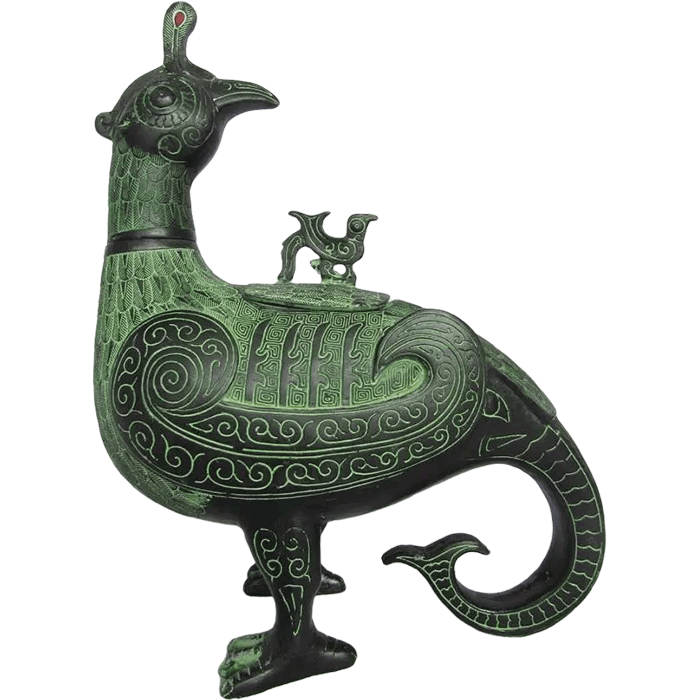
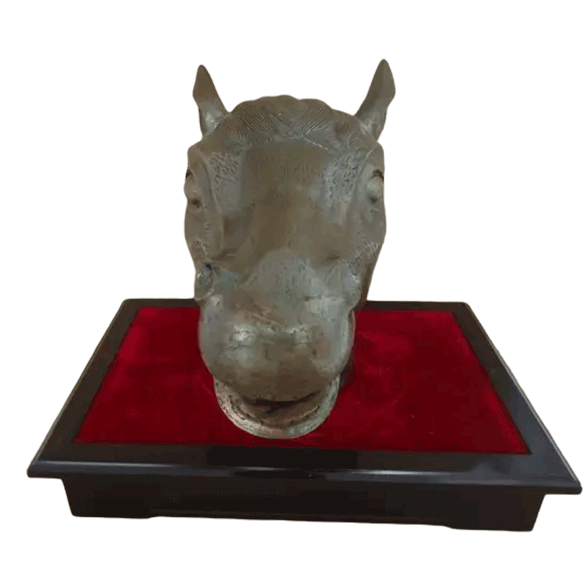
- Bronze sculptures — both human and animal statues rely on this process to preserve fine anatomical detail and dynamic poses. Buyers exploring options can review bronze statues with different themes or animal-themed pieces for reference.
- Bronze vessels — ding, zun, and hu tripods and vases require precise wall thickness control during casting to avoid warping or cracking during cooling.
- Bronze mirrors — thin, flat forms demand careful shell construction to prevent distortion, since even minor warping affects reflective surface quality.
- Bronze incense burners — often feature pierced or openwork designs that test the limits of wax pattern detail.
- Bronze Buddhist statues — combine sculptural precision with symbolic proportion requirements, often following traditional iconographic standards.
- Custom bronze artworks — may combine multiple cast sections, mixed finishes, or non-standard alloys depending on the design brief.
Buyers interested in the cultural background of these forms may find it useful to read about the evolution of bronze culture over 2000 years, which provides context for why certain vessel shapes and decorative motifs remain popular in commissioned work today.
Quality Control Checkpoints During Production
A responsible foundry does not treat casting as a single event but as a series of checkpoints, each with its own inspection standard.
Wax Stage Approval
Before the ceramic shell is built, the wax pattern should be reviewed against the client's approved design or reference photos. Catching proportion or detail issues here avoids costly rework later.
Post-Casting Inspection
After the ceramic shell is removed, the raw casting is checked for porosity, cracks, or incomplete fill — defects that can occur if metal temperature or pouring speed was not properly controlled. Under an ISO 9001-certified quality system, these checks are documented as part of the standard workflow, and pieces that do not meet requirements are recast rather than shipped.
Pre-Shipment Review
Before any order leaves the workshop, finished pieces undergo a final inspection covering surface finish, patina consistency, and structural integrity. Packaging is also inspected at this stage, since bronze sculptures are fragile in transit and require export-compliant protective crating to prevent damage to fine details or patina surfaces during international shipping.
Planning a Custom Bronze Order
Because each stage of the lost-wax method involves hand skill, timelines depend on sculptural complexity, size, and the number of pieces required. A single commissioned sculpture follows the full sequence from original modeling through final patina, while bulk orders of a repeated design can share molds after the first approved prototype, improving consistency across units. Buyers planning a project — whether a single museum-style replica or a themed batch of decorative pieces — benefit from discussing proportions, alloy choice, and finish samples with the foundry before production begins. Those exploring options for a themed collection can review customize a bronze sculpture from sculpmart.com to understand how design specifications are typically gathered and confirmed prior to casting.
After delivery, ongoing support matters too. Bronze surfaces, particularly patina finishes, can be affected by handling, climate, or long-term display conditions. Suppliers who offer after-sales guidance for patina touch-ups or minor restoration give buyers more confidence when investing in pieces meant to last for decades, whether displayed indoors or in outdoor settings.
Final Thoughts for First-Time Buyers
Learning the sequence behind the lost wax bronze casting process gives buyers a practical framework for evaluating suppliers, setting realistic timelines, and asking informed questions about alloy composition, finishing technique, and quality control. Whether sourcing a single custom sculpture, a set of ceremonial vessels, or a bulk order of decorative bronze pieces, understanding how the wax model becomes a finished bronze object helps set clear expectations from the very first design conversation through to final delivery.