Terracotta Warriors Bronze Chariot: Visitor FAQs
Understanding the Terracotta Warriors Bronze Chariot: An Essential Guide for Visitors
Among the myriad treasures unearthed from the mausoleum complex of Emperor Qinshihuang, the Terracotta Warriors bronze chariot stands as a pinnacle of ancient Chinese artistry and engineering. These two magnificent bronze chariots, discovered in 1980, offer an unparalleled glimpse into the imperial grandeur and technological sophistication of the Qin Dynasty (221-206 BCE). Far more than mere artifacts, they are intricate scale models of imperial chariots, complete with horses, charioteers, and elaborate ornamentation, all crafted with astonishing precision. For first-time visitors to Xi'an or enthusiasts of ancient Chinese history and art, understanding the significance and details of these bronze masterpieces is crucial to appreciating their profound historical and cultural value. This guide addresses common questions about these iconic pieces, delving into their discovery, construction, and lasting legacy, while also touching upon the expert craftsmanship required to recreate such historical works.
The discovery of the bronze chariots, located just 20 meters west of Emperor Qinshihuang's tomb mound, was a monumental archaeological event. Unlike the life-sized clay soldiers, these chariots are half-scale models, yet their complexity and realism are breathtaking. They were found in a collapsed wooden coffin, dismantled into thousands of pieces, and meticulously restored over many years. The two chariots, named "High Chariot" (Qianli Che) and "Security Chariot" (Anche), represent different functions within the imperial procession, providing invaluable insights into Qin military and court life. The "High Chariot" was a vanguard vehicle, designed for speed and protection, while the "Security Chariot," a more luxurious carriage, was likely for the emperor himself. Their presence underscores the Qin emperor's belief in an afterlife mirroring his earthly reign, complete with all the trappings of power and prestige.
The Unparalleled Craftsmanship of Ancient Bronze Chariots
The construction of the Terracotta Warriors bronze chariot exemplifies the advanced metallurgical and artistic skills possessed by artisans over two millennia ago. Each chariot is composed of thousands of individual bronze components, along with gold and silver ornamentation, demonstrating an extraordinary level of detail and precision. The primary material, a premium bronze alloy (Cu-Sn), was expertly cast using the traditional lost-wax method, a highly sophisticated technique for creating complex and detailed metal objects. This method allowed for the intricate designs and delicate features seen on the chariots, from the finely sculpted horses to the detailed patterns on the canopy and carriage body.
Beyond the casting, the finishing work on these ancient chariots was equally remarkable. Artisans employed techniques such as hand chasing, polishing, and inlay to achieve the exquisite textures and decorative elements. The gold and silver accents, meticulously applied, added to the chariots' opulence, reflecting the emperor's immense wealth and status. The level of detail extends even to the functional aspects, such as the movable parts, which suggest a deep understanding of mechanics and design. The intricate harnesses, reins, and various fittings showcase not only artistic skill but also practical engineering knowledge.
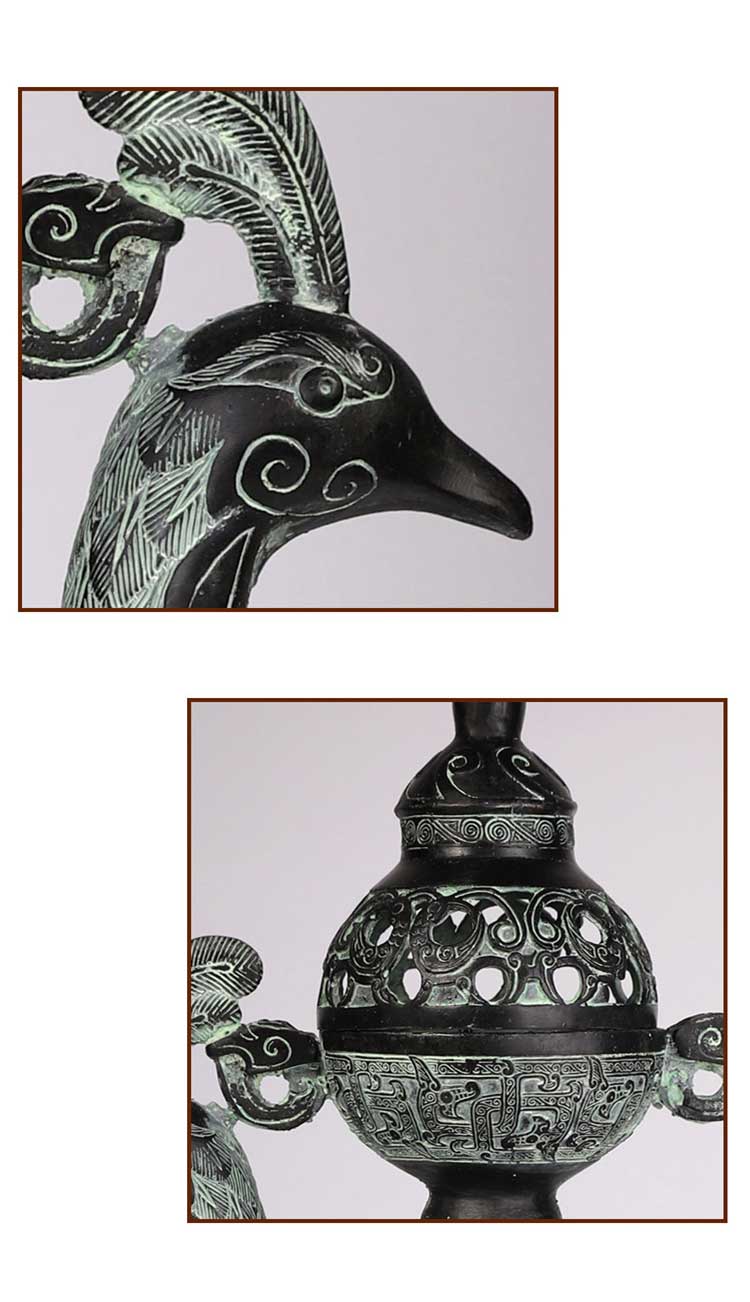
Replicating such historical artifacts today demands an equally high level of expertise and dedication. At Luoyang Yichuan Bronze Craft Co., Ltd., we specialize in bringing these historical masterpieces to life through authentic reproduction. Our facility, located in Yichuan County, Luoyang, Henan Province, covers a production area of 3,000 square meters and houses over 30 skilled craftsmen, including revered bronze-casting masters and finishing artisans. We adhere strictly to the traditional lost-wax method, ensuring that our bronze artworks capture the essence and historical accuracy of the originals. Our commitment to quality is underscored by our ISO 9001 quality management system certification, and all our products comply with export quality inspection standards for art crafts. Whether it's the exact replication of antique bronzes or consistent patina color matching, our team possesses the capabilities to meet exacting standards, ensuring the integrity and beauty of each piece.
Visiting the Terracotta Warriors Bronze Chariots at the Museum
For those planning a visit to Xi'an, the original Terracotta Warriors bronze chariot models are housed within the Emperor Qinshihuang's Mausoleum Site Museum. Specifically, they are exhibited in the Qin Shi Huang Mausoleum Exhibition Hall, which provides a dedicated space for these precious artifacts. The museum is one of China's most significant archaeological sites, drawing millions of visitors annually. It is situated approximately 30 kilometers east of Xi'an city center. Visitors typically combine a trip to see the Terracotta Army pits with a visit to this exhibition hall to fully appreciate the scope of the Qin Dynasty's funerary complex.
When planning your visit, it is advisable to allocate sufficient time to explore the entire museum complex, as the sheer scale of the site is immense. The exhibition hall for the bronze chariots offers detailed interpretive displays, historical context, and multimedia presentations that enhance the visitor experience. Viewing these ancient vehicles up close allows one to appreciate the minute details, the delicate bronze work, and the incredible state of preservation achieved through meticulous archaeological efforts and restoration. The display conditions are carefully controlled to protect these fragile artifacts from environmental degradation, ensuring they can be admired by generations to come.
Understanding the historical narrative surrounding the bronze chariots enriches the viewing experience. These chariots were not merely decorative; they were an essential part of the emperor's belief system, designed to accompany him into the afterlife and ensure his continued sovereignty. Their presence alongside the vast army of Terracotta Warriors paints a vivid picture of a monarch who sought to command eternity as he had commanded his empire. The museum experience is an immersive journey into ancient China, offering profound insights into its culture, beliefs, and unparalleled artistic achievements. For those interested in the broader context of Chinese bronze sculpture, the museum provides an excellent foundation.
Sourcing Authentic Bronze Replicas and Custom Artworks
Beyond museum visits, there is a significant demand from collectors, educational institutions, and cultural organizations for high-quality replicas of the Terracotta Warriors bronze chariot and other significant bronze artifacts. Sourcing such custom bronze art pieces, especially those requiring exact replication of antique bronzes or consistent patina color matching, can present unique challenges. This is where specialized manufacturers like Luoyang Yichuan Bronze Craft Co., Ltd. provide indispensable solutions. Our expertise lies in producing everything from a single custom prototype to extensive bulk production runs, ensuring that each piece meets the highest standards of historical accuracy and artistic fidelity.
We understand the pain points associated with acquiring historical bronze art. Our process addresses these directly: we guarantee exact replication, utilizing our profound knowledge of traditional techniques and materials. Our premium bronze alloy (Cu-Sn) and the time-honored lost-wax method are foundational to achieving the intricate details and structural integrity required for museum-quality replicas. Furthermore, we offer various hand-finished patinas, from antique to modern looks, ensuring that the final appearance aligns perfectly with client expectations and historical context. The consistency of patina color across multiple pieces is a particular focus, maintained through rigorous quality control processes.
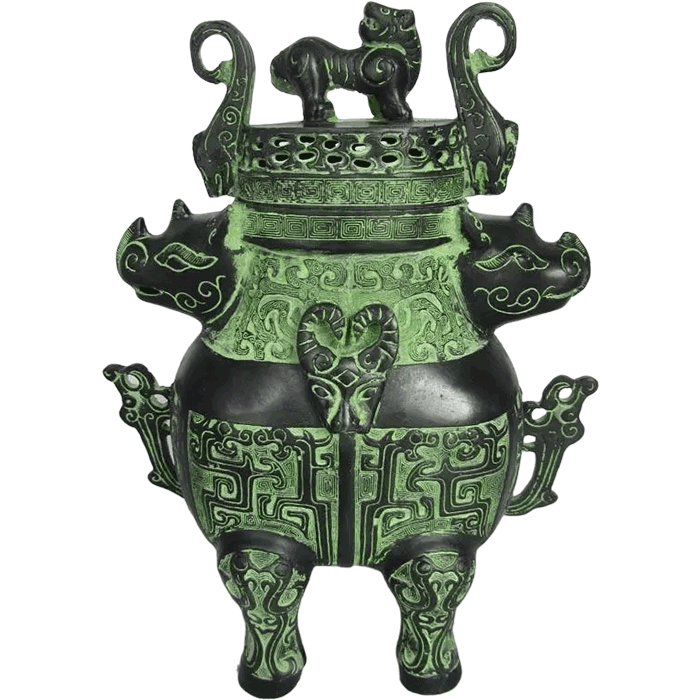
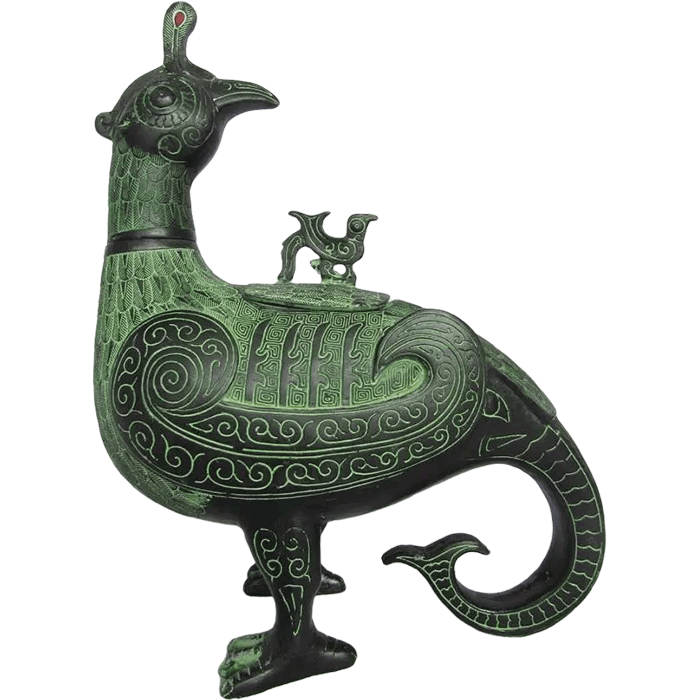
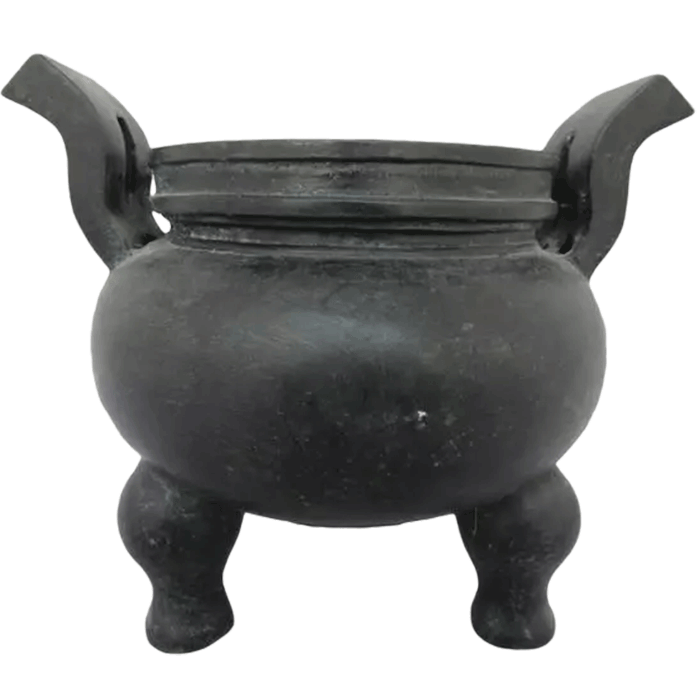
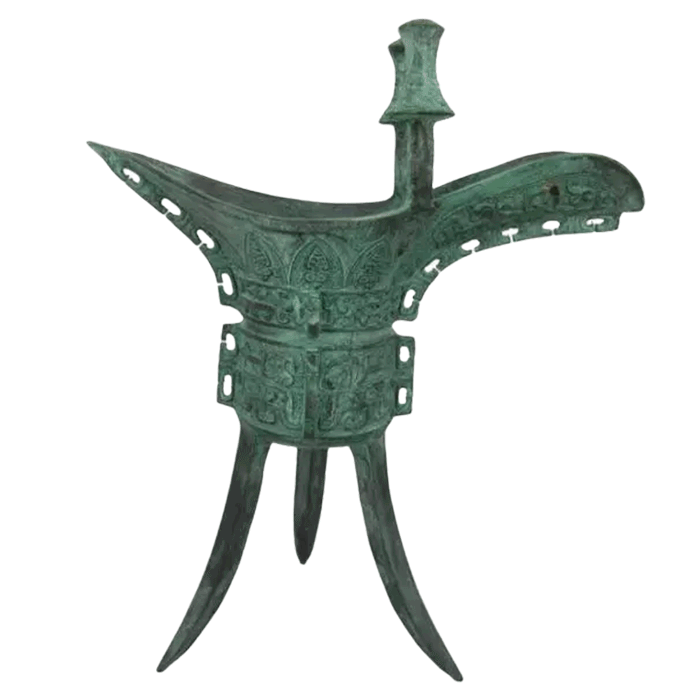
Our capabilities extend beyond just replication. We offer a wide range of bronze art pieces, including bronze statues with different themes, bronze vessels (ding, zun, hu tripods and vases), bronze mirrors, incense burners, and Buddhist statues. For custom projects, our MOQ starts from just 1 piece, making bespoke creations accessible, while bulk orders are negotiable based on size and design complexity. Every shipment undergoes a thorough quality inspection, and we provide free replacement for any casting defects. Our commitment to client satisfaction continues after delivery, with comprehensive after-sales support for patina touch-ups and restoration guidance. We also prioritize export-compliant protective packaging for fragile sculptures, ensuring they arrive safely at their international destinations. To learn more about creating a custom bronze sculpture, visit our customize a bronze sculpture page.
The Enduring Legacy of Bronze Artistry
The Terracotta Warriors bronze chariot and its companion piece are not merely archaeological finds; they are enduring testaments to the ingenuity, artistic vision, and technological prowess of ancient Chinese civilization. Their intricate construction and exquisite detailing reflect a society that valued precision, beauty, and symbolism in equal measure. These artifacts continue to captivate researchers, historians, and art enthusiasts worldwide, offering invaluable insights into the Qin Dynasty's culture, military, and spiritual beliefs. The chariots serve as a tangible link to a powerful imperial past, demonstrating how bronze, as a medium, was used to convey status, power, and an eternal vision.
The study and appreciation of such ancient bronzes also highlight the importance of preserving traditional craftsmanship. The techniques employed by Qin Dynasty artisans—from bronze casting to detailed finishing—are skills that have been passed down through generations. Companies like Luoyang Yichuan Bronze Craft Co., Ltd. play a vital role in this continuum, ensuring that these ancient methods are not lost but are instead adapted to create new works and faithful reproductions that continue to educate and inspire. Our work contributes to a broader understanding and appreciation of China's rich bronze culture, allowing these historical narratives to transcend time and geographical boundaries.
Whether experienced in person at the museum or through meticulously crafted replicas, the bronze chariots from Emperor Qinshihuang's mausoleum remain powerful symbols of human achievement. They remind us of the profound connections between art, history, and technology, and the enduring human desire to create objects of lasting beauty and significance. Our dedication to quality and authenticity in bronze craftsmanship ensures that the legacy of these magnificent pieces continues to be honored and shared globally.