Sterling Silver Kung Fu Teapot: Expert Buyer FAQs
Navigating the World of Sterling Silver Kung Fu Teapots: Essential Buyer FAQs
For discerning buyers in the B2B sector, sourcing artisanal goods represents a unique challenge and opportunity. The demand for exquisite, high-quality traditional crafts, such as a meticulously crafted Sterling Silver Kung Fu Teapot, requires a deep understanding of materials, craftsmanship, and reliable supplier partnerships. As specialists in traditional metal arts, Luoyang Yichuan Bronze Craft Co., Ltd. understands the intricate processes and stringent quality controls necessary for producing exceptional pieces, even as our primary focus lies in bronze. This guide aims to equip first-time wholesale buyers with essential knowledge, helping them navigate product specifications and prepare critical questions for potential suppliers when considering items like sterling silver teapots.
The journey from raw material to a finished art piece is complex, demanding precision, heritage techniques, and unwavering commitment to quality. Whether it's a grand bronze sculpture or a delicate silver teapot, the principles of superior craftsmanship, material integrity, and customer satisfaction remain paramount. Our expertise, honed through years of mastering the traditional lost-wax method for bronze and meeting international export standards, provides a robust framework for evaluating any high-value, handcrafted metal item. We bring this perspective to help you make informed decisions when sourcing fine silver tea ware.
Understanding Sterling Silver and Its Craftsmanship for Teapots
When investing in high-end tea ware, particularly for the discerning collector or premium retail market, understanding the fundamental characteristics and production methods of sterling silver is crucial. This section addresses common inquiries about the material itself and the artistry involved in transforming it into a functional art piece.
What defines "Sterling Silver" in the context of teapots?
Sterling silver is an alloy of silver containing 92.5% by weight of silver and 7.5% by weight of other metals, usually copper. This specific composition is critical because pure silver (99.9% fine silver) is inherently soft and malleable, making it unsuitable for items that require durability and structural integrity, such as a teapot that will undergo regular handling and temperature changes. The addition of copper significantly enhances the metal's strength and hardness without compromising its lustrous appearance or its inherent antibacterial properties.
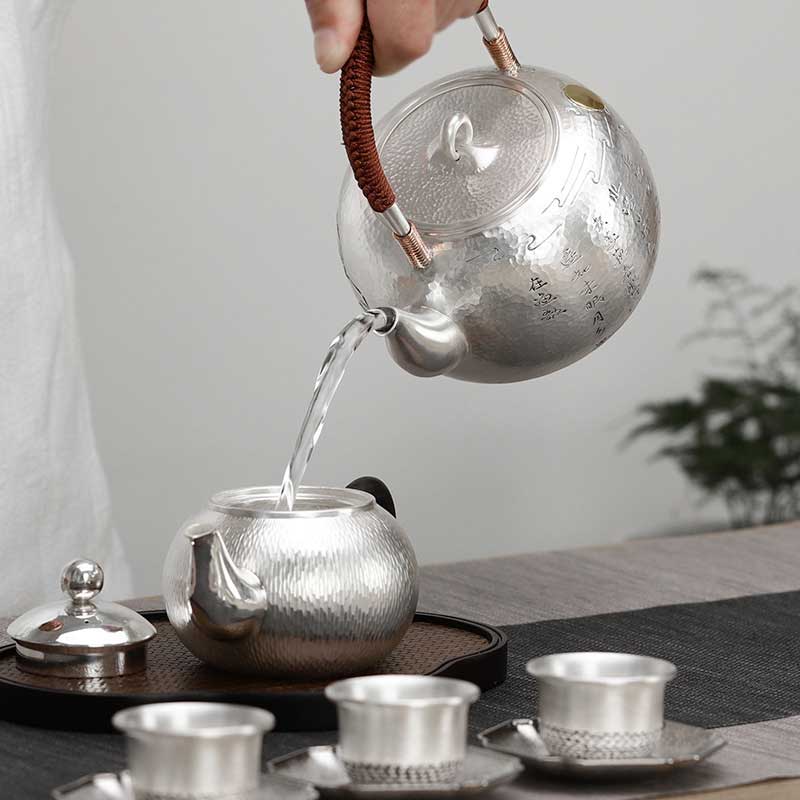
For a teapot, the benefits of sterling silver are manifold. Its excellent heat conductivity ensures that tea infuses evenly and stays warm longer, enhancing the brewing experience. Aesthetically, sterling silver offers a timeless brilliance that can range from a mirror-like polish to a soft, antique patina, developing character over time. Furthermore, its perceived value and historical significance make it a prized possession, often passed down through generations. Unlike silver-plated items, which merely have a thin layer of silver over a base metal, sterling silver is a solid alloy throughout, ensuring longevity, resistance to wear, and consistent value.
What traditional craftsmanship methods are employed for high-quality silver teapots?
The creation of a high-quality sterling silver teapot is a testament to the artisan's skill, often involving a blend of traditional techniques passed down through centuries. These methods ensure not only the beauty but also the functionality and durability of the piece. Key techniques include:
- Hand-Hammering (Raising): This fundamental technique involves meticulously shaping a flat sheet of sterling silver into a three-dimensional form using hammers and stakes. Each hammer blow hardens the metal, requiring annealing (heating and cooling) to restore malleability, a cycle repeated countless times. This process creates a unique surface texture and strengthens the metal.
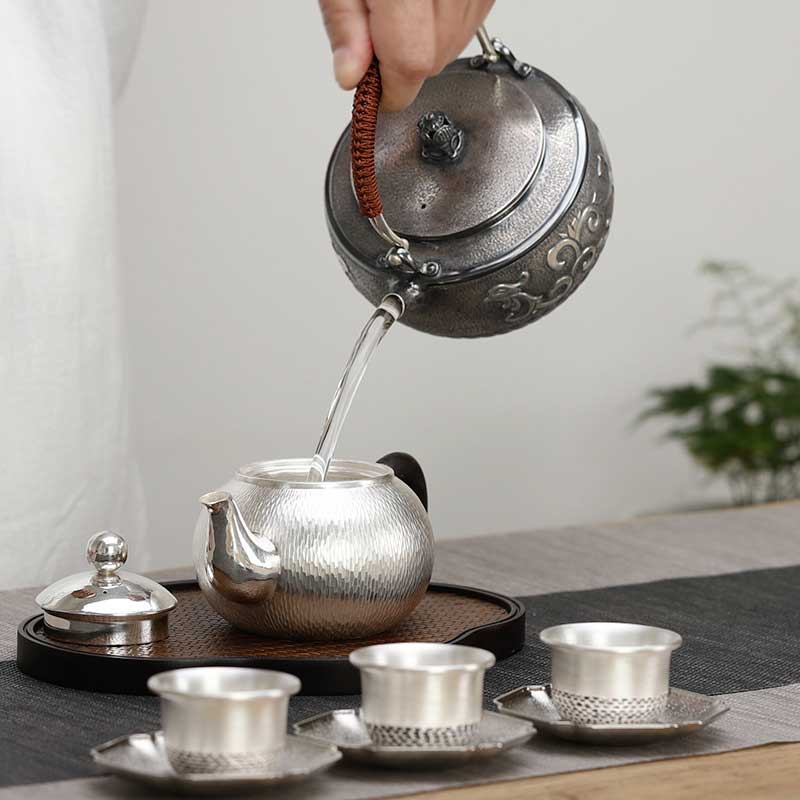
- Chasing and Repoussé: These decorative techniques are often used in tandem. Repoussé involves hammering the silver from the reverse side to create a design in low relief on the front, while chasing refines the details from the front, adding texture, lines, and intricate patterns. These methods demand exceptional artistic vision and precision.
- Engraving: This involves using specialized tools (gravers or burins) to cut lines and designs directly into the surface of the silver, creating sharp, precise patterns and often adding personalized touches.
- Soldering and Joining: Components of the teapot, such as the body, spout, handle, and lid, are individually crafted and then meticulously joined using silver solder. The goal is to create seamless connections that are both strong and aesthetically invisible.
- Polishing and Finishing: After assembly, the teapot undergoes multiple stages of polishing, from coarse abrasives to fine compounds, to achieve the desired surface finish. This can range from a high-gloss mirror finish to a brushed satin look, or even an intentional antique patina.
These methods highlight the artisan's dedication, similar to the mastery required for handmade silver or the intricate detailing in lost-wax bronze casting. Just as our bronze-casting masters and finishing artisans meticulously work on each piece, the creation of a sterling silver teapot demands similar levels of precision and artistic flair from skilled craftspeople.
Evaluating Quality and Authenticity for Wholesale Orders
For wholesale buyers, ensuring the quality and authenticity of sterling silver teapots is paramount to protecting your investment and reputation. This involves meticulous inspection of both the material and the craftsmanship.
How can I ensure the authenticity and purity of the silver?
Verifying the authenticity and purity of sterling silver for wholesale purchases is a critical step. Counterfeits or mislabeled items can significantly impact your business. Here are key strategies:
- Look for Hallmarks: Genuine sterling silver items are typically stamped with hallmarks indicating their purity. The most common mark for sterling silver is "925," signifying 92.5% pure silver. Other variations might include "Sterling," "STER," or "Sterling Silver." These marks are often found on the underside of the teapot, near the handle, or on the lid.
- Request Material Certifications or Assay Reports: For bulk orders, a reputable supplier should be able to provide documentation from an independent assay office confirming the silver's purity. These reports offer an objective, third-party verification of the material composition. This is a standard practice in the high-value metal industry, similar to how we manage material specifications for our premium bronze alloy (Cu-Sn) pieces.
- Visual and Tactile Inspection: While not definitive for purity, visual and tactile checks can help identify obvious discrepancies. Sterling silver has a distinct luster and weight. If a teapot feels unusually light or has a dull, inconsistent finish that doesn't resemble silver, it warrants further investigation. Beware of items that are overly shiny and lack the subtle warmth of real silver, which might indicate plating.
- Supplier Reputation and Transparency: Partnering with a supplier known for transparency and quality is essential. Inquire about their sourcing of raw materials and their internal quality control processes. A supplier that is ISO 9001 certified, for instance, demonstrates a commitment to a robust quality management system, which applies to material procurement as well as production.
What quality indicators should I look for in the craftsmanship?
Beyond material authenticity, the quality of craftsmanship dictates both the aesthetic appeal and the longevity of a sterling silver teapot. Evaluating these aspects requires a keen eye for detail:
- Seamless Construction: Examine all joins and seams. High-quality teapots will have virtually invisible solder lines, indicating expert craftsmanship. Any visible gaps, rough edges, or uneven soldering points are signs of inferior work.
- Surface Finish Consistency: The surface should be uniform, whether it's a high polish, a brushed finish, or a hand-hammered texture. Look for absence of scratches, dents, or tool marks that detract from the overall appearance. For pieces with applied patinas, the color should be consistent and evenly distributed, a challenge we expertly address in our bronze finishing.
- Functionality Assessment: A teapot must not only be beautiful but also functional. Test the lid for a snug, secure fit – it should not wobble or fall off easily. Examine the spout for a smooth pour that doesn't drip. The handle should be securely attached, comfortable to hold, and balanced with the weight of the pot when full.
- Decorative Details: For teapots with chasing, repoussé, or engraving, inspect the crispness and precision of the details. Lines should be sharp, patterns well-defined, and the overall design executed with clarity. Fuzzy or shallow details suggest lower quality.
- Protective Packaging: Even the most exquisite teapot can be damaged in transit. Evaluate the supplier's packaging quality. For fragile sculptures, export-compliant protective packaging is non-negotiable, ensuring items arrive in pristine condition—a pain point we specifically solve for our clients.
Understanding the nuances of different metals and their specific properties is a cornerstone of quality manufacturing. For instance, knowing the difference between bronze and brass, or silver and its alloys, directly impacts the final product's performance and value.
Sourcing and Supplier Considerations for Sterling Silver Teapots
Selecting the right supplier is the bedrock of a successful wholesale venture. This section guides buyers through critical questions and considerations essential for establishing a reliable and productive partnership for sourcing sterling silver teapots.
What questions should I ask potential suppliers regarding their production capabilities?
Engaging with a potential supplier requires a comprehensive understanding of their operational capabilities. This due diligence ensures they can meet your specific needs for quality, volume, and customization:
- Production Capacity and Volume: Inquire about their annual output and their ability to handle bulk orders without compromising quality. Can they scale production for large quantities while maintaining the intricate craftsmanship required for a sterling silver teapot? Understanding their capacity helps manage expectations for delivery timelines.
- Minimum Order Quantity (MOQ) for Custom Designs: If you're looking for unique designs or variations on existing models, ask about their MOQ for custom sculptures. Luoyang Yichuan Bronze Craft Co., Ltd. proudly offers an MOQ from 1 piece for custom sculptures, demonstrating our flexibility and commitment to bespoke projects. While sterling silver may have different material cost implications, a supplier with similar custom capabilities indicates a flexible and client-focused approach.
- Lead Times: Clarify the typical lead times for prototyping, bulk production, and repeat orders. Transparent timelines are crucial for inventory management and market planning.
- Customization Options: Explore the extent of their customization services. Can they adapt designs, sizes, finishes, or incorporate specific branding elements? A supplier adept at customization can become a valuable long-term partner for unique product lines.
- Quality Control Processes: A robust quality management system is non-negotiable. Ask about their quality inspection protocols at various stages of production—from raw material verification to final product inspection before shipment. Our ISO 9001 certification underscores our commitment to maintaining the highest quality standards, ensuring every piece complies with export quality inspection standards for art crafts.
- Artisan Expertise: Inquire about their team's skill level and experience. Do they employ master craftsmen with specialized knowledge in silver-smithing? Our team of over 30 skilled craftsmen, including bronze-casting masters and finishing artisans, highlights the importance of experienced hands in producing exceptional metal artistry.
What are the key considerations for international shipping and compliance?
For international wholesale buyers, the complexities of shipping and compliance can be as challenging as sourcing itself. A capable supplier should be well-versed in these areas:
- Export Quality Inspection Standards: Confirm that the supplier's products comply with relevant export quality inspection standards for art crafts. This ensures smooth customs clearance and adherence to international regulations.
- Protective Packaging: Fragile sculptures and intricate items like a sterling silver teapot require specialized, robust packaging to withstand the rigors of international transit. Inquire about their packaging methods, materials used, and track record for safe delivery. Luoyang Yichuan excels in providing export-compliant protective packaging specifically designed for fragile sculptures, ensuring safe arrival.
- Customs Documentation and Duties: A knowledgeable supplier can assist with accurate customs declarations, Harmonized System (HS) codes, and understanding potential import duties in your target market. This minimizes delays and unexpected costs.
- Shipping Logistics and Insurance: Discuss their preferred shipping methods (air freight, sea freight), their network of logistics partners, and options for cargo insurance. For high-value goods like sterling silver, comprehensive insurance is highly recommended to protect against loss or damage during transit.
Post-Purchase Support and Long-Term Partnership
A true partnership extends beyond the initial transaction. For high-value artisanal products, reliable post-purchase support and the potential for a long-term relationship are crucial for sustained success and peace of mind.
What kind of after-sales support should I expect from a reputable supplier?
A commitment to customer satisfaction post-sale is a hallmark of a reputable supplier. For specialized items, this support can be invaluable:
- Warranty Against Manufacturing Defects: A trustworthy supplier should offer a clear policy on manufacturing defects. For instance, Luoyang Yichuan provides free replacement for casting defects, demonstrating confidence in our production quality and commitment to client satisfaction. This assurance is vital for any handcrafted metal item.
- Maintenance and Care Guidance: Sterling silver requires specific care to maintain its luster and prevent tarnishing. A good supplier should provide detailed instructions on cleaning, storage, and general maintenance to help your customers preserve their teapots' beauty.
- Support for Minor Repairs or Restoration: Over time, even the most carefully handled items may require minor touch-ups or repairs. Suppliers who offer guidance for patina touch-ups and restoration are demonstrating a commitment to the longevity of their products and customer satisfaction, a service we are proud to offer for our bronze pieces.
- Responsive Communication: Access to timely and helpful customer service for any queries or issues that arise post-delivery is essential. A dedicated contact person or team can make a significant difference in resolving concerns efficiently.
How does a strong partnership benefit my business in the long run?
Cultivating a long-term relationship with a reliable supplier offers numerous strategic advantages that go beyond single transactions:
- Consistent Quality and Supply: A trusted partner ensures a steady supply of consistently high-quality products, reducing variability and enhancing your brand's reputation. This consistency is vital for maintaining customer loyalty and market presence.
- Access to New Designs and Custom Development: A strong relationship often means preferred access to new product lines, limited editions, or collaborative opportunities for custom designs. Our services allow clients to customize a bronze sculpture from sculpmart.com, showcasing our capacity for bespoke projects that can extend to various art forms.
- Reliable Communication and Problem-Solving: Long-term partners understand each other's needs and can communicate more effectively, leading to quicker resolution of any issues and smoother operational flows.
- Shared Market Insights: A collaborative supplier can offer valuable insights into market trends, material innovations, and production efficiencies, helping you stay competitive and adapt your product offerings.
- Trust and Transparency: A foundation of trust built over time fosters transparency in pricing, production, and problem-solving, creating a more stable and predictable supply chain.
In conclusion, sourcing high-quality sterling silver teapots for your wholesale business requires thorough preparation, diligent evaluation, and a strategic approach to supplier selection. While Luoyang Yichuan Bronze Craft Co., Ltd. specializes in a different metal, our foundational principles of ISO 9001 quality management, masterful craftsmanship, custom production capabilities, and comprehensive after-sales support are universally applicable to the procurement of any fine art craft. By focusing on material authenticity, meticulous craftsmanship, robust production capabilities, and enduring supplier relationships, you can confidently navigate the market and bring exceptional Sterling Silver Kung Fu Teapots to your discerning clientele. Partnering with a manufacturer who embodies these values, regardless of their primary material, ensures you receive not just products, but pieces of lasting artistry and value.