Sterling Silver Kung Fu Tea Set: Purity Proof FAQs
How Buyers Can Verify Purity Before Ordering a Sterling Silver Kung Fu Tea Set
Sourcing metal tableware for export or retail always raises one unavoidable question: how do you know the silver is really what the supplier claims it is? For buyers evaluating a Sterling silver Kung Fu tea set, purity verification is not a formality — it affects customs clearance, food-contact compliance, resale credibility, and long-term customer trust. This article answers the most common questions procurement teams ask during supplier due diligence, from hallmark reading to lab testing and export paperwork.
Why Purity Verification Matters for Metal Tableware Buyers
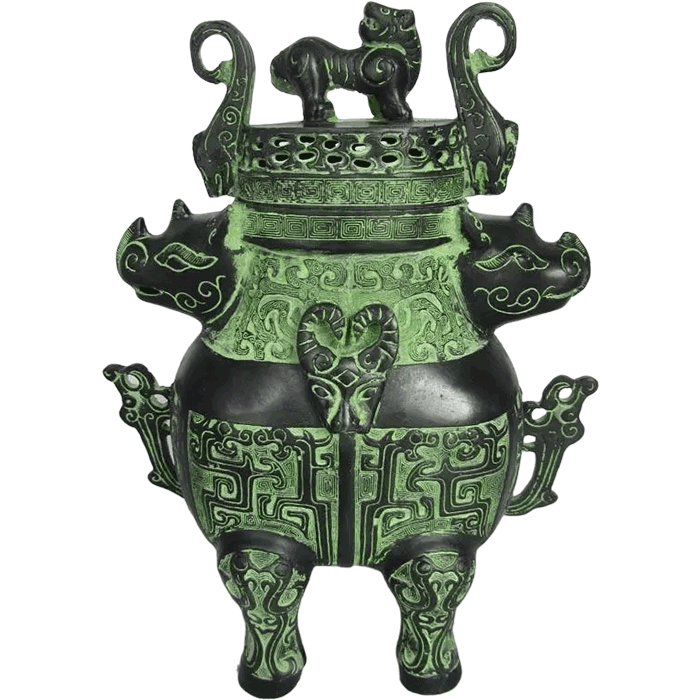
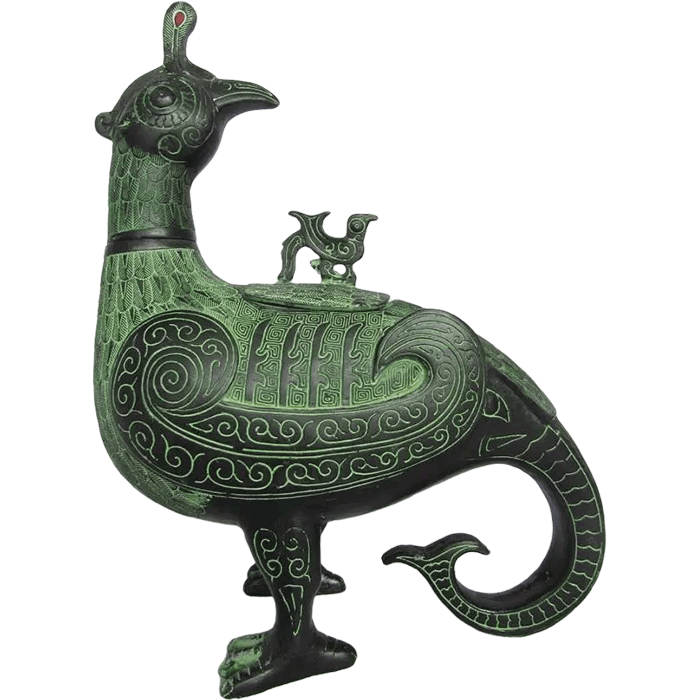
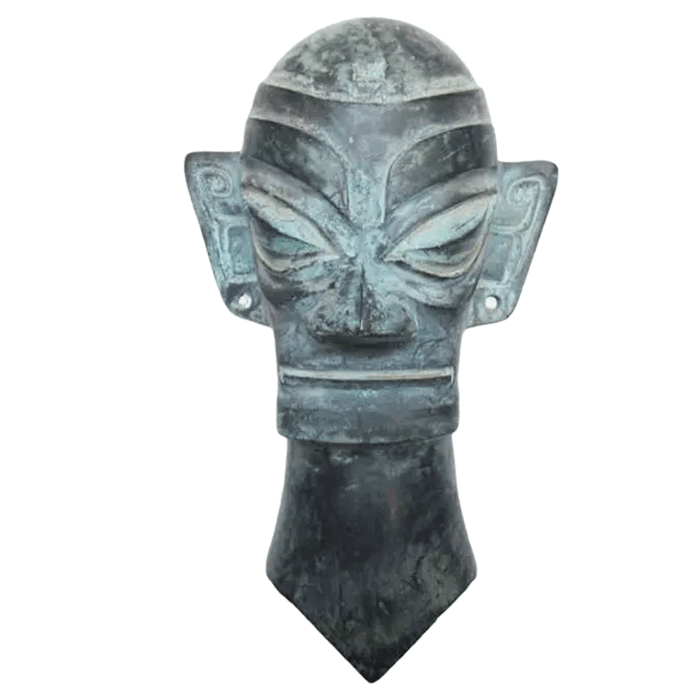
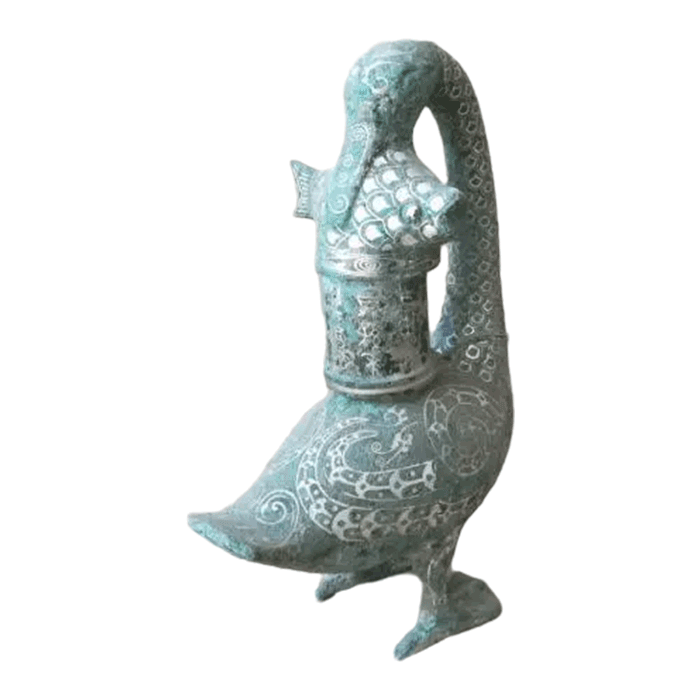
Silver-plated brass, nickel alloys, and genuine sterling silver can look nearly identical to the naked eye once polished and finished. For buyers importing tea sets, mirrors, incense burners, or other metal handicrafts, the risk is twofold: regulatory rejection at customs if the declared material doesn't match lab results, and reputational damage if end customers discover the product isn't what the listing promised. This is the same reason craft workshops working in bronze — such as sculpture studios producing chinese bronze handicrafts — maintain strict alloy documentation for every batch. Metal composition claims, whether for bronze or silver, should always be backed by verifiable evidence, not just a product description.
Common Red Flags During Supplier Evaluation
- No hallmark stamp, or a stamp that doesn't match the claimed purity grade.
- Refusal to provide a material test certificate upon request.
- Inconsistent weight-to-volume ratio compared to known sterling silver density.
- Vague product descriptions that avoid stating alloy composition explicitly.
What Does "Sterling Silver" Actually Mean?
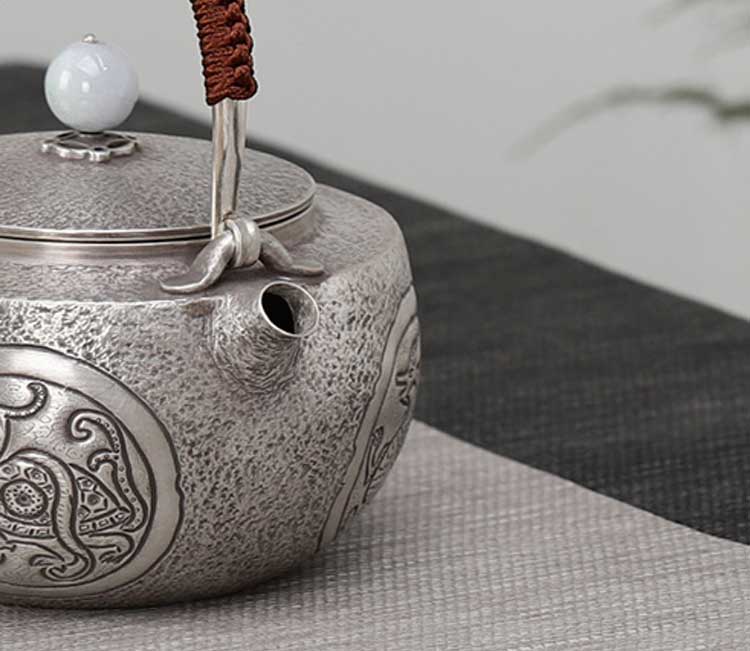
Sterling silver is defined internationally as an alloy containing at least 92.5% pure silver, with the remaining 7.5% typically composed of copper or other metals for added hardness. This is why the stamp "925" appears on genuine sterling silver items. A tea set marketed without this composition — or one made from silver-plated base metal — should be labeled accordingly, not sold under the sterling designation. Buyers should ask suppliers directly: is the entire piece cast in 925 silver, or is it a base metal with a silver plating layer? The answer changes both the price point and the expected lifespan of the finish.
Reading Hallmarks Correctly
A genuine hallmark usually includes the purity number (925), sometimes combined with a maker's mark or country of origin symbol. However, hallmarks alone are not proof — they can be stamped onto plated items fraudulently. Buyers should treat the hallmark as a first-level indicator, then request additional verification methods described below.
How to Independently Confirm Silver Purity
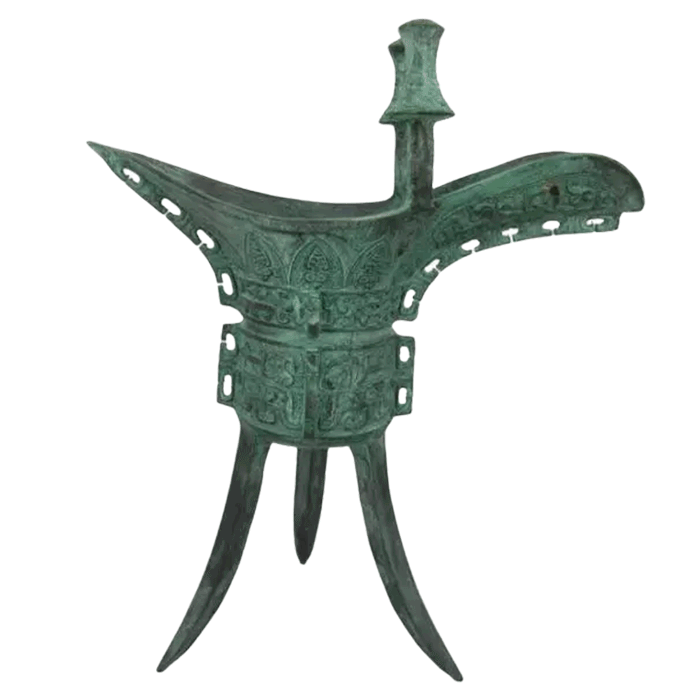
Relying solely on a supplier's word is risky for any B2B purchase, whether the item is a silver tea set or a cast bronze piece. The same due-diligence mindset applies when buyers request documentation for chinese bronze antique reproductions — material claims should always be checked against independent evidence.
1. Request a Third-Party Assay Certificate
An assay office or accredited testing lab can confirm silver content through fire assay or X-ray fluorescence (XRF) testing. Ask the supplier whether they can provide a certificate from a recognized testing body, or whether they will allow a pre-shipment inspection where a third-party inspector performs XRF testing on-site.
2. Use Density and Weight Comparison
Sterling silver has a known density of approximately 10.36 g/cm³. Buyers can request exact weight and dimension specifications for each Kung Fu tea set piece and compare them against expected density calculations. A significant deviation suggests either hollow construction (common and acceptable in cast items) or a different base material entirely — this distinction should be clarified with the supplier before assuming a red flag.
3. Acid Testing and Electronic Silver Testers
Portable electronic silver testers and acid test kits are commonly used by jewelry appraisers and can be requested as part of a pre-shipment inspection protocol. These tests are non-destructive when applied correctly and provide a quick purity indication before goods leave the factory.
4. Cross-Check the Product Description Against Physical Samples
Before committing to a bulk order, request a single sample piece matching the exact specification of the bulk run. Compare the sample's hallmark, weight, and finish against the written product description line by line. Any mismatch should be resolved in writing before production begins.
Food-Contact Safety Questions for Kung Fu Tea Sets
Tea sets are functional tableware, not display-only pieces, so food-contact safety is a legitimate compliance concern separate from purity itself.
Is Sterling Silver Safe for Direct Tea Contact?
Pure silver and its 925 alloy are generally considered safe for contact with beverages, and silver has historically been used for drinking vessels precisely because of its antimicrobial properties. However, buyers exporting to regulated markets should still request documentation confirming the alloy's other 7.5% component does not include lead or other restricted metals, since copper alloys used in silver items vary by manufacturer.
Questions to Ask About Finishing Processes
- What polishing compounds are used, and are residues fully removed before packaging?
- Is any lacquer or protective coating applied over the silver surface, and is that coating food-safe?
- Does the interior of the teapot or cups undergo the same finishing process as the exterior?
Export Documentation Buyers Should Request
Beyond purity proof, a complete supplier package for metal handicraft exports typically includes several supporting documents. Craft exporters working across categories — from silverware to handmade silver pieces — should be able to provide the following without hesitation:
- Material composition certificate confirming alloy percentages.
- Quality inspection report generated before shipment, covering casting defects, surface finish, and dimensional accuracy.
- Commercial invoice and packing list with accurate material description for customs classification.
- Photos or video of the actual production batch, not stock imagery, especially for custom or low-MOQ orders.
For workshops that also produce cast metal artworks, similar transparency standards apply to customize a bronze sculpture requests, where buyers commonly ask for alloy specification sheets alongside casting proofs before approving a production run.
Comparing Fragile Craft Categories: Packaging and Handling Proof
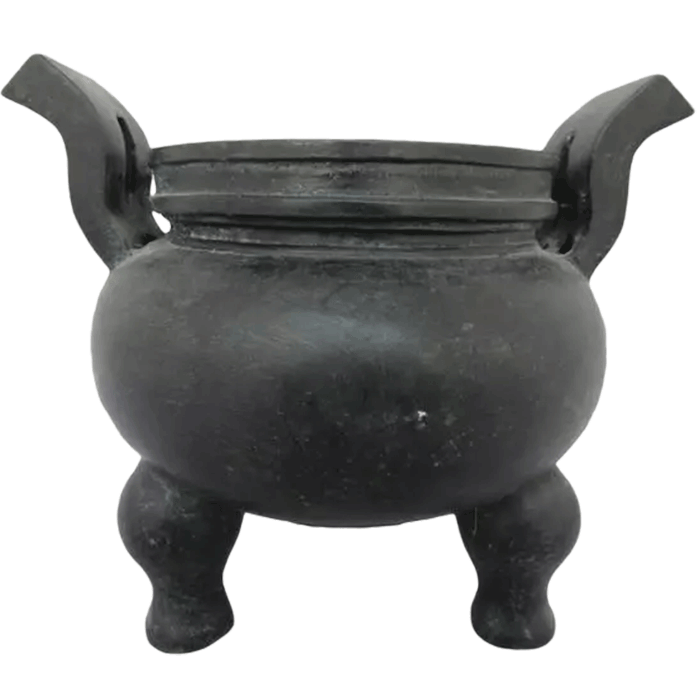
Whether the shipment is a silver tea set or a bronze incense burner, fragile handicrafts require export-compliant protective packaging to survive international freight. Buyers should ask suppliers for details on inner cushioning materials, box reinforcement, and whether packaging has been tested against drop or vibration standards. This concern is not unique to silverware — it applies equally to cast bronze vessels and sculptures shipped internationally, where cracked patina or dented surfaces during transit are a recurring complaint if packaging standards are skipped.
Questions to Ask Before Confirming a Shipment
- Is each piece individually wrapped and boxed, or packed loosely in bulk cartons?
- Does the supplier provide photos of the packed shipment before dispatch?
- Is there a replacement policy for items damaged in transit due to inadequate packaging?
Working With a Verified Craft Supplier
Purity proof, food-safety documentation, and packaging transparency are all part of the same due-diligence process buyers should apply across any metal handicraft category — silver, bronze, or otherwise. A supplier with ISO 9001 certified quality management, pre-shipment inspection routines, and a track record of exporting art crafts to inspection-based markets is generally better positioned to answer these questions without delay. Buyers evaluating a Sterling silver Kung Fu tea set supplier should apply the same checklist they would use for any cast metal order: hallmark verification, third-party testing options, material certificates, and documented packaging standards.
For buyers researching related metal craft categories, background reading on alloy history and traditional casting methods can also help contextualize purity and construction questions. Resources covering the difference between bronze and brass illustrate how easily alloy terminology gets misused across metal handicraft industries, reinforcing why independent verification — not just product labeling — should guide any purchasing decision.
Final Checklist Before Placing an Order
- Confirm hallmark and request a material composition certificate.
- Ask about third-party assay or XRF testing availability.
- Clarify food-contact safety of finishing materials.
- Request sample verification before bulk production.
- Review packaging protocol and damage replacement policy.
Applying this checklist consistently protects buyers from mismatched material claims, customs complications, and post-shipment disputes — whether the order in question is a set of teaware or a piece from a broader catalog of bronze home decor arts.