Sourcing a Vintage Silver Teapot: A B2B Buyer's Guide
Sourcing a Vintage Silver Teapot: Answering Key Questions for B2B Buyers
For collectors, interior designers, retailers, and hospitality procurement managers, sourcing high-quality antique metalware presents a unique set of challenges. The pursuit of a specific piece, such as an elegant vintage silver teapot, involves navigating a complex landscape of authenticity, condition assessment, pricing, and logistics. The financial and aesthetic risks are significant. A misidentified hallmark, an undisclosed repair, or inadequate shipping protection can turn a promising acquisition into a costly liability.
At Luoyang Yichuan Bronze Craft Co., Ltd., our expertise is forged in bronze, but our principles of craftsmanship, quality control, and logistical excellence apply to all fine metal arts. With over 30 skilled artisans and an ISO 9001 certified quality management system, we understand the nuances that define master-level metalworking. This guide leverages our deep experience in casting, finishing, and exporting intricate art pieces to answer the most common questions B2B buyers face when sourcing valuable metal antiques, using the vintage silver teapot as a prime example.
Evaluating Quality and Authenticity in Antique Metalware
The value of an antique is intrinsically tied to its authenticity and condition. Before requesting a quote, a thorough evaluation is paramount. This requires a trained eye and a systematic approach to inspection, whether conducted in person or through detailed photographic evidence.
What are the key indicators of authenticity and quality?
When examining a potential acquisition, focus on three critical areas: hallmarks, construction, and condition. These elements tell the story of the piece's origin, its creator's skill, and its journey through time.
- Hallmarks and Maker's Marks: These are the most crucial starting points. Hallmarks are official stamps indicating the metal's purity (e.g., "Sterling" or "925"), the assay office that certified it, and the year of manufacture. The maker's mark identifies the silversmith or company. Inconsistencies, smudged marks, or the absence of expected hallmarks are significant red flags that demand further investigation.
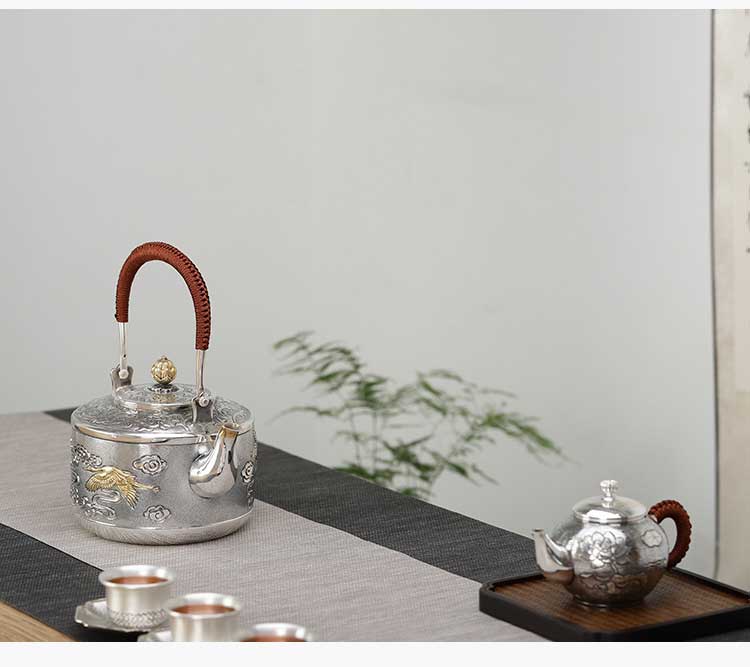
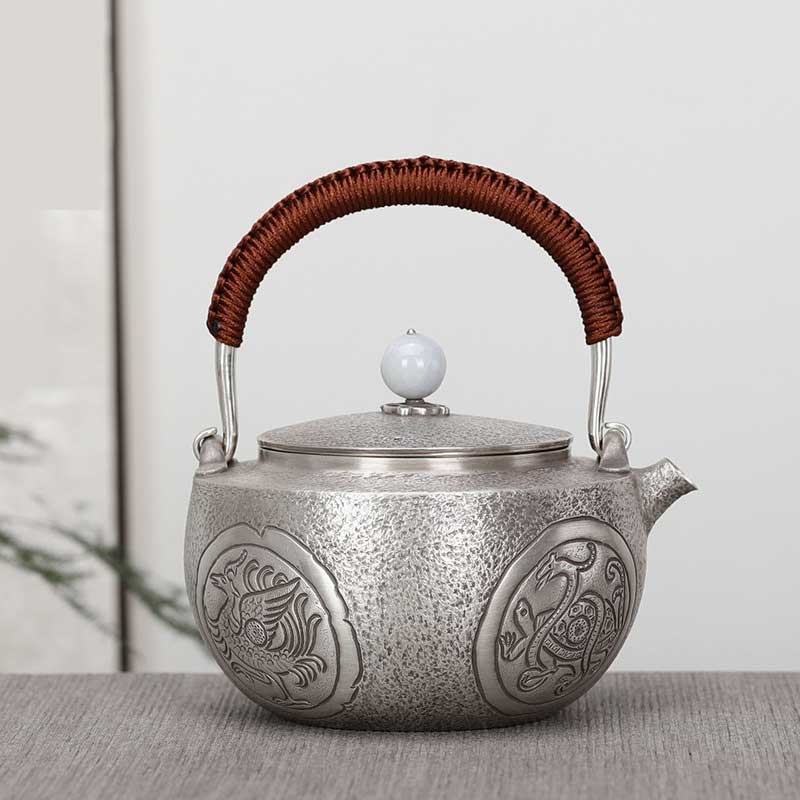
- Construction and Craftsmanship: A high-quality piece exhibits superior construction. Examine the solder joints where the spout, handle, and finial are attached; they should be clean and seamless. The lid should fit snugly without wobbling. The overall weight and balance of the teapot should feel substantial and appropriate for its size. This level of detail-oriented finishing is a hallmark of all master craftsmanship, a principle we apply to every piece produced in our 3,000-square-meter facility.
- Surface and Patina: The surface tells a story. Look for a consistent, desirable patina—the soft, mellow sheen that develops on silver over time. While some polishing is expected, over-polishing can erase fine details and devalue the piece. Note any significant dents, deep scratches, or signs of repair, which should be clearly disclosed by the seller.
How do I assess condition from photos alone?
Sourcing internationally often means you cannot inspect a piece firsthand. In this case, high-resolution, well-lit photographs from multiple angles are non-negotiable. Request images of the bottom to see hallmarks, close-ups of the handle and spout joints, a view of the interior, and shots that capture the overall surface texture. Do not hesitate to ask for a short video showcasing the piece from all sides, including the fit of the lid. This meticulous documentation is standard practice for ensuring quality and transparency.
Streamlining the Quotation and Procurement Process
Once you have identified a promising piece, the next step is to obtain an accurate and comprehensive quotation. A clear and detailed Request for Quotation (RFQ) minimizes misunderstandings and helps you compare offers effectively.
What information should I include in my RFQ?
To receive a precise quote, provide the seller with as much information as possible. A professional RFQ should include:
- Item Identifier: Use the seller's stock number or a clear description.
- Condition Report Request: Explicitly ask for a detailed condition report outlining any damage, repairs, or significant wear.
- Image Request: Specify the need for high-resolution images of all key areas, including hallmarks, if not already provided.
- Provenance Inquiry: Ask for any known history or documentation associated with the piece.
- Shipping Destination: Provide your full delivery address to get an accurate shipping and insurance estimate.
This level of detail ensures the quote you receive is all-inclusive and reflects the true state of the item, preventing unexpected costs or disappointments upon arrival.
What factors influence the final price?
The price of a vintage silver teapot is determined by more than just its weight in silver. Key valuation factors include the reputation of the maker, the rarity of the design, its historical period, the intricacy of the craftsmanship, its overall condition, and any documented provenance. A piece from a renowned silversmith will command a significant premium over a similar, unmarked item. Understanding these nuances is essential for negotiating fairly and recognizing true value.
Ensuring Safe and Compliant International Shipping
The final, and often most precarious, stage of acquisition is shipping. An antique metal piece is both valuable and fragile. Ensuring it is packed and handled correctly is critical to protecting your investment.
How can I mitigate shipping risks?
Professional packaging is the first line of defense. The seller should use a multi-layered approach, including soft wrapping, form-fitting padding, and a sturdy, double-walled outer box. At Luoyang Yichuan Bronze Craft Co., Ltd., we have perfected this process, developing export-compliant protective packaging for fragile sculptures that is trusted by our international clients. This is a critical service capability that any seller of high-value art should offer. Insist on a detailed description of the packaging method before finalizing the purchase. Furthermore, always ensure the shipment is fully insured for its total value and that you receive a tracking number as soon as it is dispatched.
Custom Replication: A Solution for Sourcing Challenges
What happens when you cannot find the specific antique you need, or when a project requires multiple matching pieces that are impossible to source as originals? This is where modern craftsmanship, guided by traditional techniques, provides a powerful solution.
For projects requiring a specific aesthetic—be it for a luxury hotel, a film set, or a curated retail collection—sourcing dozens of identical antiques is often unfeasible. The alternative is a master-quality custom replication. While our core production focuses on chinese bronze handicrafts, the principles of creating historically accurate and artistically faithful reproductions are universal.
How is an exact replica created?
The process begins with detailed plans, photographs, or an existing original. Using the traditional lost-wax casting method, our master craftsmen can capture every intricate detail of an original design, from delicate engravings to complex figurative elements. This technique, which has been used for millennia to create everything from ritual vessels to the evolution of bronze culture over 2000 years, allows for unparalleled precision. With an annual output of over 50,000 art pieces, we have the capacity to handle everything from a single prototype (MOQ from 1 piece) to large-scale production runs.
Can the finish and patina of an original be matched?
Yes. One of the most common pain points in sourcing reproductions is achieving a consistent and authentic-looking finish. Our finishing artisans are experts in hand chasing, polishing, and patina application. We can precisely match the patina color and texture of an antique original, ensuring that new pieces blend seamlessly with existing collections or achieve a specific desired aesthetic, whether antique or modern. This addresses the critical need for color consistency across bulk orders—a challenge that is nearly impossible to meet when sourcing individual antiques.
Why Partner with an ISO 9001 Certified Metal Craft Expert?
Whether you are sourcing a one-of-a-kind antique or commissioning a series of custom reproductions, your success depends on the expertise and reliability of your partner. A supplier with a proven track record in quality management, craftsmanship, and international logistics provides invaluable peace of mind.
As an ISO 9001 certified manufacturer, Luoyang Yichuan Bronze Craft Co., Ltd. adheres to the highest international standards for quality. Every piece we produce undergoes rigorous inspection before shipment, and our products comply with all export quality standards for art crafts. We stand behind our work with a guarantee of free replacement for any casting defects and provide after-sales support for restoration guidance. By choosing a partner who embodies these principles of quality and accountability, you de-risk the entire procurement process.
From understanding the fine points of a historic design to executing a flawless production run, our team has the experience to meet the most demanding B2B requirements. If you are facing challenges in sourcing metal art or wish to explore the possibilities of custom creation, we invite you to learn more about scultmart and our capabilities.