Sourcing a Shang Dynasty Style Bronze Vessel: A Guide
A professional buyer's guide to identifying a Shang Dynasty Style Bronze Vessel.
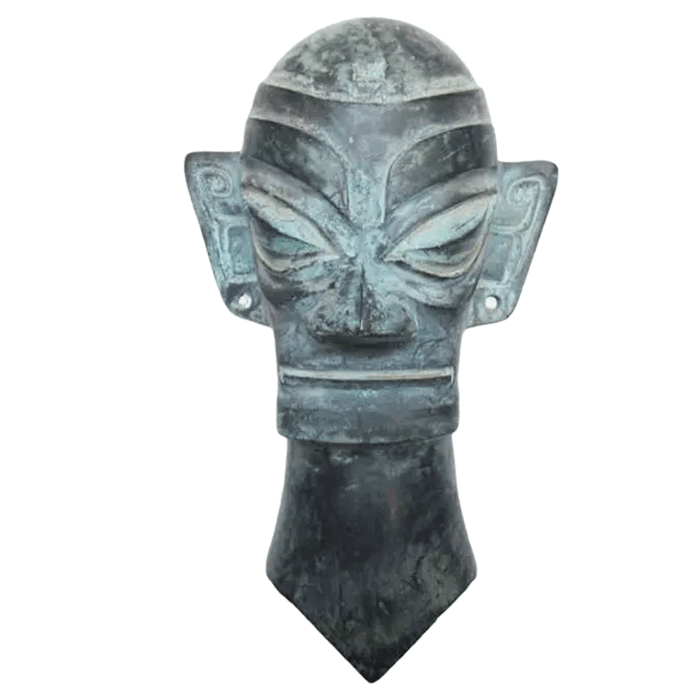
The bronze ritual vessels of the Shang Dynasty (c. 1600–1046 BCE) represent a pinnacle of early metallurgical artistry and a cornerstone of Chinese cultural heritage. For museum curators, hospitality designers, and importers of fine art, sourcing historically accurate reproductions of these pieces requires a deep understanding of their forms, functions, and intricate symbolism. These are not mere decorative objects; they are artifacts born from a complex system of ritual, power, and ancestor worship that dictated their every curve and pattern. Understanding these nuances is the first step in specifying a custom bronze piece that captures the authentic spirit of the era.
At Luoyang Yichuan Bronze Craft Co., Ltd., we specialize in translating this ancient artistry into tangible, high-fidelity bronze artworks. Our facility, located in the historic region of Luoyang, Henan Province, leverages the traditional lost-wax casting method—the very technique believed to have been used by ancient artisans—to produce pieces of exceptional quality. This guide provides the foundational knowledge needed to identify and specify the key forms of Shang-era bronzes, empowering you to make informed decisions for your collection or project.
The Ritual Context: Why Form Followed Function
To understand the shapes of Shang bronzes is to understand their purpose. These vessels were not created for everyday use but were central to elaborate ceremonies designed to communicate with ancestors and deities. The Shang elite believed that the spirits of their ancestors held power over the living world, influencing everything from harvests to military victories. Appeasing these spirits required offerings of food, wine, and water, presented in specific, dedicated vessels during highly structured rituals.
This ritualistic function is the primary driver behind the diverse typology of Shang bronzes. Each shape was meticulously designed for a particular type of offering:
- Food Vessels: Used for cooking and presenting offerings of grain and meat. Their robust, stable forms often featured legs to allow for heating over a fire.
- Wine Vessels: A vast and varied category used for warming, pouring, and drinking fermented beverages (often referred to as "wine"). Their elegant and often complex shapes reflect the importance of wine in these ceremonies.
- Water Vessels: Used for ablutions and ritual hand-washing before ceremonies, signifying purification.
The status of an individual or clan was directly reflected in the quantity, quality, and variety of bronze vessels they owned and used in their rituals. A tomb's contents, particularly the number of *ding* tripods, could signify the deceased's rank. Therefore, the design of these vessels was also about projecting power and social standing. This context is crucial for buyers seeking to commission pieces that convey a specific sense of gravitas and historical importance. Our team of over 30 skilled craftsmen, including masters in bronze casting, understands this history and applies it to every project, ensuring each piece is not just a shape, but a story.
Identifying Key Vessel Forms of the Shang Period
While hundreds of variations exist, a number of core vessel types define the Shang bronze repertoire. Familiarity with these primary forms is essential for any buyer or curator. Below, we detail the most significant categories and their defining characteristics.
Food Vessels: The Foundation of the Ritual Feast
Food containers were arguably the most important class of ritual vessel, symbolizing sustenance and the offering of nourishment to the spirit world.
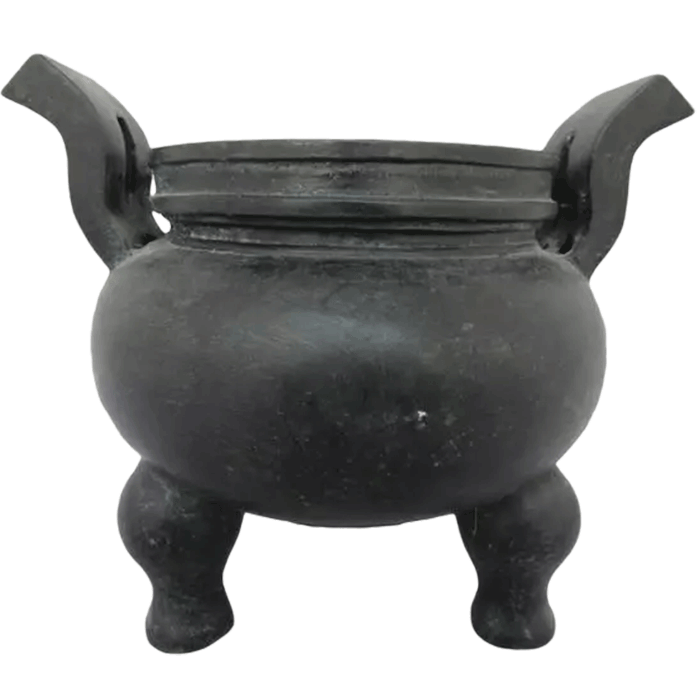
- Ding (鼎): The quintessential Shang ritual vessel, the *ding* is a cauldron used for cooking and serving meat. The most common form is a round bowl with three columnar legs and two upright loop handles on the rim. A rarer but equally important variation is the rectangular *fangding* (方鼎), which has four legs. The number of *ding* vessels a noble was permitted to own was strictly regulated, making it a powerful symbol of rank. A prime example of this form's importance is the famous houmuwu square cauldron, a monumental piece from the late Shang period.
- Li (鬲): A tripod cooking vessel similar to the *ding*, the *li* is distinguished by its hollow, udder-shaped legs that connect directly to the main body. This design increased the surface area for heating, making it highly efficient for cooking grains. The body is often divided into three lobes corresponding to the legs.
- Gui (簋): A deep, circular vessel used for serving cooked grains, particularly millet. The *gui* is essentially a large bowl supported by a flared foot ring. Early Shang versions are simple, but later examples feature two, or sometimes four, prominent handles, often cast in the shape of animals or stylized dragons.
Wine Vessels: Instruments of Spiritual Connection
Wine played a central role in communicating with the supernatural, and the vessels associated with it are among the most artistically dynamic and complex of the era.
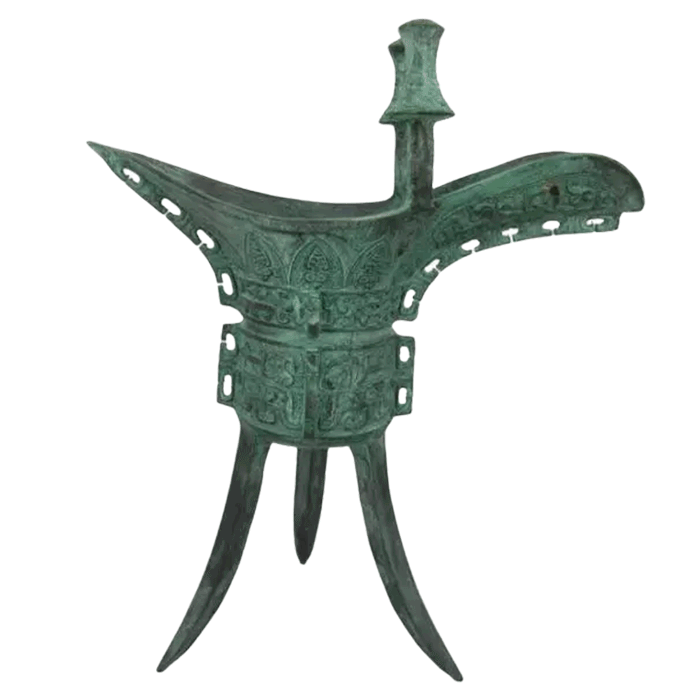
- Jue (爵): One of the most recognizable and unique Shang forms, the *jue* is a tripod vessel for warming and pouring wine. Its distinctive features include a long, trough-like spout, a pointed tail for balance, a single handle (often decorated with an animal head), and two cap-topped posts rising from the rim, whose exact function is still debated by scholars.
- Gu (觚): A tall, slender beaker for drinking wine. It has a trumpet-like mouth, a slim central section, and a flared foot. Its elegant, graceful profile contrasts with the more robust forms of food vessels. A *jue* and a *gu* often formed a pair in ritual settings.
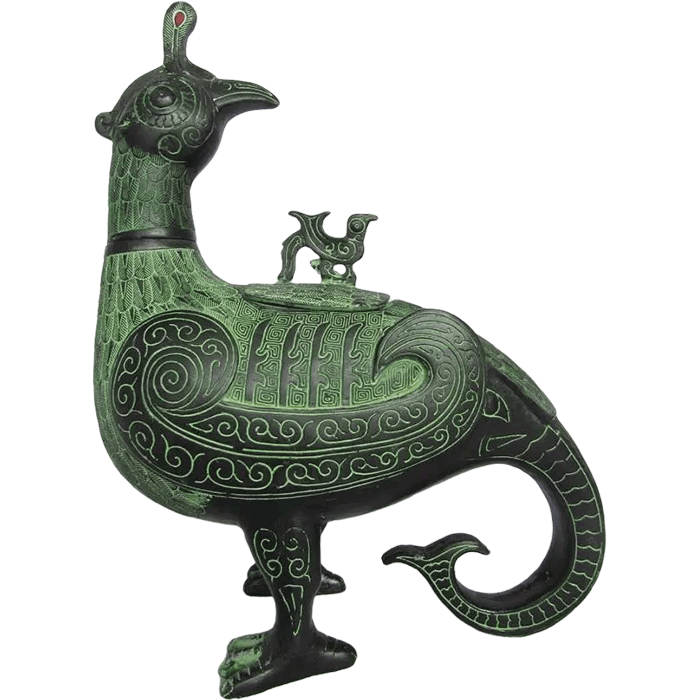
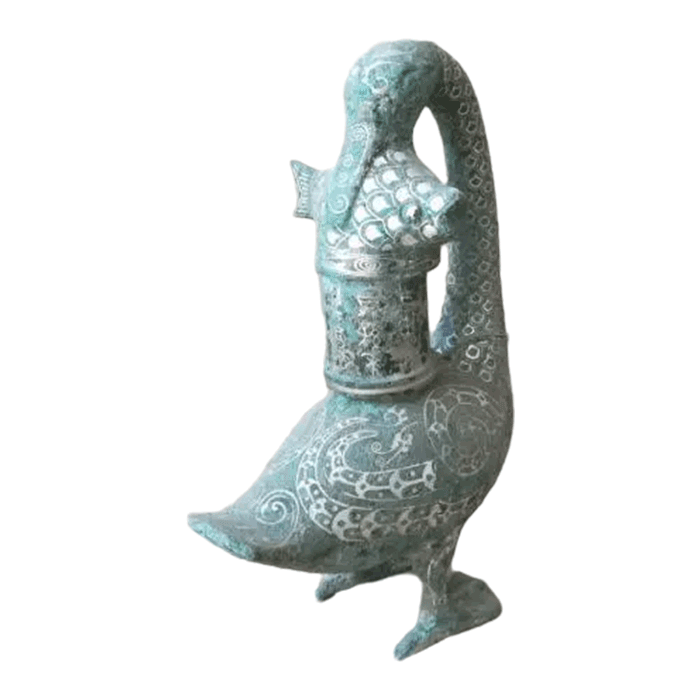
- Zun (尊): A capacious wine container, the *zun* comes in several forms. The most common is a wide-mouthed vessel with a broad shoulder, a constricted belly, and a high foot ring. However, the Shang period is also famous for its zoomorphic *zun*, which are vessels crafted in the realistic or stylized shape of animals like elephants, rhinoceroses, or mythical beasts. These pieces showcase the incredible skill of Shang bronze casters.
- Hu (壺): A pear-shaped jar or vase used for holding wine, the *hu* typically has a narrow neck, a swelling belly, and a foot ring. It often features two loop handles on the neck or shoulder for lifting. The surface provides a large canvas for intricate decoration.
Decoding the Surface: Motifs and Manufacturing Marks
Beyond the overall form, the identity of a Shang-era bronze is cemented by its surface decoration and casting characteristics. Reproducing these elements accurately is a key challenge that distinguishes high-quality replicas.
The Dominance of the Taotie Motif
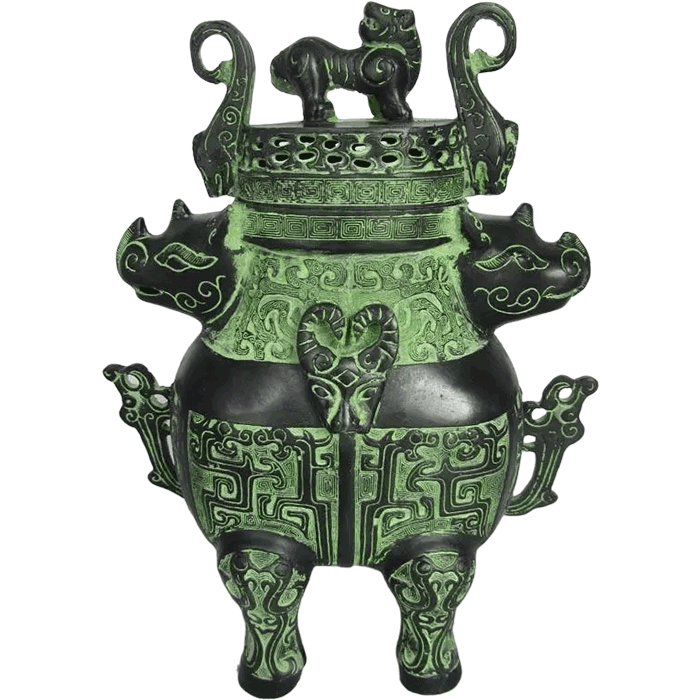
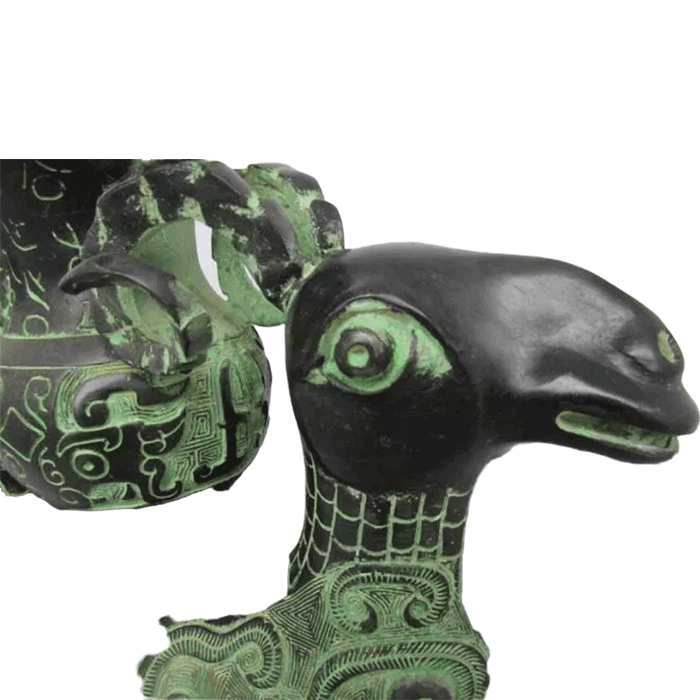
The most pervasive decorative motif on Shang bronzes is the *taotie* (饕餮), a stylized mask of a mythical, gluttonous beast. It is typically symmetrical, with prominent eyes, C-shaped horns, a snout, and a jaw, but often lacks a lower jaw. The *taotie* can be interpreted as a fearsome guardian, a shamanistic symbol, or a warning against excess. Its features are often composed of other, smaller patterns. The spaces around the *taotie* are rarely left empty, usually filled with intricate geometric patterns known as *leiwen* (雷紋), or "thunder patterns," which consist of dense spirals and meanders.
Structural and Textural Elements
The casting process itself left behind tell-tale signs that are part of the vessel's aesthetic. The piece-mold casting technique used by Shang artisans involved creating a clay model, then forming outer and inner molds around it. Molten bronze was poured into the space between. This process resulted in:
- Mold Seams: Faint vertical lines on the vessel's surface where the different parts of the clay mold joined.
- Flanges: Raised, decorative ridges that often run vertically along the vessel's body. While they add to the visual power of the piece, they also cleverly disguise the mold seam lines, integrating a technical necessity into the artistic design.
At Luoyang Yichuan Bronze Craft Co., Ltd., our mastery of the lost-wax method allows for seamless casting, but we can also replicate the appearance of piece-mold seams and flanges for clients who require absolute historical fidelity. Our hand-chasing and finishing artisans meticulously refine these details, ensuring every element is authentic to the period. The intricate patterns that define these chinese bronze handicrafts are a testament to the skill of the original creators and our modern-day artisans.
Partnering with an Expert for Authentic Replications
Sourcing a high-quality reproduction of a Shang-era bronze vessel requires a manufacturing partner with deep expertise, rigorous quality control, and a commitment to historical accuracy. Whether you require a single prototype for a museum exhibit or a large production run for a luxury hotel project, the success of your endeavor hinges on the capabilities of your supplier.
Luoyang Yichuan Bronze Craft Co., Ltd. is an ISO 9001 certified manufacturer dedicated to the art of bronze casting. Our 3,000-square-meter facility is equipped to handle an annual output of over 50,000 pieces, yet we maintain the flexibility to cater to highly specific, low-volume orders, with a Minimum Order Quantity (MOQ) starting from just one piece for custom sculptures.
We solve the most common pain points in sourcing custom bronze art:
- Authentic Replication: Using premium bronze alloy (Cu-Sn) and the traditional lost-wax method, we achieve a level of detail that honors the original artifacts. Our artisans are skilled in hand-chasing and polishing to bring out every intricate pattern.
- Consistent Patina Matching: One of the greatest challenges is achieving a consistent and authentic patina. We offer a range of finishing options, from classic antique verdigris to modern polished looks, and specialize in color matching to ensure consistency across bulk orders or with existing collection pieces.
- Secure Global Shipping: We understand the fragility of these art pieces. Our products comply with all export quality inspection standards, and we have developed export-compliant protective packaging solutions to ensure your order arrives safely, anywhere in the world.
Every piece undergoes a strict quality inspection before shipment. We stand behind our craftsmanship, offering free replacement for any casting defects and providing after-sales support for patina touch-ups and restoration guidance. We invite you to customize a bronze sculpture with us, leveraging our expertise to bring the timeless power and beauty of the Shang Dynasty into your project.