Sourcing a Chinese Bronze Sword Replica for Display
Learn how to choose a museum-quality Chinese bronze sword replica for your collection or institution.
For museum curators, historical collectors, and buyers for cultural institutions, sourcing ancient weapon reproductions presents a unique set of challenges. Unlike common decorative items, a historical replica must embody a commitment to authenticity, material integrity, and masterful craftsmanship. The goal is not merely to acquire an object, but to procure a piece that tells a story, respects its historical context, and meets the exacting standards of a discerning audience. A poorly made reproduction can undermine the credibility of an exhibit or devalue a collection, making the selection process a critical task.
Choosing the right partner for this endeavor is paramount. A proficient manufacturer understands that creating a display-worthy replica involves more than just mimicking a shape. It requires a deep knowledge of ancient metallurgy, traditional casting techniques, and the subtle artistry of finishing that brings a piece to life. This guide provides a comprehensive framework for B2B buyers to evaluate and select high-quality bronze sword reproductions, ensuring that your investment results in a piece of lasting value and historical resonance. We will explore the key criteria, from historical accuracy and material science to the essential qualifications of a reliable manufacturing partner.
Understanding Historical Accuracy and Authenticity
The foundation of any exceptional historical replica is its faithfulness to the original artifact. For buyers, the first step is to assess the degree to which a reproduction is based on archaeological evidence and scholarly research. A premier replica is not a fantasy piece; it is a careful reconstruction of a specific historical sword, reflecting the design, dimensions, and decorative motifs of its era.
When evaluating a potential supplier, inquire about their research and development process. Do they work from detailed schematics, high-resolution photographs of museum pieces, or archaeological reports? For example, replicating the famed Sword of Goujian requires an understanding of its unique composition, including the higher tin content on the edges that created a sharper, more durable blade, and the intricate rhombic patterns etched into its surface. A knowledgeable manufacturer will be able to discuss these historical details and explain how they inform their production process. You can learn more about the legendary Yue Wang Goujian Sword and its significance in Chinese history.
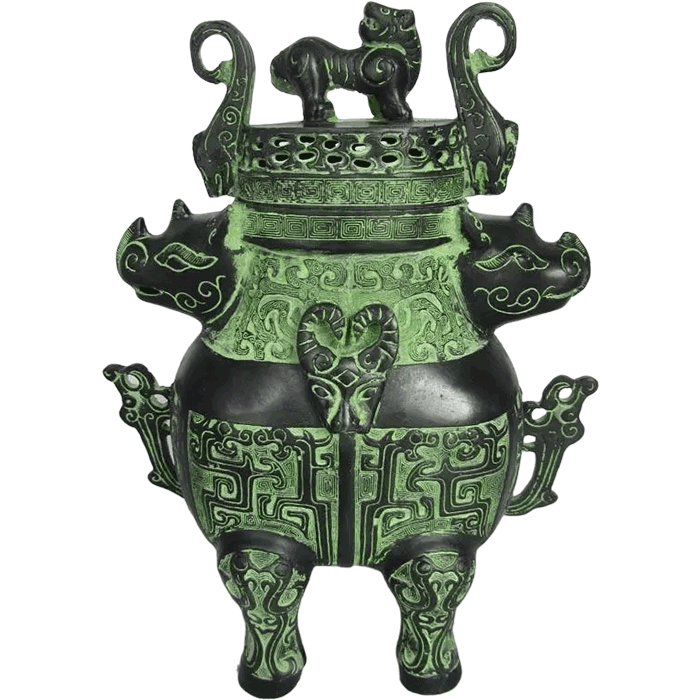
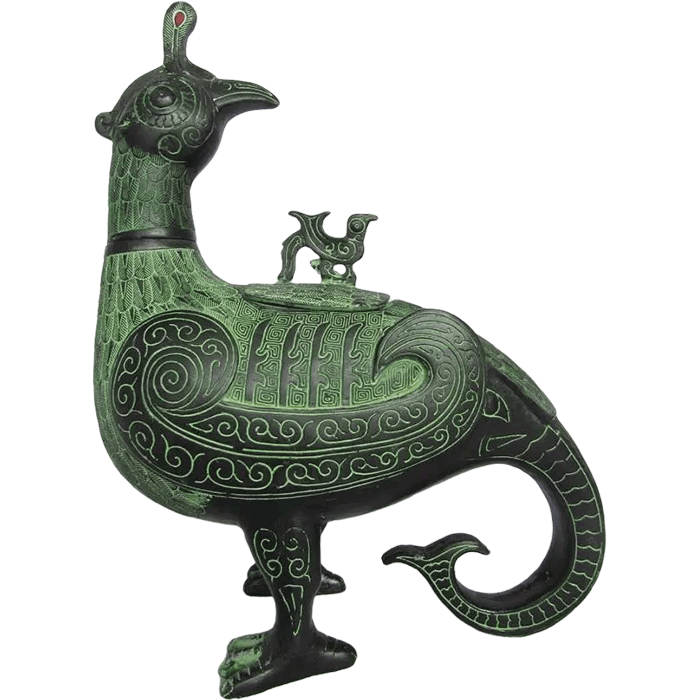
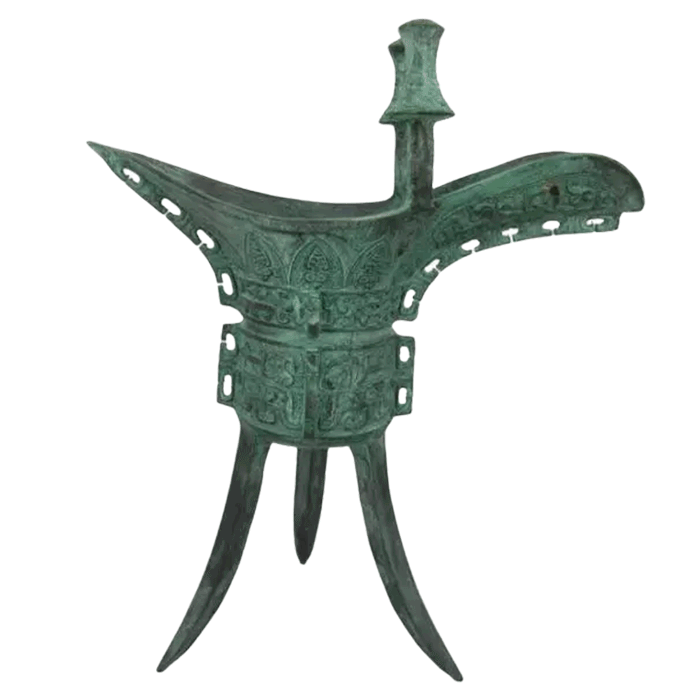
This commitment to authenticity extends to the decorative elements. The inscriptions, geometric patterns, and inlay work (such as turquoise or precious metals) on ancient Chinese bronzes were not random. They held specific cultural, ritualistic, or commemorative meanings. A supplier capable of exact replication of antique bronzes demonstrates a higher level of skill and attention to detail. They should be able to reproduce these intricate designs with precision, ensuring the final piece is not just a sword-shaped object, but a faithful tribute to the artistry of the Spring and Autumn, Warring States, or other relevant periods.
Assessing Material Quality and Casting Techniques
The physical substance of a replica is as important as its form. The term "bronze" itself requires careful definition. True historical bronze is a specific alloy, primarily of copper (Cu) and tin (Sn). This composition is crucial for achieving the correct weight, color, and aging properties. Some manufacturers may cut costs by using brass (a copper-zinc alloy) or other inferior metals, which can result in an inaccurate appearance and a different feel. An expert supplier will use a premium bronze alloy and be transparent about its composition. Understanding the difference between bronze and brass is fundamental for any buyer of quality metalwork.
The method of creation is the second pillar of material quality. The vast majority of ancient Chinese bronzes were made using the lost-wax casting method (cire-perdue). This traditional technique, still revered today for its ability to capture fine detail, involves several meticulous steps:
- Model Creation: An exact model of the sword is sculpted in wax.
- Mold Making: The wax model is encased in a clay or ceramic shell, with channels (sprues) added to allow molten metal to flow in and gases to escape.
- Dewaxing: The mold is fired in a kiln. The wax model melts and drains away, leaving a hollow, negative impression of the sword inside the hardened shell.
- Casting: Molten bronze is poured into the hollow mold, filling every detail of the original wax sculpture.
- Finishing: Once the metal has cooled and solidified, the outer mold is broken away to reveal the raw bronze casting. The sprues are cut off, and the piece moves on to finishing.
This process is labor-intensive but results in a seamless, highly detailed final product that is far superior to modern sand casting or die casting for art-grade pieces. A supplier committed to the lost-wax method demonstrates a dedication to historical authenticity and quality. At Luoyang Yichuan Bronze Craft Co., Ltd., our 3,000-square-meter facility is equipped to perform this entire process, ensuring each piece benefits from this time-honored technique.
Evaluating Craftsmanship: The Finishing Touches That Matter
A raw bronze casting is only the beginning. The true artistry of a replica is revealed in the finishing stages, which transform the piece from a rough casting into a work of art. These post-casting processes are performed by hand and require immense skill and patience. When evaluating a supplier, pay close attention to their capabilities in these three key areas:
Chasing and Polishing
After the casting is freed from its mold, skilled artisans use a variety of small hand tools, files, and chisels to refine the surface. This process, known as "chasing," is used to sharpen details, remove any minor imperfections from the casting process, and smooth the surfaces. Following chasing, the sword is meticulously polished. The level of polish can vary depending on the desired final look—from a mirror-like sheen to a more subdued, satin finish. The precision of this work directly impacts the final aesthetic quality and is a clear indicator of the craftsmanship involved.
Patina Application
Perhaps the most critical finishing step for a historical replica is the application of the patina. A patina is the surface coloration that develops on bronze over time due to oxidation. For a new replica, this effect is achieved artificially using a controlled application of chemicals and heat. This is a highly specialized skill, as the goal is to create a rich, complex, and believable finish that mimics centuries of aging.
A superior manufacturer can offer a range of patina options, from the classic bluish-green verdigris found on archaeological treasures to deeper, darker antique bronze tones or even sleek, modern black or brown finishes. One of the most significant challenges in sourcing replicas, especially for a series or collection, is achieving consistent patina color matching. A skilled supplier solves this pain point by having master artisans who can reliably replicate a specific patina across multiple pieces, ensuring uniformity for your display or retail inventory.
Key Supplier Capabilities for Sourcing High-Quality Replicas
Beyond the physical attributes of the product, the capabilities of the manufacturer are a crucial factor in ensuring a successful sourcing partnership. For B2B buyers, a reliable supplier is one who combines artistic skill with industrial-grade professionalism.
Production Capacity and Scalability
Your needs may range from a single, highly detailed custom prototype for a museum exhibit to a bulk production run for a gift shop. A versatile supplier should be able to accommodate both. Look for a manufacturer with a proven track record and substantial production capacity, such as an annual output of over 50,000 pieces. This indicates an established, efficient operation. Furthermore, inquire about their Minimum Order Quantity (MOQ). A supplier offering an MOQ from as low as one piece for custom sculptures provides invaluable flexibility, allowing you to commission unique items without a large upfront commitment. You can learn how to customize a bronze sculpture from sculpmart.com and bring your specific vision to life.
Quality Management and Compliance
International sourcing requires trust and verification. A supplier's commitment to quality can be measured by their certifications and processes. An ISO 9001 quality management system certification is a strong indicator of standardized processes and a commitment to continuous improvement. Additionally, ensure their products comply with export quality inspection standards for art crafts. This is not just a bureaucratic detail; it ensures that the products are manufactured to a recognized standard of quality and durability suitable for the global market. A rigorous quality inspection before every shipment is a non-negotiable part of this process.
Logistics and After-Sales Support
The journey of a delicate art piece doesn't end at the factory door. Fragile sculptures, especially those with fine points or intricate hilts like a sword, require specialized packaging. A common sourcing pain point is damage during transit due to inadequate protection. An experienced supplier will use export-compliant protective packaging designed to withstand the rigors of international shipping. Finally, consider the after-sales support offered. A confident manufacturer will stand behind their work with policies like free replacement for casting defects and providing expert guidance for long-term care, such as patina touch-ups and restoration advice. This level of support transforms a simple transaction into a long-term partnership.
In conclusion, selecting a display-quality Chinese bronze sword replica is a process of due diligence. It requires looking beyond the price tag to evaluate historical fidelity, material integrity, and the depth of craftsmanship. By focusing on these core attributes and vetting the operational capabilities of your potential manufacturing partner, you can confidently source stunning, authentic reproductions that will enrich your collection, captivate your audience, and honor the profound legacy of Chinese bronze handicrafts.