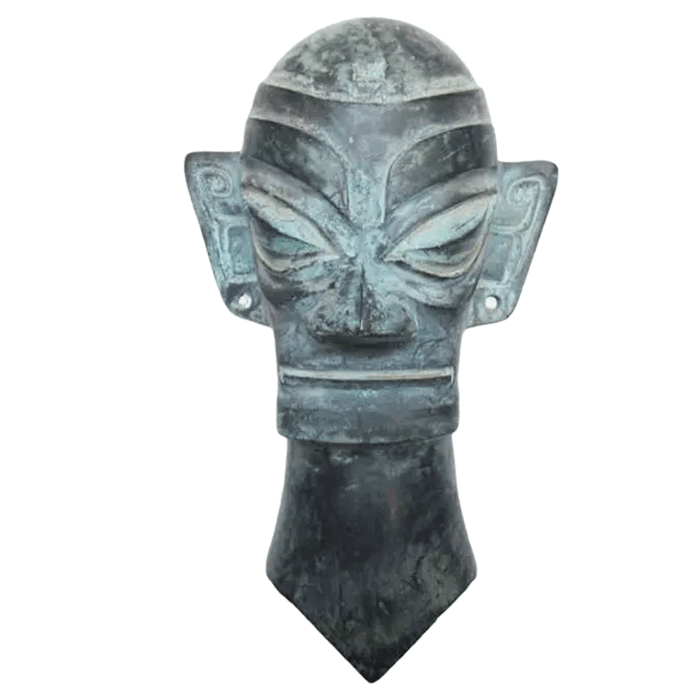
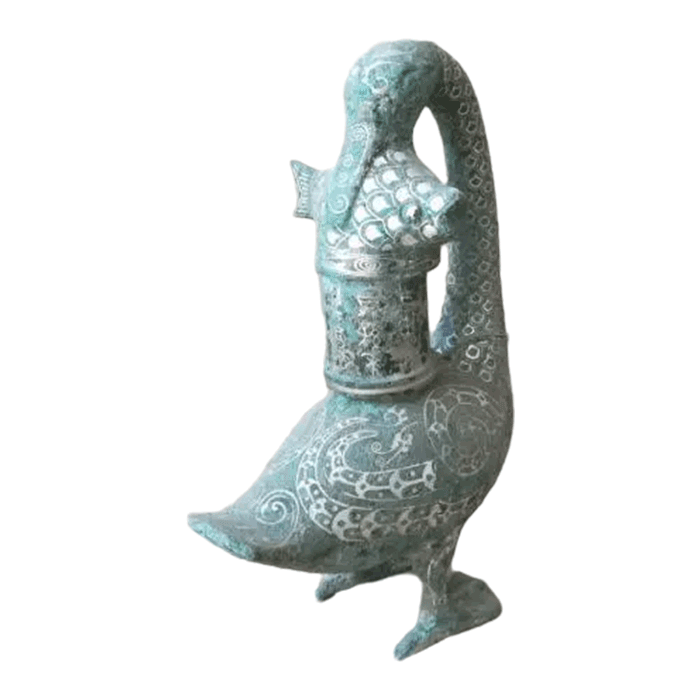
Sourcing Traditional Chinese Bronze Gifts: A B2B Guide
Discover the secrets to sourcing high-quality Traditional Chinese Bronze Gifts for your business.
For importers, wholesalers, and corporate gift buyers, the market for artisanal goods offers a unique opportunity to provide clients with items of lasting value and cultural significance. Among these, bronze artworks from China stand out for their rich history, intricate beauty, and timeless appeal. However, navigating the sourcing process for these specialized items can be fraught with challenges, from ensuring material authenticity to guaranteeing consistent quality across large orders. This comprehensive guide provides B2B buyers with the essential knowledge needed to identify and partner with expert bronze craft suppliers, ensuring your inventory is filled with exceptional products that reflect true craftsmanship.
Sourcing these items successfully requires more than just finding a low-cost producer; it demands a partnership with a manufacturer who understands the nuances of metallurgy, the legacy of traditional techniques, and the logistical demands of international trade. By understanding the key markers of quality and the critical questions to ask potential suppliers, you can mitigate risks and build a reliable supply chain for exquisite bronze art.
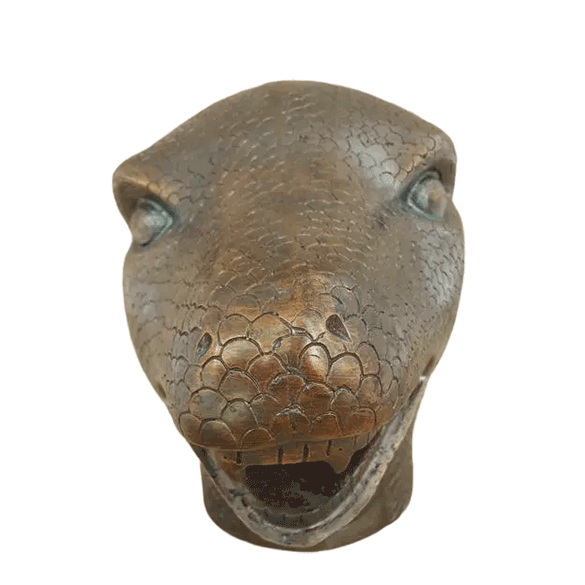
Understanding the Hallmarks of Authentic Bronze Artistry
Before you can vet a supplier, you must be able to recognize superior craftsmanship. The value and appeal of a bronze piece are determined by the quality of its materials, the precision of its creation process, and the artistry of its final finish. Discerning buyers should look for suppliers who are transparent about these core elements of production.
Material Matters: The Significance of Premium Bronze Alloy
The foundation of any exceptional bronze work is the metal itself. True bronze is an alloy primarily composed of copper and tin (Cu-Sn). This specific composition is crucial for several reasons. A premium bronze alloy provides superior tensile strength, resistance to corrosion, and the ability to capture extremely fine details during the casting process. This is why historically significant artifacts have survived for millennia. Suppliers who use high-grade bronze ensure their products are not just decorative but are durable, heirloom-quality pieces. In contrast, manufacturers may use cheaper alternatives like brass (a copper-zinc alloy) or, even worse, resin with a metallic finish. These materials lack the weight, feel, and longevity of authentic bronze. When evaluating a supplier, always inquire about their alloy composition. A reputable manufacturer will be proud to specify their use of a premium Cu-Sn alloy. Understanding the difference between bronze and brass is a critical first step for any serious buyer.
The Lost-Wax Casting Method: A Legacy of Precision
The most revered method for creating detailed bronze sculptures is the traditional lost-wax (or cire perdue) technique. This multi-step process has been used for thousands of years and remains the gold standard for high-fidelity art casting. The process involves:
- Model Creation: An artist first creates an original model of the sculpture from clay, wax, or another material.
- Mold Making: A flexible silicone or plaster mold is made from the original model to capture every detail.
- Wax Positive: Molten wax is poured into the mold to create a hollow, perfect replica of the original sculpture. This wax positive is then removed and refined by hand.
- Spruing and Shelling: A network of wax rods (sprues and gates) is attached to the wax positive to allow molten bronze to flow in and gases to escape. The entire wax structure is then repeatedly dipped in a ceramic slurry and sand, creating a hard, heat-resistant shell.
- Burnout and Casting: The ceramic shell is fired in a kiln. The wax melts and drains away—"lost wax"—leaving a hollow cavity. Molten bronze is then poured into this cavity.
- Release and Finishing: Once the bronze has cooled, the ceramic shell is carefully broken away to reveal the raw casting. The sprues are cut off, and the meticulous process of finishing begins.
Suppliers who master this method can produce pieces with unparalleled detail and complexity. It is a labor-intensive process that signifies a commitment to quality over mass-produced simplicity. When shortlisting partners, ask if they use the lost-wax method for their fine art pieces.
The Art of the Finish: Chasing, Polishing, and Patination
A raw bronze casting is only the beginning. The final stage is where true artistry shines. Skilled artisans perform several crucial finishing steps:
- Chasing: This involves using specialized tools to remove any imperfections from the casting process, sharpen details, and refine textures on the metal surface.
- Polishing: The surface is meticulously polished to create the desired luster, from a soft matte sheen to a brilliant, reflective shine.
- Patination: The patina is the color of the bronze surface, achieved by applying specific chemicals and heat. This is a highly skilled art form. A master artisan can create a vast range of colors and effects, from the traditional verdigris (green) and rich browns of antique pieces to sleek, modern black or polished gold finishes.
One of the most significant challenges in B2B sourcing is achieving color consistency across a bulk order. A supplier with experienced finishing artisans can ensure that every piece in a production run has a perfectly matched patina, which is essential for maintaining brand standards.
Key Criteria for Vetting a Bronze Craft Supplier
Once you know what high-quality bronze looks like, the next step is to evaluate potential manufacturing partners. Look beyond the product photos and assess the operational integrity and capabilities of the company. A reliable supplier of Traditional Chinese Bronze Gifts will demonstrate strength in several key areas.
Verify Production Capacity and Scalability
Your supplier must be able to meet your order volume, whether you are commissioning a single, large-scale custom sculpture or ordering thousands of smaller gift items. Inquire about their facility size, number of skilled craftsmen, and annual output. For example, a well-established manufacturer might operate a 3,000-square-meter production area with over 30 skilled craftsmen, including bronze-casting masters and finishing specialists. An annual output capacity of over 50,000 pieces indicates they are equipped to handle bulk production runs without sacrificing quality. This scalability ensures they can grow with your business and handle fluctuating demand.
Scrutinize Quality Management Systems
For international trade, verifiable quality control is non-negotiable. Look for suppliers who adhere to internationally recognized standards. An ISO 9001 certification, for instance, is a powerful indicator that the company has a robust quality management system in place. This means they have documented processes for everything from raw material inspection to final product testing, ensuring consistency and accountability. Furthermore, confirm that their products comply with export quality inspection standards for art crafts. This preemptively solves potential issues with customs and ensures the products meet international market expectations.
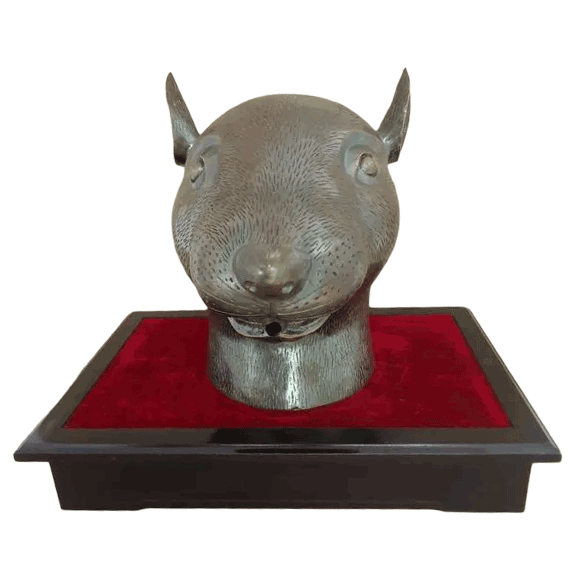
Evaluate Customization Capabilities
The ability to create custom pieces is a hallmark of a top-tier supplier. Your business may need to replicate a specific antique, produce a proprietary design, or create a unique corporate award. A truly capable partner can work from drawings, photographs, or even just concepts to bring your vision to life. A key indicator of a flexible, client-focused supplier is their Minimum Order Quantity (MOQ). A manufacturer willing to offer an MOQ as low as one piece for a custom prototype demonstrates confidence in their craftsmanship and a commitment to building a long-term partnership. If you need to customize a bronze sculpture from sculpmart.com, working with a flexible partner is essential. This flexibility allows you to test new designs without a massive initial investment.
Solving Common Sourcing Challenges in the Bronze Gift Market
Experienced importers are familiar with the pain points of sourcing high-value crafts. A premier supplier distinguishes itself by having pre-existing solutions to these common problems, turning potential crises into seamless transactions.
Achieving Perfect Antique Replications
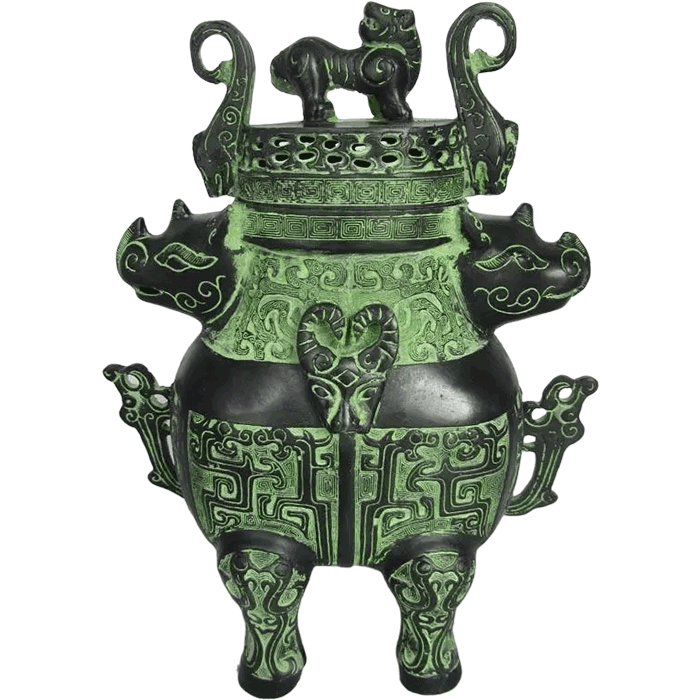
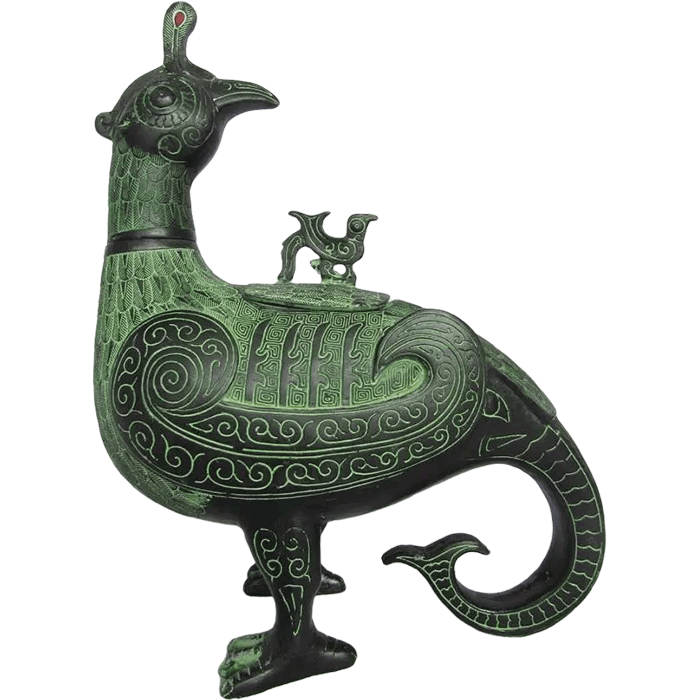
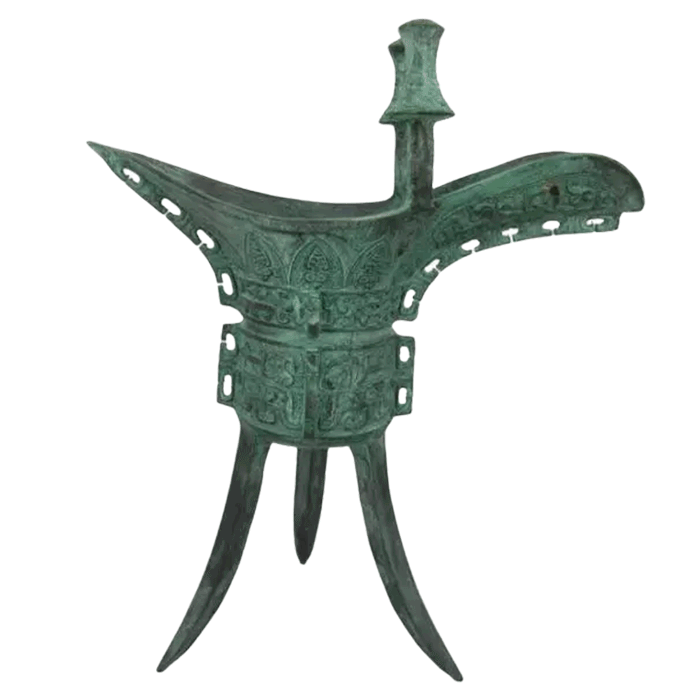
The market for high-quality replicas of historical chinese bronze sculpture is significant, but so is the difficulty in achieving true fidelity. An exact replication requires more than just a similar shape; it demands a deep understanding of historical casting techniques, alloy compositions, and authentic patination methods. A specialized supplier will have master craftsmen who have studied ancient bronzes and can replicate not just the form, but the spirit of the original piece. This expertise is a rare and valuable asset for any B2B buyer in the art and decor market.
Ensuring Consistent Patina Across Bulk Orders
As mentioned earlier, patina inconsistency can ruin a product line. When customers order a set of items or when a retailer stocks a collection, color variation is unacceptable. This is a common failure point for less experienced manufacturers. A supplier who highlights their ability for "consistent patina color matching" is directly addressing this critical B2B need. They should have master artisans who use controlled processes and standardized chemical formulas to ensure that the first piece and the five-hundredth piece look identical.
Securing Fragile Artworks for International Shipment
The journey from the foundry to your warehouse is perilous. Bronze sculptures, especially those with delicate extensions or intricate details, are vulnerable to damage. A supplier's responsibility does not end when the product is finished; it extends to ensuring it arrives safely. Look for a partner who provides export-compliant protective packaging. This isn't just a standard cardboard box. It involves custom-fitted foam, reinforced crating, and strategic bracing to protect the artwork from shock, vibration, and impact during its long journey.
The Post-Purchase Partnership: What to Look for After the Order
A supplier’s commitment to quality should extend beyond the point of sale. The best B2B relationships are long-term partnerships built on trust and support. When choosing a supplier for Traditional Chinese Bronze Gifts, evaluate their post-purchase policies.
Comprehensive Quality Inspection Protocols
A confident manufacturer will stand behind their work with a rigorous final inspection. Ask about their quality control process before shipment. Do they inspect every single piece, or do they rely on batch sampling? A commitment to inspecting every item before it is packaged demonstrates a dedication to delivering a flawless product and reduces the likelihood that you will have to deal with returns or defects upon arrival.
Guarantees and After-Sales Support
Even with the best processes, issues can occasionally arise. A trustworthy supplier will have clear and fair policies for handling them. Look for a guarantee that includes provisions like a free replacement for any pieces with verifiable casting defects. This shifts the risk away from you, the buyer. Furthermore, exceptional partners offer long-term support. This could include providing guidance on patina touch-ups for pieces that get scratched in a retail environment or offering expert advice on long-term care and restoration. This level of after-sales support shows they are invested in the entire lifecycle of their creations and the success of your business.
By focusing on these critical areas—artistic hallmarks, supplier capabilities, problem-solving expertise, and post-purchase support—you can confidently source exceptional Traditional Chinese Bronze Gifts that will captivate your customers and enhance your brand's reputation for quality.