Sourcing Chinese Bronze Artware: A B2B Guide
Sourcing Authentic Chinese Bronze Artware Requires a Deep Understanding of Craftsmanship
For collectors, interior designers, cultural institutions, and B2B buyers, sourcing high-quality bronze artworks is a process predicated on knowledge. The value and authenticity of these pieces are not merely in their form but are deeply embedded in the materials used, the methods of their creation, and the artistry of their finish. Understanding the technical nuances of bronze alloy composition, the traditional lost-wax casting process, and the complex art of patination is essential for making informed procurement decisions. This guide provides a comprehensive overview for buyers seeking to invest in pieces that are not only aesthetically superior but also historically and technically sound.
As a manufacturer based in Yichuan County, Luoyang—a historical heartland of Chinese bronze culture—we understand that excellence is achieved through a mastery of these fundamentals. From replicating ancient masterpieces to creating contemporary custom sculptures, the journey from raw metal to finished art is a testament to skill, tradition, and uncompromising quality control.
The Foundation of Excellence: Bronze Alloy Composition
The very essence of a bronze object begins with its alloy. Bronze is not a pure element but a family of copper-based alloys, most commonly alloyed with tin. The specific ratio of copper to tin, along with the inclusion of other trace elements like lead or zinc, profoundly impacts the metal's properties, including its color, hardness, corrosion resistance, and fluidity when molten. For buyers of Chinese bronze reproductions and custom art, the alloy is the canvas upon which the entire piece is built.
Historically, ancient Chinese artisans were master metallurgists who varied bronze compositions based on the object's intended function. For instance:
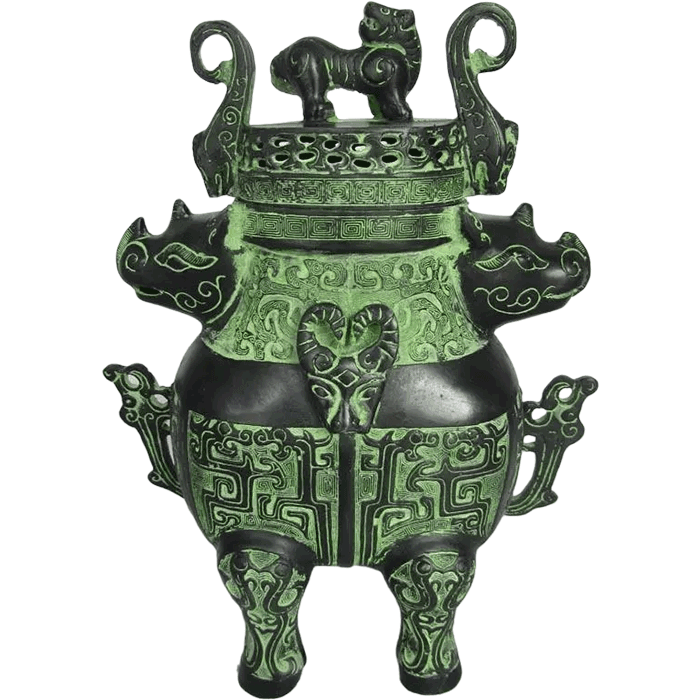
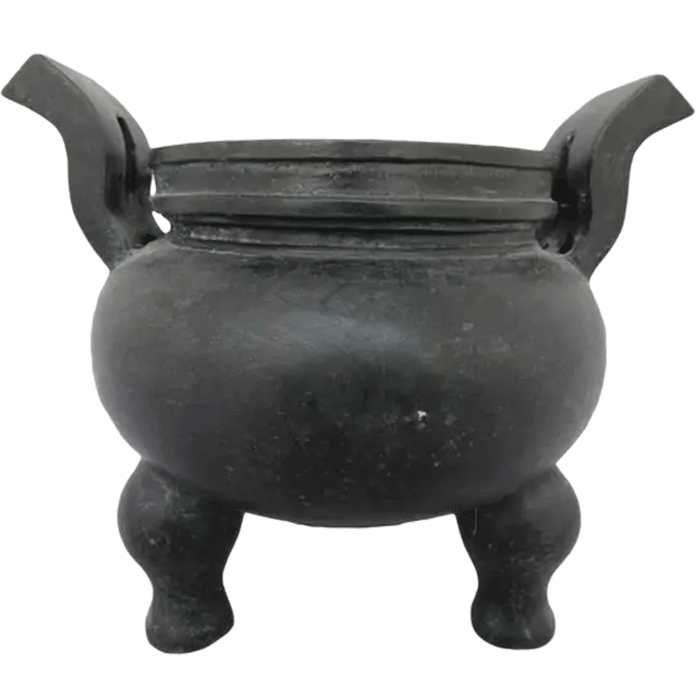
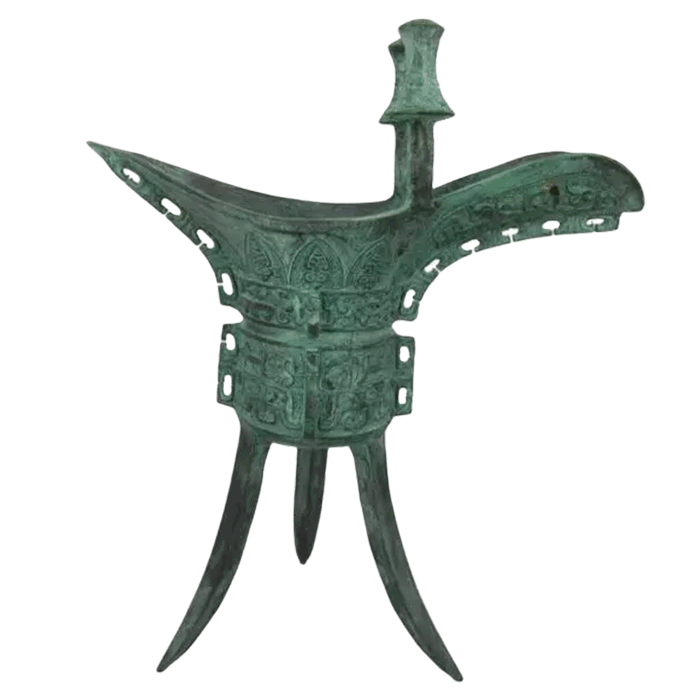
- Ritual Vessels (Ding, Zun): These typically featured a balanced copper-tin ratio that provided strength and allowed for intricate, high-relief decorative casting.
- Weapons (Swords, Ge): A higher tin content was often used to increase hardness and create a sharper, more durable edge. The famous sword of Yue Wang Goujian is a prime example of this advanced metallurgy.
- Mirrors: Bronze mirrors required a very high percentage of tin, sometimes over 20%, to create a highly reflective, silvery surface that could be polished to a brilliant sheen.
In modern production, adherence to a premium bronze alloy is non-negotiable for achieving superior results. At Luoyang Yichuan Bronze Craft Co., Ltd., we utilize a high-quality copper-tin (Cu-Sn) bronze that honors these historical precedents. This specific composition ensures optimal performance during the casting process, allowing for the faithful capture of minute details from the original model. It also provides the ideal substrate for developing rich, stable, and aesthetically pleasing patinas. Understanding the difference between bronze and brass is crucial, as the latter (a copper-zinc alloy) behaves differently and produces a distinct visual character, making it unsuitable for authentic historical reproductions.
For a B2B client, specifying the correct alloy is the first step in quality assurance. A reliable manufacturing partner should be transparent about their materials, ensuring the final product possesses the durability, color, and character expected of fine bronze work.
The Art of Creation: Traditional Lost-Wax Casting
While the alloy is the foundation, the casting method gives the bronze its form. The lost-wax technique, known as cire perdue, is an ancient process that has been used for millennia to create complex and detailed metal sculptures. Its continued use today is a testament to its unparalleled ability to translate an artist's vision into metal with exceptional fidelity. This method is central to producing authentic-looking antique replications and intricate custom artworks.
The lost-wax process is meticulous and labor-intensive, involving several critical stages:
- Model and Mold Making: The process begins with an original model, often sculpted in clay or wax. A flexible silicone mold is then created from this master model to capture every detail.
- Wax Positive Creation: Hot wax is poured into the silicone mold and swirled to create a hollow wax copy of the original sculpture. This wax positive is then removed and meticulously chased (retouched) by an artisan to refine details and remove imperfections.
- Spruing: A network of wax rods, known as sprues and vents, is attached to the wax positive. This "tree" will later serve as channels for the molten bronze to flow in and for gases to escape, ensuring a complete and solid casting.
- Investment (Ceramic Shell): The wax positive with its sprue system is dipped repeatedly into a liquid ceramic slurry and then coated with a fine sand-like stucco. This process is repeated multiple times, building up a thick, durable ceramic shell around the wax.
- Burnout: The ceramic shell is placed in a kiln. The high heat melts and burns away the wax inside (hence "lost wax"), leaving a perfect, hollow cavity in the shape of the original sculpture. The shell is also fired to a high temperature, curing it to withstand the thermal shock of the molten bronze.
- Pouring: Molten bronze, heated to over 1,000°C, is carefully poured into the hollow ceramic shell, filling the cavity completely.
- De-vesting and Finishing: After the bronze cools and solidifies, the ceramic shell is carefully broken away, revealing the raw bronze casting. The sprue system is cut off, and the real finishing work begins. This includes grinding, chasing the metal to sharpen details, sanding, and polishing the surface to prepare it for patination.
This intricate process requires immense skill, which is why our 3,000-square-meter production facility in Luoyang is home to over 30 skilled craftsmen, including master casters and finishing artisans. Their expertise is crucial for solving common sourcing pain points, such as achieving the exact replication of complex antique bronzes, a task where the subtleties of the lost-wax method are indispensable.
Finishing Touches: The Science and Art of Patination
A raw bronze casting, while structurally complete, lacks the character and depth that defines finished Chinese bronze artware. The final, critical stage is patination—the process of creating a colored finish on the surface of the metal. A patina is not a paint or a coating; it is a controlled chemical reaction that alters the surface of the bronze itself, creating a thin layer of corrosion that is both protective and beautiful.
There are two primary types of patina:
- Natural Patina: This develops over centuries as a bronze object is exposed to oxygen, moisture, and minerals in its environment (often burial). These patinas are prized for their authenticity and unique, layered colors—typically greens, blues, and reds from copper carbonates, sulfates, and oxides.
- Applied Patina: In a workshop, artisans replicate and accelerate this aging process using a controlled application of chemicals and heat. This is an art form in itself, requiring a deep understanding of chemical reactions and a steady hand to achieve the desired effect.
The process of applying a patina involves heating the bronze sculpture with a torch to open the metal's pores and then carefully applying various chemical solutions with brushes, sponges, or sprays. Different chemicals produce different colors: ferric nitrate for browns and golds, cupric nitrate for greens and blues, and liver of sulfur for blacks. Layers are built up to create depth and variation, mimicking the complexity of a natural, age-induced patina. Once the desired color is achieved, the piece is sealed with wax to protect the finish and give it a subtle luster.
For B2B clients, consistent and accurate patina color matching is a frequent challenge, especially when ordering multiple pieces or trying to match an existing item. Our artisans specialize in this precise work, leveraging their experience to deliver consistent antique and modern finishes across entire production runs. After patination, further hand-finishing, such as polishing raised areas to create highlights, adds the final dimension of visual interest to the artwork.
Sourcing and Quality Assurance for B2B Buyers
Navigating the global market for bronze art can be challenging. Buyers often contend with inconsistent quality, unreliable production schedules, and the risk of damage during international shipping. A strategic partnership with a manufacturer that prioritizes quality control and client support is paramount for mitigating these risks.
An effective quality management system is the backbone of a reliable supplier. Our operations are ISO 9001 certified, ensuring that every stage of our process—from material sourcing to final packaging—adheres to internationally recognized standards. This systemic approach is designed to produce consistent, high-quality outcomes. Furthermore, every single piece undergoes a rigorous quality inspection before shipment. In the unlikely event of a casting defect, we offer a free replacement, providing our clients with complete peace of mind.
Flexibility is another key consideration, especially for custom projects. Whether you need a single prototype for a client presentation or a large-scale production run, your partner should be able to accommodate your needs. We support this flexibility with a Minimum Order Quantity (MOQ) starting from just one piece for custom sculptures, allowing for accessible prototyping and bespoke commissions. For larger orders, our facility has an annual output of over 50,000 bronze art pieces, demonstrating the capacity for substantial projects.
Finally, the journey isn't over until the art is safely delivered. We address the critical issue of logistics by using export-compliant, protective packaging specifically designed for fragile and heavy sculptures, minimizing the risk of damage in transit. Our commitment extends beyond delivery, with after-sales support that includes guidance on patina touch-ups and restoration to ensure the long-term integrity of your investment.
Diverse Applications and Customization
The applications for finely crafted bronze artwork are vast, spanning corporate, public, and private sectors. Our extensive product line reflects this diversity, including:
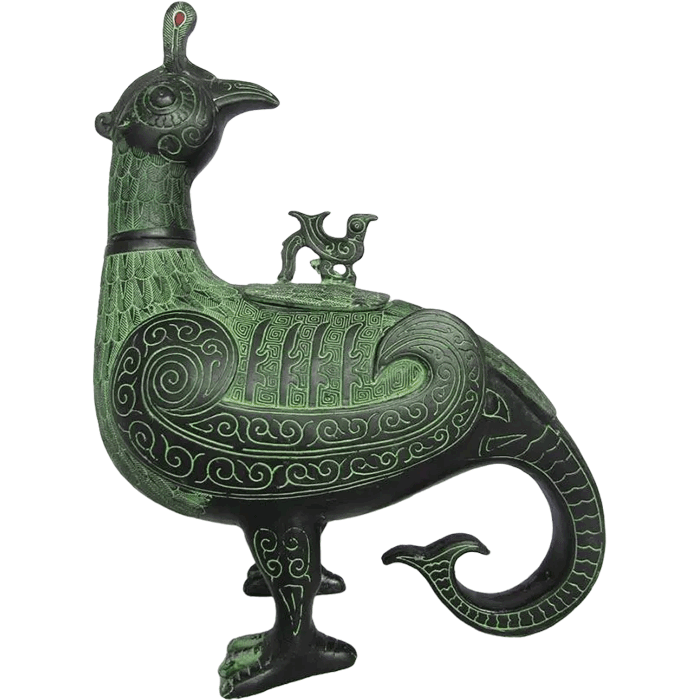
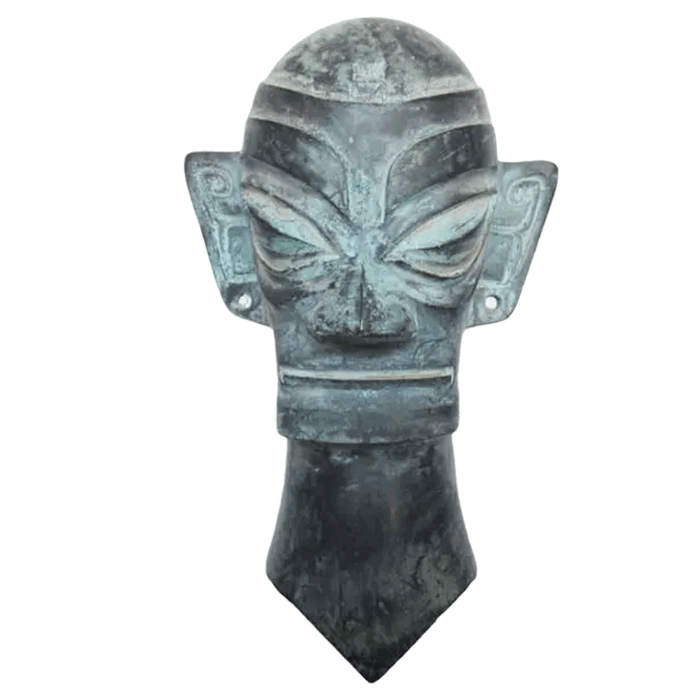
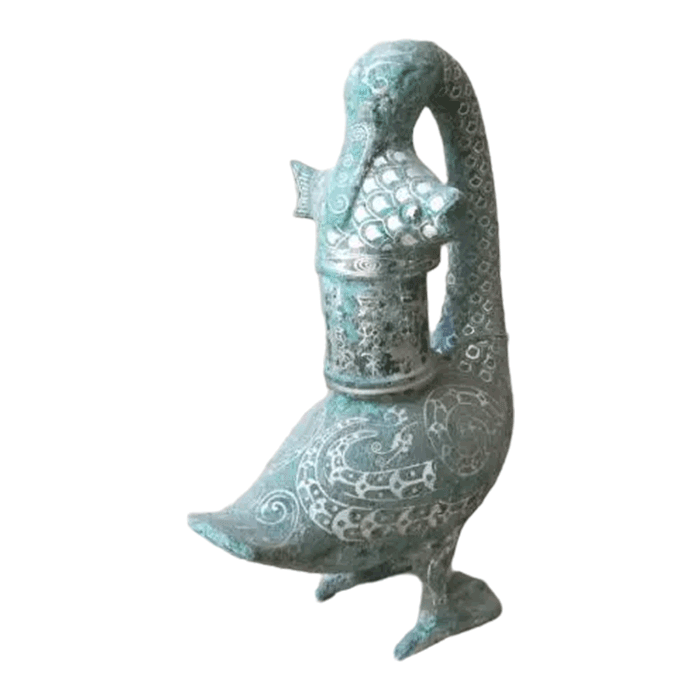
- Bronze Sculptures: Our collections include a wide array of human and bronze statues with different themes, suitable for public art installations, corporate lobbies, and private gardens.
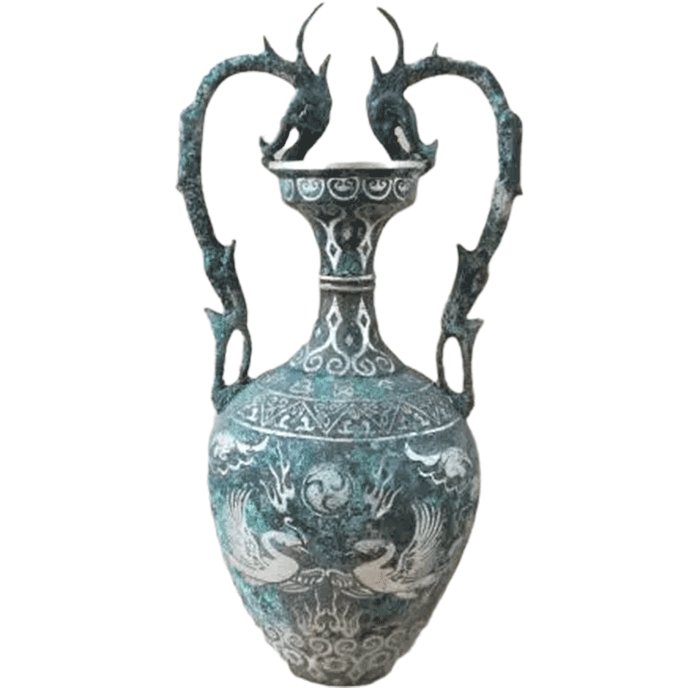
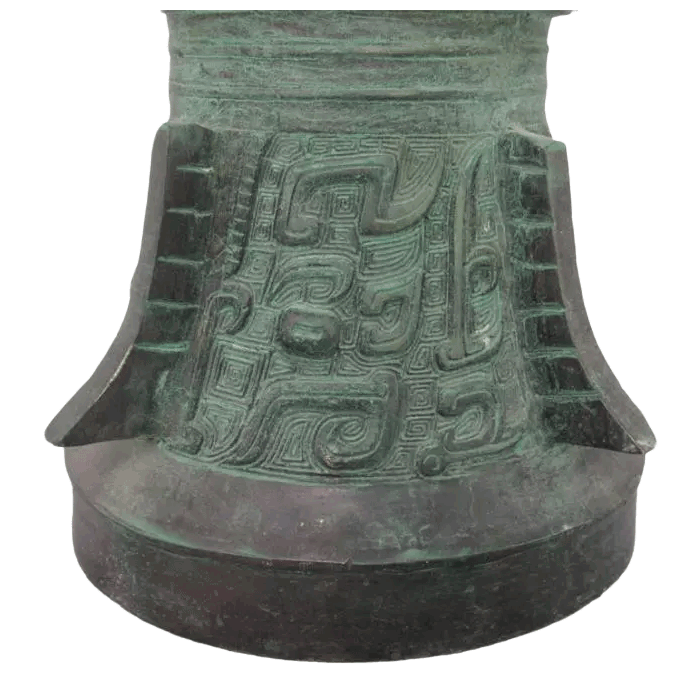
- Bronze Vessels: Replicas of historical ding, zun, and hu tripods serve as powerful decorative statements in luxury hotels, museums, and executive offices. These pieces connect modern spaces with the profound legacy of ancient Chinese culture, much like the famous Houmuwu square cauldron.
- Custom Artworks: The true potential of bronze is realized in custom projects. We collaborate closely with artists, designers, and architects to bring their unique visions to life. If you want to customize a bronze sculpture from sculpmart.com, our process is designed to be transparent and collaborative, from initial concept sketches to the final installation.
By understanding the core principles of bronze alloy, casting, and finishing, B2B buyers can more effectively specify their requirements and evaluate the quality of potential suppliers. Partnering with a knowledgeable and well-equipped manufacturer like Luoyang Yichuan Bronze Craft Co., Ltd. ensures that your project is not just a transaction, but a collaboration dedicated to creating enduring works of art.