Sourcing Chinese Bronze Animal Statues: A B2B Buyer's Guide
Crafting a Secure Supply Chain for Your Chinese Bronze Animal Statues
The global market for fine art and decor holds a deep appreciation for the timeless elegance and historical resonance of bronze sculptures. For B2B buyers, importers, and interior design firms, sourcing high-quality bronze animal artwork from China offers access to a rich tradition of craftsmanship. However, this rewarding venture is not without its challenges. Navigating the landscape of international suppliers can present risks, including inconsistent product quality, communication barriers, shipping damage, and a frustrating disconnect between the approved sample and the final bulk order. A successful sourcing strategy is built not on chance, but on a meticulous process of supplier verification and partnership.
This guide provides a comprehensive framework for safely and effectively sourcing these intricate pieces. By focusing on key areas—from foundational credentials and technical expertise to risk mitigation and after-sales support—you can build a resilient supply chain and forge a partnership with a manufacturer that delivers excellence, consistency, and peace of mind. The goal is to move beyond a simple transactional relationship to find a true production partner invested in the quality of your final product.
Foundational Vetting: Verifying Supplier Credentials and Capabilities
Before delving into the artistry of the bronze work itself, the first step in risk mitigation is to thoroughly vet a potential supplier's operational foundation. A manufacturer's credentials, production capacity, and even their geographical location can provide significant insights into their reliability, professionalism, and ability to meet your specific needs. These foundational elements separate established, professional foundries from smaller, less predictable workshops.
Quality Management Systems and Certifications
In international trade, third-party certifications are a crucial indicator of a supplier's commitment to quality and process control. Look for manufacturers who are ISO 9001 certified. This is more than just a certificate on the wall; it signifies that the company has implemented a rigorous quality management system that governs everything from raw material inspection to final product testing and shipment. An ISO 9001 certified supplier is dedicated to standardized processes, continuous improvement, and customer satisfaction.
Furthermore, inquire about their compliance with export quality inspection standards for art crafts. A supplier familiar with these international requirements will understand the nuances of documentation, material declarations, and packaging needed for smooth customs clearance, preventing costly delays and compliance issues down the line.
Assessing Production Capacity and Scalability
Understanding a supplier's physical and human resources is essential for gauging their ability to deliver on time and to scale with your business. Key metrics to investigate include the size of their production facility, the number of skilled artisans they employ, and their annual output.
A substantial production area (e.g., 3,000 square meters or more) equipped with the necessary casting, finishing, and packaging stations indicates a serious, long-term operation. A team of over 30 skilled craftsmen, including bronze-casting masters and specialized finishing artisans, suggests a deep well of expertise and the capacity to handle complex projects without creating bottlenecks. An annual output of over 50,000 pieces demonstrates experience in managing production flows for both high-volume and diverse orders. This combination ensures a supplier can support everything from a single, highly detailed custom prototype to large, recurring bulk production runs, offering you flexibility as your project demands evolve.
The Art of the Craft: Evaluating Material and Technique Expertise
Once you've established a supplier's operational credibility, the focus shifts to the craft itself. The enduring value and aesthetic appeal of a bronze statue are determined by the quality of the materials used and the skill with which they are manipulated. A premier supplier will be transparent about their process and proud of the traditional techniques they employ.
Material Integrity: The Bronze Alloy
The term "bronze" can be applied loosely, so it's critical to verify the specific alloy a supplier uses. True, high-quality bronze is a copper-tin alloy (Cu-Sn), prized for its strength, corrosion resistance, and ability to capture fine detail during casting. It is also the ideal base for developing rich, stable patinas. Be wary of suppliers who are vague about their materials or substitute with lower-cost alternatives like brass (a copper-zinc alloy) or, worse, resin with a metallic finish. While these materials may look similar initially, they lack the weight, durability, and archival quality of genuine bronze. You can learn more about the difference between bronze and brass to better inform your material specifications. A reliable partner will always specify the use of premium bronze alloys for their castings.
The Lost-Wax Casting Method: A Mark of Tradition
The most revered method for creating detailed bronze sculpture is the traditional lost-wax (or "cire perdue") process. This multi-step, labor-intensive technique has been used for millennia and remains the gold standard for fine art casting. The process involves creating a wax model of the statue, encasing it in a ceramic shell, melting the wax out to create a mold, and then pouring molten bronze into the cavity. Because the mold is broken to release the sculpture, each piece cast this way is unique.
A supplier's commitment to the lost-wax method is a strong indicator of their dedication to artistry over mass-produced expediency. It is the only way to achieve the crisp, intricate details that define high-end Chinese bronze animal statues and other complex forms.
Finishing Touches: Chasing, Polishing, and Patination
The casting is only the beginning. The work that happens after the bronze has cooled is what truly brings a sculpture to life. This finishing stage involves several critical, hands-on skills:
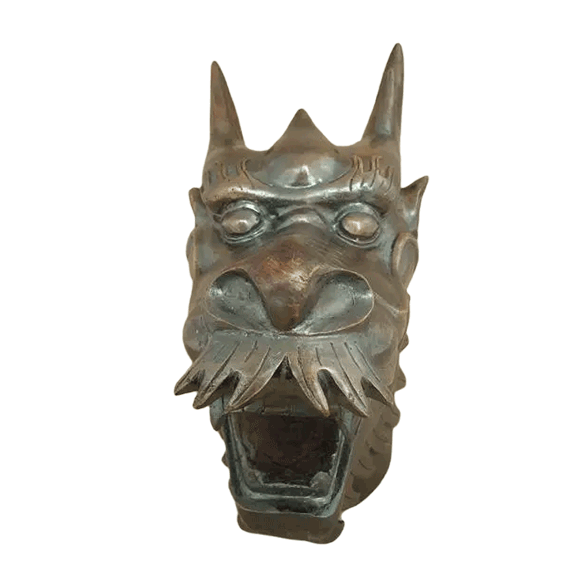
- Chasing: This is the meticulous process of refining the raw bronze casting by hand. Artisans use specialized tools to remove any imperfections, sharpen details, and re-create surface textures that may have been lost in the casting.
- Polishing: The surface is then carefully polished to create the desired luster, from a soft, matte finish to a high-gloss sheen, depending on the artistic intent.
- Patination: The final step is the application of the patina, a chemical process that creates the sculpture's color and surface character. This is both a science and an art. A master artisan can create a vast range of finishes, from traditional antique greens and browns to sleek, modern blacks and blues. A key pain point for buyers is inconsistent patina color across a batch. A top-tier supplier solves this by having master patineurs who can achieve consistent, repeatable color matching, ensuring uniformity for your entire order.
Mitigating Risk: Key Sourcing Pain Points and Their Solutions
A truly valuable manufacturing partner does more than just produce a product; they actively solve the common problems that B2B buyers face. When evaluating suppliers, look for those who have built their services around addressing these specific pain points.
Customization and Prototyping Capabilities
Many projects require more than off-the-shelf designs. Whether you need to replicate a specific antique, create a new design from a sketch, or produce a branded corporate gift, your supplier's customization capabilities are paramount. An ideal partner offers a flexible approach, allowing you to customize a bronze sculpture with a Minimum Order Quantity (MOQ) starting from a single piece. This low barrier to entry is invaluable for creating a prototype to test a design and approve quality before committing to a larger production run. It demonstrates the supplier's confidence and willingness to collaborate closely with their clients.
The Challenge of Antique Replication and Color Matching
For businesses dealing in historical reproductions, accuracy is non-negotiable. Replicating an antique bronze is a highly specialized skill that requires a deep understanding of historical casting techniques and patination. A supplier who specializes in this can exactly replicate the form, texture, and aged appearance of an original piece. Similarly, the ability to consistently match patina colors across different production batches is a significant value-add, ensuring that pieces ordered months apart will still form a cohesive collection.
Export-Compliant Protective Packaging
One of the most common and frustrating sourcing issues is receiving a shipment of beautifully crafted but damaged goods. Bronze sculptures, especially those with delicate or protruding elements, are fragile. A proactive supplier mitigates this risk by developing and implementing export-compliant protective packaging solutions. This involves custom-fitted foam, reinforced crating, and strategic bracing to ensure the artwork can withstand the rigors of international transit and arrive at its destination in pristine condition.
Post-Purchase Assurance: Quality Control and After-Sales Support
The relationship with your supplier should not end the moment the goods are shipped. A commitment to quality extends into the post-purchase phase, offering you assurance and support that protects your investment.
Rigorous Pre-Shipment Inspection
Insist on a supplier who conducts a thorough quality inspection before every single shipment. This final check should verify that each piece meets the agreed-upon standards for casting integrity, detail, finish, and patina. This internal quality control step is the last line of defense against defects and ensures that what you receive is exactly what you approved.
Clear Policies on Defects and Replacements
A confident manufacturer stands behind their work. Look for a supplier with a clear, straightforward policy on handling manufacturing defects. A promise of a free replacement for any piece with a verifiable casting defect is a powerful testament to their quality control processes and a commitment to your satisfaction. This removes the financial risk of quality issues from your shoulders and places the responsibility squarely on the manufacturer, where it belongs.
Long-Term Support and Guidance
Finally, a true partner provides support beyond the sale. Over time, a bronze patina may need care or minor touch-ups due to handling or environmental factors. A supplier who offers after-sales support, such as providing guidance on patina maintenance and restoration techniques, is invested in the long-term beauty and value of their creations. This level of service demonstrates a deep expertise and a commitment to a lasting business relationship.
By systematically evaluating potential suppliers against these criteria, you can confidently source exquisite bronze statues with different themes. The key is to look for a partner who demonstrates a holistic commitment to excellence—from their certified processes and traditional craftsmanship to their proactive problem-solving and robust after-sales support. This diligent approach will not only secure your supply chain but also ensure that every piece you import is a testament to quality and artistry.