Sourcing Bronze Chime Bells Replica for Museums: A Guide
Sourcing a Museum-Quality Bronze Chime Bells Replica: A Buyer's Guide
The bianzhong, or bronze chime bells, represent a monumental achievement in ancient metallurgy, musicology, and artistry. For museums, cultural institutions, and private collectors, acquiring a faithful reproduction of these magnificent instruments is a significant undertaking. A high-quality replica serves not only as a visually stunning exhibit but also as an invaluable educational tool, allowing audiences to experience the acoustic and aesthetic grandeur of antiquity. However, the process of sourcing such a complex piece is fraught with challenges, from ensuring historical accuracy to navigating the complexities of international logistics.
This guide is designed for procurement managers, curators, and project directors who are tasked with commissioning a large-scale bronze reproduction. We will explore the critical specifications, manufacturing techniques, and supplier qualifications necessary to ensure your project's success. By understanding these key factors, you can confidently select a manufacturing partner capable of delivering a masterpiece that honors its ancient counterpart. These instruments are a key part of the history of ancient chinese bronze musical instruments.
Defining the Scope: Key Specifications for Your Replica Project
Before engaging with any foundry, a detailed project brief is essential. The clarity of your specifications will directly impact the quality, accuracy, and cost of the final product. A professional bronze art manufacturer will use this brief as the blueprint for the entire creation process. Vague requirements can lead to misunderstandings, delays, and a final piece that fails to meet curatorial standards.
Historical and Artistic Accuracy
The foundation of any museum-quality replica is meticulous research. Your chosen supplier should be capable of working from detailed archaeological records, high-resolution photographs, academic papers, and 3D scans of the original artifacts. The goal is to replicate not just the form but the spirit of the original. This includes:
- Inscriptions and Decorative Motifs: Every inscription (zhuanwen) and decorative pattern must be precisely rendered. This requires master artisans who can interpret and sculpt these intricate details into the initial model.
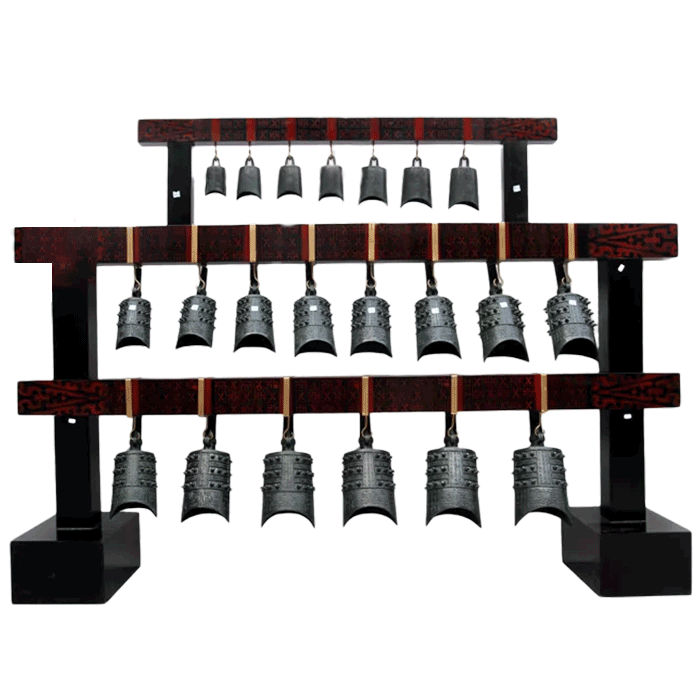
- Structural Integrity: The suspension system, including the bells, beams, and support posts, must be structurally sound and dimensionally accurate to the original design.
- Scale and Proportions: Whether you are commissioning a full-scale 1:1 reproduction or a smaller interpretive model, maintaining the correct proportions of every component is crucial for the piece's authenticity.
Material Composition and Integrity
The choice of alloy is fundamental to both the appearance and longevity of the replica. Authentic ancient Chinese bronzes were primarily a copper-tin alloy (Cu-Sn). A knowledgeable supplier will use a premium bronze alloy that mirrors this historical composition. This is distinct from brass (a copper-zinc alloy), which has a different color, aging process, and acoustic quality. Understanding the difference between bronze and brass is a key part of the specification process. At Luoyang Yichuan Bronze Craft Co., Ltd., we utilize premium bronze alloys cast using time-honored techniques to ensure the final piece is both beautiful and enduring.
Patina and Surface Finish
The surface finish determines the replica's final character. Your specification should clearly define the desired aesthetic. Common options include:
- Antique Patina: This is the most common request for museum replicas. It involves a multi-step chemical process applied by skilled artisans to simulate the natural oxidation and coloration that occurs over centuries. Consistent color matching across a large set of bells is a significant challenge that only experienced foundries can overcome.
- Polished Bronze: This finish showcases the brilliant, lustrous quality of the raw metal, representing how the bells might have looked when they were first cast thousands of years ago.
- Custom Finishes: You may require a specific look to match an exhibition's design language. A flexible supplier can develop custom patinas to meet your artistic requirements.
The Crucial Role of Traditional Casting Techniques
The method used to cast the bronze is as important as the material itself. While modern techniques exist, the traditional lost-wax casting method (cire-perdue) remains the gold standard for producing fine art bronzes with intricate details and exceptional surface quality. This painstaking process, which has been used for millennia, is a hallmark of a high-end art foundry.
The Lost-Wax Casting Process Explained
Understanding this multi-stage process helps in appreciating the craftsmanship involved and in evaluating a potential supplier's capabilities.
- Model Making: First, a master model of the bell is created, typically in clay or wax. This is where the artistic skill is paramount, as every detail from the original must be perfectly sculpted.
- Molding: A silicone rubber mold is made from the master model to capture every nuance. This rubber mold is then used to create a hollow wax replica of the bell.
- Wax Chasing: The wax replica is meticulously refined by hand. Artisans, known as chasers, smooth out seams, sharpen details, and ensure the wax is a perfect representation of the final bronze.
- Spruing and Investment: A network of wax channels (sprues and gates) is attached to the wax model. This structure will allow molten bronze to flow in and trapped gases to escape. The entire wax assembly is then dipped repeatedly into a ceramic slurry, forming a hard, heat-resistant shell called an investment.
- Burnout: The ceramic shell is placed in a kiln. The high temperature hardens the shell and melts out the wax inside, leaving a perfect, hollow cavity—the "lost wax."
- Pouring: Molten bronze, heated to over 1100°C, is poured into the hollow ceramic shell, filling the space left by the wax.
- Breakout and Finishing: Once the bronze has cooled, the ceramic shell is carefully broken away. The raw bronze casting is then subjected to an intensive finishing process. The sprues are cut off, and the surface is ground down, chased, and polished by hand to remove any imperfections and bring out the fine details. Finally, the patina is applied.
This commitment to traditional craftsmanship, supported by our team of over 30 skilled artisans and bronze-casting masters, ensures that every piece captures the essence of the original artifact.
Evaluating and Selecting a Specialist Bronze Foundry
Choosing the right partner is the most critical decision in the procurement process. A specialist foundry provides not just manufacturing capabilities but also project management expertise and a deep understanding of art-historical requirements. When shortlisting suppliers, consider the following criteria.
Verified Quality Management and Export Compliance
For institutional buyers, documentation and compliance are non-negotiable. Look for a manufacturer with an ISO 9001 quality management system certification. This demonstrates a commitment to standardized processes, quality control, and continuous improvement. Furthermore, ensure their products comply with export quality inspection standards for art crafts, which guarantees that the materials and craftsmanship meet internationally recognized benchmarks. This formal oversight provides a layer of security for your investment.
Proven Expertise and Production Capacity
Your chosen foundry should have demonstrable experience in creating complex, large-scale historical replicas. Request a portfolio of past projects, particularly those similar in scope to your own. For a project as significant as a full chime bell set, you need a partner with substantial capacity. Our 3,000-square-meter production facility has an annual output of over 50,000 bronze art pieces, demonstrating our ability to handle everything from a single custom prototype to large, multi-component installations. This scalability is crucial for meeting project deadlines without compromising on quality. Our expertise is well-documented in pieces like the famous zenghouyi chime bell and qinshihuang mausoleum bronze chariots and horses.
Flexibility and Customization
Every museum project is unique. A key indicator of a valuable partner is their flexibility. Can they produce a single, full-scale bell for a focused exhibit? Or can they manage a bulk order of smaller replicas for educational outreach or museum shops? Look for a supplier with a low Minimum Order Quantity (MOQ). We support projects starting from an MOQ of just one piece for custom sculptures, allowing for unparalleled flexibility in project planning and budgeting.
Logistics, Quality Assurance, and After-Sales Support
The project is not complete until the replica is safely installed and meets all your expectations. The final phase of sourcing—delivery and support—is where a supplier’s professionalism is truly tested.
Rigorous Quality Inspection
A reliable manufacturer will have a multi-point quality inspection process. Demand clarity on their QA procedures. A final, thorough inspection should be conducted before any item leaves the foundry. This should cover dimensional accuracy, surface finish, patina consistency, and structural integrity. At Luoyang Yichuan Bronze Craft Co., Ltd., we perform a comprehensive quality inspection before every shipment, ensuring that what you approved is what you receive.
Export-Compliant Protective Packaging
Shipping a large, heavy, and fragile bronze artifact across the globe is a significant logistical challenge. Damage during transit is a major risk. Your supplier must have proven expertise in creating custom, export-compliant packaging. This often involves custom-built crates, high-density foam supports, and moisture-prevention measures to protect the bronze and its delicate patina. We specialize in developing protective packaging solutions specifically for fragile sculptures, mitigating the risks of international shipping.
Warranty and Long-Term Support
A truly professional partnership extends beyond delivery. Inquire about the manufacturer's policies on defects and after-sales support. A reputable foundry will stand behind its work. We offer a free replacement for any piece with verifiable casting defects. Moreover, we provide after-sales support, including guidance on long-term care, patina touch-ups, and restoration, ensuring your valuable acquisition remains in pristine condition for decades to come.
Sourcing a museum-grade bronze chime bell reproduction is a complex but rewarding process. By focusing on detailed specifications, traditional craftsmanship, and a thoroughly vetted, certified supplier, you can ensure a successful outcome. A partnership with an experienced foundry transforms a simple procurement task into a collaborative creation of a lasting cultural asset. If you are ready to begin this journey, we invite you to customize a bronze sculpture from sculpmart.com and discuss the specific needs of your project with our specialists.