Sourcing Bespoke Bronze Replicas: A Buyer's Guide
Sourcing Bespoke Bronze Replicas: A Guide for Retail and Project Buyers
For retailers, interior designers, and project procurers, sourcing high-quality bronze artwork is a critical task that directly impacts brand reputation and client satisfaction. The market for custom bronze pieces—from historical reproductions to contemporary sculptures—demands precision, artistry, and manufacturing reliability. Choosing the right supplier is not merely a transactional decision; it is a strategic partnership. When evaluating partners for your next collection or project, understanding the key markers of a superior bronze craft supplier will ensure you receive pieces that are not only beautiful but also consistently meet your specifications and quality standards.
This guide provides a comprehensive framework for evaluating and selecting a supplier for bespoke bronze replicas. We will explore the essential criteria, from the fundamental properties of the materials used to the scalability of production and the nuances of after-sales support. By focusing on these core pillars, you can confidently shortlist partners who can deliver exceptional value and artistry, transforming your creative vision into tangible, timeless bronze masterpieces.
Understanding the Hallmarks of Quality in Bronze Artistry
The intrinsic value and aesthetic appeal of a bronze piece begin at the most fundamental level: the alloy and the casting method. For discerning buyers, these are non-negotiable elements that separate mass-produced trinkets from genuine works of art. A premier supplier will be transparent about their materials and processes, providing you with the assurance of quality from the very start.
Material Integrity: The Foundation of Longevity
The type of bronze used is paramount. A high-quality bronze is typically a copper-tin alloy (Cu-Sn), prized for its strength, corrosion resistance, and ability to capture exceptionally fine detail. This composition is distinct from brass (a copper-zinc alloy), which has different visual and structural properties. In your discussions with potential suppliers, inquire specifically about the alloy composition. A knowledgeable manufacturer will be able to explain why they choose a particular grade of bronze for specific applications, ensuring the final piece has the desired durability and aesthetic. You can learn more about the difference between bronze and brass to better inform your procurement decisions.
Casting Method: The Soul of the Sculpture
The traditional lost-wax method (cire perdue) has been the gold standard for creating detailed bronze sculptures for millennia. This meticulous, multi-step process allows for a level of precision and complexity that modern, automated methods often cannot replicate. The process involves creating a wax model, encasing it in a ceramic shell, melting the wax out, and then pouring molten bronze into the resulting cavity. This technique ensures that every intricate detail of the original model is faithfully transferred to the final bronze piece.
A supplier committed to this traditional method demonstrates a dedication to authentic craftsmanship. It signifies that their team possesses the specialized skills required to manage a complex and labor-intensive process, resulting in a superior product.
Finishing Touches: Chasing, Polishing, and Patination
A raw bronze casting is only the beginning. The true artistry is revealed in the finishing stages. Key processes to look for include:
- Hand Chasing: After casting, skilled artisans use various tools to chase the metal, refining surface details, removing imperfections, and sharpening lines that may have been softened during the casting process. This is a critical step for achieving a crisp, highly detailed finish.
- Polishing: The level and type of polish affect the final look, from a mirror-like sheen to a more subtle, satin finish. A good supplier can achieve a range of polished effects to match your specific design requirements.
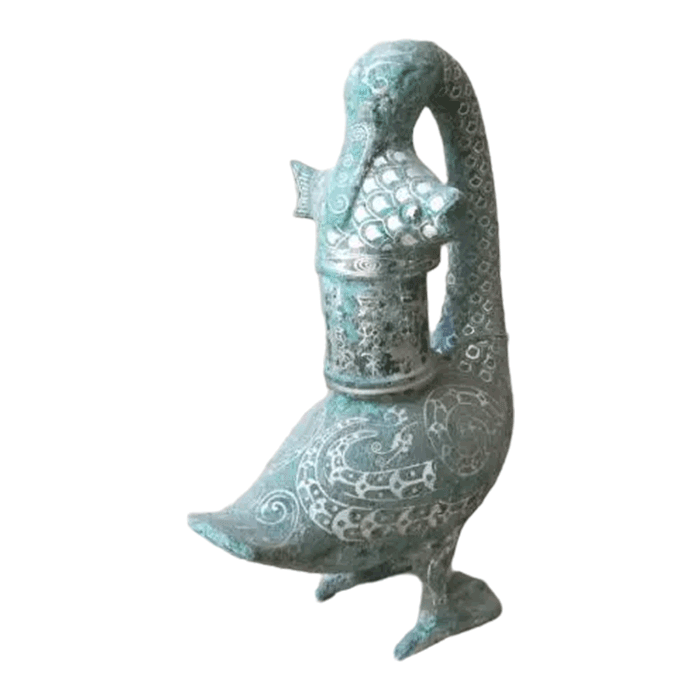
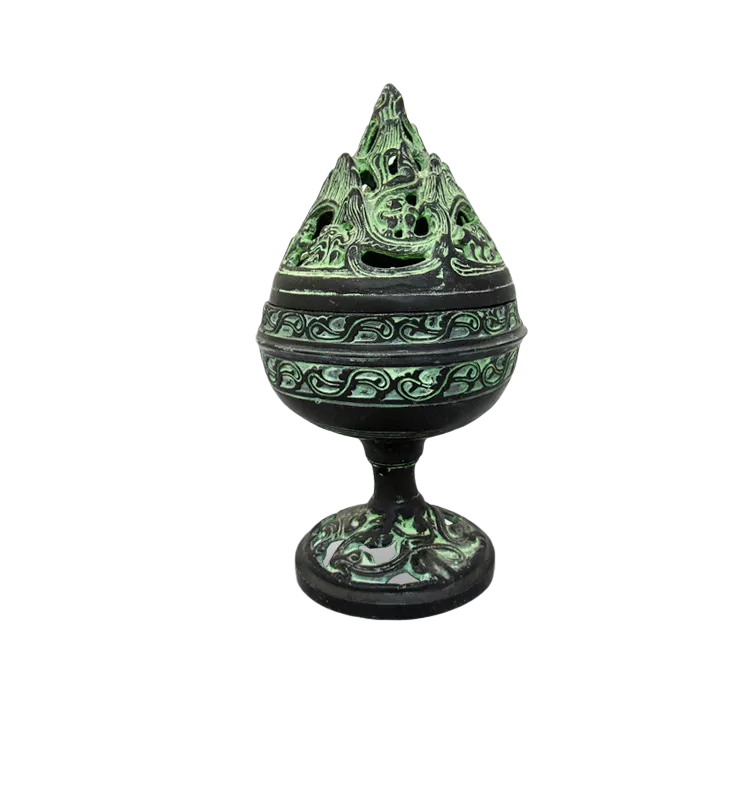
- Patination: The patina is the color of the bronze's surface, achieved through the careful application of chemicals and heat. This is a highly skilled art form that can create a wide spectrum of colors, from traditional verdigris greens and rich browns to more contemporary blacks and blues. Consistency in patina color across a batch of products is a key indicator of a supplier's expertise.
Evaluating a Supplier's Production Capabilities and Scalability
Beyond the artistry, a reliable B2B partner must possess the infrastructure and workforce to meet your logistical and volume requirements. Whether you are commissioning a single, large-scale monument or a retail line of several hundred smaller items, the supplier's capacity is a crucial consideration.
Facility and Workforce
A well-equipped and professionally managed production facility is a strong indicator of a supplier's capabilities. Look for evidence of a dedicated workspace and a team of skilled artisans. For instance, our own facility in Yichuan County, Luoyang, spans over 3,000 square meters and is home to more than 30 skilled craftsmen, including master bronze-casters and finishing specialists. This combination of space and expertise allows for a streamlined workflow, from initial design consultation to final packaging, ensuring that projects are handled efficiently and professionally.
Production Volume and Flexibility
Your needs may vary from project to project. One month you might need a single, complex prototype, and the next you might require a bulk order for a retail chain. A versatile supplier should be able to accommodate this variability. Inquire about their annual output and their Minimum Order Quantity (MOQ). A high annual output, such as our capacity to produce over 50,000 bronze art pieces annually, demonstrates experience in handling large-scale production. Simultaneously, a low MOQ is a signal of flexibility. At Luoyang Yichuan Bronze Craft Co., Ltd., we support everything from a single custom prototype (MOQ from 1 piece) to extensive production runs, providing a scalable solution for businesses of all sizes.
The Critical Role of Customization and Precision
The "bespoke" aspect of your order is where a supplier's technical skill and attention to detail are truly tested. Sourcing custom pieces often comes with unique challenges, particularly when replicating historical artifacts or creating a new design from scratch. A proficient supplier will have proven solutions for these common pain points.
Exact Replication of Antique Bronzes
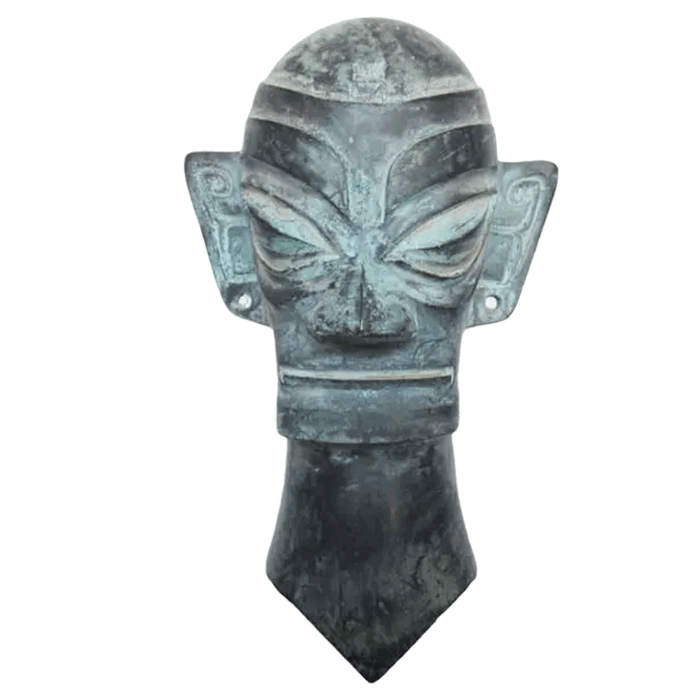
Replicating an antique requires more than just capturing its shape; it involves reproducing its texture, its patina, and its perceived age. This requires deep knowledge of historical casting techniques and patination processes. When evaluating a supplier, ask for examples of their replication work. Can they faithfully reproduce the intricate patterns of a Zhou dynasty vessel or the subtle wear of a Roman statuette? A supplier who specializes in this area will understand how to meticulously study the original (or high-resolution images of it) to create a mold and finish that is virtually indistinguishable from the source material. This is a core competency that differentiates an artisan from a simple manufacturer.
Consistent Patina Color Matching
For retailers ordering a product line, consistency is key. If a customer sees a specific rich, chocolate-brown patina on a floor model, the piece they purchase must match it exactly. Achieving consistent patina color across dozens or hundreds of pieces is a significant technical challenge. It requires standardized chemical formulas, controlled application environments, and highly experienced artisans. Discuss the supplier's process for color matching and maintaining consistency across batches. A confident partner will be able to explain their quality control measures for this specific, and often difficult, part of the production process. If you have a specific design in mind, you can customize a bronze sculpture from sculpmart.com to your exact specifications.

Navigating Quality Assurance, Packaging, and After-Sales Support
A successful partnership extends beyond the production floor. Robust quality assurance systems, secure packaging, and reliable after-sales support are essential for protecting your investment and ensuring a smooth procurement experience, especially for international buyers.
Quality Management and Inspection
How does the supplier guarantee the quality of every piece that leaves their facility? Look for formal quality management systems. For example, an ISO 9001 certification is a globally recognized standard that indicates the supplier has established and follows strict procedures for maintaining quality throughout the production process. Furthermore, a commitment to a final, thorough inspection before every shipment is a critical safeguard. This ensures that each product complies with export quality inspection standards for art crafts and meets your specific requirements before it is dispatched.
Export-Compliant and Protective Packaging
Bronze sculptures, especially those with delicate or protruding elements, are vulnerable during transit. The supplier’s approach to packaging is a direct reflection of their professionalism and care. Inquire about their packaging methods. Do they use custom-fitted foam, wooden crates, and other protective measures to prevent damage? A supplier experienced in international shipping will have developed robust, export-compliant packaging solutions designed to ensure that even the most fragile sculptures arrive at their destination in pristine condition.
After-Sales Support and Guarantees
Even with the best quality control, issues can occasionally arise. A reputable supplier will stand behind their work with clear policies and support. Look for guarantees, such as a free replacement for any pieces with verifiable casting defects. Additionally, inquire about after-sales support. A valuable partner can provide guidance on long-term care, including instructions for patina touch-ups and restoration advice, adding long-term value to your purchase.
A Portfolio of Possibilities: What to Look For in a Supplier's Range
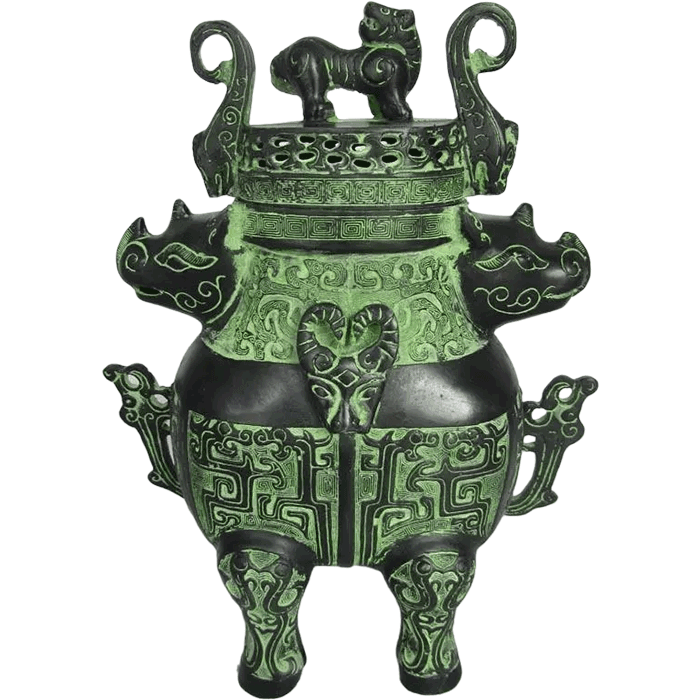
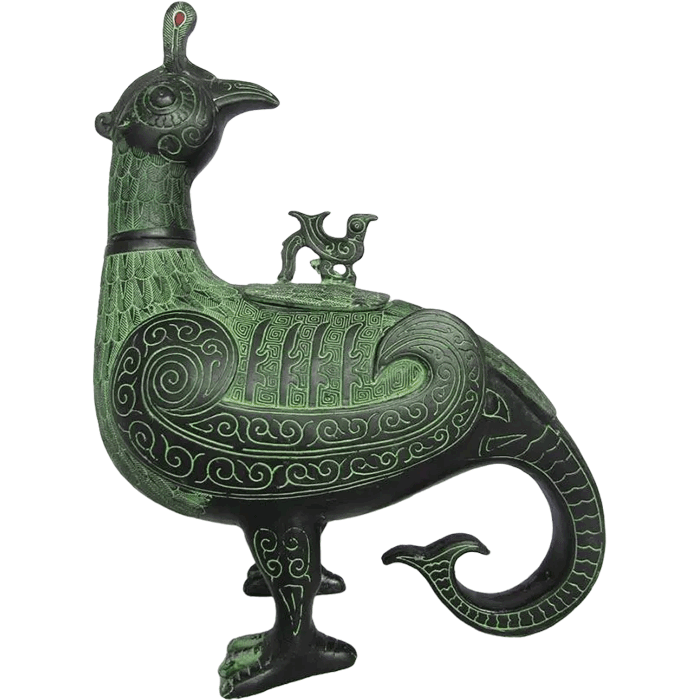
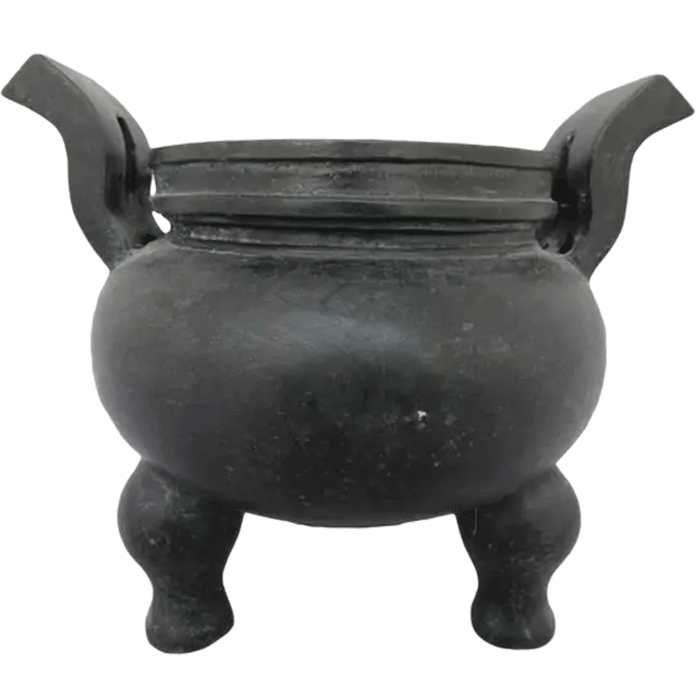
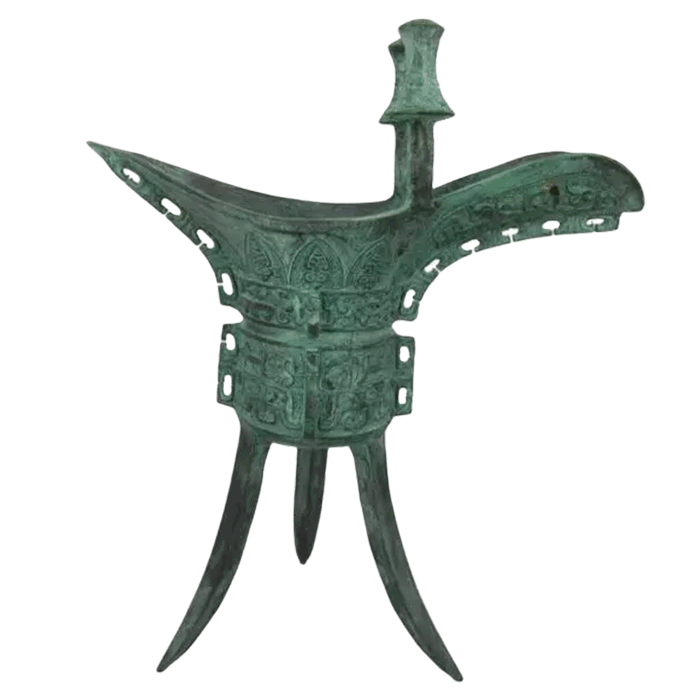
Finally, review the supplier's existing portfolio. A broad and diverse range of products indicates experience and versatility. It shows they have the skills to tackle different styles, scales, and subjects. A supplier capable of producing everything from life-sized human and animal statues to intricate replicas of chinese bronze sculpture, such as ding tripods and zun vases, is likely to have the expertise to handle your unique project. Their portfolio should give you confidence in their ability to produce a wide array of items, including:
- Figurative Sculptures (human and animal)
- Historical Vessels (vases, tripods, urns)
- Decorative Items (mirrors, incense burners)
- Religious Statuary (Buddhist figures)
- Fully Custom Artworks based on your designs
Choosing the right partner for your bronze art needs is a decision that balances artistry with industrial capability. By carefully evaluating a supplier's materials, methods, production capacity, customization expertise, and commitment to quality, you can build a lasting relationship with a manufacturer who can consistently bring your vision to life. This diligence in the selection process is the foundation for offering your own clients exceptional, timeless pieces of bronze art.