Sourcing Asian Style Bronze Home Decor for Your Business
How to Effectively Source High-Quality Asian Style Bronze Home Decor
The global demand for unique, culturally rich interior design elements has positioned bronze decor as a leading category for discerning businesses. For importers, wholesalers, and interior design firms, sourcing these pieces presents a unique set of challenges and opportunities. Unlike mass-produced items, authentic bronze art is a product of immense skill, historical technique, and material integrity. Successfully navigating this market requires a deep understanding of craftsmanship, production capabilities, and the hallmarks of a truly reliable manufacturing partner.
This comprehensive guide is designed for B2B professionals looking to establish a resilient supply chain for bronze decorative items. We will explore the critical factors that define quality, from the alloy composition to the final patina, and provide a framework for evaluating potential suppliers. By understanding these key aspects, you can confidently source products that meet the high expectations of your clients, ensuring both aesthetic excellence and lasting value in every piece.
Understanding the Hallmarks of Quality in Bronze Artistry
Before initiating contact with any manufacturer, it is crucial to develop an eye for quality. The value of a bronze piece is not merely in its design, but in the materials and methods used to create it. A knowledgeable buyer can distinguish a superior product from an inferior one, a distinction that directly impacts marketability, durability, and client satisfaction. Focus on three core areas: the base material, the casting method, and the finishing details.
Material Composition: The Foundation of Longevity
The term "bronze" can be ambiguous, but in the context of fine art, it typically refers to a specific alloy of copper and tin (Cu-Sn). This composition is prized for its strength, corrosion resistance, and its ability to capture extraordinarily fine detail during casting. A premium bronze alloy is the non-negotiable foundation for any high-quality decorative piece. Suppliers should be transparent about the specific alloy they use. Inferior materials, such as those with high zinc content (brass) or other impurities, may be cheaper but are prone to corrosion, are more brittle, and will not develop the rich, deep patina that is characteristic of true bronze over time. When evaluating a supplier, inquire about their material sourcing and composition standards. A commitment to using premium bronze alloys is the first sign of a manufacturer dedicated to producing investment-grade art rather than simple decorative objects.
The Lost-Wax Casting Method: An Ancient Tradition of Precision
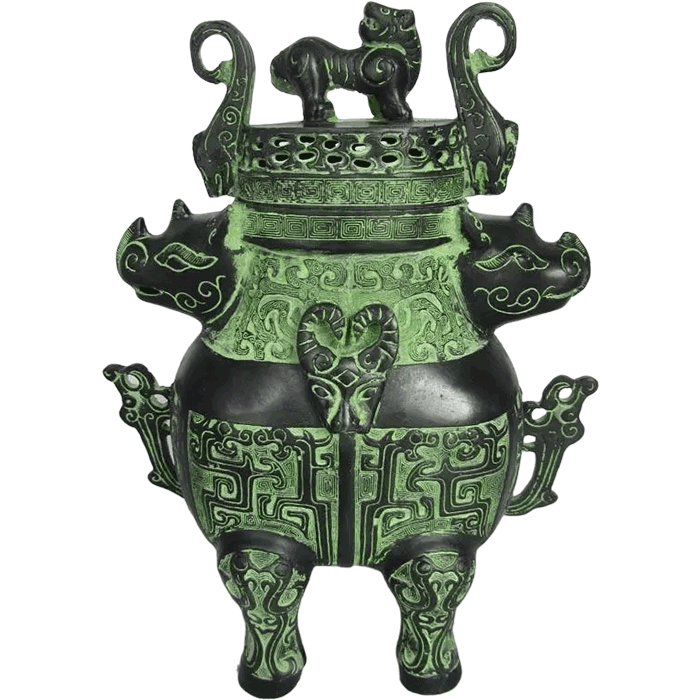
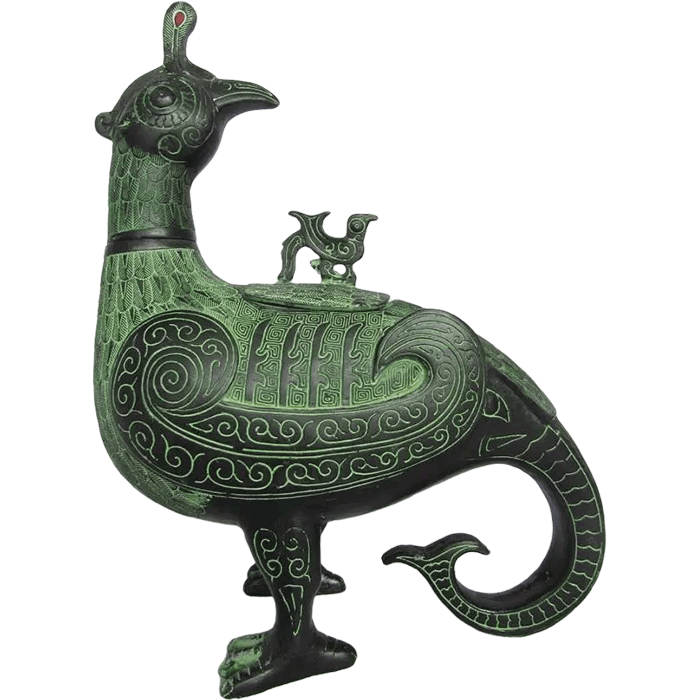
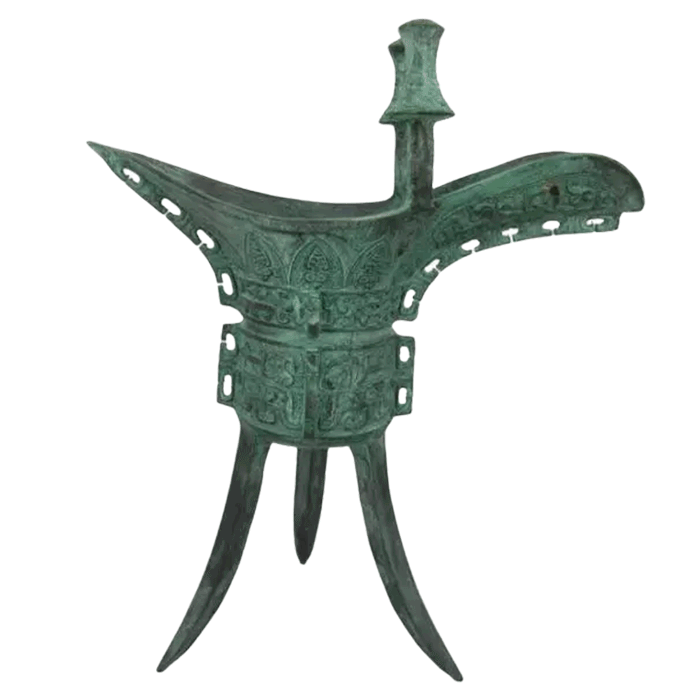
The most revered method for creating intricate bronze sculptures and vessels is the traditional lost-wax (cire-perdue) casting process. This multi-step technique, which has been refined over millennia, allows for a level of detail that is impossible to achieve with simpler sand casting or die-casting methods. The process involves creating a wax model of the final piece, encasing it in a ceramic shell, melting the wax out to create a mold, and then pouring molten bronze into the cavity. While labor-intensive, this method ensures that every subtle detail from the artist's original model is faithfully reproduced in the final metal form. A supplier that specializes in lost-wax casting is demonstrating a commitment to artistry and tradition. Their expertise in this complex process is a key indicator of their ability to produce complex forms, from detailed bronze statues with different themes to ornate ritual vessels.

Finishing Touches: The Art of Chasing, Polishing, and Patination
Casting is only one part of the journey. The work that happens after the bronze has cooled is what truly brings a piece to life. This finishing stage involves several critical skills:
- Chasing: This is the process of manually refining the surface of the cast bronze with specialized tools. Artisans use chasing to sharpen details, remove imperfections from the casting process, and enhance textures.
- Polishing: Skilled polishing creates the desired surface finish, whether it's a high gloss, a satin sheen, or a textured matte look. The quality of the polish directly affects how the piece interacts with light.
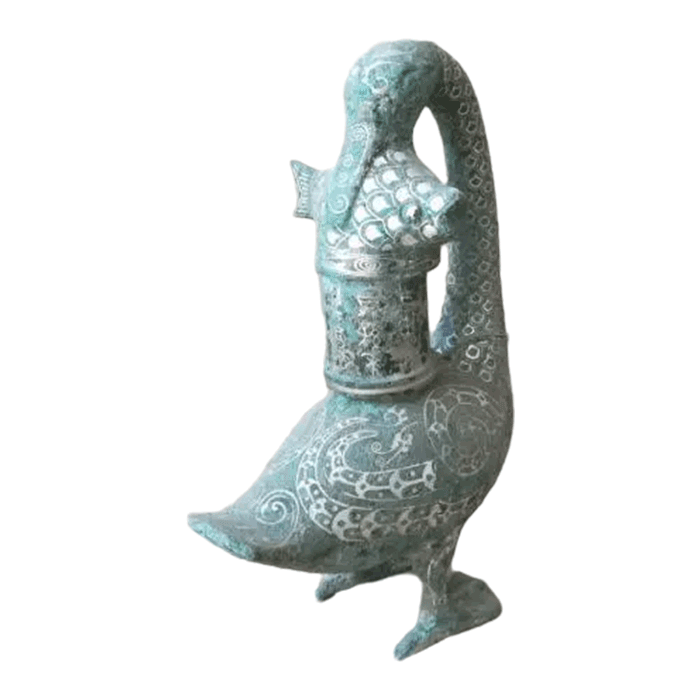
- Patination: The patina is the color of the bronze's surface, achieved through the careful application of chemicals and heat. This is a highly skilled art form. A master artisan can create a vast range of colors, from traditional verdigris and archaic greens to deep browns, blacks, and even contemporary hues. One of the most significant challenges in sourcing is ensuring consistent patina color across a bulk order. A top-tier supplier will have proven processes to solve this color-matching pain point, delivering uniformity from the first piece to the last.
Key Considerations for Selecting a Bronze Decor Supplier
Once you know what defines a quality product, the next step is to identify a supplier with the capability and reliability to produce it. Vetting a potential partner should be a meticulous process that goes beyond a simple price comparison. Look for evidence of quality management, scalable production, and genuine craft expertise.
Verifiable Certifications and Quality Management
In the B2B world, trust is built on verifiable standards. A serious manufacturing partner will operate under a recognized quality management system. Look for ISO 9001 certification, as this indicates that the supplier has established and follows standardized processes for production, management, and continuous improvement. Furthermore, ensure their products comply with export quality inspection standards for art crafts. These certifications are not mere formalities; they are your assurance that the supplier is committed to professionalism, consistency, and meeting international trade requirements. A supplier who has invested in these systems is more likely to provide reliable service and a consistently high-quality product.
Production Capacity and Scalability
Your sourcing needs may vary from a single, complex custom prototype for a high-end project to a large bulk order for a retail line. Your chosen supplier must have the flexibility to accommodate both. Investigate their production facility and output. A well-equipped factory, often spanning 3,000 square meters or more, with an annual output of over 50,000 pieces, signals a robust and scalable operation. Equally important is their policy on minimum order quantities (MOQ). A supplier confident in their custom capabilities will often offer an MOQ of just one piece for bespoke sculptures, with negotiable terms for bulk orders. This flexibility allows you to test new designs and serve niche markets without committing to massive inventory upfront. You can learn more about scultmart and its production philosophy to understand what a capable partner offers.
Craftsmanship and Expertise
Behind every great bronze piece is a team of skilled artisans. The machinery and facilities are important, but the human element is what elevates a product from good to exceptional. A reputable manufacturer will employ a team of experienced craftsmen, often numbering over 30 individuals, including dedicated bronze-casting masters, expert chasers, and patina specialists. This depth of talent ensures that every stage of the production process is handled by a professional with deep knowledge of their specific craft. This human expertise is what enables a supplier to tackle challenging projects, such as the exact replication of antique bronzes or the development of a unique, custom patina for a new product line.

Navigating the Customization and Production Process
Partnering with a bronze manufacturer often involves co-creating products tailored to your market. The ease and success of this process depend heavily on the supplier's communication, technical skill, and problem-solving abilities. A truly valuable partner acts as more than just a manufacturer; they are a production consultant who can guide you from concept to finished product.
From Concept to Bronze: The Customization Workflow
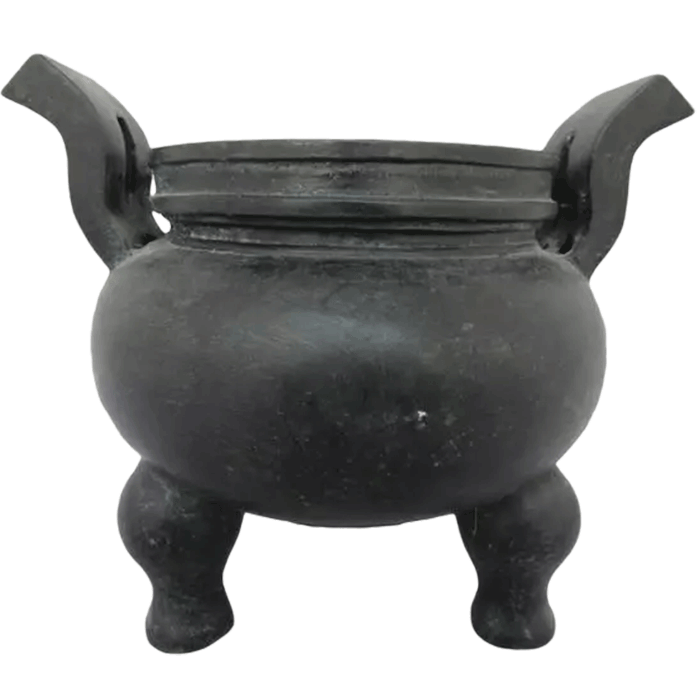
The ability to create custom artwork is a key differentiator for a top-tier supplier. Whether you are developing a new line of incense burners, commissioning a large statement statue, or replicating a historical vessel, the supplier's process should be clear and collaborative. An ideal workflow allows you to customize a bronze sculpture from sculpmart.com or a similar high-caliber provider with ease. This typically begins with your concept—a drawing, a 3D model, a photograph, or even just a detailed description. The supplier's team then translates this into a clay or wax model for your approval before proceeding with mold-making and casting. This iterative process ensures the final product perfectly matches your vision.
Solving Common Sourcing Challenges
Experienced B2B buyers know that sourcing specialized goods comes with inherent challenges. A proactive and capable supplier will have solutions for these common pain points:
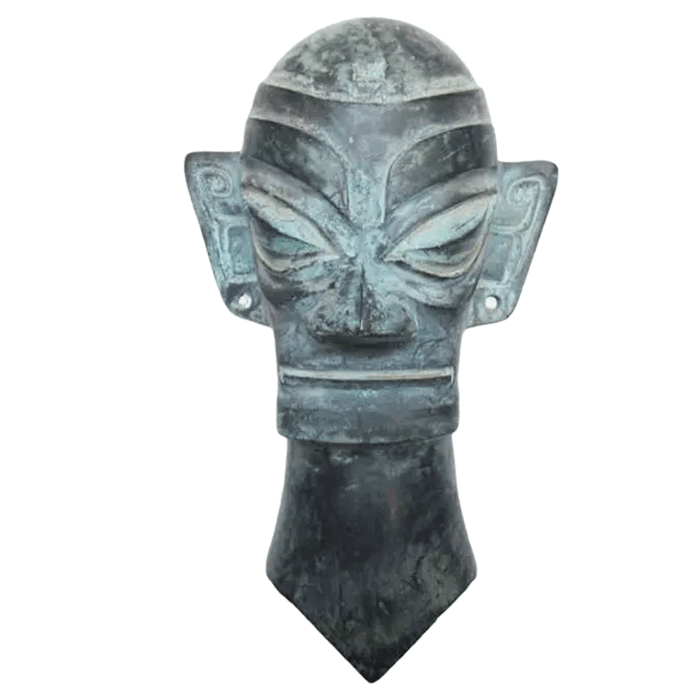
- Replication Accuracy: When sourcing replicas of antique chinese bronze sculpture, precision is paramount. A skilled supplier uses a combination of traditional techniques and modern analysis to ensure that the form, detail, and patina of the original are captured with exacting accuracy.
- Packaging and Logistics: Bronze sculptures, especially those with delicate components, are vulnerable during shipping. A major value-add is a supplier who has mastered export-compliant protective packaging, using custom-fitted foam, crating, and structural supports to ensure the piece arrives at its destination in perfect condition.
- Consistency at Scale: As mentioned earlier, maintaining a consistent patina color or surface finish across hundreds or thousands of pieces is a significant technical challenge. A supplier who has solved this demonstrates a high level of process control and is a far more reliable partner for bulk orders.
Ensuring Quality Control and After-Sales Support
Your relationship with a supplier should not end when the product is shipped. Long-term success depends on rigorous quality control before dispatch and reliable support after delivery. These elements protect your investment and build a foundation for a lasting business partnership.
The Importance of a Pre-Shipment Inspection
Never underestimate the importance of a final quality inspection. A professional manufacturer will have a multi-point quality control process integrated into their production line. However, a final, comprehensive inspection before packaging and shipment is a critical last line of defense. This check should verify that every piece in the order meets the agreed-upon standards for casting integrity, surface finish, dimensional accuracy, and color. This simple step prevents costly and time-consuming issues with returns, repairs, or client dissatisfaction down the line.
Post-Purchase Assurance: Guarantees and Support
Even with the best processes, manufacturing defects can occasionally occur. How a supplier handles these situations reveals their commitment to their clients. Look for a partner who stands behind their work with a clear guarantee, such as offering a free replacement for any piece with a verifiable casting defect. Furthermore, exceptional suppliers provide after-sales support that extends beyond simple replacements. They may offer expert guidance on patina touch-ups for pieces that get scratched in a retail environment or provide long-term restoration advice, positioning themselves as a true partner in the lifecycle of the product.
By prioritizing these technical, operational, and service-oriented criteria, B2B buyers can confidently source exquisite bronze decor that enhances their product offerings and builds a reputation for quality and authenticity.