Simuwu Ding Replica vs Houmuwu Ding: What Buyers Should Know
Understanding Whether a Simuwu Ding Replica Is the Same Artifact as the Houmuwu Ding
Museum gift shop buyers and cultural-product developers researching Shang dynasty bronzes often run into two names for what appears to be the same object: the "Simuwu Ding" and the "Houmuwu Ding." This naming inconsistency can create confusion during sourcing, especially when specifying a reproduction for retail or exhibition use. This article clarifies the historical background, explains why both names exist, and outlines what buyers should confirm before commissioning a reproduction from a bronze workshop.
Why Two Names Exist for One Bronze Vessel
The vessel in question is the largest bronze ritual cauldron discovered from ancient China, unearthed in Anyang, Henan Province, and now housed in the National Museum of China. For decades it was known internationally as the "Simuwu Ding," a reading based on three characters cast inside the vessel's belly. Chinese archaeologists later re-examined the inscription and proposed that the first character should be read as "Hou" rather than "Si," giving the alternative name "Houmuwu Ding." Both readings refer to inscriptions honoring a Shang dynasty queen mother, and both names point to the exact same physical artifact — there is no second bronze vessel involved.
For buyers unfamiliar with Chinese epigraphy debates, this can look like two different pieces exist. In practice, a workshop producing a Simuwu Ding replica and one producing a Houmuwu Ding reproduction should be casting from the same reference dimensions, the same surface motifs, and the same inscription layout. If a supplier presents them as unrelated designs, that is worth questioning before placing an order. You can review a dedicated breakdown of the vessel's excavation history and inscription debate in this houmuwu square cauldron reference article, which is useful background reading before finalizing specifications with any manufacturer.
What the Naming Debate Means for Reproduction Accuracy
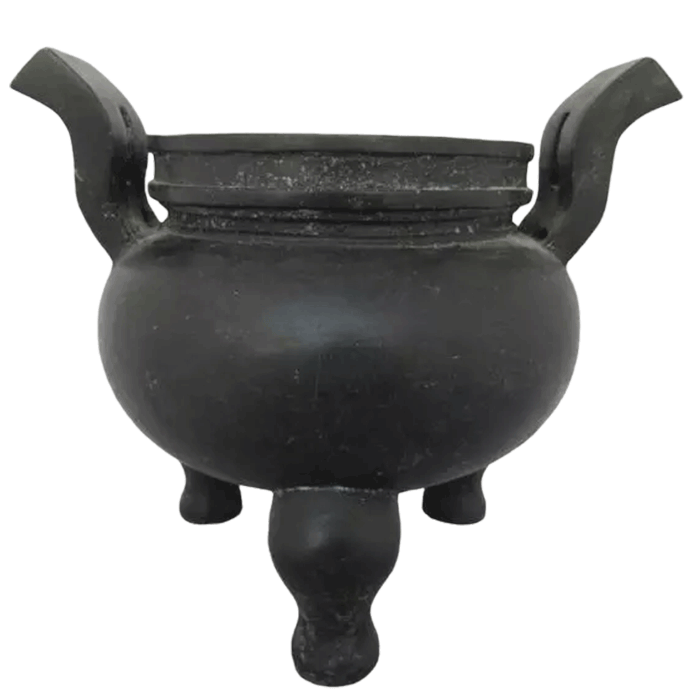
For a cultural-product developer, the naming issue matters less than dimensional and surface accuracy. The original vessel stands close to 133 centimeters tall and weighs over 800 kilograms in bronze, features taotie motifs on the legs and body, and carries a three-character inscription cast into the interior wall. A faithful Simuwu Ding replica — regardless of which name a buyer prefers to use in marketing copy — should replicate these proportions at whatever scale is requested, along with correctly positioned surface decoration and an accurately rendered inscription rather than a stylized approximation.
What to Verify Before Commissioning a Simuwu Ding Replica
Because this vessel is one of the most recognizable Shang bronzes, it is also one of the most commonly requested reproductions for museum gift shops, cultural tourism sites, and corporate gifting programs. Before finalizing an order, buyers should confirm the following points with any prospective workshop.
Casting Method and Alloy Composition
Traditional lost-wax casting produces sharper relief detail on the taotie patterns and legs than sand-casting methods, which tend to soften fine linework during mold separation. Ask whether the workshop uses lost-wax casting for large-format vessels and request confirmation of the bronze alloy ratio (typically a copper-tin alloy for authentic weight and tone) rather than a lighter brass substitute, which will not match the visual density or patina response of genuine bronze.
Patina Matching
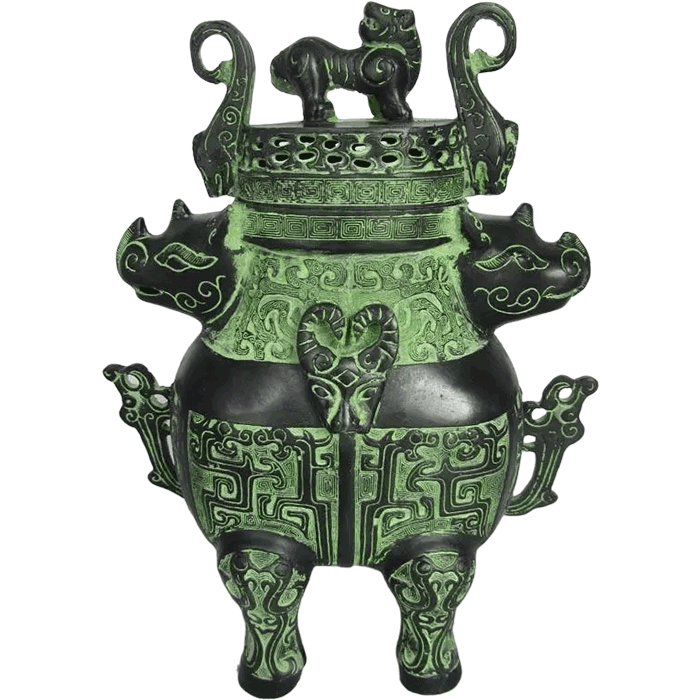
The original vessel displays a deep, uneven green-black patina built up over three millennia of burial. Reproducing this convincingly requires controlled chemical patination and hand-finishing rather than surface paint, which tends to flake and looks noticeably flat under gallery lighting. Buyers should request reference photos of previous patina work on comparable ding-form vessels before approving a production run.
Scale and Structural Support
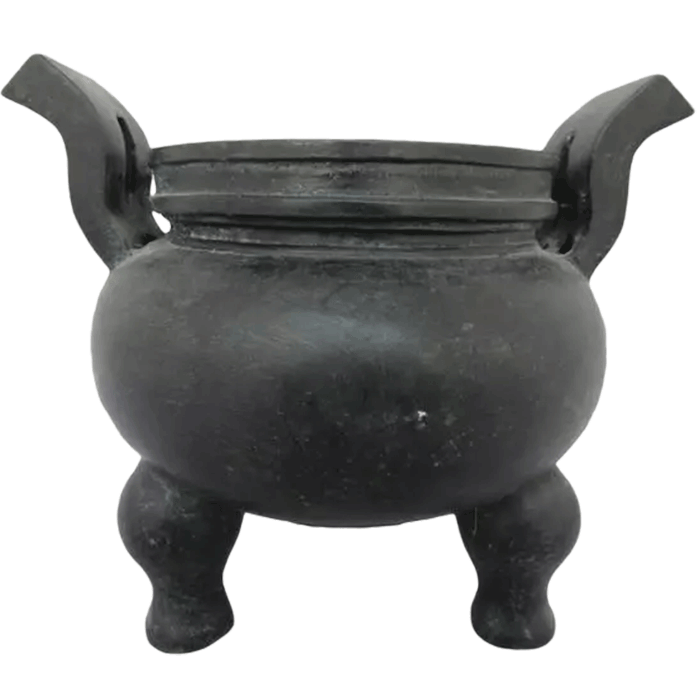
Full-scale replicas require internal reinforcement to support the weight of the legs and rim safely for museum display or retail handling. Smaller desktop-scale versions intended for gift shop sale need proportional adjustments so that fine surface details remain legible at a reduced size rather than blurring into a smooth surface. Confirm with the workshop how they adapt tooling and wax patterns across different scale requests, since this directly affects unit cost and lead time.
Comparing Reproduction Options for Museum and Retail Buyers
Buyers researching this category typically fall into two groups: institutions wanting a large, display-accurate reproduction for lobby or exhibition placement, and retail-focused developers wanting a smaller, cost-efficient version for gift shop sale. Both use cases can be served from the same base mold family, with adjustments to scale, finish, and packaging.
| Consideration | Display/Exhibition Reproduction | Retail Gift Version |
|---|---|---|
| Typical scale | Near full-size or 1:1 | Desktop or tabletop scale |
| Casting method | Lost-wax, multi-piece mold | Lost-wax, simplified mold |
| Patina finish | Full hand-applied patina matching museum reference | Antique or modern finish per brand preference |
| Packaging need | Reinforced crating for installation | Export-compliant protective retail packaging |
Luoyang Yichuan Bronze Craft Co., Ltd. produces both categories using traditional lost-wax casting and premium copper-tin bronze alloy, with hand chasing and patina finishing available in antique or modern styles. Our production facility in Yichuan County, Luoyang, spans 3,000 square meters and includes over 30 skilled craftsmen, including bronze-casting masters and finishing artisans, supporting orders from a single custom prototype up to full production runs.
Sourcing Considerations Beyond the Simuwu Ding Replica Itself
For museum gift buyers building out a broader Shang and Zhou bronze collection, the ding-form vessel is usually one item among several. Related pieces such as zun wine vessels, hu vases, and ceremonial mirrors are frequently sourced together to build a cohesive product line. Reviewing the broader category of chinese bronze sculpture options can help buyers plan a coordinated collection rather than sourcing single items from multiple suppliers, which often creates inconsistency in patina tone and finishing quality across a product line.
Buyers who want background on how Shang and Zhou bronze forms evolved, including how ding vessels functioned in ritual contexts, may also find it useful to read about the evolution of bronze culture over 2000 years. This context is often requested by cultural-product developers writing interpretive labels or product descriptions for retail packaging.
Quality Assurance and After-Sales Support
Because reproductions in this category are shipped internationally and often intended for long-term display, buyers should ask suppliers about pre-shipment inspection procedures and defect policies. Luoyang Yichuan Bronze Craft Co., Ltd. is ISO 9001 certified and conducts quality inspection before every shipment, offering free replacement for casting defects and after-sales support for patina touch-ups and restoration guidance. This matters particularly for large-format ding reproductions, where transit damage to legs or handles is a recognized risk without proper export-compliant packaging.
Custom Specification Before Ordering
Given the naming ambiguity between Simuwu Ding and Houmuwu Ding, the most reliable approach for a buyer is to specify the reproduction by reference image, dimensions, and inscription placement rather than by name alone. This avoids miscommunication with a manufacturer and ensures the final piece matches the intended museum or retail reference regardless of which name appears in catalog copy.
Buyers who want to work from a reference photo, adjust scale, or request a specific patina tone can review the process to customize a bronze sculpture directly with our production team, including prototype approval before a full production run begins. For MOQ as low as one piece, this allows museum buyers to evaluate casting quality and patina accuracy before committing to bulk orders for retail distribution.
Final Notes for Buyers Comparing Names Before Sourcing
To summarize, a Simuwu Ding replica and a reproduction labeled Houmuwu Ding should refer to the same historical vessel, differing only in which inscription reading a supplier or institution prefers to use. What actually differentiates one reproduction from another is casting method, alloy quality, patina accuracy, and structural finishing — not the name printed on a product listing. Buyers evaluating suppliers should request casting samples, patina reference photos, and confirmation of alloy composition before finalizing specifications, particularly for large-format pieces intended for long-term museum or retail display.

For buyers researching related bronze vessel forms alongside this one, our overview of bronze statue and mao gong ding comparisons offers additional context on how different Zhou and Shang dynasty ding vessels are typically reproduced and specified for export.