Shang Dynasty Style Bronze Vessel & Ritual Rank
Unveiling Ritual Status Through the Shang Dynasty Style Bronze Vessel
The Shang Dynasty (c. 1600–1046 BCE) stands as a pivotal period in Chinese history, not only for its foundational political structures but also for its unparalleled advancements in bronze metallurgy. During this era, bronze vessels transcended mere utilitarian objects to become potent symbols of power, prestige, and connection to the spiritual realm. For museum-gift buyers and decor importers, understanding the intricate details of a Shang Dynasty Style Bronze Vessel reveals its profound connection to ancient Chinese ritual and social hierarchy. These artifacts were central to ancestral worship, state ceremonies, and funerary practices, with their forms, decorations, and assemblages meticulously regulated to reflect the rank and status of their owners.
At Luoyang Yichuan Bronze Craft Co., Ltd., we appreciate the historical depth and artistic sophistication embedded in these ancient masterpieces. Our commitment to preserving the authenticity of Chinese bronze antique designs, coupled with modern production capabilities, allows us to create pieces that resonate with the spirit of the Shang era while meeting contemporary quality standards. Our facility in Yichuan County, Luoyang, spans 3,000 square meters and houses over 30 skilled craftsmen, including bronze-casting masters and finishing artisans, dedicated to preserving traditional techniques.
The Enduring Legacy of Shang Bronzes in Ritual
The Shang Dynasty was characterized by a highly stratified society, where the ruling elite maintained their authority through a combination of military might, administrative control, and, crucially, religious legitimation. Ancestor worship was paramount, believed to ensure prosperity and stability for the living. Bronze vessels played an indispensable role in these rituals, serving as containers for offerings of food, wine, and water presented to ancestors and deities. The act of commissioning, possessing, and utilizing these vessels was itself a public declaration of one's wealth, influence, and proximity to divine favor.
Archaeological excavations, particularly from royal tombs and elite burials, have consistently revealed caches of exquisite bronze vessels, often in large quantities. The sheer labor involved in mining copper, tin, and lead, smelting the alloys, and meticulously casting these complex objects reflected immense economic power. Furthermore, the specialized knowledge and artistic skill required for their creation were highly valued, concentrated within the ruling class and their retinues. Each vessel was not just an object but a testament to the owner's ability to command resources and skilled labor, thereby reinforcing their elite status. The intricate evolution of bronze culture across millennia speaks to this enduring significance.
Understanding the Typology and Function of Bronze Vessels
The Shang bronze repertoire was extensive, featuring a range of vessel types, each designed for a specific ritual function. The standardized forms and their associated uses were integral to signaling rank. Different types of vessels were used for different offerings, and the ability to possess a full complement implied a higher status. Some of the most prominent types include:
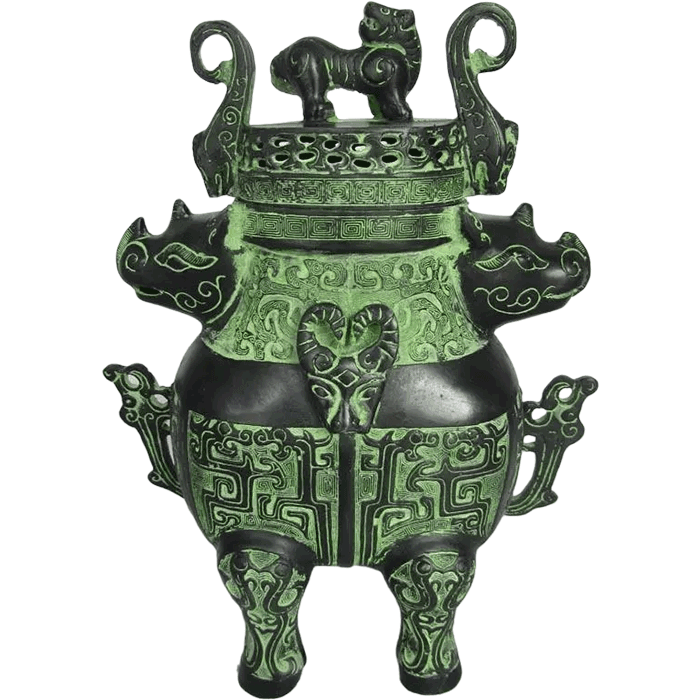
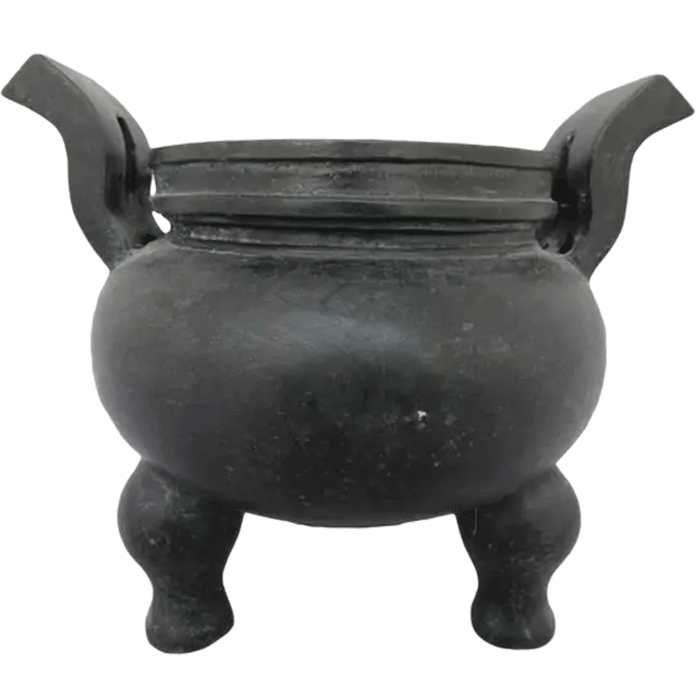
- Ding (鼎): A tripod or quadrangular cauldron, primarily used for cooking and holding sacrificial meat. The number and size of ding vessels found in a tomb were a direct indicator of the deceased's rank. Royal burials might contain numerous large ding, while lesser nobles had fewer, smaller ones. The famous Houmuwu square cauldron (now known as Houmuwu Ding) is a prime example of a royal sacrificial vessel.
- Gu (觚): A slender, flared beaker-like vessel used for drinking sacrificial wine. Its elegant form often featured intricate patterns.
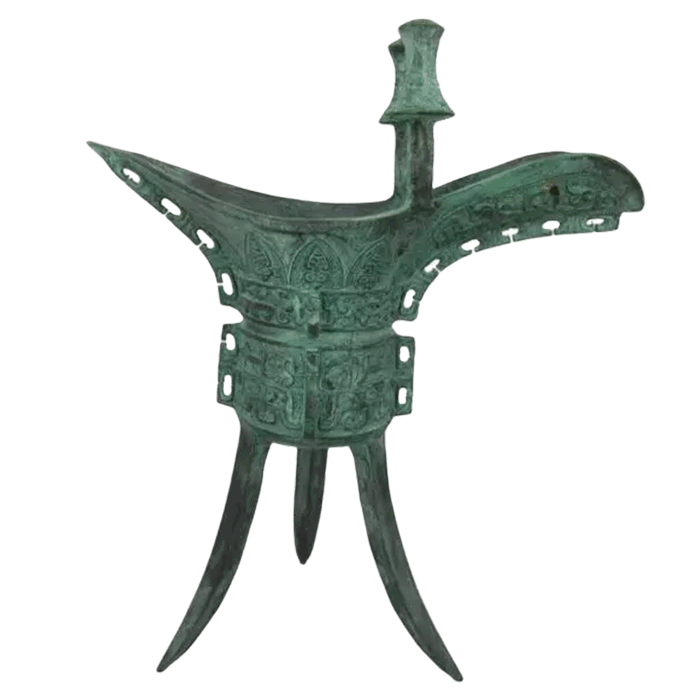
- Jue (爵): A tripod wine cup with a spout, often used in conjunction with the gu. Its distinctive shape with two prominent posts on the rim is iconic.
- Zun (尊): A wine container, often large and elaborately decorated, sometimes in the form of an animal. These were significant display pieces.
- Gong (觥): A covered wine ewer, frequently zoomorphic in design, often depicting fantastical creatures.
- You (卣): A covered wine jar with a swing handle, ranging from simple to highly ornate.
- Hu (壺): A general term for a pot or vase, used for holding wine or water, often with a lid and sometimes handles.
- Gui (簋): A bowl-like vessel with two handles, used for holding grain offerings.
The possession of a diverse set of these vessels, particularly in specific combinations and sizes, was a clear visual cue of the owner's standing within the social hierarchy. For instance, archaeological findings suggest that only kings or the highest-ranking nobles were permitted to use sets of nine ding, while lower ranks were restricted to seven, five, or three. This strict ritual protocol underscored the importance of bronze vessels as instruments of social control and differentiation. Understanding these specific vessel types helps in appreciating the historical context of ancient Chinese bronze wine vessels and other ritual objects.
Decoding Design Elements and Iconography
Beyond their form and function, the surface decoration of Shang bronze vessels provided another layer of symbolic meaning and status signaling. The intricate motifs, cast with remarkable precision using the traditional lost-wax method, were not merely aesthetic but imbued with cosmological and totemic significance. The complexity, rarity, and placement of certain design elements further differentiated objects of varying prestige.
Key Decorative Motifs:
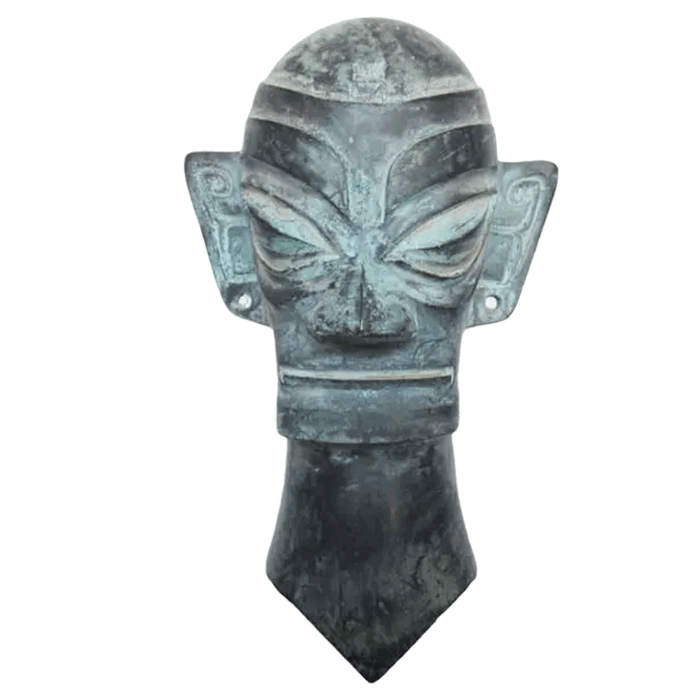
- Taotie (饕餮): Perhaps the most iconic motif, the taotie is a zoomorphic mask characterized by prominent eyes, often flanked by stylized horns, ears, and jaws, though the body is often absent or fragmented. Its exact meaning remains debated, but it is widely believed to represent a fierce, protective creature, perhaps associated with power, warning, or communication with the spirit world. The presence and prominence of the taotie often indicated the importance of the vessel and its owner.
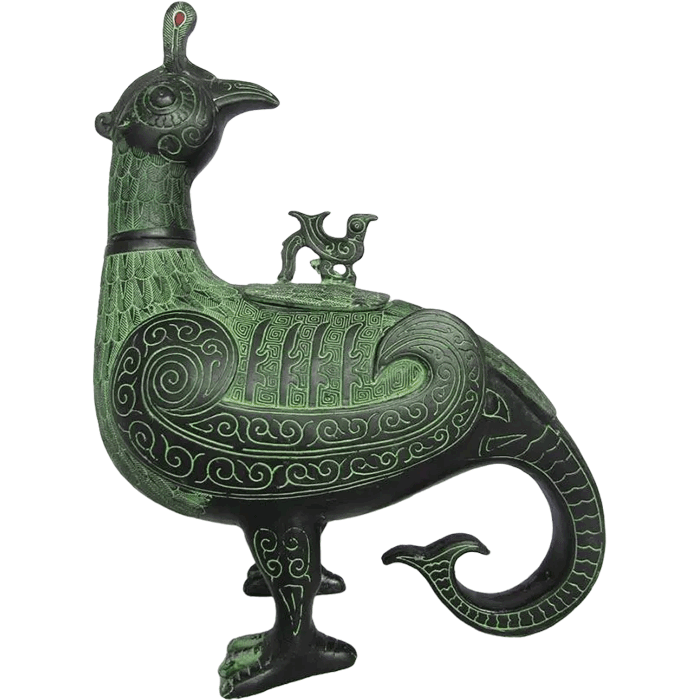
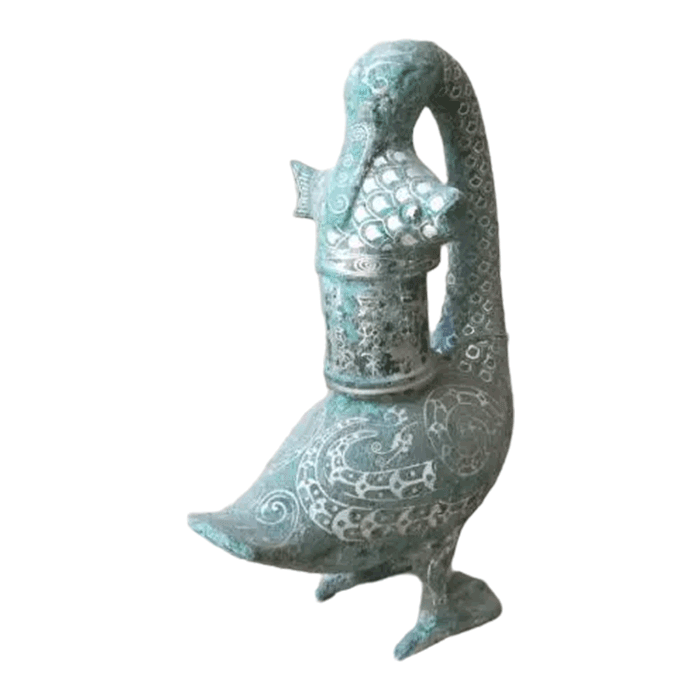
- Dragon and Phoenix: Stylized dragons (long) and phoenixes (feng) were also common, often depicted in intricate patterns alongside the taotie or as primary motifs. These mythical creatures symbolized power, auspiciousness, and imperial authority, making their appearance on bronzes particularly significant for the elite.
- Geometric Patterns: Spirals, thunder patterns (leiwen), and various band designs often served as backgrounds or borders, adding to the visual complexity and richness of the bronze surface. The mastery required to cast such detailed patterns speaks to the advanced metallurgical skills of the Shang craftsmen.
- Animal Motifs: Besides the mythical creatures, depictions of real animals such as tigers, elephants, and birds also appeared, often stylized and integrated into the overall decorative scheme.
The quality and intricacy of these decorations were directly linked to the status of the vessel's owner. Vessels belonging to the highest elite would feature highly detailed, multi-layered designs, often covering the entire surface, while those of lower ranks might have simpler, sparser ornamentation. The technical prowess required to achieve such elaborate designs, especially with the demanding lost-wax casting technique, underscores the value and prestige of these objects. At Luoyang Yichuan Bronze Craft Co., Ltd., we use premium bronze alloy (Cu-Sn) cast with the traditional lost-wax method, followed by meticulous hand chasing, polishing, and patina finishing, capable of achieving both antique and modern aesthetics. This dedication ensures that our custom bronze artworks faithfully capture the spirit of these ancient masterpieces.
The Role of Quantity and Assemblages in Ritual Display
While individual vessels were potent symbols, their collective presentation in ritual assemblages provided an even more profound statement of rank and authority. The sheer number of bronzes, along with their specific arrangement and combination, was a codified system for displaying the owner's position within the social hierarchy.
Archaeological evidence from major Shang burial sites, such as Anyang, reveals a consistent pattern in the types and quantities of vessels interred with the deceased. For example, the presence of specific sets of ding and gui vessels, often in odd numbers (e.g., nine ding and eight gui for a king, seven ding and six gui for a high-ranking noble), became a recognized "sumptuary law" indicating the occupant's status. These rules were not always rigidly adhered to in early Shang, but became more standardized in the late Shang and Zhou dynasties, highlighting the increasing formalization of ritual and social stratification.
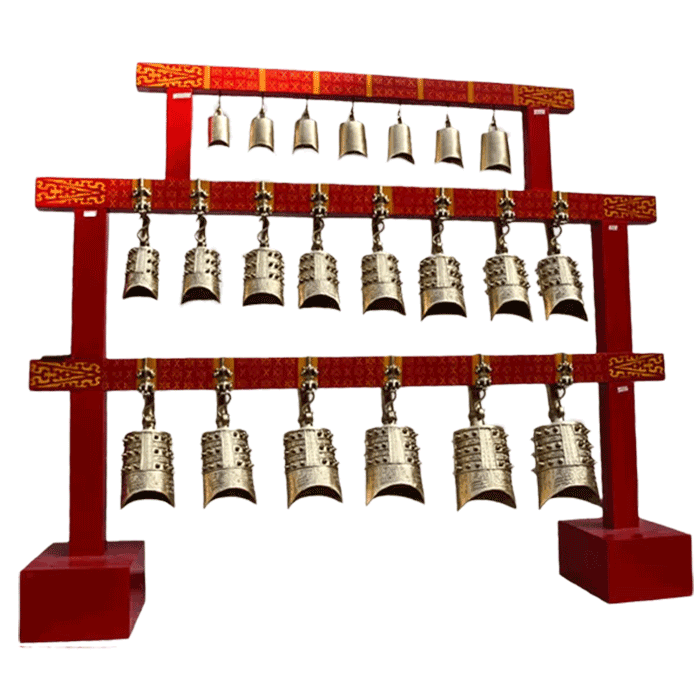
Beyond the primary food and wine vessels, the complete ritual assemblage would also include water basins (pan), ladles (dou), and sometimes even bronze musical instruments like bells (nao or zhong). The more comprehensive and elaborate the set, the higher the status of the individual. This practice served not only as a display of power during life but also as a means to ensure the deceased's continued prestige and comfort in the afterlife, reinforcing the social order even beyond death. The magnificence of such ancient Chinese bronze musical instruments and other ritual objects underscores their importance.
Crafting Authentic Replicas for Modern Contexts
For collectors, museums, and interior designers, the allure of Shang Dynasty bronzes lies not only in their aesthetic appeal but also in their profound historical and cultural significance. Replicating these ancient masterpieces with fidelity presents unique challenges, particularly in achieving exact replication of antique bronzes, consistent patina color matching, and ensuring export-compliant protective packaging for fragile sculptures.
Luoyang Yichuan Bronze Craft Co., Ltd. is uniquely positioned to address these sourcing pain points. We adhere to an ISO 9001 quality management system, ensuring that every piece, from initial design to final finish, meets stringent international standards for art crafts. Our annual output of over 50,000 bronze art pieces demonstrates our capacity to support everything from a single custom prototype—with a minimum order quantity (MOQ) starting from 1 piece for custom sculptures—to large-scale bulk production runs, with bulk order pricing negotiable based on size and design complexity. This flexibility makes us an ideal partner for diverse project needs.
Our skilled artisans employ time-honored techniques passed down through generations, combining them with modern precision to produce high-quality reproductions. We pride ourselves on our ability to create pieces that not only capture the visual essence of the originals but also evoke their historical weight. Furthermore, our commitment to customer satisfaction is unwavering: every shipment undergoes rigorous quality inspection before departure, and we offer free replacement for casting defects, alongside comprehensive after-sales support for patina touch-ups and restoration guidance. This dedication ensures that each bronze creation is a lasting testament to both ancient artistry and contemporary craftsmanship.
Understanding how a Shang Dynasty Style Bronze Vessel functioned as a signal of ritual rank enriches our appreciation for these magnificent artifacts. They are not merely decorative items but tangible links to a complex and sophisticated ancient civilization, offering insights into its power structures, religious beliefs, and artistic achievements. By partnering with Luoyang Yichuan Bronze Craft Co., Ltd., you can acquire masterfully crafted bronze vessels that honor this rich legacy, bringing a piece of ancient history into the modern world with uncompromising quality and authenticity.