Shang Dynasty Style Bronze Vessel: Evolution & Craft
Tracing the Evolution of the Shang Dynasty Style Bronze Vessel
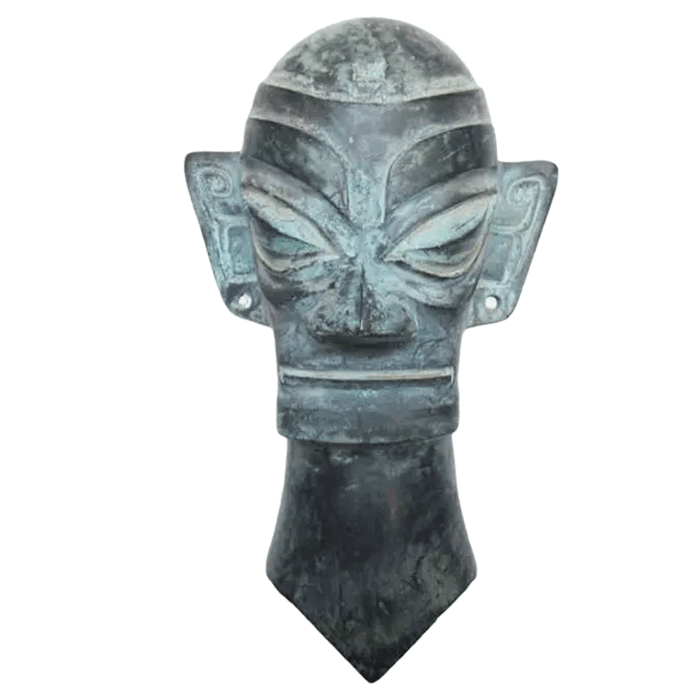
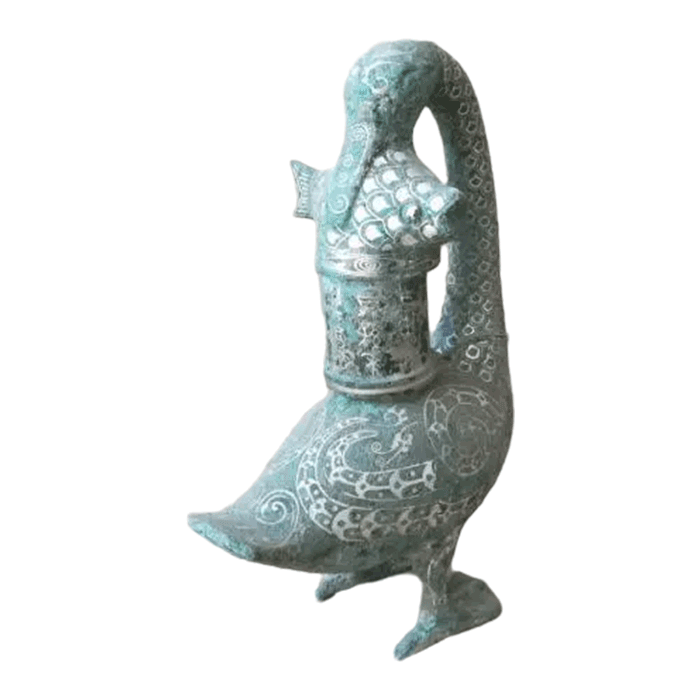
The Shang Dynasty (c. 1600–1046 BC) represents a pivotal era in Chinese history, not only for its societal and political advancements but also for its profound contributions to metallurgical art. Central to this artistic legacy is the bronze vessel, which served as more than mere utilitarian object; it was a potent symbol of power, ritual, and spiritual connection. For curators, collectors, and designers seeking to understand or replicate these magnificent artifacts, discerning the stylistic evolution of the Shang Dynasty style bronze vessel is crucial. This article provides a detailed exploration of how these iconic bronze vessels transformed across the Shang period, from their formative beginnings to their highly elaborate climax, offering insights vital for accurate historical referencing and authentic reproduction.
Early Shang Dynasty: The Dawn of Bronze Artistry (c. 1600–1300 BC)
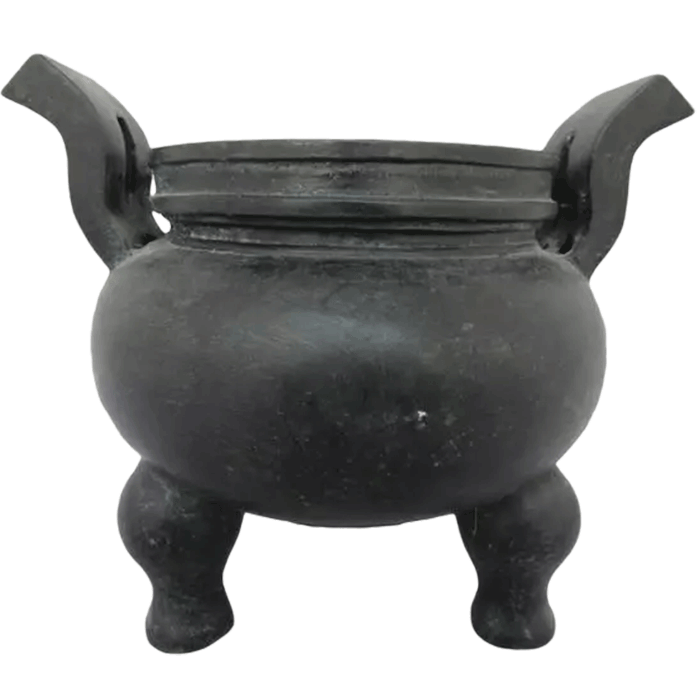
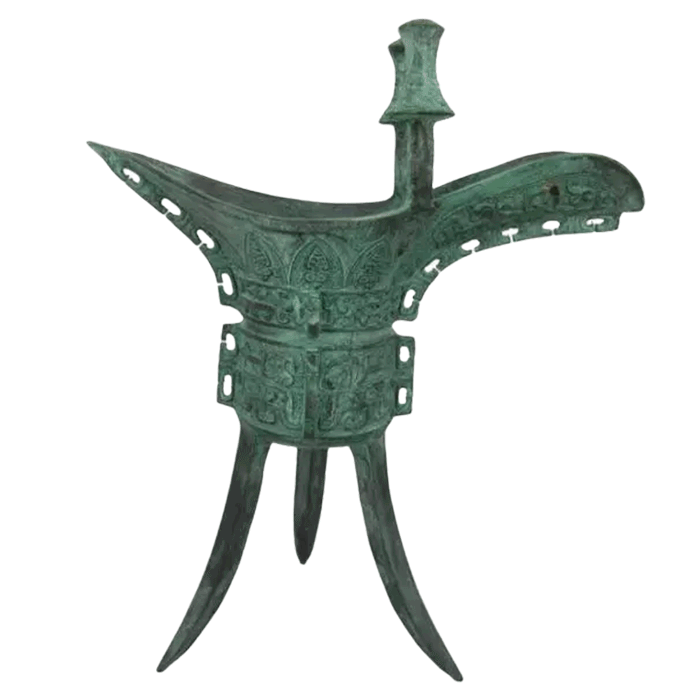
The earliest phase of Shang bronze production, often associated with sites like Erligang, reveals a foundational aesthetic that prioritizes robust form and emerging decorative motifs. During this period, the technology of bronze casting was still developing, yet artisans achieved remarkable feats for their time. Early Shang Dynasty style bronze vessels tend to display relatively simpler, more austere forms. The primary emphasis was on the vessel's function within ritual contexts, such as holding food, wine, or water for religious ceremonies. Shapes like the ding (tripod cauldron), jue (wine cup), and gu (beaker) were common, often characterized by sturdy, thick walls and a sense of weighty permanence.
Decoration during the early Shang period was typically less complex than in later eras. Motifs were often cast in low relief, sometimes appearing almost incised. The iconic taotie, a fearsome, symmetrical mask-like face, began to appear, but in a more abstract or fragmented form, often lacking the intricate details and background patterns that would define its later manifestations. Geometric patterns, such as spirals (leiwen) and straight lines, frequently filled the background or formed borders, contributing to a sense of ordered power rather than overwhelming ornamentation. The surface treatment was generally smooth, with less emphasis on the textural variations that would later become prominent. These early bronzes, while perhaps less visually arresting than their successors, possess a raw strength and directness that speaks to the nascent power of the Shang civilization. Their forms and decorative choices laid the groundwork for the explosion of artistic innovation that would follow.
Mid-Shang Dynasty: A Flourishing of Form and Ornamentation (c. 1300–1100 BC)
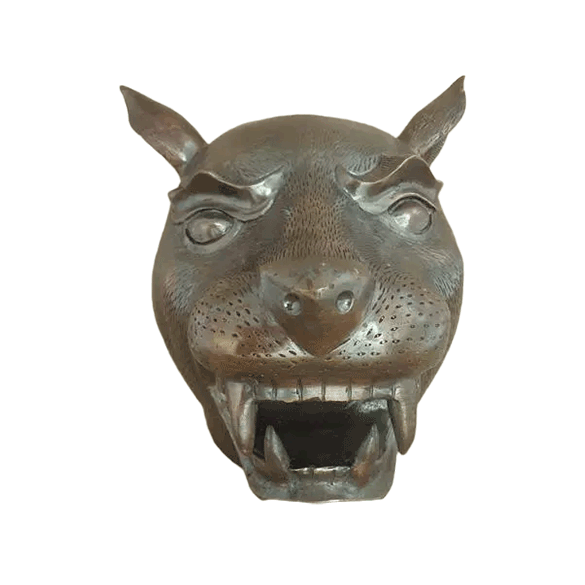
As the Shang Dynasty progressed and its metallurgical technology advanced, particularly during the period associated with the capital at Anyang, the bronze vessel underwent a significant transformation. The mid-Shang period witnessed a flourishing of both form and ornamentation, pushing the boundaries of what was technically possible with the lost-wax casting method. Vessel shapes became more diverse and refined, with a greater variety of types such as the zun (wine vessel), hu (wine pot), and various forms of gui (food containers) becoming prevalent. The proportions of these vessels often became more elegant, with a clearer distinction between the body, neck, and foot, and sometimes incorporating more sculptural elements like animal-head handles or flanges.
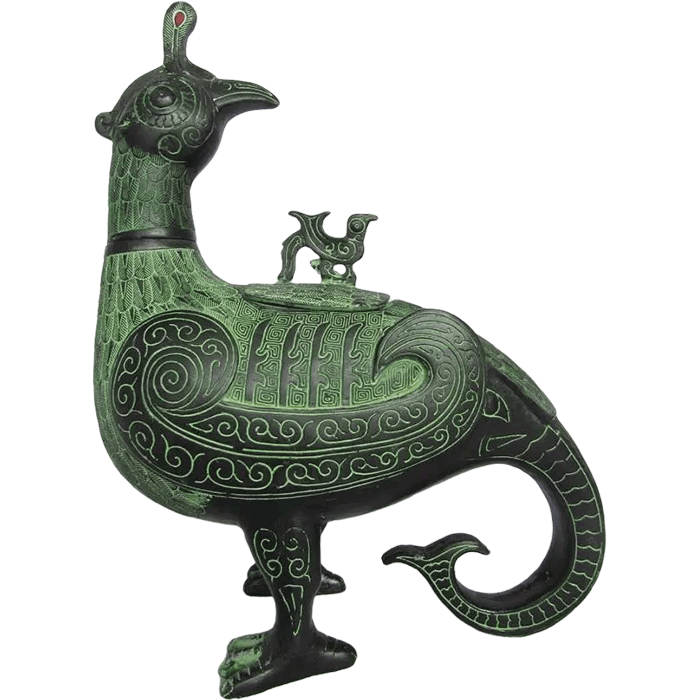
The decorative schemes of mid-Shang Dynasty style bronze vessels grew significantly more sophisticated. The taotie motif, which had been somewhat abstract in the early period, now became the dominant decorative element, rendered in high relief and with much greater detail. Its features—eyes, horns, ears, and jaws—were clearly articulated, often appearing against a dense background of intricate spiral patterns (leiwen) that filled every available space. This horror vacui, or "fear of empty space," became a hallmark of the period's aesthetics, creating a visually rich and complex surface texture. Other zoomorphic motifs, such as dragons (kui), birds, and cicadas, also appeared, often integrated into the overall design or forming secondary decorative bands. The technical skill of the bronze casters improved dramatically, allowing for sharper lines, more pronounced relief, and a cleaner separation of design elements, marking a significant step towards the artistic pinnacle of Shang bronze art.
Late Shang Dynasty: Pinnacle of Bronze Craftsmanship (c. 1100–1046 BC)
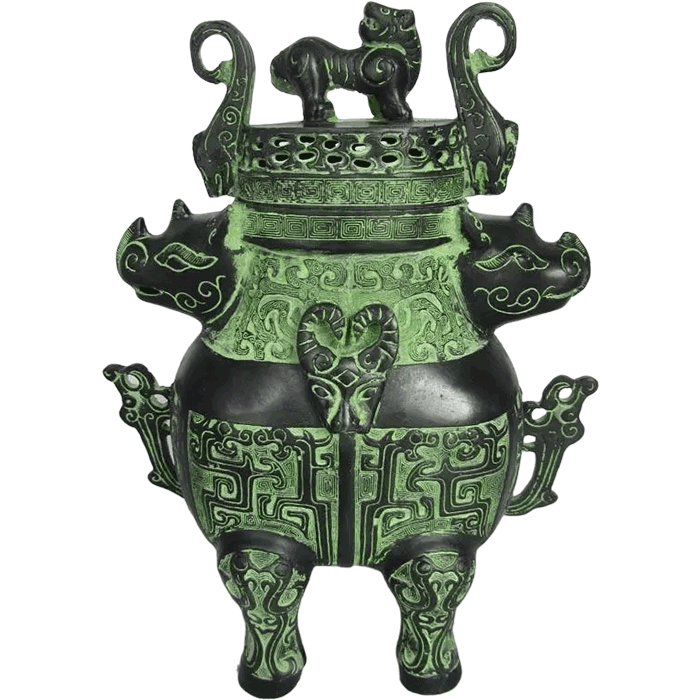
The late Shang Dynasty represents the zenith of bronze craftsmanship, a period when the art form reached its most complex and visually stunning expression. Building upon the innovations of the mid-Shang period, artisans pushed the boundaries of lost-wax casting to create vessels of monumental scale and unparalleled intricacy. The forms of late Shang Dynasty style bronze vessels grew even more elaborate and sculptural. Some vessels incorporated fully three-dimensional animal figures, such as tigers or rams, as integral parts of their design, serving as legs, handles, or lids. Flanges, which were simple projections in earlier periods, became elaborate, often adorned with hooks, teeth, or small animal heads, adding to the vessel's imposing silhouette. The sheer size of some ritual vessels from this era, like the famous Houmuwu Ding, demonstrates the advanced organizational capabilities and technical mastery of the Shang bronze foundries. For a deeper understanding of such monumental pieces, consider exploring the houmuwu square cauldron.
Decoration during the late Shang period achieved an extraordinary level of density and complexity. The taotie motif remained central but evolved to become even more menacing and stylized, often appearing in multiple layers of relief. The background spirals became incredibly fine and dense, creating a mesmerizing texture that made the primary motifs seem to emerge from a swirling cosmic void. Inscriptions (epigraphy) also started to appear more frequently on late Shang bronzes, typically short clan signs or dedications, offering valuable historical insights. The variety of animal motifs expanded further, with serpentine dragons, various birds, and even human-like figures sometimes incorporated into the complex iconography. The precision of the casting, the sharpness of the details, and the sheer artistic ambition evident in these pieces make late Shang bronzes some of the most admired artifacts of ancient China. Understanding the nuances of these styles is crucial for anyone involved in the reproduction or study of chinese bronze sculpture.

Crafting Authentic Shang-Inspired Bronze Vessels Today
For institutions, collectors, and designers seeking to acquire or commission replicas of these magnificent historical artifacts, the challenges extend beyond mere aesthetic appreciation. Exact replication of antique bronzes, consistent patina color matching, and export-compliant protective packaging for fragile sculptures are critical pain points in custom bronze art sourcing. Achieving an authentic Shang Dynasty style bronze vessel, whether a faithful reproduction or an inspired contemporary piece, demands a profound understanding of ancient techniques combined with modern precision and quality control.
Luoyang Yichuan Bronze Craft Co., Ltd. addresses these challenges directly, drawing upon decades of expertise and a deep reverence for traditional craftsmanship. Located in Yichuan County, Luoyang, Henan Province, our production area spans 3,000 square meters, housing over 30 skilled craftsmen, including revered bronze-casting masters and finishing artisans. This dedicated team ensures that every piece, from a single custom prototype to bulk production runs, adheres to the highest standards. We specialize in casting premium bronze alloy (Cu-Sn) using the traditional lost-wax method, a technique essential for capturing the intricate details and textures characteristic of Shang bronzes. Our capabilities extend to hand chasing, meticulous polishing, and a variety of patina finishes, allowing for both antique and modern looks that perfectly complement the intended aesthetic of a Shang-inspired piece.
Our commitment to quality is underscored by our ISO 9001 quality management system certification, ensuring that every product complies with export quality inspection standards for art crafts. We conduct rigorous quality inspection before every shipment, offering free replacement for any casting defects. Furthermore, our after-sales support includes guidance for patina touch-ups and restoration, ensuring the longevity and continued beauty of your investment. With an annual output exceeding 50,000 bronze art pieces, we possess significant capacity to fulfill diverse project requirements. We also offer a highly flexible MOQ from 1 piece for custom sculptures, making bespoke customize a bronze sculpture from sculpmart.com projects accessible for specialized needs. Our ability to consistently match patina colors and provide robust, export-compliant packaging ensures that your valuable bronze vessel arrives safely and meets your precise specifications, ready to enrich any collection or exhibition.
Conclusion: The Enduring Legacy of Shang Bronze Artistry
The journey through the stylistic evolution of the Shang Dynasty style bronze vessel reveals a continuous process of artistic refinement and technical mastery. From the robust simplicity of the early period to the intricate grandeur of the late Shang, each phase contributed to a rich and complex artistic tradition that continues to captivate and inspire. For those looking to acquire or commission bronze artworks that faithfully reflect this unparalleled heritage, partnering with a manufacturer that combines historical knowledge with modern production capabilities is essential. Luoyang Yichuan Bronze Craft Co., Ltd. stands as a testament to this commitment, offering unparalleled expertise in bringing the power and beauty of ancient Chinese bronze artistry into the modern world. Our dedication to traditional methods, certified quality, and comprehensive customer support makes us an ideal partner for your next bronze art project, ensuring that the legacy of the Shang Dynasty continues to shine.