Shang Dynasty Bronze Ding Vessel Replica: Patina Explained
What Patina Can and Cannot Reveal About a Shang Dynasty Bronze Ding Vessel Replica
Importers and private collectors who evaluate a Shang Dynasty Bronze Ding Vessel Replica for the first time often focus heavily on surface color. A dark, mottled green-brown finish looks convincing on a product page, and buyers naturally assume that a rich patina equals archaeological authenticity or superior casting quality. In practice, patina is only one signal among many, and it can mislead as easily as it can inform. This article explains what a well-applied patina finish genuinely demonstrates, where its limits lie, and what else buyers should examine before confirming a bulk order or a single custom prototype.
Why Patina Matters in Bronze Ding Reproduction
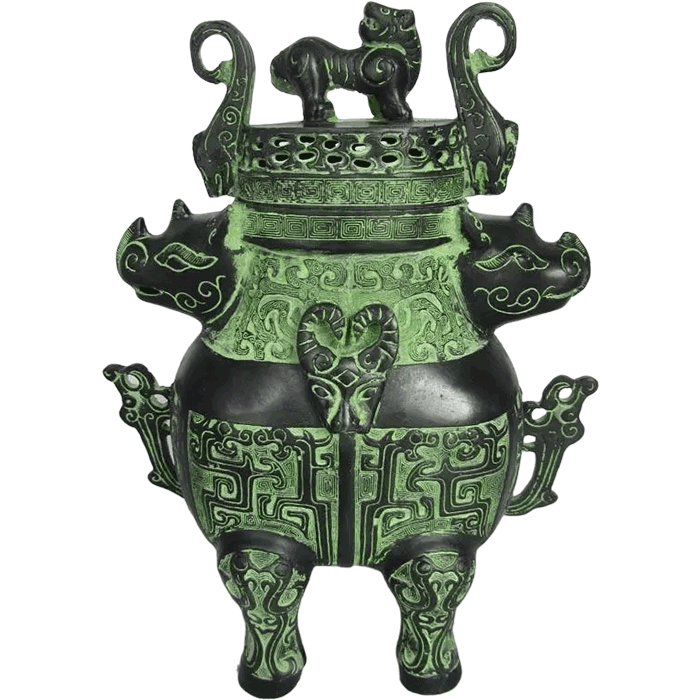
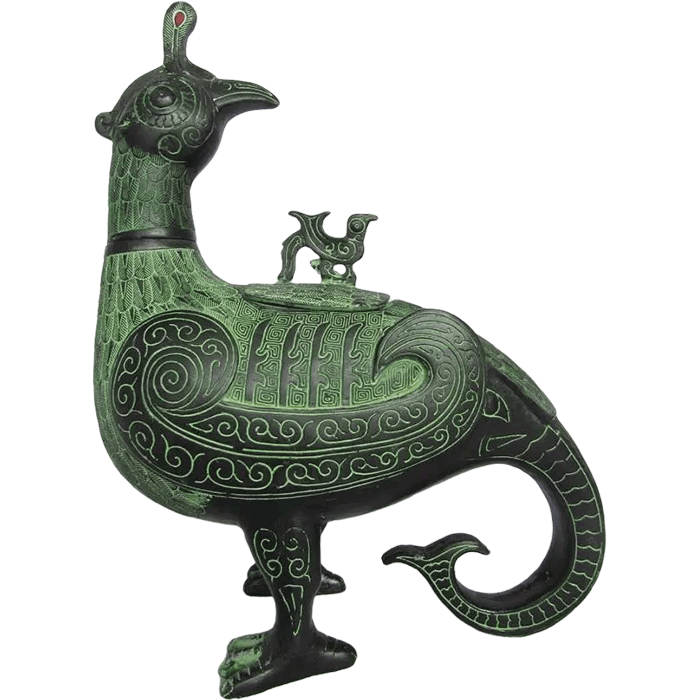
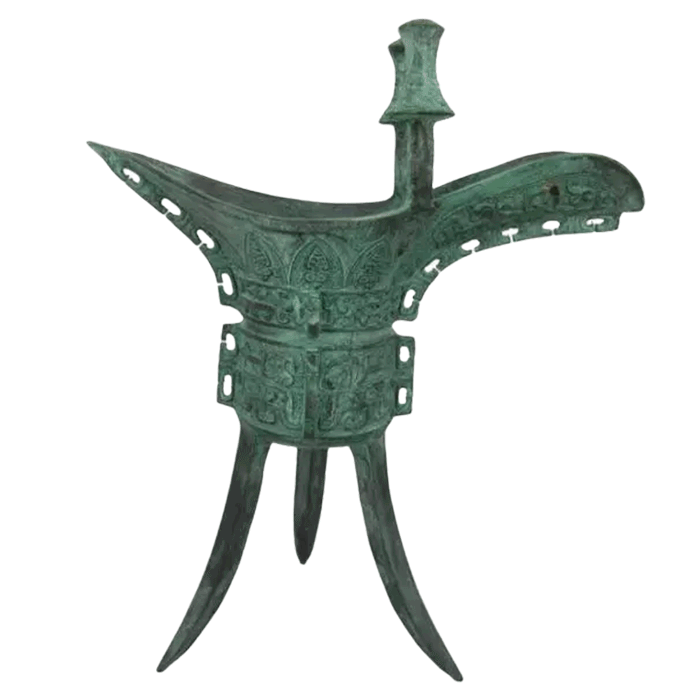
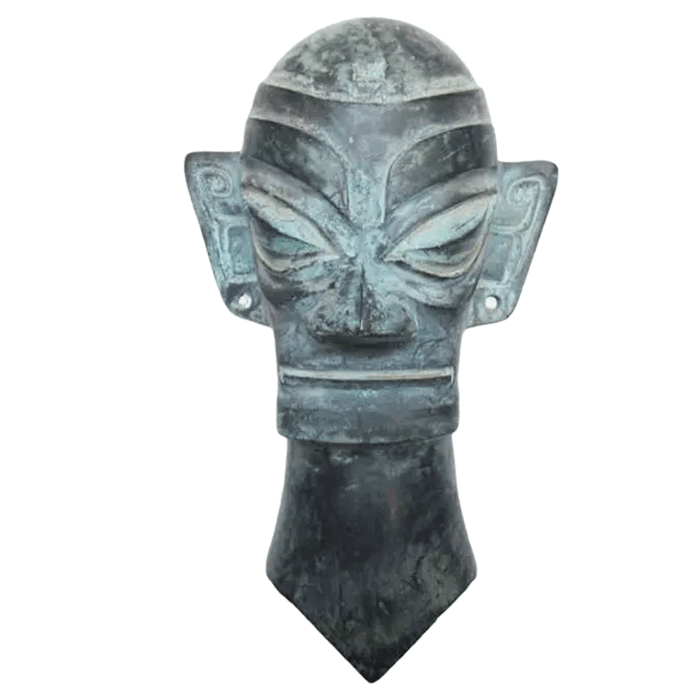
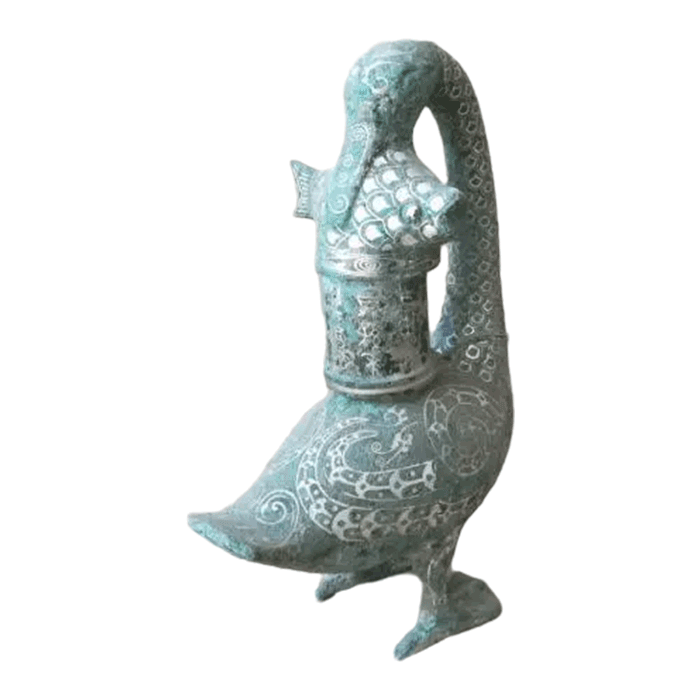
Original Shang and Zhou dynasty ding vessels acquired their surface color through centuries of burial, oxidation, and mineral exchange with surrounding soil. Reproduction workshops recreate that visual language through chemical patination, heat treatment, and hand-applied pigments, because collectors, museum gift shops, and interior design buyers expect the finish to match the historical reference. A convincing patina is therefore a legitimate craft skill, not a shortcut. Workshops that specialize in chinese bronze sculpture production spend years developing recipes for consistent color depth, especially on complex vessel forms with legs, handles, and relief decoration that oxidize unevenly.
Common Patina Styles for Ding Vessels
- Malachite green with darker recessed shading, simulating long-term copper carbonate buildup
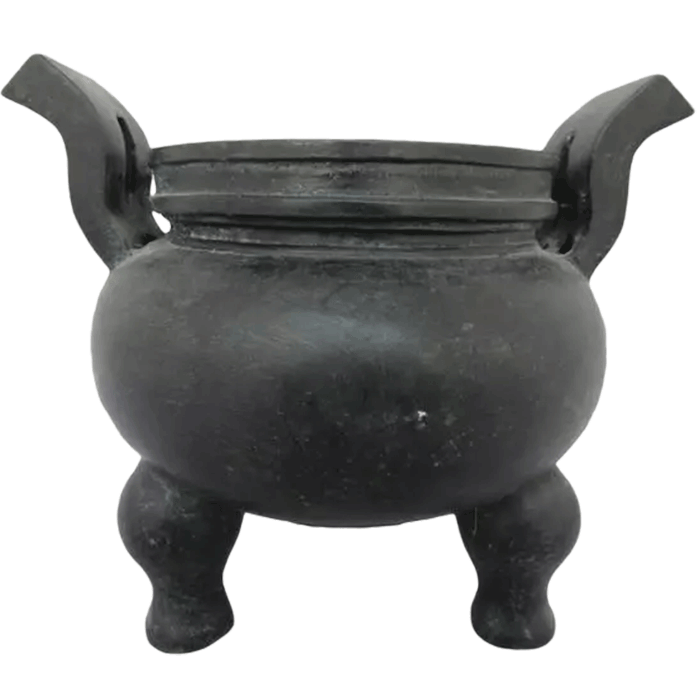
- Earth-toned brown-black finishes replicating unearthed bronze exposed to soil minerals
- Mixed "excavation" patina combining green, red rust tones, and black oxidation for a layered antique look
- Smooth modern bronze finish with light polish, for buyers who want the historical form without an aged surface
What Patina Can Legitimately Show You
A carefully executed patina does communicate real information about the workshop's skill and attention to detail. Buyers evaluating a Shang Dynasty Bronze Ding Vessel Replica should treat the following as valid indicators.
Consistency Across Surface Areas
Uneven color that stops abruptly at seams, or patina that flakes off with light handling, usually points to a rushed chemical wash rather than layered patination. Genuine hand-applied finishes show gradual tonal transitions, particularly around cast reliefs, taotie motifs, and leg joints where oxidation naturally accumulates on original bronzes.
Attention to Design-Specific Detail
Skilled finishing artisans darken recessed decoration first, then lighten raised surfaces through controlled polishing, mimicking the way handling and light exposure would age a real antique over time. This selective shading is a strong sign that the artisan understands the historical object, not just the general color palette.
Stability Under Handling and Climate Change
A well-fixed patina should not rub off onto gloves or packaging material, and it should hold up during humidity shifts common in ocean freight. This is one of the more practical quality checks buyers can request before confirming a production run.
What Patina Cannot Tell You
This is where many buyers, especially first-time importers, misjudge a reproduction piece. Patina color and texture cannot serve as proof of any of the following, no matter how convincing the surface looks.
Alloy Composition and Structural Integrity
Surface color says nothing about whether the piece was cast in a proper copper-tin bronze alloy or a cheaper substitute metal with a chemical wash applied over it. Only alloy testing, casting weight, and sound quality (a genuine bronze ding produces a distinct resonant tone when tapped) can confirm the underlying material.
Casting Method and Wall Thickness
Lost-wax casting, the traditional method used for authentic-style ding reproduction, produces different wall thickness patterns than sand casting or low-cost mold casting. Patina sits on top of the metal and cannot reveal what casting process was used underneath. Buyers who need this level of assurance should ask for cross-section samples or production process documentation rather than relying on visual inspection of the finish alone.
Long-Term Color Stability
Some chemically accelerated patinas look impressive on delivery but shift color, fade, or develop a chalky residue within a year of display, particularly in outdoor or high-humidity environments. A finish that looks aged does not guarantee it will remain stable; that depends on the sealing process applied after patination, which is not visible to the eye.
Historical or Artistic Authenticity
No amount of surface treatment turns a modern reproduction into an antique, and reputable workshops do not claim otherwise. Buyers sourcing for museum-adjacent retail, corporate gifting, or interior décor should treat patina as a stylistic choice for a chinese bronze antique aesthetic, not as a certificate of age or provenance.
How to Evaluate a Ding Replica Beyond Surface Finish
Because patina has clear limits as an authenticity indicator, experienced buyers combine visual inspection with a few practical checks before committing to bulk quantities.
Request Casting and Weight Details
Ask for the alloy ratio, approximate weight per piece, and whether the vessel was produced using lost-wax casting. Reputable manufacturers with ISO 9001 quality management systems document these specifications as part of standard export paperwork, and should be able to provide this information without hesitation.
Ask for Progress Photos on Custom Orders
For a single custom prototype or a small trial order, request photos at the raw casting stage, after chasing and polishing, and after patina application. This lets buyers confirm that the finish was built up in layers on a properly cast piece, rather than sprayed over a rough or defective casting to hide flaws.
Check Packaging and Shipping Protection
Patina finishes, particularly the more delicate excavation-style layers, can be damaged by improper handling during transit. Export-compliant protective packaging designed specifically for fragile bronze sculptures reduces the risk of surface abrasion or moisture exposure before the piece reaches the buyer.
Understand After-Sales Support for Patina Touch-Ups
Because patina can shift slightly over time depending on display environment, it is worth confirming in advance whether the supplier offers patina touch-up guidance or restoration support after delivery. This matters more for large installations or retail display pieces exposed to lighting and handling over months or years.
Working With an Experienced Bronze Workshop
Buyers who want a Shang Dynasty Bronze Ding Vessel Replica that balances historical accuracy with production reliability generally look for a few structural signs of a mature workshop: dedicated casting and finishing teams, a defined quality inspection step before shipment, and a track record producing both vessels and other bronze forms such as chinese bronze decorations and Buddhist statues. A workshop that manages this range of work typically has the tooling and craftsman experience needed to reproduce fine surface detail on a ding's taotie motifs and leg castings consistently across a production run, not just on a single showcase sample.
For buyers curious about how bronze surface treatment and vessel forms evolved historically, background reading on the evolution of bronze culture over 2000 years provides useful context for why certain patina styles are associated with specific dynasties, and why replicating them accurately requires more than a single chemical formula.
Placing a Custom or Bulk Order
Once the alloy, casting method, and patina approach have been confirmed, the next step is usually a sample piece before committing to volume. Workshops that support quantities from a single custom sculpture up to full production batches can accommodate this kind of staged evaluation, letting buyers approve color, weight, and finish quality before scaling up. Details on how this process typically works, including timelines and design revision steps, are outlined on the page to customize a bronze sculpture from sculpmart.com.
In summary, patina is a genuine and valuable craft element on any bronze vessel reproduction, and it deserves careful visual inspection. But it should never be the sole basis for judging casting quality, material composition, or long-term durability. Buyers who pair patina assessment with alloy verification, casting documentation, and a clear understanding of after-sales support are far better positioned to source a piece that performs well both on arrival and years into display.