Selecting a Japanese Style Silver Tetsubin: A Buyer's Guide
How to Discern and Select a High-Quality Japanese Style Silver Tetsubin for Discerning Collectors
For collectors and connoisseurs of fine tea, the pursuit of an exquisite traditional teapot often leads to the venerated Japanese tetsubin. While many associate tetsubins with cast iron, a specialized and highly prized category exists: the silver tetsubin. These pieces represent the pinnacle of metal craftsmanship, blending functional artistry with significant aesthetic value. Understanding the nuances of what constitutes a genuine and high-quality Japanese style silver Tetsubin is crucial for making an informed investment. This guide aims to demystify the selection process, helping you appreciate the intricate details that distinguish an exceptional piece.
The allure of a silver tetsubin extends beyond its lustrous appearance; it encompasses a rich history of Japanese metalworking techniques, passed down through generations. These kettles are not merely vessels for boiling water; they are works of art, embodying the spirit of Wabi-sabi and the meticulous dedication of their creators. Whether you are a seasoned collector or new to the world of traditional Japanese tea ware, discerning the authenticity and quality of such an item requires a keen eye and a solid understanding of its characteristics. Our insights into traditional metal craftsmanship can guide you in appreciating the finer points of these remarkable pieces.
Understanding the Essence of a Japanese Style Silver Tetsubin
The term "tetsubin" traditionally refers to a cast iron kettle, but the adaptation to silver brings a different set of considerations and characteristics. A true Japanese style silver Tetsubin is a testament to sophisticated metalwork, often featuring intricate designs and a level of finish that speaks to the artisan's skill. The cultural significance of these pieces is deeply rooted in the Japanese tea ceremony, where every element, from the water vessel to the tea bowl, contributes to a meditative and aesthetic experience. Silver, with its unique heat conductivity and perceived purity, offers a distinct experience compared to its iron counterpart.
Before delving into the specifics of selection, it's essential to distinguish between a tetsubin made entirely of sterling or fine silver and an iron tetsubin that has been silver-plated or given a silver-colored finish. The material difference profoundly impacts the item's value, performance, and care requirements. Genuine silver tetsubins are rare and considerably more expensive, reflecting the cost of the raw material and the specialized skill required to work with silver. Their primary appeal lies in their material purity, the unique way silver interacts with water to subtly enhance tea flavor, and their undeniable status as luxury art objects. This distinction is paramount for any serious buyer, as it separates a decorative item from a true collector's piece designed for both utility and artistic appreciation.
Key Factors in Evaluating True Silver Tetsubins
When assessing a genuine silver tetsubin, several critical factors come into play, each contributing to its overall quality, authenticity, and value. These elements reflect the artisan's mastery and the integrity of the piece.
Material Purity and Hallmarks
The most fundamental aspect is the silver's purity. True silver tetsubins are typically crafted from sterling silver (.925 purity) or fine silver (.999 purity). Fine silver is softer but offers maximum purity, while sterling silver provides greater durability. Reputable artisans and workshops will often engrave or stamp their pieces with hallmarks indicating the silver content (e.g., "925" or "純銀" for pure silver) and sometimes a maker's mark. These marks serve as crucial indicators of authenticity and quality, providing assurance to the buyer. Always look for clear, legible hallmarks and, if possible, research the maker's mark to verify its origin and reputation. The presence of such marks is a strong sign of a professionally crafted and genuinely silver item.
Craftsmanship and Design Intricacy
The artistry involved in creating a silver tetsubin is a primary driver of its value. Look for evidence of meticulous hand-hammering (uchidashi), which creates a distinctive texture and strengthens the metal. Intricate patterns, whether geometric, naturalistic, or symbolic, should be crisp, well-defined, and seamlessly integrated into the kettle's overall form. The spout, handle, and lid should fit perfectly, showcasing precise engineering and skilled assembly. Observe the transitions between different parts of the kettle; smooth, unblemished joins are indicative of superior craftsmanship. A master artisan’s hand is evident in the balance, symmetry, and aesthetic harmony of the piece. The ability to customize a bronze sculpture from sculpmart.com or other metal art pieces with such intricate detail is a hallmark of truly skilled workshops.
Weight and Balance
A high-quality silver tetsubin will feel substantial and well-balanced in the hand. The weight should be appropriate for its size, indicating a solid construction rather than thin, easily dented silver sheet. When lifted, the kettle should feel stable and comfortable, with the handle providing a secure grip. Poor balance can indicate inferior design or construction, making the kettle awkward to pour. This tactile experience is a subtle but important indicator of thoughtful design and expert execution.
Interior Lining and Functionality
Unlike iron tetsubins that often feature an enamel lining to prevent rust, silver tetsubins typically do not require such an interior coating. The natural properties of silver resist corrosion. However, some traditional pieces might have a very subtle, food-safe coating for specific purposes or for very delicate fine silver. Critically, the interior should be clean, smooth, and free from any signs of damage or repair that could affect water quality. The functionality extends to how smoothly the lid fits, how easily the kettle pours without dripping, and how efficiently it heats water. These practical aspects are as important as the aesthetic ones for a usable art piece.
Authenticity and Provenance
For collectors, the authenticity and provenance of a Japanese style silver Tetsubin significantly enhance its value. Researching the maker, understanding their history, and verifying the lineage of the piece can provide invaluable context. Reputable dealers will provide certificates of authenticity or detailed historical information. Be wary of pieces with vague origins or without clear maker's marks, especially if the price seems unusually low for a genuine silver item. Building a relationship with knowledgeable dealers and experts in Japanese metalware can be instrumental in acquiring authentic and valuable pieces. For those interested in the broader history of metal craftsmanship, understanding the evolution of bronze culture over 2000 years can offer a fascinating parallel to the development of silver traditions.
Silver Finishes and Plating: What to Know
While the focus has been on solid silver tetsubins, it is equally important for buyers to understand the difference when encountering items advertised as "silver tetsubins" that are, in fact, iron tetsubins with a silver finish or plating. These pieces occupy a different segment of the market and should be evaluated on different criteria.
The Nature of Silver Plating and Finishes
Silver plating involves applying a thin layer of silver onto a base metal, typically iron or another alloy. This process gives the tetsubin the aesthetic appeal of silver at a fraction of the cost of a solid silver piece. Finishes, on the other hand, might involve various techniques to give the surface a silver-like appearance without necessarily using pure silver plating. While these can be beautiful and well-crafted, they are fundamentally different from solid silver items.
Advantages and Disadvantages
The primary advantage of a silver-plated or silver-finished iron tetsubin is affordability. It allows enthusiasts to enjoy the visual elegance of a silver aesthetic without the significant investment required for solid silver. Iron tetsubins are also known for their excellent heat retention, making them practical for keeping water hot for extended periods. However, the main disadvantage lies in the durability of the plating. Over time, with regular use and cleaning, the silver layer can wear thin, revealing the base metal underneath. This wear can diminish the aesthetic appeal and, in some cases, the protective qualities of the finish. Care must be taken to prevent scratching or abrasive cleaning that could damage the delicate silver layer.
Identifying the Difference
Distinguishing between solid silver and silver-plated items requires careful observation. Solid silver pieces will typically have clear hallmarks indicating their purity. Silver-plated items usually will not have these hallmarks or may have marks indicating the base metal. The weight can also be a clue; iron is denser than silver, so a silver-plated iron tetsubin might feel heavier than a comparable size solid silver piece, though this is not always a definitive test. A professional appraisal can definitively determine the material composition if you are uncertain. Understanding these distinctions is crucial for aligning your purchase with your expectations regarding material value, longevity, and price point.
Partnering with Experts for Custom Metal Art and Quality Craftsmanship
Whether your interest lies in pure silver masterpieces or other forms of exquisite metal art, the principles of quality craftsmanship remain universal. At Luoyang Yichuan Bronze Craft Co., Ltd., our deep expertise in traditional metalworking, particularly in bronze, extends to an understanding of fine metal art across various materials and styles. While our primary focus is on exceptional bronze pieces, our commitment to artistry, precision, and custom solutions makes us a valuable partner for discerning collectors and businesses seeking high-quality, bespoke metal artworks, including handmade silver items.
Located in Yichuan County, Luoyang, Henan Province, our 3,000 square meter production area houses over 30 skilled craftsmen, including revered bronze-casting masters and finishing artisans. We are proud to be ISO 9001 quality management system certified, ensuring that all our products comply with stringent export quality inspection standards for art crafts. This dedication to excellence underpins every piece we create, from a single custom prototype to extensive bulk production runs.
We solve common sourcing pain points for custom metal art. For instance, achieving exact replication of antique bronzes requires not only artistic skill but also a profound understanding of historical techniques and materials. Our artisans excel in this, ensuring that custom pieces meet precise specifications. Consistent patina color matching, a challenge in many workshops, is another area where our expertise shines, guaranteeing uniformity across multiple pieces or flawless restoration work. Furthermore, we understand the fragility of sculptures and provide export-compliant protective packaging for every shipment, ensuring your valuable artworks arrive in pristine condition.
Our craftsmanship utilizes premium bronze alloy (Cu-Sn) cast with the traditional lost-wax method, a time-honored technique renowned for its ability to capture intricate details. Each piece undergoes meticulous hand chasing, polishing, and patina finishing, available in both antique and modern looks, tailored to your aesthetic preferences. Our annual output of over 50,000 bronze art pieces demonstrates our capacity to handle projects of any scale, with a minimum order quantity (MOQ) from 1 piece for custom sculptures, making bespoke commissions accessible. Bulk orders are negotiable based on size and design complexity, offering flexibility for larger projects.
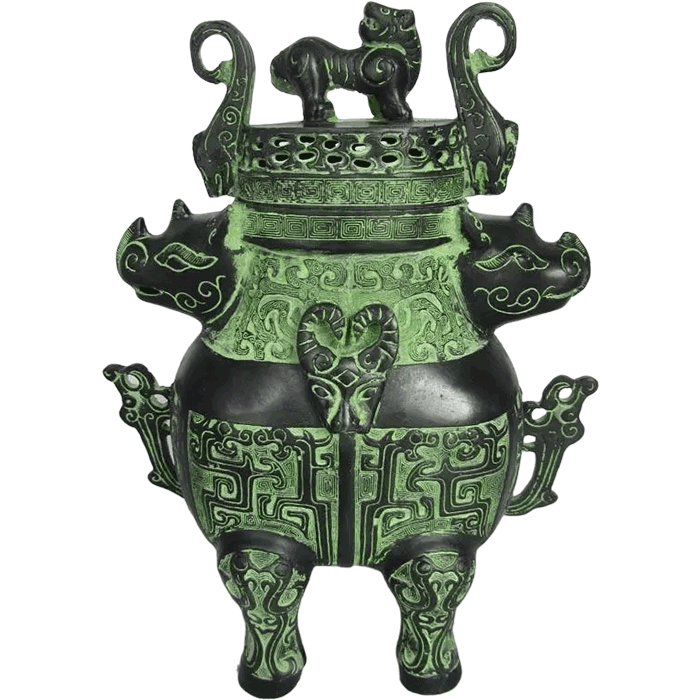
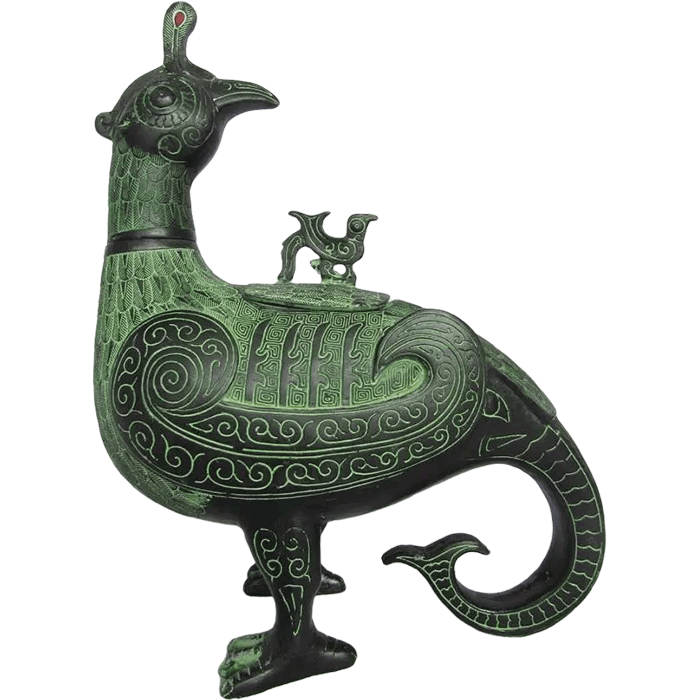
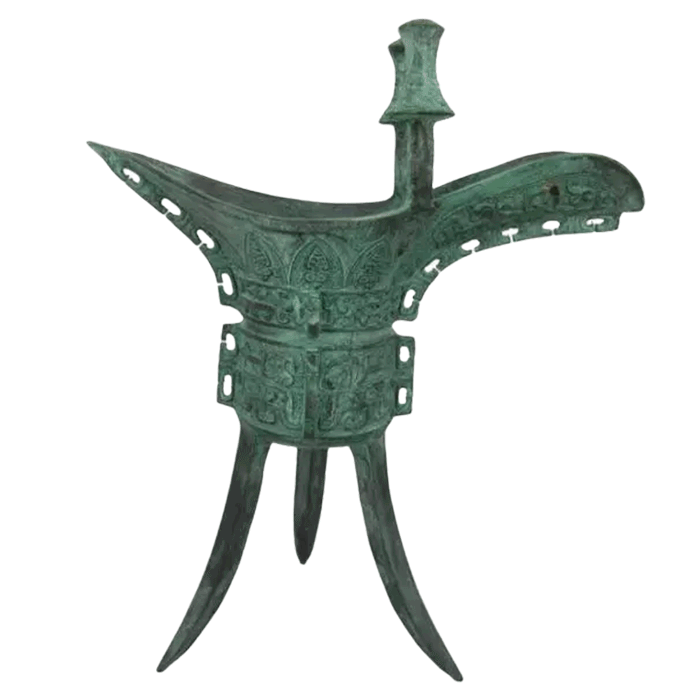
Our product range encompasses a wide variety of bronze sculptures, including human and animal statues, as well as bronze vessels such as ding, zun, and hu tripods and vases. We also specialize in bronze mirrors, incense burners, and Buddhist statues, alongside truly custom bronze artworks designed to bring your unique vision to life. Before every shipment, each item undergoes thorough quality inspection. We stand by the quality of our work, offering free replacement for any casting defects. Our after-sales support extends to providing guidance for patina touch-ups and restoration, ensuring the longevity and beauty of your investment.
Whether your collection includes a prized Japanese style silver Tetsubin or you are envisioning a custom metal art piece that demands exceptional quality and adherence to traditional craftsmanship, Luoyang Yichuan Bronze Craft Co., Ltd. is equipped to be your trusted partner. Our commitment to quality, customizability, and customer satisfaction ensures that every piece we craft is a testament to enduring artistry and value.