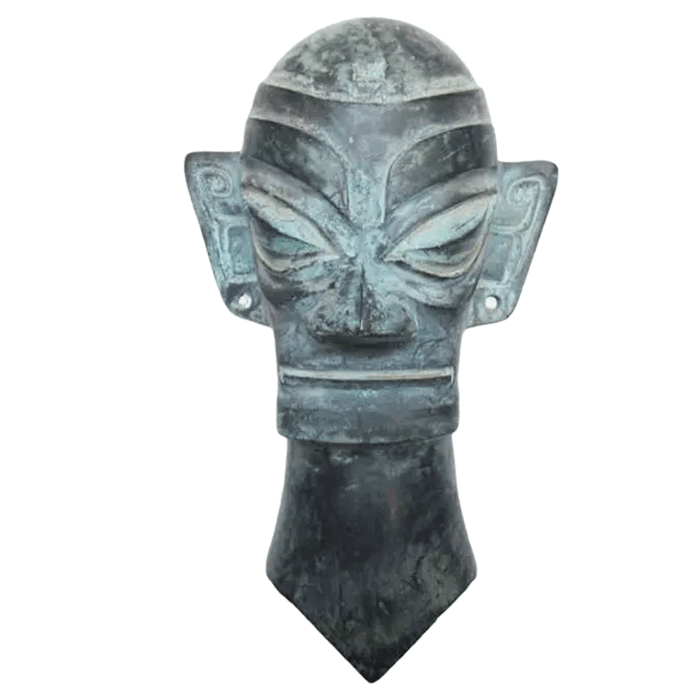
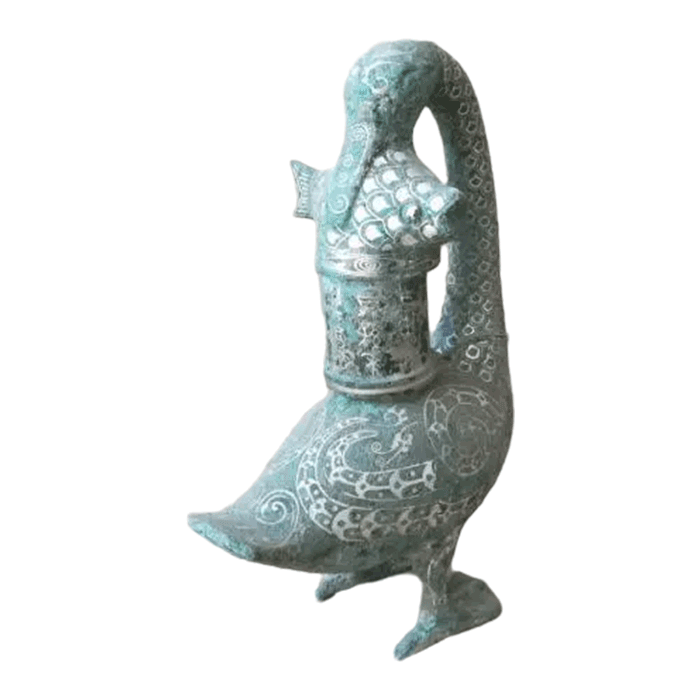
Sanxingdui Bronze Head Reproduction: Alloy & Finish Quotes
Evaluating Quotes for a Sanxingdui Bronze Head Sculpture Reproduction Requires a Deep Dive into Materials and Finishing
For curators, architects, and wholesale art buyers, sourcing a high-fidelity reproduction of a historically significant artifact is a complex task. The enigmatic and visually stunning bronze heads of the Sanxingdui culture are a prime example. When you receive multiple quotes for such a project, the variation in pricing can be significant, making a direct comparison challenging. The bottom-line cost, while important, often obscures critical differences in material quality, craftsmanship, and supplier reliability that ultimately determine the value and authenticity of the final piece.
A lower price may conceal compromises in the bronze alloy, shortcuts in the finishing process, or inadequate quality control—factors that can result in a product that fails to capture the spirit and detail of the original. This guide provides a comprehensive framework for deconstructing and comparing supplier quotes. It will empower you to look beyond the price and assess the true value being offered, ensuring your investment results in a museum-quality replica that honors its ancient origins. Understanding the nuances of bronze casting is essential, especially when dealing with the profound legacy of the wonders of Sanxingdui, a civilization renowned for its metallurgical prowess.
Deconstructing the Bronze Alloy: Why Composition Matters in Your Quote
The term "bronze" can be misleadingly generic. It represents a family of copper alloys, and the specific metals mixed with the copper dramatically influence the sculpture's physical properties, appearance, and longevity. When evaluating a quote for a Sanxingdui bronze head sculpture reproduction, the alloy specification is one of the most critical details to scrutinize. A reputable foundry will be transparent about its materials, as this forms the very foundation of the artwork.
At Luoyang Yichuan Bronze Craft Co., Ltd., we utilize a premium bronze alloy, primarily composed of copper and tin (Cu-Sn). This composition is historically aligned with the materials used in ancient Chinese bronze casting, providing an authentic weight, feel, and capacity for developing a rich, deep patina. This traditional formulation is crucial for achieving the aesthetic integrity required for historical reproductions.
When comparing quotes, be wary of suppliers who are vague about their materials or who may use lower-cost alternatives like brass (a copper-zinc alloy) or bronze with a high percentage of impurities. While these materials can reduce upfront costs, they come with significant drawbacks:
- Color and Patination: Brass has a more yellowish hue compared to the reddish-brown tint of true bronze. More importantly, it reacts differently to patination chemicals, making it difficult, if not impossible, to achieve the classic verdigris and deep earth tones characteristic of ancient artifacts.
- Durability and Corrosion Resistance: The tin content in traditional bronze provides superior strength and resistance to corrosion over time. An improper alloy can be more susceptible to environmental degradation, compromising the long-term stability of the sculpture.
- Casting Fidelity: The molten properties of the alloy affect its ability to fill every minute detail of a mold. A high-quality Cu-Sn alloy, when cast using the traditional lost-wax method, ensures that intricate details—from the stylized eyes to the subtle textures of the original Sanxingdui heads—are captured with precision.
The Impact of Alloy on Casting Detail
The lost-wax casting process is renowned for its ability to produce highly detailed, one-of-a-kind pieces. However, the success of the technique is heavily dependent on the quality of the molten metal. A well-formulated bronze alloy possesses optimal fluidity, allowing it to flow into the most complex and delicate sections of the ceramic shell mold before it cools. This results in a raw casting that is a near-perfect translation of the artist's original wax model. An inferior alloy may be more viscous or cool too quickly, leading to incomplete fills, surface porosity, and a loss of fine detail that no amount of surface finishing can fully recover. For a subject as detailed as a Sanxingdui head, this difference is paramount.
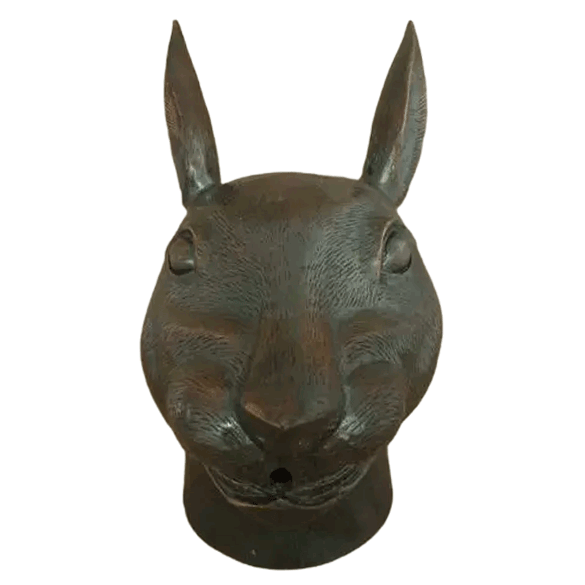
Long-Term Value vs. Upfront Cost
Choosing a supplier based on a premium alloy is an investment in longevity. A sculpture cast from a superior, stable bronze alloy will endure for generations, whether displayed in a gallery, a corporate headquarters, or a private collection. It resists degradation and maintains its structural and aesthetic integrity. A lower-cost quote might be tempting, but if it is achieved by using a suboptimal alloy, you risk receiving a product that may discolor unevenly, become brittle, or fail to meet the expectations of your project. Always insist that potential suppliers specify the exact alloy composition in their quotation.
The Art of the Finish: From Raw Casting to Museum-Quality Patina
Once a bronze sculpture emerges from its mold, it is far from finished. The subsequent stages of finishing are labor-intensive, require immense skill, and contribute significantly to the final cost and quality of the piece. This is often where foundries differentiate themselves, and where corner-cutting in a low-cost quote becomes most apparent. A raw casting is a blank canvas; the artistry of the finish brings it to life.
Our facility, with its team of over 30 skilled craftsmen, includes dedicated finishing artisans who specialize in transforming raw bronze into exquisite works of art. The key stages include:
1. Chasing and Surface Refinement
Chasing is the meticulous process of refining the bronze surface by hand using hammers and specialized chisels. This is not about altering the form, but about enhancing it. Our artisans chase the entire surface to remove any minor imperfections from the casting process, such as seams or vents. More importantly, they use this technique to sharpen lines, define textures, and clarify details that may have been slightly softened during casting. Meticulous chasing is what gives a sculpture its crisp, professional appearance and distinguishes a high-end reproduction from a mass-produced imitation.
2. Polishing and Texturing
Following the chasing process, the sculpture is polished. The level of polish can be tailored to the desired aesthetic, ranging from a soft, matte finish that absorbs light to a mirror-like gleam that reflects it. For historical reproductions, a carefully considered polish is used to prepare the surface for patination, ensuring the chemicals will adhere evenly while retaining a sense of age and texture.
3. Patination: The Soul of the Bronze
The patina is the colored layer on the surface of the bronze. For an artifact reproduction, this is arguably the most critical step. A true patina is not paint; it is a chemical reaction induced on the surface of the metal using various chemicals and heat. This process creates a finish that is integrated with the bronze itself, giving it depth, translucency, and durability.
One of the most common pain points for B2B buyers is inconsistent patina color. Luoyang Yichuan Bronze Craft Co., Ltd. has developed rigorous processes to solve this, ensuring that whether you order a single prototype or a bulk run of 100 sculptures, the color and texture of the patina are consistent across every piece. We can replicate a wide range of antique looks, from the classic green and blue-green verdigris to deep, earthy browns and blacks, as well as sleek, modern finishes for contemporary designs.
When reviewing a quote, ask specific questions about the patination process. A low-cost quote may signal the use of a simple paint or lacquer, which will sit on top of the surface, look opaque and artificial, and is prone to chipping or peeling over time. A true, hand-applied chemical patina is a mark of quality and authenticity.
Beyond the Sculpture: Assessing Foundry Capabilities and Support
A successful partnership goes beyond the physical product. The capabilities, processes, and support systems of the foundry you choose are crucial for a smooth project, especially for international buyers. A comprehensive quote should be backed by a company with a proven track record of quality and reliability.
Our operations are built on a foundation of excellence. We are an ISO 9001 certified company, which means our quality management systems are held to rigorous international standards. This certification is your assurance that we have documented, repeatable processes for everything from material sourcing to final inspection.
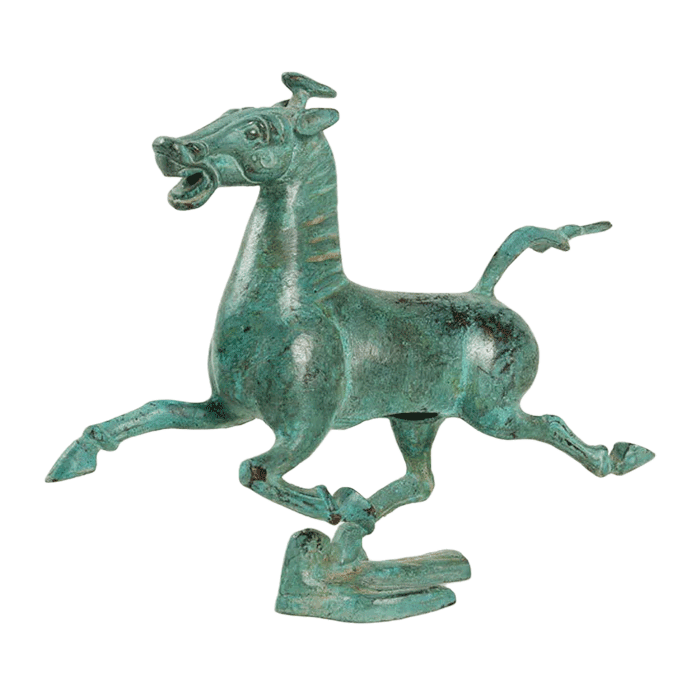
Key areas to consider when evaluating a supplier include:
- Production Capacity and Scalability: With an annual output of over 50,000 pieces from our 3,000-square-meter facility, we can handle projects of any scale. We support everything from a single custom prototype (MOQ from 1 piece) to large, multi-unit production runs for hotels, public installations, or retail distribution.
- Quality Inspection and Guarantees: We conduct a thorough quality inspection before every single shipment. This is not a random spot-check; every piece is reviewed to ensure it meets our standards and your specifications. We stand behind our work with a guarantee of free replacement for any casting defects. To learn more about our commitment to the craft, you can read about scultmart.
- Export Packaging: Fragile, detailed sculptures require specialized packaging to survive the rigors of international shipping. We solve this common sourcing pain point by designing and building export-compliant protective packaging, including custom crates and internal supports, to ensure your artwork arrives in pristine condition. A supplier who cuts costs on packaging is creating a significant risk for the buyer.
- After-Sales Support: Our relationship with clients doesn't end upon delivery. We offer after-sales support, providing expert guidance on patina touch-ups and long-term restoration, ensuring your investment remains beautiful for years to come.
Key Questions to Ask Your Potential Supplier
To make an informed, confident decision, arm yourself with the right questions. When you have quotes in hand, go back to each potential supplier and ask for clarification on the following points. A transparent and capable partner will welcome this diligence.
- Alloy Composition: "What is the exact copper-tin (Cu-Sn) alloy composition, including percentages, that you will use for this project?"
- Casting Method: "Do you use the traditional lost-wax casting method for a piece of this complexity?"
- Finishing Process: "Can you please detail your hand-chasing and surface finishing process after the raw casting is complete?"
- Patina Technique: "Is your patina a chemically induced reaction or a surface-level paint or lacquer? Can you provide high-resolution images or physical samples of your antique patina work?"
- Bulk Order Consistency: "For a bulk order, what specific processes do you have in place to ensure patina color and texture are consistent across all units?"
- Quality Control: "What are your specific quality inspection checkpoints throughout the production process and before shipment?"
- Defect Policy: "What is your written policy regarding casting defects or shipping damage discovered upon arrival?"
- Packaging: "Please describe your standard packaging method for international air or sea freight for a sculpture of this size and fragility."
By comparing the answers to these questions, you will get a much clearer picture of what each quote truly represents. The supplier who provides detailed, confident answers is likely the one who invests in the materials, skills, and processes necessary to deliver a superior product.
Ultimately, commissioning a reproduction of a Sanxingdui head is about more than acquiring an object; it is about honoring a remarkable piece of human history. A quote is not just a number, but a promise of quality. By carefully evaluating the alloy, the artistry of the finish, and the reliability of the foundry, you can ensure that promise is fulfilled. For detailed consultations or to begin the process of commissioning your own authentic bronze artworks, we invite you to explore how you can customize a bronze sculpture from sculpmart.com.