Ruyi Jingu Bang Bronze Replica Cost Guide
A Ruyi Jingu Bang bronze replica can justify its cost when durability, finish quality, and long-term display value matter.
For wholesale buyers, collectors, interior project contractors, cultural gift suppliers, and custom art distributors, the question is rarely whether a replica staff is visually interesting. The practical question is whether the material and production method support the selling price, handling requirements, expected lifespan, and brand position of the final product.
A Ruyi Jingu Bang-inspired staff is a demanding object to reproduce well. Its long cylindrical form, raised decorative bands, symbolic proportions, metallic surface, and often substantial visual presence make material selection especially important. A low-cost alternative may be suitable for temporary themed displays, lightweight events, or short retail campaigns. However, a properly cast bronze piece serves a different purchasing purpose: it is intended as a durable art object with weight, surface depth, repair potential, and long-term visual stability.
For buyers preparing a quote comparison, bronze should not be evaluated only by unit price. The assessment should include the intended use, quantity, display environment, shipping method, customer expectations, customization needs, and the cost of replacement if a lower-grade alternative fails. This guide compares bronze with zinc alloy, stainless steel, and foam options to help procurement teams make a more informed budget decision.
Why a Ruyi Jingu Bang bronze replica has a higher initial cost
The upfront cost of cast bronze is usually higher than that of foam, many zinc-alloy products, and simple stainless-steel constructions because bronze production involves more than shaping a metal tube. A premium bronze alloy based on copper and tin requires controlled casting, skilled finishing, and careful surface treatment. For a detailed artistic replica, the manufacturing process may include wax pattern preparation, mold work, lost-wax casting, hand chasing, welding or assembly where required, polishing, and patina finishing.
At Luoyang Yichuan Bronze Craft Co., Ltd., bronze artworks are made using Cu-Sn bronze alloy and traditional lost-wax casting methods. This process is suitable for decorative forms that need dimensional detail rather than a purely industrial appearance. Skilled artisans can hand chase surface details after casting, refine transitions between decorative elements, polish selected areas, and apply antique or modern patina effects.
The extra investment is therefore connected to labor, metal content, finishing time, quality inspection, and protective packing requirements. It is not simply a premium added because the item is called bronze. For buyers, the relevant issue is whether these characteristics are necessary for the intended sales channel or installation.
A retailer supplying low-priced costume accessories may not need a metal art object. In contrast, a buyer serving collectors, luxury-themed hospitality projects, cultural display spaces, film set decorators, high-end gift programs, or long-term commercial interiors may find that a lighter alternative does not provide the required visual credibility or service life.
Compare bronze with zinc alloy, stainless steel, and foam
Every alternative material has a place in the market. A good purchasing decision depends on matching the material to the project rather than assuming that the lowest quote is automatically the lowest total cost. The following comparison focuses on common considerations for wholesale and custom orders.
| Material | Common Buyer Advantage | Key Limitations | Best-Fit Applications |
|---|---|---|---|
| Cast bronze | Substantial weight, detailed artistic finishing, patina options, durable display value | Higher material, labor, and freight costs; requires careful export packing | Collectors, permanent displays, premium gifts, art projects, custom commissions |
| Zinc alloy | Often economical for smaller decorative items and repeatable forms | May not deliver the same weight, patina depth, or long-term artistic character as bronze | Budget-oriented decorative products and smaller retail pieces |
| Stainless steel | Clean modern appearance and practical resistance to many everyday conditions | Different visual character; less suitable when an antique cast-bronze aesthetic is required | Contemporary installations, architectural accents, modern display concepts |
| Foam | Lightweight, economical, and convenient for temporary transport or stage use | Limited durability, lower tactile value, and vulnerable surface performance | Events, props, temporary exhibitions, promotional displays |
Bronze versus zinc alloy
Zinc alloy can be a practical option when a buyer needs decorative metal items at a lower budget and in comparatively standardized formats. However, a long staff-style artwork requires attention to visual proportions, surface continuity, and perceived substance. Bronze offers a denser, more traditional art-material presence. It can also support hand-finished details and a broader range of patina treatments that help the object look intentional rather than mass-produced.
For a premium replica program, the key comparison is not simply “metal versus metal.” Buyers should ask whether the decorative bands, engraved areas, relief sections, end caps, and surface transitions need the character of hand finishing. If the answer is yes, bronze is often the more appropriate basis for the quote.
Bronze versus stainless steel
Stainless steel is useful for projects that deliberately seek a polished, contemporary, or industrial visual identity. It may work well for modern public décor, branded architectural features, or clean-lined sculptural elements. Yet stainless steel does not naturally provide the warm brown, dark, green, or layered antique-style patina associated with traditional bronze art.
If the buyer’s design brief requires a historical, mythical, ceremonial, or handcrafted impression, bronze is usually a better visual match. The choice becomes clearer when the object will be viewed at close range. Visitors often notice differences in color variation, surface texture, edge treatment, and the way light moves across a hand-finished metal surface.
Buyers researching traditional material appearance can also review bronze and brass differences when preparing internal material specifications.
Bronze versus foam
Foam is often selected because it is easy to move, inexpensive to ship, and suitable for temporary use. For exhibitions lasting a few days, theatrical props, festival decorations, or promotional photo opportunities, foam may be the sensible answer. It can reduce handling risk because of its low weight, especially for large-format display pieces.
Its limits become important when the item is expected to remain on display, be handled repeatedly, or be sold as a collectible product. Foam does not provide the tactile authority of metal, and its surface can be more vulnerable to impacts, scratches, compression, and aging. A foam product may meet a short-term need, but it should not be quoted as though it offers the same ownership experience as cast art bronze.
Calculate total ownership value, not only the purchase price
Budget approval is stronger when buyers compare total ownership value instead of comparing factory prices in isolation. A bronze artwork may cost more at the purchase stage, yet the decision can be justified when its use period is longer, its presentation level is higher, and its replacement frequency is lower than that of temporary materials.
Procurement teams can use the following evaluation points:
- Expected service period: Is the item needed for a short event, seasonal program, multi-year retail display, or permanent installation?
- Audience distance: Will customers view it from across a room, or inspect details closely in a gallery, showroom, hotel lobby, or private collection?
- Handling conditions: Will the piece be moved frequently, touched by visitors, photographed, or left in one secure location?
- Brand position: Does the buyer sell entry-level themed merchandise, mid-range décor, or premium cultural art products?
- Replacement exposure: What is the operational impact if an inexpensive prop is damaged, arrives with surface issues, or no longer meets the required presentation standard?
- Customization requirement: Does the project need a specific length, diameter, decorative layout, inscription, base, finish, or packing configuration?
For premium channels, weight can be part of the perceived value. A cast bronze object communicates material authenticity through how it is handled, installed, and displayed. This does not mean every buyer should select the heaviest option. It means that material weight should be understood as part of the final user experience rather than treated only as a freight expense.
Freight is particularly important for long or heavy artworks. Buyers should request a clear packing proposal early in the quotation process. Export-compliant protective packaging matters for fragile decorative sections and finished surfaces. A correctly planned crate, internal support structure, and protective separation can help reduce avoidable transit risks. Luoyang Yichuan Bronze Craft Co., Ltd. performs quality inspection before shipment and provides protective packing suitable for export requirements.
When bronze is worth the investment for wholesale buyers
Bronze is most likely to justify its cost when the buyer needs an object that performs as art, not merely as a visual substitute. That distinction is especially relevant when the final customer expects a premium finish, long-term durability, customized dimensions, or a surface that can be maintained over time.
Bronze can be the stronger choice in the following situations:
- Permanent interior display projects: Hotels, cultural spaces, collector rooms, themed restaurants, office reception areas, and high-end retail displays may require a material with lasting presence.
- Collector-oriented product lines: Buyers selling limited or premium decorative pieces need products that support a higher perceived value and more serious presentation.
- Custom artwork commissions: Bronze supports tailored proportions, decorative details, inscriptions, bases, and patina directions for project-specific requirements.
- Cultural gift programs: Corporate and institutional gift buyers may need a substantial material that aligns with formal presentation and long-term retention.
- Close-viewing environments: When customers can inspect the object at close range, hand finishing and nuanced patina become more valuable.
- Restoration-conscious purchasing: A bronze surface can receive patina touch-up guidance when needed, which can be relevant for long-held display works.
By contrast, bronze may not be the most efficient choice for a short-term seasonal event, a lightweight stage prop, a children’s activity setting, or a campaign where the object is expected to be discarded after limited use. Responsible quoting means identifying these conditions early rather than forcing bronze into every application.
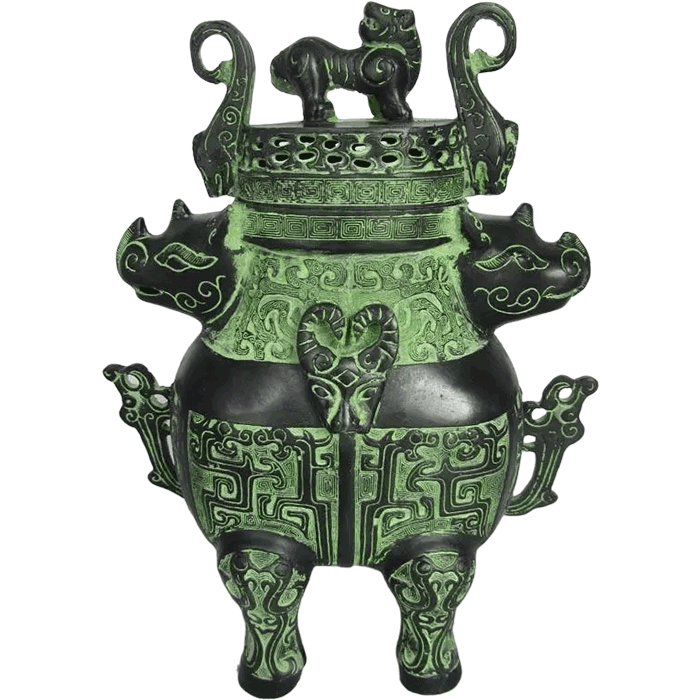
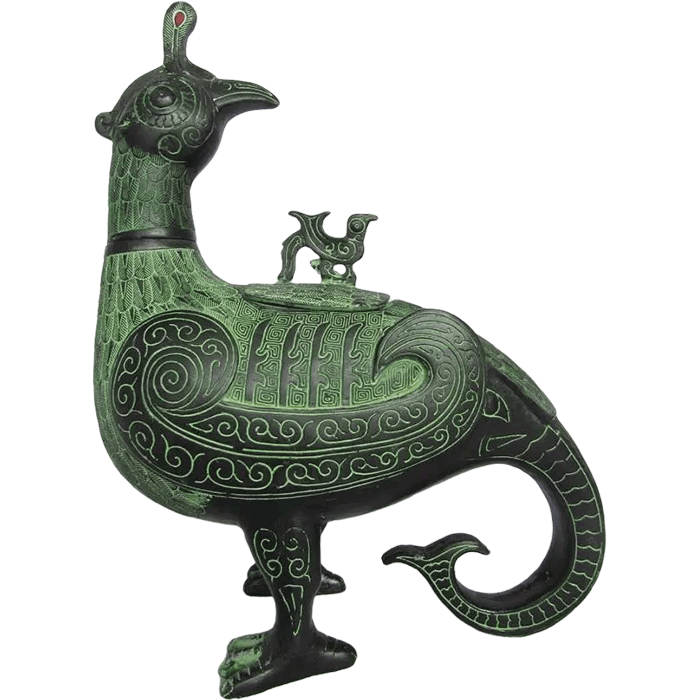
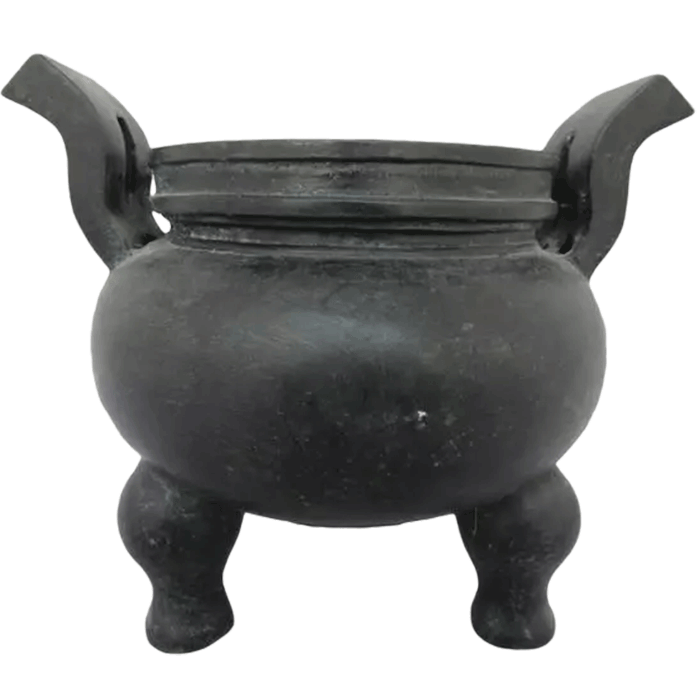
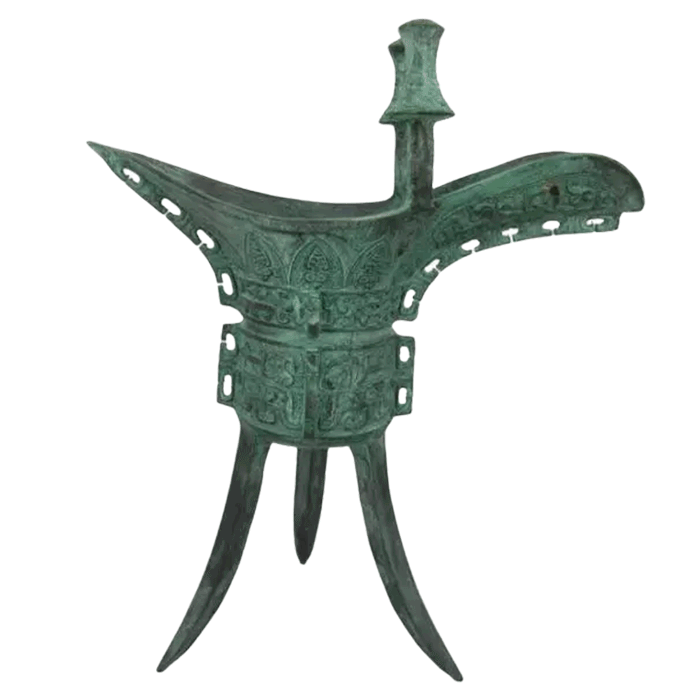
For buyers building a broader collection around traditional forms, Chinese bronze sculpture references can help establish a more consistent product direction across statues, vessels, and decorative artworks.
What to request in a bronze quotation
A useful quote should allow the buyer to compare options without guessing what is included. Instead of requesting only a single unit price, provide the supplier with a concise technical brief and ask for the details that affect cost, delivery planning, and final appearance.
Define the design and dimensions
Specify the desired overall length, diameter, decorative sections, end-cap design, display base, and intended orientation. If the piece is based on a visual reference, provide clear images from multiple angles. For custom work, it is helpful to identify which details are essential and which may be adjusted for casting practicality.
Buyers should also state whether the piece needs to be a one-off display object, a repeatable product model, or part of a larger themed collection. Luoyang Yichuan Bronze Craft Co., Ltd. supports custom production from a single prototype to bulk runs, with bulk order terms evaluated according to size and design complexity.
Confirm the finish standard
Patina is a major value factor in bronze art. An antique-style finish may use darker recesses, warmer highlights, or layered tonal variation. A modern finish may be cleaner, more even, or more polished. To reduce misunderstandings, buyers should provide color references and define whether they expect a matte, satin, highlighted, darkened, or aged appearance.
Exact color matching requires careful review because surface color can appear different under showroom, daylight, and photography lighting. It is useful to approve a finish reference before bulk production whenever the project requires close consistency across multiple pieces.
Ask about production and inspection
For detailed bronze art, buyers should ask how the item will be cast and finished, whether hand chasing is included, what inspection takes place before shipment, and how the product will be protected during transit. Luoyang Yichuan Bronze Craft Co., Ltd. operates under an ISO 9001 quality management system and produces bronze art pieces in Yichuan County, Luoyang, Henan Province, with a production area of 3,000 square meters and more than 30 skilled craftsmen.
The company’s team includes bronze-casting masters and finishing artisans. Products are inspected before shipment, and free replacement is available for casting defects. After-sales support includes patina touch-up and restoration guidance, which can be relevant for buyers managing long-term installations or customer service programs.
For a project that needs a tailored model, buyers can discuss requirements through custom bronze sculpture services and provide drawings, reference images, target dimensions, and finish expectations.
Make the budget decision according to the final application
A bronze staff replica is worth the cost when its material qualities directly support the buyer’s commercial objective. If the project demands permanence, artistic detail, tactile weight, antique or modern patina, customization, and a premium display standard, bronze offers advantages that foam and lower-cost alternatives are not designed to duplicate fully.
If the requirement is temporary, lightweight, highly price-sensitive, or intended only for distant visual impact, a foam, zinc-alloy, or stainless-steel option may be more appropriate. The correct answer is not that bronze is always better. The correct answer is that bronze is better for specific applications where long-term appearance, craftsmanship, and material character carry measurable value.
For quote evaluation, buyers should compare specifications line by line: alloy, casting method, dimensions, decorative detail, finish sample, packing method, inspection process, quantity, and post-sale support. This approach gives budget approvers a clearer basis for deciding whether the higher initial investment is justified by the final product’s role, expected service life, and position in the market.