Recognizing Piece-Mold Casting in Chinese Bronze Sculpture
Recognizing Piece-Mold Casting in Chinese Bronze Sculpture Production
For collectors, decorators, and museum-project buyers, understanding how a bronze piece was actually made is often more revealing than its surface finish. Piece-mold casting is the technique that produced the vast majority of ritual vessels and figures during China's Bronze Age, and recognizing its signature traits can help buyers separate genuine archaic-style reproductions from generic castings. This article explains what piece-mold casting is, how to identify it on a finished object, and why the method still matters when sourcing a Chinese Bronze Sculpture for a serious collection or interior project.
Understanding Piece-Mold Casting: The Foundation of Ancient Bronze Craft
Piece-mold casting, sometimes called section-mold casting, was the dominant bronze-forming method in China from the Shang dynasty through the Warring States period. Instead of carving a single wax model as in lost-wax casting, craftsmen built a clay model of the object, then pressed separate clay sections around it to capture the surface decoration in reverse. Each section was fired, assembled around a clay core, and molten bronze alloy was poured into the resulting cavity. Once the metal cooled, the outer mold sections were broken away to release the casting.
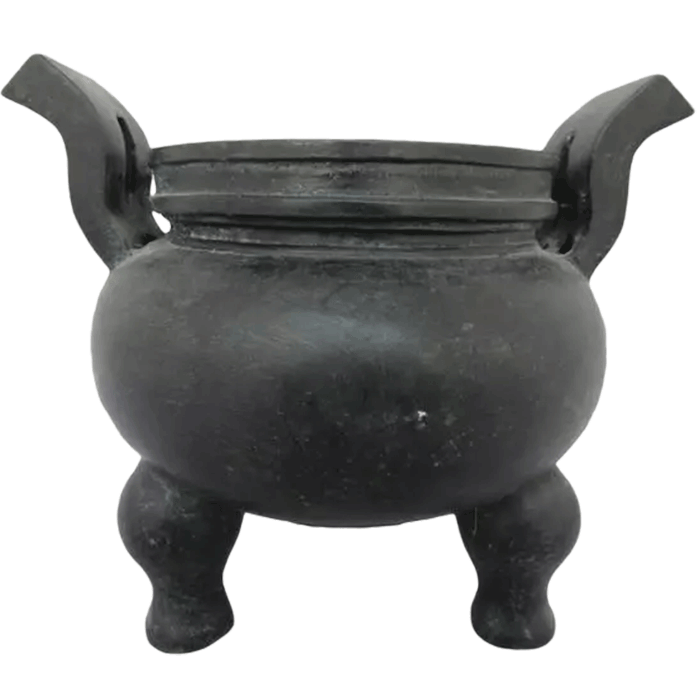
This process demanded extraordinary planning. Complex vessels such as ding tripods or zun wine containers required multiple mold sections joined at precise angles, and any misalignment during assembly would distort the finished pattern. The technical sophistication behind this method is part of what makes early bronze culture such a rich subject for historians; readers interested in the broader timeline can explore the evolution of bronze culture over 2000 years for additional context on how casting methods developed across dynasties.
Why the Method Was Eventually Replaced
Piece-mold casting gradually gave way to lost-wax casting for many decorative and figural works because lost-wax allowed finer undercuts, rounded forms, and one-time-use molds suited to unique sculptural pieces. However, piece-mold casting never disappeared entirely — many workshops still study and replicate its surface characteristics when reproducing museum-grade archaic bronzes, because the visual result differs subtly from a wax-cast surface.
Key Visual Markers That Reveal Piece-Mold Construction
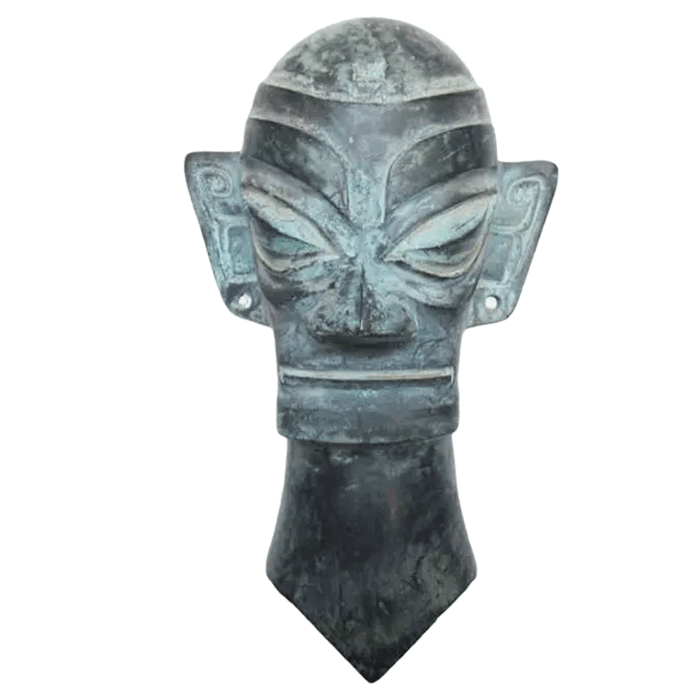
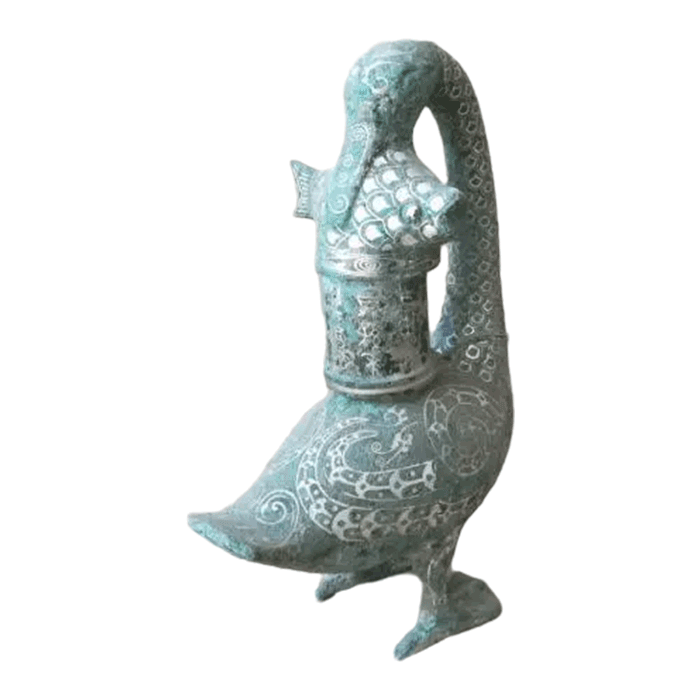
Buyers evaluating an archaic-style Chinese Bronze Sculpture or vessel can look for several physical clues that point to piece-mold origins, whether on an ancient original or a faithful reproduction:
- Mold seam lines: Faint raised or slightly irregular lines running vertically or diagonally across the body, marking where mold sections met.
- Casting flaws at joints: Small pits or thin metal ridges near seams, caused by minor gaps between mold sections during pouring.
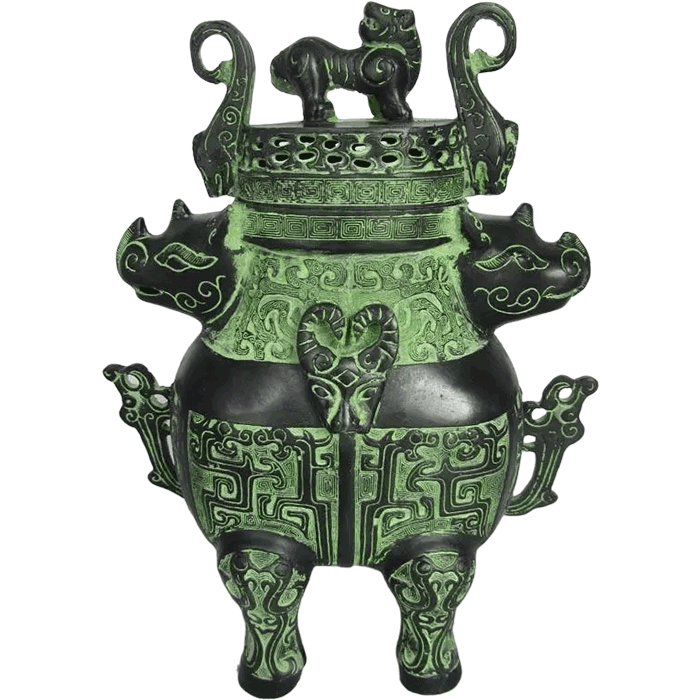
- Segmented decoration: Repeating motifs, such as taotie masks, that appear to be assembled from repeated stamped units rather than one continuous engraved surface.
- Core-support marks: Small square or rectangular depressions on the interior or base, left by the spacers that held the clay core in position during pouring.
These features are well documented on excavated pieces such as the famous Houmuwu vessel; buyers curious about a specific documented example can review the details of the Houmuwu square cauldron, one of the most studied large-scale piece-mold castings in Chinese archaeology.
What These Markers Mean for Reproductions
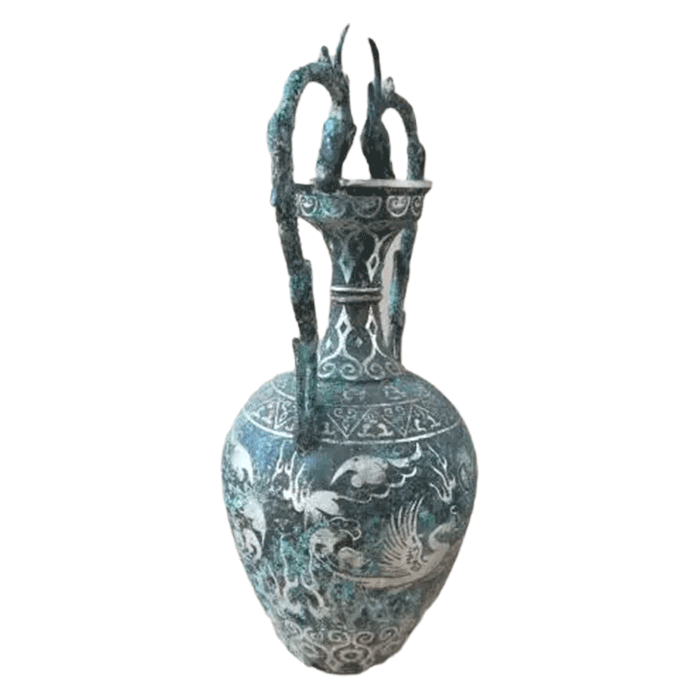
When a workshop deliberately reproduces archaic-style vessels, skilled artisans may recreate these seam and core-mark characteristics by hand to achieve historical accuracy, even if the underlying casting process today uses lost-wax methods for structural strength. This is where craftsmanship knowledge becomes important — a reproduction that ignores these details will look noticeably "too clean" compared to an authentic archaic form.
Piece-Mold Casting vs Lost-Wax Method: Why Buyers Should Know the Difference
Most fine art bronze studios today, including workshops producing modern and antique-style pieces, rely primarily on the lost-wax method because it supports intricate human and animal figures, fine surface texture, and one-off custom commissions without the labor of building multiple mold sections. Lost-wax casting also allows for cleaner internal cavities and more controlled wall thickness, which matters for larger sculptures intended for outdoor or museum display.
That said, buyers researching authenticity or historical accuracy should understand that a genuine ancient piece-mold bronze and a modern lost-wax reproduction can look similar at a glance but differ in subtle surface evidence, as described above. For readers who want a deeper technical comparison of metal composition as well, the article on the difference between bronze and brass is a useful companion resource, since alloy composition also affects how a casting ages and how patina develops over time.
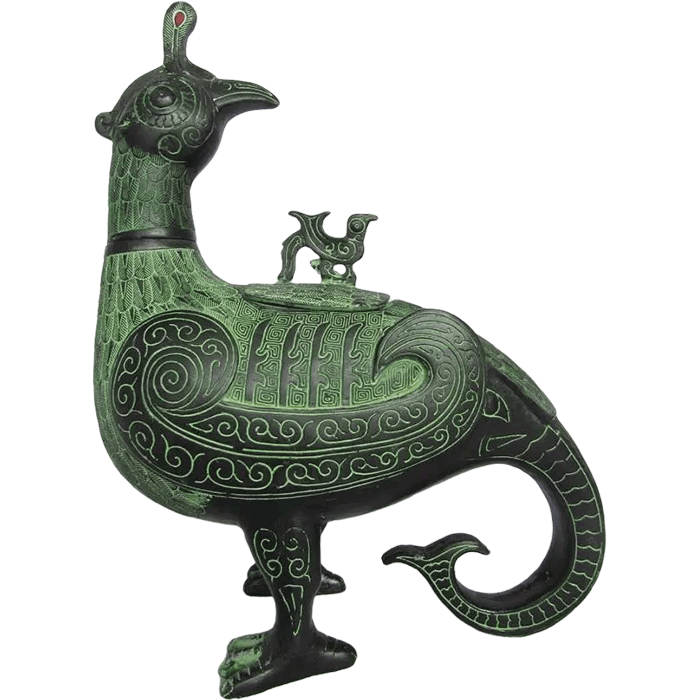
Buyers sourcing decorative or ceremonial pieces can browse a wider range of styles through Chinese bronze handicrafts to compare how different casting and finishing approaches are applied across vessels, mirrors, and figural sculpture.
How Luoyang Yichuan Bronze Craft Applies Traditional Techniques to Modern Custom Orders
Luoyang Yichuan Bronze Craft Co., Ltd. is based in Yichuan County, Luoyang, Henan Province — a region historically associated with early Chinese bronze culture — and operates a 3,000-square-meter production facility staffed by more than 30 skilled craftsmen, including bronze-casting masters and finishing artisans. The company is ISO 9001 certified, and products are made to comply with export quality inspection standards for art crafts, which is particularly relevant for museum-project buyers who require documented quality assurance before shipment.
Production centers on premium bronze alloy (Cu-Sn) cast using the traditional lost-wax method, followed by hand chasing, polishing, and patina finishing in either antique or modern looks. While the workshop's core casting process is lost-wax rather than piece-mold, the same attention to surface authenticity described earlier — accurate motif detailing, believable aging, and consistent patina color matching — is applied when clients request replicas of archaic ding, zun, or hu vessels. This approach helps solve a common sourcing pain point: achieving exact visual replication of antique bronzes without the buyer needing to manage multiple factories or inconsistent finishing quality.
The company supports everything from a single custom prototype to bulk production runs, with an annual output exceeding 50,000 bronze art pieces. Minimum order quantity starts at just one piece for custom sculptures, while bulk orders are negotiated based on size and design complexity — a structure that suits both individual collectors commissioning one statue and decorators or museum programs needing consistent multiples. Clients working on historical exhibition pieces or interior design programs can review the process for how to customize a bronze sculpture before submitting reference images or dimensions.
Quality Control and After-Sales Support
Every order undergoes quality inspection before shipment, and the company provides free replacement for casting defects. This matters especially for buyers ordering fragile sculptures or large ceremonial vessels, since export-compliant protective packaging is used to reduce transit damage risk. After-sales support also extends to patina touch-ups and restoration guidance, which is valuable for collectors maintaining pieces in outdoor or high-humidity environments over the years.
Sourcing Guidance for Collectors, Decorators, and Museum Projects
When evaluating a supplier for an archaic-style or custom bronze commission, buyers should ask specific, technical questions rather than relying on general marketing claims:
- Ask whether the workshop can explain the casting method used for a specific piece and why it was chosen over alternatives.
- Request close-up photos of surface detail, base marks, and interior finishing before ordering in volume.
- Clarify alloy composition (Cu-Sn ratio) since this affects weight, sound, and long-term patina behavior.
- Confirm inspection procedures and defect-replacement policy in writing before production begins.
- Discuss packaging methods for fragile or oversized pieces destined for international shipping.
Buyers interested in figural rather than vessel-form work can also explore bronze statues with different themes, ranging from historical figures to religious statuary, where finishing quality and proportion accuracy matter just as much as casting technique.
Understanding piece-mold casting is not simply an academic exercise — it gives buyers a vocabulary for discussing authenticity, surface quality, and craftsmanship expectations with any bronze workshop. Whether sourcing a single collector's item or a multi-piece museum installation, a Chinese Bronze Sculpture built with informed attention to these historical casting principles is more likely to meet both aesthetic and long-term conservation expectations. Companies that combine modern certified production standards with genuine respect for traditional surface detailing, such as accurate mold-seam replication and correct patina tone, offer buyers a more reliable path from initial inquiry to finished installation.
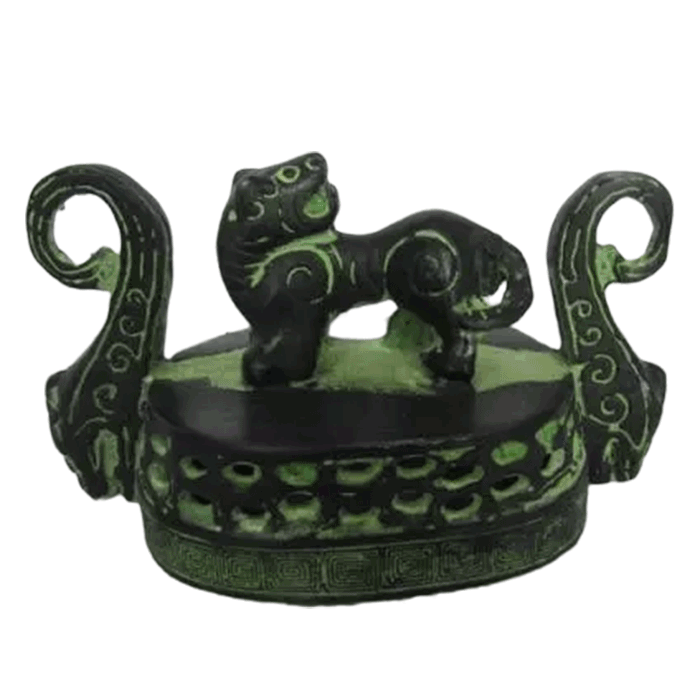
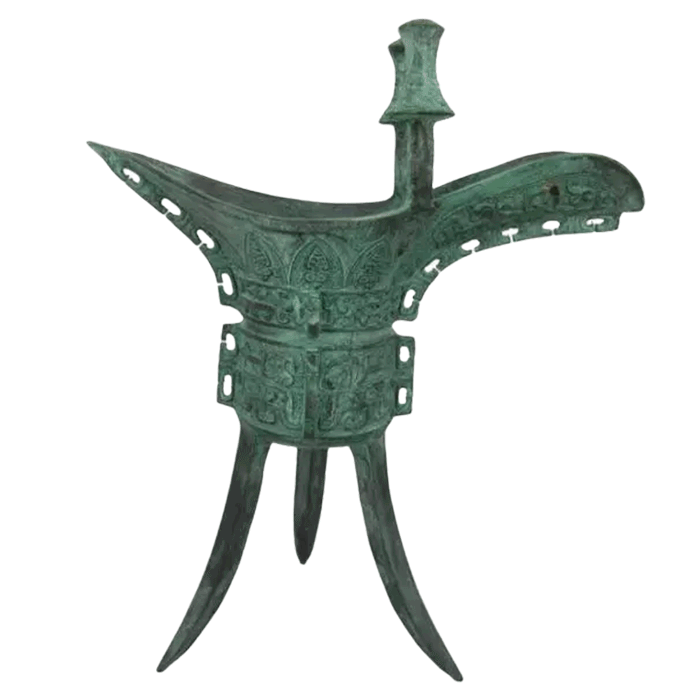
For further background on specific historical vessel types and how their forms evolved alongside casting methods, buyers can also review introduction to several bronze wares, which offers useful reference points when comparing quotations or design proposals from different workshops.