Pure Silver Teapot Handmade: MOQ & Sample FAQs
Pure Silver Teapot Handmade Orders Explained for B2B Buyers Sourcing MOQ and Samples
Buyers researching a Pure Silver Teapot Handmade supplier often arrive with the same set of practical questions: How many pieces must I order to start? Can I get a sample before committing to a bulk run? How long does customization take, and what happens if the finish doesn't match my brand's requirements? This article addresses those questions directly, drawing on the production practices used for fine metal craftsmanship at Luoyang Yichuan Bronze Craft Co., Ltd., a manufacturer with over 30 years of combined craftsman experience in bronze and precious metal art casting.
While our core specialty lies in bronze sculptures, ritual vessels, mirrors, and Buddhist statues, the same workshop disciplines — lost-wax casting, hand chasing, and finish control — apply directly to handcrafted silver teaware production. Buyers evaluating suppliers for silver teapots should ask the same sourcing questions they would for any custom metal art piece, and this guide walks through them systematically.
Understanding MOQ for Custom Silver Teapot Orders
Minimum order quantity is usually the first concern for procurement teams, especially when testing a new product line or a new supplier relationship. For custom sculptural and metal art pieces, our facility supports orders starting from a single prototype unit. This approach exists because hand-cast and hand-finished items — including a Pure Silver Teapot Handmade to a client's exact specification — require tooling, mold work, and finishing time regardless of order size, so starting small lets buyers validate quality before scaling.
Why Low MOQ Matters for First-Time Buyers
A low starting quantity reduces risk for importers, gallery owners, and hospitality brands who need to confirm craftsmanship, weight tolerance, and finish consistency before placing a bulk purchase order. Once the first piece is approved, bulk pricing and production timelines are negotiated based on design complexity, wall thickness, decorative chasing, and any inlay or gilding work requested.
Bulk Order Considerations
For buyers ready to scale beyond a single sample, quantities are planned around craftsman capacity. Our production area accommodates over 30 skilled artisans working across casting, chasing, polishing, and patina stages, which allows staggered bulk runs without compromising hand-finishing quality. Larger orders typically require more lead time for mold preparation and multi-stage hand polishing, so buyers should share target quantities early in the inquiry process to get an accurate schedule.
Sample Policy: What to Expect Before Bulk Production
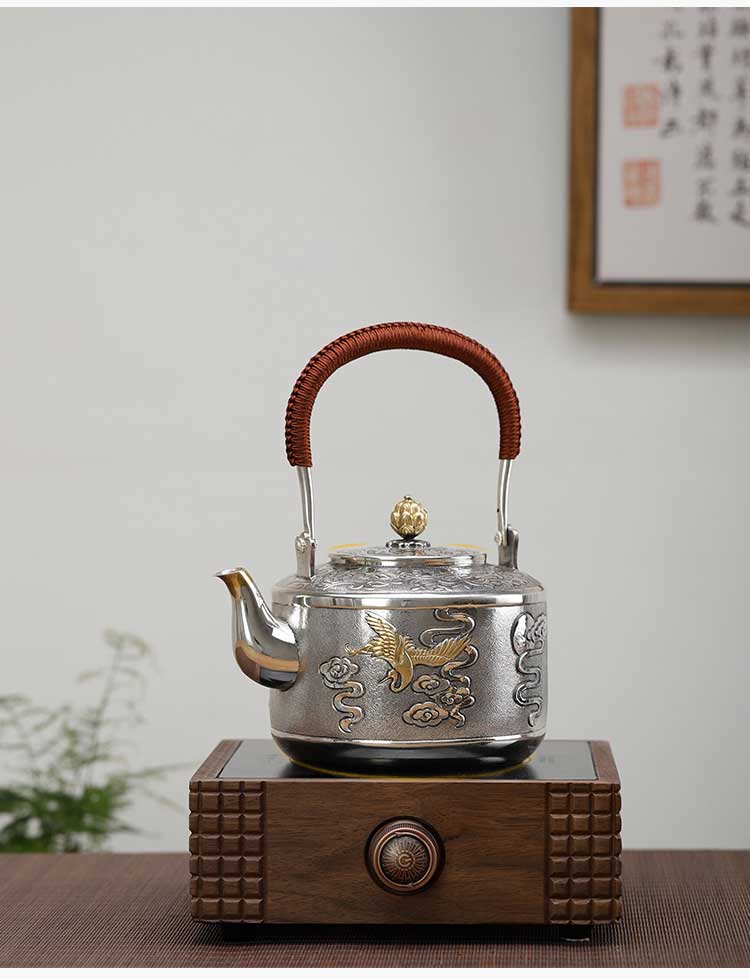
Requesting a sample is a standard and encouraged step before committing to a full production run. Samples allow buyers to physically inspect wall thickness, surface texture, handle and spout joinery, and any engraved or repoussé detailing.
Sample Costs and Lead Time
Because each sample involves genuine hand-casting and finishing labor — not a machine-stamped shortcut — sample units are typically produced at cost, with pricing dependent on the complexity of the design and the silver purity requested. Turnaround time varies with design intricacy; simpler forms move faster through the casting and polishing stages, while pieces with dense relief patterns or multiple assembled components take longer to finish by hand.
What Sample Approval Covers
During sample review, buyers should evaluate:
- Surface finish — whether the patina or polish matches the agreed reference image
- Structural integrity — lid fit, handle strength, spout pour angle
- Weight and gauge consistency against the quoted specification
- Engraving or chasing sharpness compared to the approved design
Only after sample sign-off does the order move into bulk production planning, which protects both parties from costly rework later in the process.
Customization Feasibility for Handmade Silver Teapots
One of the more common questions from B2B buyers is whether a supplier can replicate an antique reference piece or execute an entirely original design. This is where traditional lost-wax casting proves valuable — it supports intricate relief work, custom handle shapes, and precise reproduction of historical patterns that stamped or machine-spun alternatives cannot achieve.
Design Reproduction and Pattern Matching
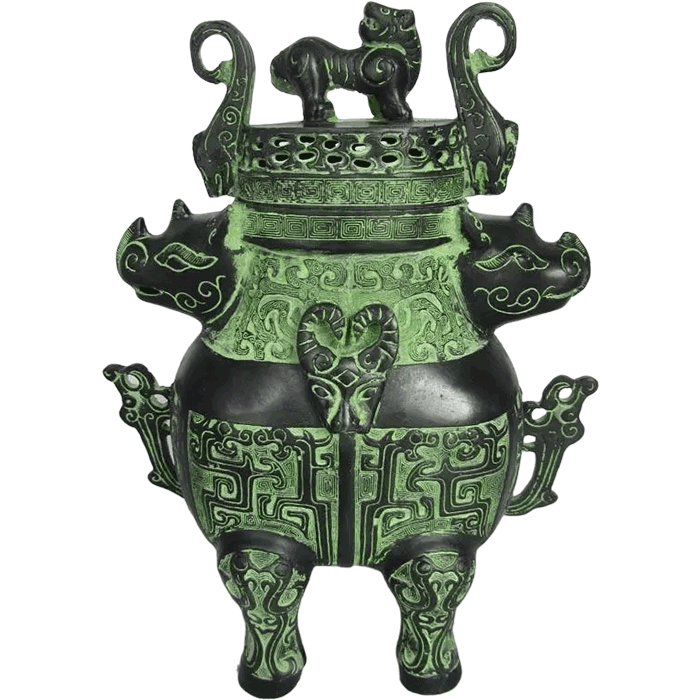
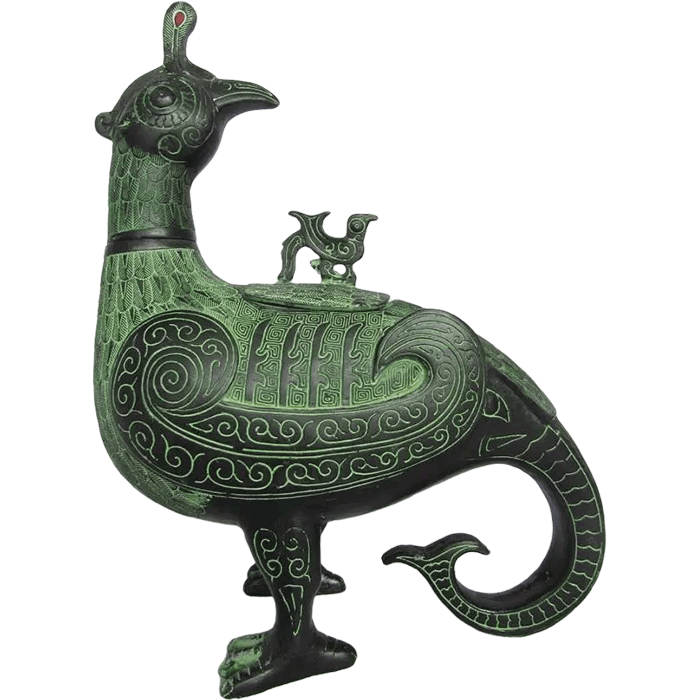
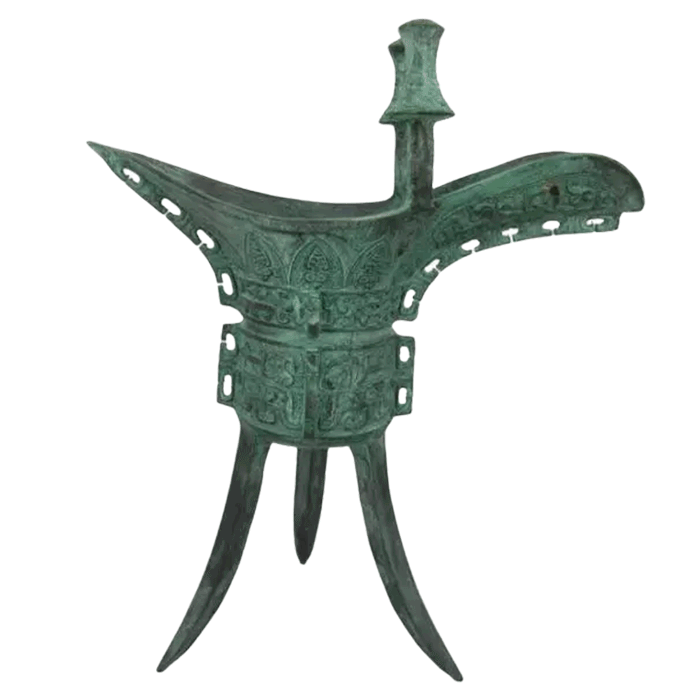
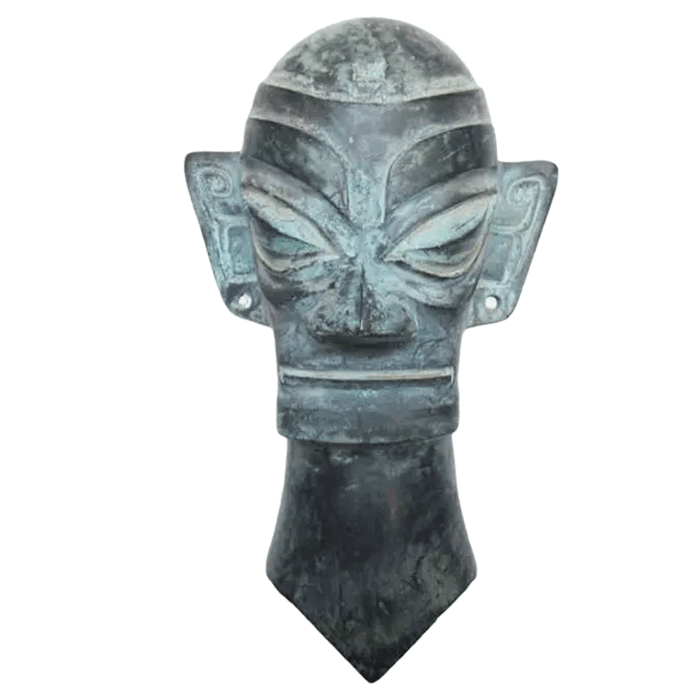
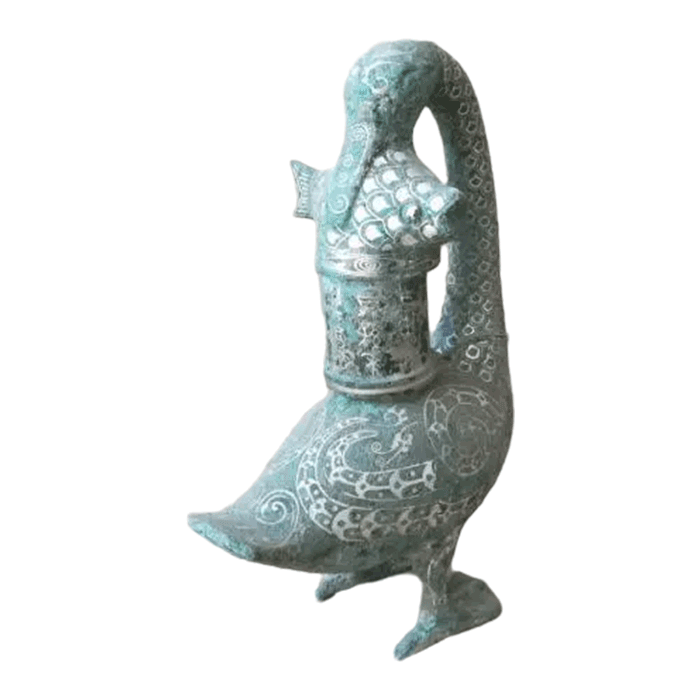
For buyers sourcing pieces inspired by classical forms, our team frequently references historical bronze vessel design, since many decorative motifs — key-fret borders, taotie masks, cloud-and-thunder patterns — originated in ancient bronze casting traditions. Readers interested in this design lineage can review our article on the evolution of bronze culture over 2000 years for historical context that often informs custom teapot ornamentation.
Finish Options: Antique vs. Modern
Buyers can choose between an aged, antique-style patina finish or a bright, contemporary polished look. Achieving consistent patina color across a full production batch is one of the more technically demanding aspects of metal art manufacturing, since oxidation and chemical treatment must be controlled carefully to avoid uneven tone between pieces. Our finishing artisans apply patina in controlled stages specifically to maintain batch-to-batch color consistency, which is a common pain point buyers report when working with less experienced workshops.
Custom Branding and Engraving
Many hospitality and gift-sector buyers request personalized engraving — logos, commemorative text, or client-specific motifs. This work is planned during the mold and wax-model stage so the final chasing process integrates the branding element cleanly rather than adding it as an afterthought. Buyers who want a fully bespoke commission, from concept sketch to finished piece, can review the process outline on our page to customize a bronze sculpture from sculpmart.com, which describes the same design-to-production workflow used across our metal art categories, including silver teaware.
Quality Assurance, Packaging, and After-Sales Support
Export buyers care deeply about what happens between final inspection and the item's arrival on the receiving dock. Fragile metal art pieces face real risk during international shipping, so packaging and quality checks are treated as core parts of the production process rather than an afterthought.
Pre-Shipment Inspection
Every order undergoes quality inspection before shipment, in line with our ISO 9001 quality management certification and export standards applicable to art craft products. This inspection checks for casting defects, surface flaws, weight accuracy, and finish consistency against the approved sample.
Export-Compliant Packaging
Because handmade metal vessels are prone to dents and surface scratches in transit, packaging is designed specifically for fragile art pieces — cushioned inner packing, rigid outer cartons, and moisture protection appropriate for long-distance freight. This is particularly important for thin-walled teapot bodies and delicate spouts or handles that could be damaged by rough handling.
After-Sales Support and Replacement Policy
If a casting defect is identified after delivery, free replacement is provided in line with our quality policy. Beyond replacement coverage, after-sales support also includes guidance on patina touch-ups and general restoration advice, which is useful for buyers managing display pieces in retail or hospitality environments where surface wear naturally occurs over time.
How Handmade Silver Teapots Fit Within a Broader Bronze and Metal Art Catalog
Buyers sourcing silver teapots are frequently also purchasing complementary metal art pieces — bronze incense burners, decorative vessels, or sculptural accent pieces for the same retail or hospitality project. Our catalog spans chinese bronze sculpture and hand-finished silverware alike, produced under the same craftsmanship standards. For buyers wanting to explore related handcrafted silver items beyond teapots, our dedicated section on handmade silver covers additional product types produced with the same lost-wax and hand-finishing techniques.
Combining Orders for Efficiency
Buyers planning a mixed shipment — for example, silver teapots alongside bronze decorative pieces for a themed retail collection — can often consolidate quality inspection and shipping logistics into a single coordinated order. This reduces per-shipment freight costs and simplifies customs documentation, particularly useful for smaller importers managing tight budgets during initial market entry.
Getting an Accurate Quote
To receive an accurate quote for a Pure Silver Teapot Handmade order, buyers should prepare the following before reaching out:
- Reference images or sketches of the desired design
- Target quantity for both sample and bulk phases
- Preferred finish — antique patina or modern polish
- Any engraving, branding, or inlay requirements
- Destination country for shipping and packaging planning
Providing this information upfront typically shortens the quotation cycle and allows our team to give a realistic production timeline rather than a generic estimate.
Final Considerations Before Placing an Order
Sourcing handcrafted silver teaware from an export-oriented workshop involves more coordination than ordering standardized manufactured goods, but the payoff is a product with genuine artisan detail — hand-chased patterns, controlled patina finishing, and construction quality verified through pre-shipment inspection. Starting with a single sample, confirming finish and structural quality, then scaling into a negotiated bulk order remains the most reliable path for B2B buyers new to this category. Reviewing our broader craftsmanship history, including pieces discussed in introduction to several bronze wares, can also help buyers better articulate the design language they want reflected in a custom silver commission.