Pricing Ancient Chinese Bronze Reproductions by Finish and Size
How Finish and Size Shape the Cost of Ancient Chinese Bronze Reproductions
Wholesale buyers building an import budget for replica vessels, figures, or bronze décor often find that quotes from different foundries vary far more than expected — sometimes by two or three times for what looks like "the same" piece. The reason usually comes down to two variables that buyers underestimate: finish and size. Understanding how these factors drive cost allows procurement teams to compare supplier quotes on equal footing rather than assuming the lowest number is automatically the best value.
This guide breaks down the pricing logic behind Ancient Chinese Bronze Reproductions, so you can request quotes that are genuinely comparable and avoid surprises once samples or bulk shipments arrive.
What Determines the Cost of a Bronze Reproduction
Before comparing per-piece prices, it helps to understand the cost drivers foundries actually calculate against. Three factors dominate: raw material volume, labor hours for finishing, and mold or prototype complexity.
Size and Weight of the Casting
Bronze is priced by weight, and a Cu-Sn alloy casting scales in material cost almost linearly with volume. A desktop-sized incense burner and a life-size figure may share the same design intent, but the larger piece consumes many times more alloy, requires a heavier wax mold in lost-wax casting, and takes longer to cool and clean evenly. Freight weight also rises accordingly, which matters when you are calculating landed cost rather than ex-works price alone.
Finish Complexity: Patina, Polishing, and Hand Chasing
Finish is where quotes diverge the most, and where buyers should scrutinize line items closely. A basic polished surface takes far less labor than a layered antique patina designed to replicate the color variation found on excavated bronzes. Hand chasing — the manual refinement of surface detail after casting — adds hours of skilled labor per piece, and matching a specific historic patina tone consistently across a bulk order requires experienced finishing artisans rather than a single generic chemical bath.
Pricing by Finish Type
Buyers evaluating catalogs of chinese bronze handicrafts will typically see finish options grouped into a few tiers. Knowing what separates them helps you avoid paying antique-finish rates for a modern-look piece, or the reverse.
Antique Patina Finishes
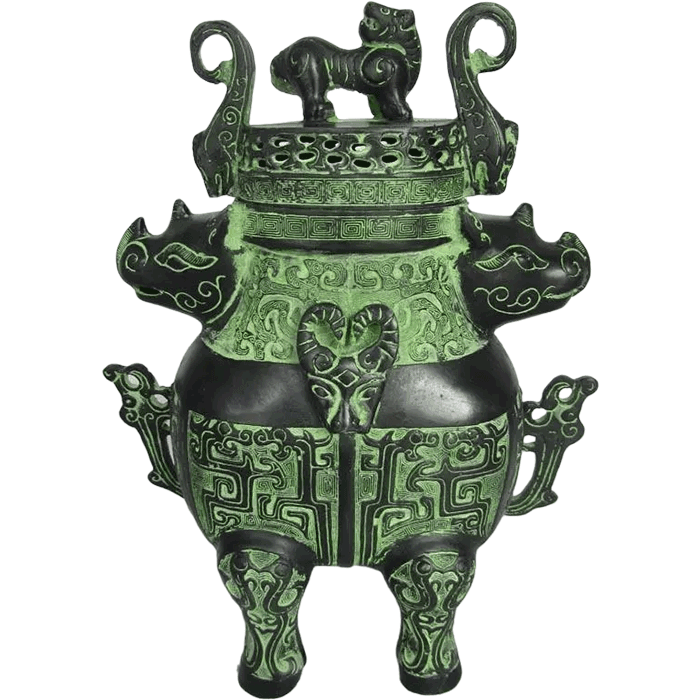
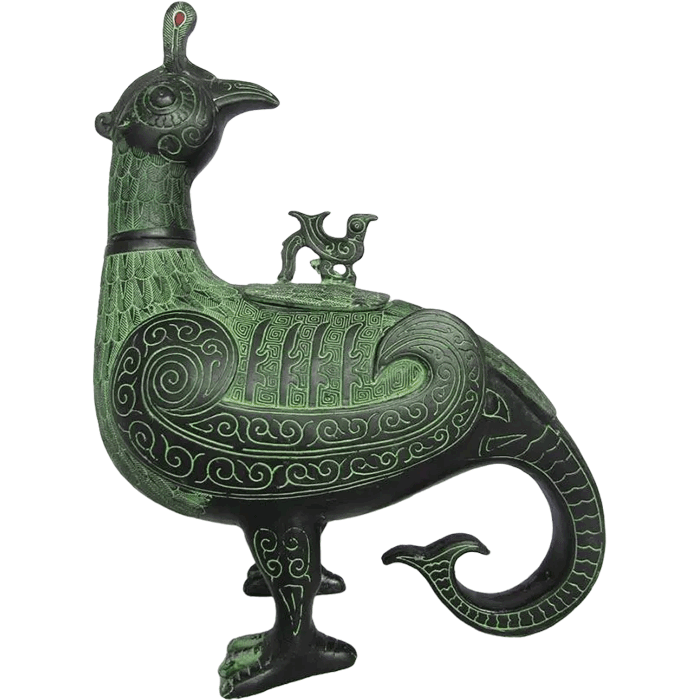
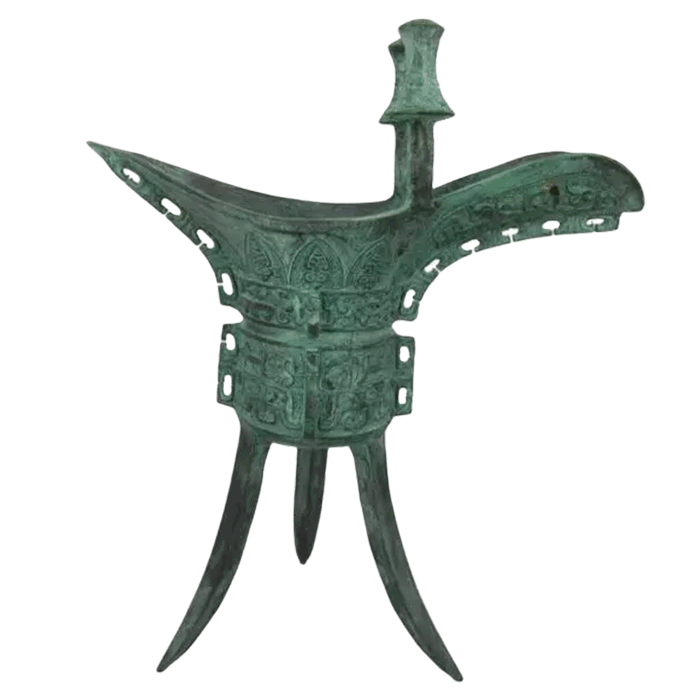
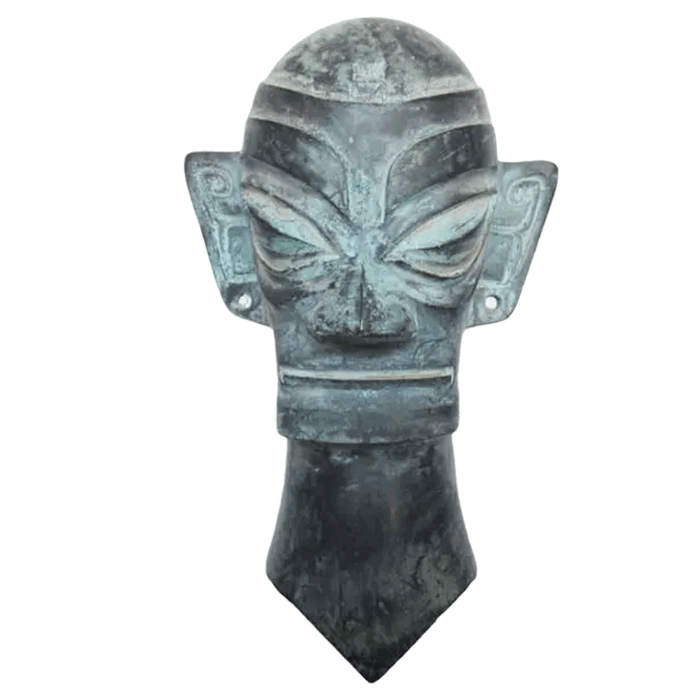
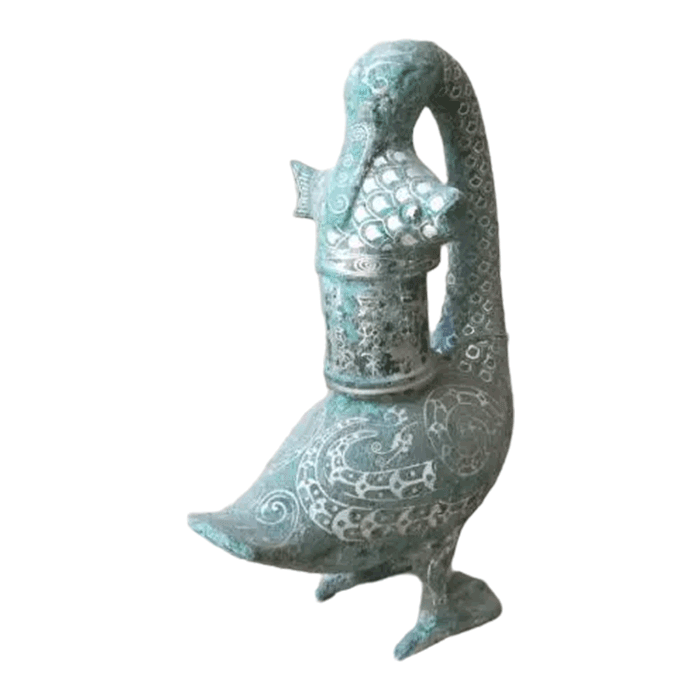
Antique finishes aim to reproduce the green, brown, or mottled surface tones associated with centuries-old excavated bronzes. This is the most labor-intensive category because it involves multiple chemical and hand-applied layers, careful control of oxidation patterns, and often a final wax or lacquer seal to protect the color. For buyers sourcing exact replicas of museum-referenced pieces, this finish tier commands the highest per-kilogram price, but it is also the category where color-matching consistency across an order separates a reliable foundry from an inconsistent one.
Modern Polished and Mixed Finishes
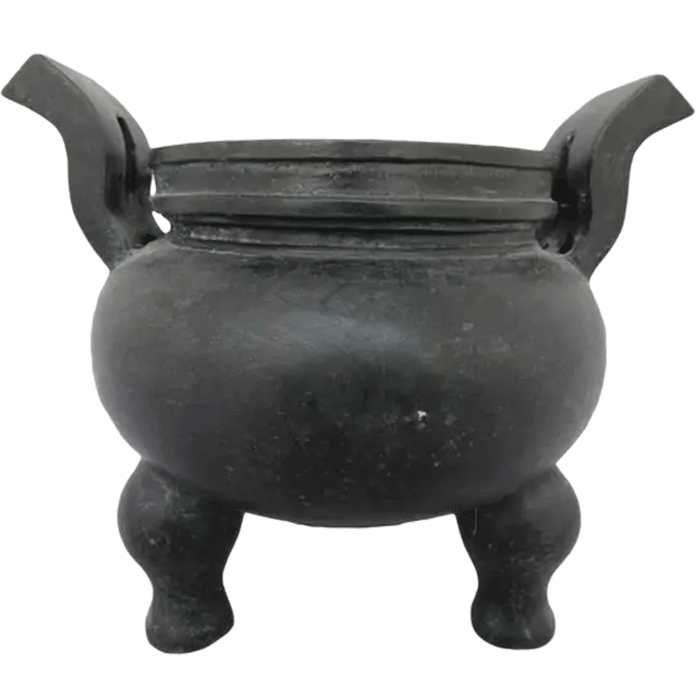
A polished or lightly toned modern finish costs less because it skips the multi-stage patina process. Many décor buyers choose this option for contemporary vessels or contract projects where the antique look isn't required. Mixed finishes — polished bronze with selective antique accents — sit in the middle price band and are common for incense burners and smaller decorative vessels.
Pricing by Size Category
Size categories give buyers a practical framework for budgeting across a mixed product line, whether you're sourcing bronze statues with different themes or vessel sets for a retail collection.
Small Desktop Pieces
Items such as bronze mirrors, small incense burners, and tabletop figures under roughly 30 cm generally carry the lowest unit price and the shortest casting cycle. These are also the easiest category for testing a new supplier, since Luoyang Yichuan Bronze Craft Co., Ltd. accepts custom orders from a single prototype piece — useful for sampling finish quality before committing to a bulk run.
Mid-Size Vessels and Statues
Ding, zun, and hu-style vessels in the 40–80 cm range, along with mid-size human or animal statues, represent the bulk of wholesale décor orders. Pricing here reflects both increased alloy weight and the added chasing work needed to preserve fine surface detail at a larger scale. Buyers sourcing chinese bronze antique pieces in this range should request weight specifications alongside price, since two vessels of similar height can differ in wall thickness and therefore in both weight and durability.
Large-Scale Sculptures and Installations
Life-size or larger commissions — including custom Buddhist statues or monumental figures — require the most casting time, multiple mold sections, and often on-site or crated assembly. This is also where MOQ flexibility matters most: because these are typically one-off or small-batch commissions, foundries that can support an MOQ from a single custom piece give buyers room to commission a large sculpture without being forced into an unnecessary multi-unit order.
Building an Accurate Import Budget
Once you understand how finish and size affect per-piece cost, the next step is making sure every quote you compare accounts for the same variables.
Requesting Quotes That Compare Fairly
Ask suppliers to break down price by alloy weight, finish type, and labor hours rather than providing a single bundled number. This makes it possible to line up two quotes for what is nominally "the same statue" and see where the actual cost difference comes from — often it's finish grade, not casting quality. It's also worth asking how quality is verified before shipment; a foundry that performs inspection on every order and offers replacement for casting defects is signaling confidence in its own process, which is a meaningful data point when comparing otherwise similar prices.
Factoring in Packaging and Compliance
Bronze reproductions, especially antique-finish pieces with delicate patina layers, are vulnerable to surface damage and impact during transit. Export-compliant protective packaging adds a small cost per unit but prevents far larger losses from damaged patina or chipped detail on arrival. Buyers should also confirm that the manufacturer's quality system — such as ISO 9001 certification — extends to packaging and pre-shipment inspection, not just casting.
Production capacity also affects how a supplier can plan your order. A workshop producing over 50,000 bronze art pieces annually across a dedicated production facility, with more than 30 skilled craftsmen including casting masters and finishing artisans, is generally better positioned to hold consistent finish quality across a bulk run than a small workshop juggling one-off jobs. If your project mixes vessel types — say, a set of bronze decorations alongside custom figures — that combined casting and finishing capacity becomes especially relevant for keeping delivery timelines aligned.
Matching Reproduction Accuracy to Reference Pieces
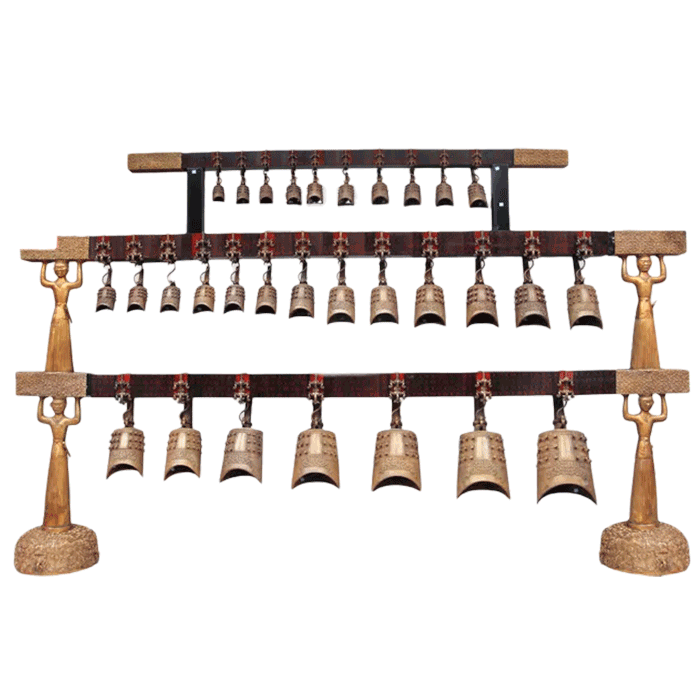
For buyers replicating specific historic vessels or figures, accuracy against the original reference matters as much as finish quality. Studying documented examples — from ritual vessels to musical instruments — helps set realistic expectations for what a faithful reproduction should include in terms of surface texture, proportion, and inscription detail. Reviewing background on the the evolution of bronze culture over 2000 years can also help buyers brief their design requirements more precisely when requesting a custom quote, since foundries can price replication accuracy more accurately when they know exactly which period or vessel type you're referencing.
Final Considerations Before Placing a Bulk Order
Price comparisons for bronze reproductions only make sense when buyers control for finish tier, size, and alloy quality across every quote. A low unit price paired with a thin polished finish is not directly comparable to a higher-priced antique patina piece with layered hand chasing — the labor and material inputs are simply different. Before finalizing a bulk order, it's worth requesting a single custom prototype first, since low MOQ flexibility lets you verify casting quality, patina consistency, and packaging standards on a small scale before committing budget to a full production run. For buyers who want to explore design options directly with a foundry team, it's possible to customize a bronze sculpture from sculpmart.com and get a size- and finish-specific quote rather than relying on generic catalog pricing.
Ultimately, transparent, itemized quotes — broken down by weight, finish, and labor — are the clearest way to protect your budget when sourcing Ancient Chinese Bronze Reproductions for wholesale import, and they make supplier comparison far more reliable than price alone.