Preventing Porosity in Lost Wax Bronze Castings
Ensuring Flawless Art: Preventing Porosity in Lost Wax Bronze Castings
For collectors, artists, and commissioners of fine bronze art, the integrity and longevity of each piece are paramount. Among the various challenges in bronze casting, porosity stands out as a critical defect that can compromise both aesthetic appeal and structural soundness. Porosity refers to the presence of small holes or voids within the metal, which can manifest as tiny surface pits or unseen internal flaws. These imperfections not only detract from the sculpture's appearance but can also weaken the material, affecting its durability and ability to hold intricate details or consistent patinas. At Luoyang Yichuan Bronze Craft Co., Ltd., we understand that preventing porosity is fundamental to delivering the exceptional quality expected in Chinese bronze sculpture and custom bronze artworks.
Our commitment to excellence is deeply embedded in our processes. We operate under an ISO 9001 quality management system, ensuring that every stage of production, from material selection to final inspection, adheres to the highest international standards. This rigorous approach is particularly vital in the traditional lost-wax casting method, where meticulous control is essential to produce flawless bronze pieces. This article delves into the nature of porosity in bronze castings, outlines the proactive measures taken to prevent it, and highlights why partnering with a proven expert is crucial for obtaining art pieces of unparalleled quality.
Understanding Porosity in Bronze Castings
Porosity in bronze castings can arise from several sources, each requiring specific preventative strategies. Broadly, these defects are categorized into gas porosity and shrinkage porosity.
Gas Porosity: This occurs when gases, dissolved in the molten metal, fail to escape during solidification and become trapped within the casting. Common sources of these gases include:
- Hydrogen Absorption: Molten bronze can absorb hydrogen from moisture in the air, refractories, or mold materials. As the metal cools and solidifies, its solubility for hydrogen decreases, leading to the formation of hydrogen gas bubbles.
- Air Entrapment: Turbulent pouring of molten metal can trap air within the mold cavity.
- Mold Gases: Organic binders or coatings in the ceramic shell mold can decompose at high temperatures, releasing gases that become trapped in the solidifying metal.
Gas porosity often appears as small, spherical holes, sometimes visible on the surface or just beneath it, which can be particularly detrimental to the smooth finish and consistent patina of a bronze sculpture. These defects are not merely cosmetic; they can reduce the strength and ductility of the bronze, especially in areas subjected to stress.
Shrinkage Porosity: This type of porosity results from the natural contraction of metal as it cools from its molten state to a solid. If areas of the casting solidify too quickly or if there is insufficient molten metal to feed the shrinking sections, voids can form. These voids are typically irregular in shape and often occur in thicker sections or at junctions where hot spots develop.
- Hot Spots: Areas that remain molten longer than surrounding sections can draw liquid metal away, creating voids as they eventually solidify.
- Inadequate Feeding: If risers (reservoirs of molten metal) are improperly designed or positioned, they may not effectively supply molten metal to compensate for shrinkage in critical areas of the casting.
Shrinkage porosity can be insidious, often hidden beneath the surface, only to be discovered during machining or when structural integrity becomes an issue. For intricate bronze statues with different themes or detailed vessels, such internal flaws can compromise the entire artwork.
The Lost-Wax Method: Precision and Challenges
The traditional lost-wax casting method, also known as cire-perdue, is revered for its ability to capture intricate details and produce highly accurate reproductions of original models. This multi-step process, which Luoyang Yichuan Bronze Craft Co., Ltd. has perfected over years, involves creating a wax model, encasing it in a ceramic shell, melting out the wax, and then pouring molten bronze into the empty cavity. While offering unparalleled artistic freedom, this complexity also introduces numerous points where porosity can occur if not rigorously controlled.
The journey begins with creating a master mold, often from clay or a 3D print, from which a silicone rubber mold is made. This rubber mold is then used to produce a hollow wax replica of the final sculpture. Sprues and vents are carefully attached to the wax model to create pathways for the molten bronze to flow and for gases to escape. This "tree" of wax is then dipped repeatedly into a ceramic slurry and sand to build up a robust ceramic shell. Once the shell is dried and fired, the wax melts out, leaving a perfect ceramic negative of the original wax model.
The critical stages where porosity can be introduced are during the ceramic shell creation and, most significantly, during the melting and pouring of the bronze. Inconsistent shell thickness, trapped air bubbles in the slurry, or incomplete wax removal can all contribute to potential flaws. However, the most challenging aspects lie in managing the metallurgy and hydrodynamics of the molten bronze. Ensuring a clean melt, precise temperature control, and a smooth, controlled pour are paramount to preventing both gas and shrinkage porosity, guaranteeing the structural integrity of the final custom bronze artworks.
Advanced Strategies for Porosity Prevention in Lost Wax Bronze Castings
Preventing porosity in Lost Wax Bronze Castings requires a multi-faceted approach, combining deep metallurgical knowledge with meticulous process control. Luoyang Yichuan Bronze Craft Co., Ltd. employs a comprehensive strategy to minimize and eliminate these defects:
1. Premium Material Selection and Preparation
- High-Quality Bronze Alloy (Cu-Sn): We exclusively use premium bronze alloy (Cu-Sn), chosen for its excellent casting properties and aesthetic qualities. The precise composition of copper and tin is crucial for managing fluidity and shrinkage characteristics.
- Controlled Melting: Our bronze is melted in induction furnaces under controlled atmospheric conditions to minimize gas absorption. De-gassing agents, such as phosphorus-copper, are often added to the molten metal to remove dissolved gases before pouring, significantly reducing the risk of gas porosity.
2. Expert Mold Design and Preparation
- Optimized Gating and Venting Systems: Our bronze-casting masters meticulously design the gating system (channels through which molten metal enters the mold) and venting system (pathways for gases to escape). This ensures a smooth, non-turbulent flow of metal, preventing air entrapment, and allows all gases to evacuate efficiently.
- Ceramic Shell Integrity: The creation of the ceramic shell is a critical step. We ensure uniform shell thickness and apply specialized coatings to the wax model to create a smooth, gas-impermeable surface. Proper firing of the shell eliminates residual moisture and strengthens it to withstand the thermal shock of molten bronze.
3. Precise Pouring and Solidification Control
- Temperature Management: Maintaining the optimal pouring temperature is vital. Overheating can increase gas absorption, while pouring too cold can lead to incomplete filling or cold shuts. Our skilled artisans monitor and control the molten bronze temperature precisely.
- Controlled Pouring Speed: The molten bronze is poured at a controlled rate to ensure complete mold filling without turbulence, which could trap air.
- Strategic Risers and Chills: To combat shrinkage porosity, risers are strategically placed to feed molten metal to critical areas as the casting solidifies. Chills (metal inserts) may also be used to accelerate cooling in specific sections, promoting directional solidification towards the risers.
4. Environmental Control
- Humidity Control: Our production area of 3,000 square meters in Yichuan County, Luoyang, is designed to control environmental factors such as humidity, which can contribute to hydrogen absorption in molten metal or moisture in mold materials.
With over 30 skilled craftsmen, including bronze-casting masters and finishing artisans, we combine traditional wisdom with modern metallurgical understanding to proactively prevent defects. Our team's expertise ensures that each stage of the lost-wax method is executed with precision, resulting in bronze art pieces that are structurally sound and visually perfect.
Quality Assurance and After-Sales Support for Bronze Artworks
Even with the most stringent preventative measures, a comprehensive quality assurance process is indispensable. At Luoyang Yichuan Bronze Craft Co., Ltd., our commitment to flawless bronze art extends well beyond the casting process. Each piece undergoes rigorous inspection to ensure it meets our high standards and complies with export quality inspection standards for art crafts.
Thorough Inspection Protocols:
- Visual Inspection: Our finishing artisans meticulously examine every surface for visible signs of porosity, such as pinholes, pits, or depressions. This initial check is crucial for identifying surface-level defects that could impact the final aesthetic and patina application.
- Sub-surface Inspection: For larger or more structurally critical pieces, non-destructive testing methods may be employed to detect internal porosity. While the primary goal is prevention, these checks provide an additional layer of assurance.
- Dimensional Accuracy: Alongside porosity checks, we verify that the casting precisely replicates the original model, addressing common pain points such as the exact replication of antique bronzes.
Our Quality Guarantee:
We stand by the quality of our work. Should any casting defect be found, we offer a free replacement, a testament to our confidence in our craftsmanship and materials. This policy provides peace of mind for our clients, ensuring their investment is protected.
Finishing and After-Sales Support:
After casting, each bronze piece undergoes expert hand chasing, polishing, and patina finishing, available in antique or modern looks. Our artisans are adept at achieving consistent patina color matching, a crucial aspect for collectors and designers. Furthermore, we provide robust after-sales support, including guidance for patina touch-ups and restoration, ensuring the long-term beauty and preservation of your bronze artworks.
Finally, understanding that bronze sculptures are often fragile, we employ export-compliant protective packaging designed to safeguard each piece during transit, ensuring it arrives at its destination in pristine condition.
Partnering with an Expert in Lost Wax Bronze Castings
Choosing the right foundry for your bronze art projects is paramount, especially when dealing with the complexities of preventing porosity and ensuring overall quality. Luoyang Yichuan Bronze Craft Co., Ltd. offers a compelling partnership for commissioners, artists, and technical buyers worldwide.
Our capabilities are extensive. With an annual output of over 50,000 bronze art pieces, we support everything from a single custom prototype to large-scale bulk production runs. Our MOQ starts from 1 piece for custom sculptures, demonstrating our flexibility and commitment to individual artistic visions, while bulk orders are negotiable based on size and design complexity. This capacity, combined with our adherence to the ISO 9001 quality management system, positions us as a reliable and high-capacity partner.
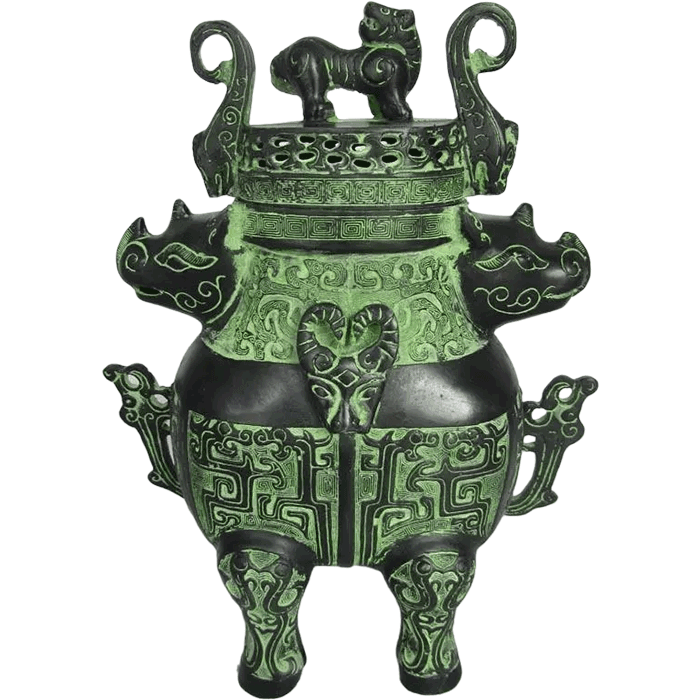
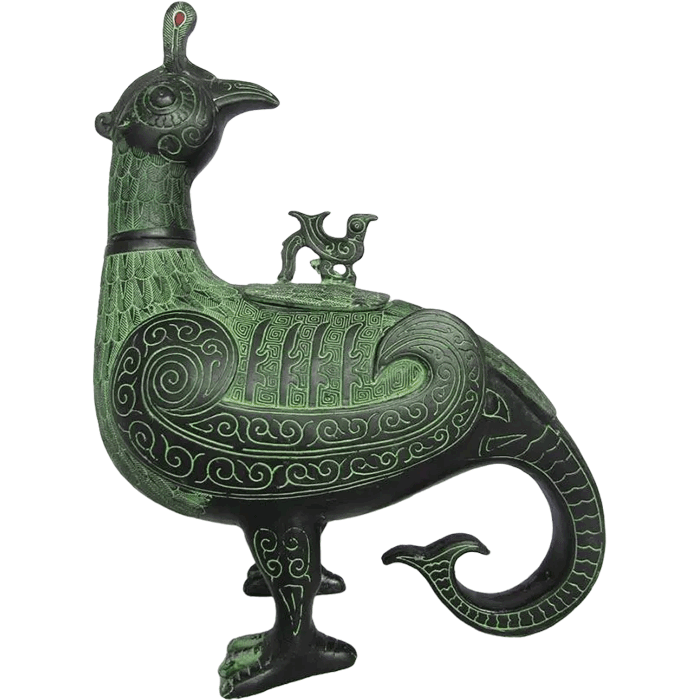
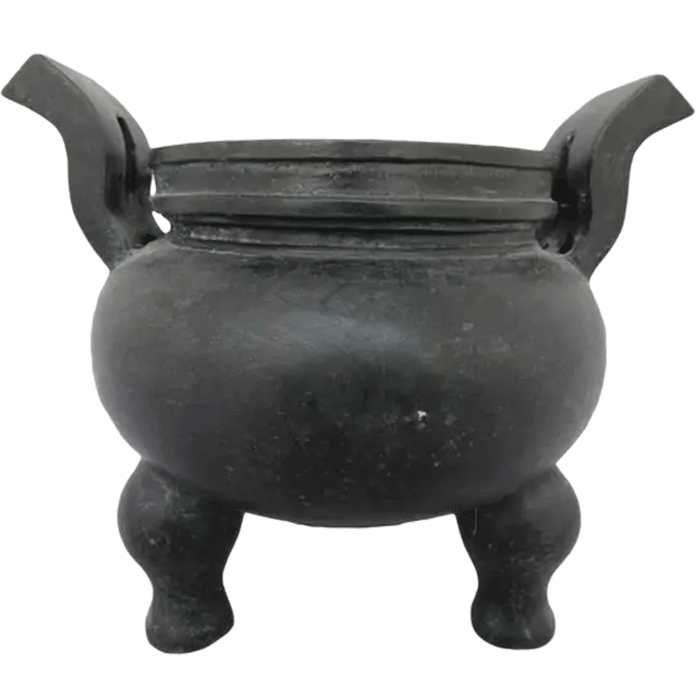
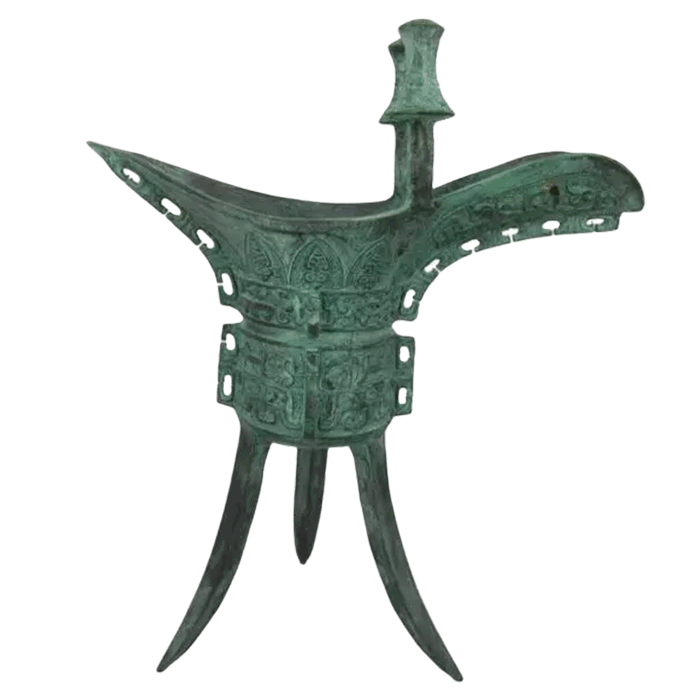
Our expertise spans a wide range of products, including human bronze statues and animal bronze statues, bronze vessels (ding, zun, hu tripods and vases), bronze mirrors, bronze incense burners, and bronze Buddhist statues. This diverse portfolio underscores our mastery of the lost-wax method across various forms and complexities.
By partnering with Luoyang Yichuan, you gain access to a team of dedicated professionals who not only understand the technical intricacies of lost-wax bronze castings but also appreciate the artistic integrity of each project. We address common custom bronze art sourcing pain points by ensuring exact replication, consistent patina, and secure packaging, all backed by comprehensive quality inspection and after-sales support. We invite you to explore more about our company and craftsmanship and discover how our expertise can bring your bronze art visions to life with unparalleled quality and precision.
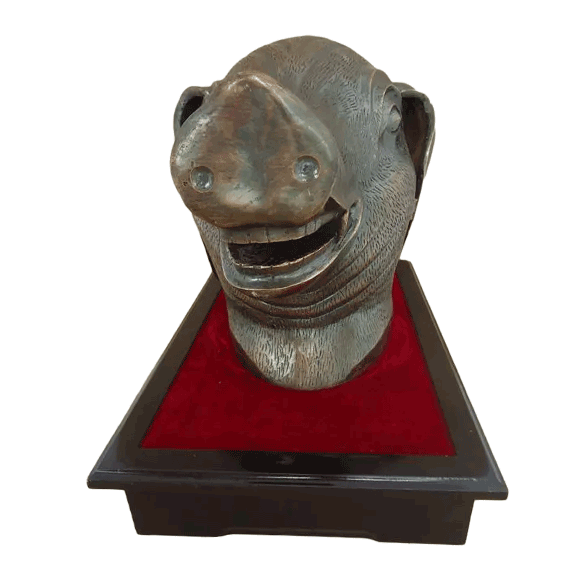
Our skilled craftsmen meticulously manage the pouring of molten bronze, a critical step in preventing porosity.
The successful prevention of porosity in lost wax bronze castings is a hallmark of an expert foundry. It reflects not only technical proficiency but also a deep understanding of metallurgy, meticulous process control, and an unwavering commitment to quality. By choosing a partner like Luoyang Yichuan Bronze Craft Co., Ltd., clients can be assured that their bronze artworks will be free from these critical defects, embodying lasting beauty and structural excellence for generations to come.

A beautifully finished bronze sculpture, a testament to flawless Lost Wax Bronze Castings and meticulous hand finishing.