Preventing Porosity in Lost Wax Bronze Casting
Mastering the Lost Wax Bronze Casting Process: Preventing Porosity for Flawless Artistry
The creation of a bronze sculpture is an intricate dance between art and science, a testament to human ingenuity that has endured for millennia. At the heart of this enduring craft lies the traditional lost-wax method, a process revered for its ability to capture the finest details and produce artworks of remarkable fidelity. However, even with the most skilled hands and advanced techniques, a pervasive challenge can undermine the integrity and aesthetic appeal of a bronze piece: porosity. Porosity, characterized by small holes or voids within the metal, can compromise structural strength, mar the surface finish, and complicate subsequent finishing processes such as patination.
For discerning buyers and makers of bronze art, understanding and preventing porosity is paramount. At Luoyang Yichuan Bronze Craft Co., Ltd., we recognize that true quality extends beyond mere form; it encompasses the invisible perfection within the bronze itself. Our commitment to excellence, backed by ISO 9001 quality management system certification and compliance with export quality inspection standards for art crafts, means we meticulously address potential issues like porosity at every stage of production. With an annual output exceeding 50,000 bronze art pieces, from a single custom prototype to bulk production runs, our expertise ensures that each sculpture, vessel, mirror, incense burner, or Buddhist statue we create meets the highest global standards.
Understanding Porosity: A Critical Challenge in Bronze Casting
Porosity in bronze casting manifests in various forms, each with distinct causes and implications. Identifying the type of porosity is the first step towards its prevention and resolution. Broadly, porosity can be categorized into gas porosity, shrinkage porosity, and inclusions.
Gas Porosity: The Silent Saboteur
Gas porosity occurs when gases, such as hydrogen, oxygen, or those produced by reactions within the mold, become entrapped in the molten metal as it solidifies. These gases can originate from several sources:
- Molten Metal Absorption: Molten bronze can absorb gases, particularly hydrogen from water vapor, during melting. If these gases are not adequately degassed before pouring, they are released upon solidification, forming bubbles.
- Mold Material Outgassing: The investment mold itself can release gases when heated or when in contact with molten metal. Incomplete burnout of wax residue, moisture in the mold, or organic binders can all contribute to gas formation.
- Turbulent Pouring: Excessive turbulence during the pouring of molten metal can entrain air into the stream, which then becomes trapped in the solidifying bronze.
Visually, gas porosity often appears as spherical or irregularly shaped voids, sometimes concentrated near the surface or distributed throughout the casting. These defects can lead to weak points, making the sculpture susceptible to cracking, and can create unevenness in the final patina.
Shrinkage Porosity: The Contraction Conundrum
Bronze, like most metals, contracts as it cools and solidifies. Shrinkage porosity arises when there isn't enough molten metal available to compensate for this contraction in certain areas of the casting. This typically occurs in thicker sections or at junctions where molten metal solidifies last, creating a vacuum or void. Factors contributing to shrinkage porosity include:
- Improper Gating and Risering: The design of the gating system (channels that direct molten metal into the mold) and risers (reservoirs of molten metal that feed the solidifying casting) is critical. If risers are too small, positioned incorrectly, or solidify prematurely, they cannot adequately feed the casting, leading to shrinkage.
- Uneven Cooling: Differences in section thickness can cause parts of the casting to cool at different rates. Thicker sections, cooling slower, draw metal from thinner, already solidifying sections, creating voids.
- Alloy Composition: Certain bronze alloys are more prone to shrinkage than others. The specific Cu-Sn alloy used at Luoyang Yichuan Bronze Craft Co., Ltd. is chosen not only for its premium quality and aesthetic properties but also for its favorable casting characteristics.
Shrinkage porosity often presents as angular, irregular voids, sometimes interconnected, indicating a lack of molten material replenishment. These voids weaken the structure and can be particularly problematic for highly detailed or load-bearing components.
Inclusions: Foreign Elements
While not strictly porosity, inclusions are foreign particles trapped within the bronze matrix. These can be non-metallic (e.g., slag, refractory material from the mold, sand) or metallic (e.g., oxides). Inclusions create discontinuities in the metal, acting as stress concentrators and potentially leading to cracking or pitting during finishing. They are often caused by:
- Dirty Metal: Impurities in the raw bronze alloy or contamination during melting.
- Mold Erosion: The molten metal eroding parts of the investment mold, trapping fragments.
- Slag Entrapment: Inadequate skimming of slag from the molten metal surface before pouring.

The Time-Honored Lost Wax Bronze Casting Process: A Foundation for Quality
The traditional lost-wax bronze casting process, or cire perdue, is a multi-step technique known for its precision and ability to reproduce intricate details. At Luoyang Yichuan Bronze Craft Co., Ltd., nestled in Yichuan County, Luoyang, Henan Province, our production area of 3,000 square meters houses over 30 skilled craftsmen, including renowned bronze-casting masters and finishing artisans, who meticulously follow these steps, integrating modern quality control with traditional expertise to mitigate porosity.
- Sculpting the Master Model: An artist creates the original model, typically in clay or another pliable material. This is the blueprint for the final bronze piece.
- Creating the Silicone Mold: A flexible silicone mold is made from the master model. This mold captures every detail and allows for the creation of multiple wax copies.
- Wax Pattern Creation: Molten wax is poured into the silicone mold to create a hollow wax replica of the original sculpture. This wax pattern is then meticulously chased and refined by artisans to perfect every detail. This stage is crucial, as any imperfection in the wax will be replicated in bronze.
- Spruing and Gating: Wax rods (sprues) are attached to the wax pattern. These create channels for the molten bronze to flow into the mold and for gases to escape. Proper design of the gating system is vital for preventing shrinkage porosity by ensuring adequate metal flow and feeding.
- Investment (Shell Building): The sprued wax pattern is repeatedly dipped into a ceramic slurry and coated with refractory stucco. This process builds a durable, heat-resistant ceramic shell around the wax, which will become the mold for the bronze. Multiple layers are applied, each allowed to dry thoroughly, to create a robust shell capable of withstanding the molten bronze.
- Dewaxing (Burnout): The ceramic shell, containing the wax pattern, is heated in a kiln. The wax melts and drains out, leaving a hollow ceramic mold. This step, known as burnout, must be carefully controlled to ensure all wax residue is vaporized, preventing carbonaceous matter that could react with molten bronze and cause gas porosity.
- Preheating the Mold: Before casting, the ceramic mold is preheated to a specific temperature. This reduces thermal shock when the molten bronze is poured, improves metal flow, and further ensures any remaining moisture is expelled, which helps prevent gas porosity.
- Pouring the Bronze: Molten premium bronze alloy (Cu-Sn), heated to a precise temperature, is carefully poured into the preheated ceramic mold. Our bronze-casting masters monitor the temperature and pouring speed meticulously to minimize turbulence and ensure complete filling of the mold. The specific composition of our bronze alloy is selected for optimal fluidity and minimal gas absorption.
- Cooling and Demolding: After the bronze solidifies and cools, the ceramic shell is carefully broken away, revealing the rough bronze casting.
- Finishing: The sprues are cut off, and the bronze piece undergoes extensive hand chasing, polishing, and patina finishing. This can range from antique looks, designed for bronze statues with different themes and historical replication, to modern aesthetics. Our artisans expertly remove any minor surface imperfections and apply the desired patina, ensuring consistent color matching across pieces.
Strategic Prevention: Mitigating Porosity Throughout the Casting Cycle
Preventing porosity is an integrated effort, spanning every stage of the lost-wax bronze casting process. Our expertise at Luoyang Yichuan Bronze Craft Co., Ltd. allows us to implement robust strategies:
1. Masterful Wax Pattern and Gating Design
The journey to a flawless bronze begins with a perfect wax pattern. Our artisans pay meticulous attention to detail, ensuring the wax is free of internal voids or surface imperfections. More critically, the design of the gating and risering system is engineered to promote directional solidification, where the casting cools progressively from the thinnest sections to the risers, which remain molten to feed the shrinking metal. This strategic design prevents shrinkage porosity. For custom bronze sculptures, our design team works closely with clients to optimize this crucial stage, even for complex or large-scale projects.
2. Rigorous Investment and Burnout Protocols
The quality of the ceramic shell is paramount. We use high-quality refractory materials and ensure each layer of slurry and stucco is applied uniformly and dried completely. During dewaxing, our kilns are precisely controlled to reach temperatures that fully vaporize all wax residue, eliminating organic compounds that could generate gas during pouring. Furthermore, molds are stored in controlled environments to prevent moisture absorption, a common cause of gas porosity.
3. Precise Metal Melting and Pouring Techniques
Our bronze-casting masters adhere to strict protocols during the melting of our premium Cu-Sn bronze alloy. Induction furnaces are used to minimize oxidation, and the molten metal is carefully degassed before pouring to remove dissolved gases. Pouring temperature is precisely controlled; if the metal is too hot, it can absorb more gas and react excessively with the mold; if too cold, it may not fill the mold completely or flow turbulently. Our controlled pouring techniques minimize turbulence, preventing air entrapment and ensuring a smooth, complete fill, which is essential for uniform cooling and preventing both gas and shrinkage porosity.
The location of our facility in Yichuan County, Luoyang, known for its rich history in metalworking, provides access to generations of accumulated knowledge. This deep-rooted understanding of metallurgy and casting, combined with modern equipment and ISO 9001 standards, allows us to achieve exceptional quality in pieces ranging from intricate bronze mirrors to grand human bronze statues.
Beyond Casting: Finishing, Quality Control, and Client Assurance at Luoyang Yichuan Bronze Craft
Even with the most rigorous casting practices, the journey to a perfect bronze piece involves meticulous post-casting work and unwavering quality assurance. At Luoyang Yichuan Bronze Craft Co., Ltd., our commitment to excellence extends through every final touch and safeguard.
1. Expert Finishing and Patination
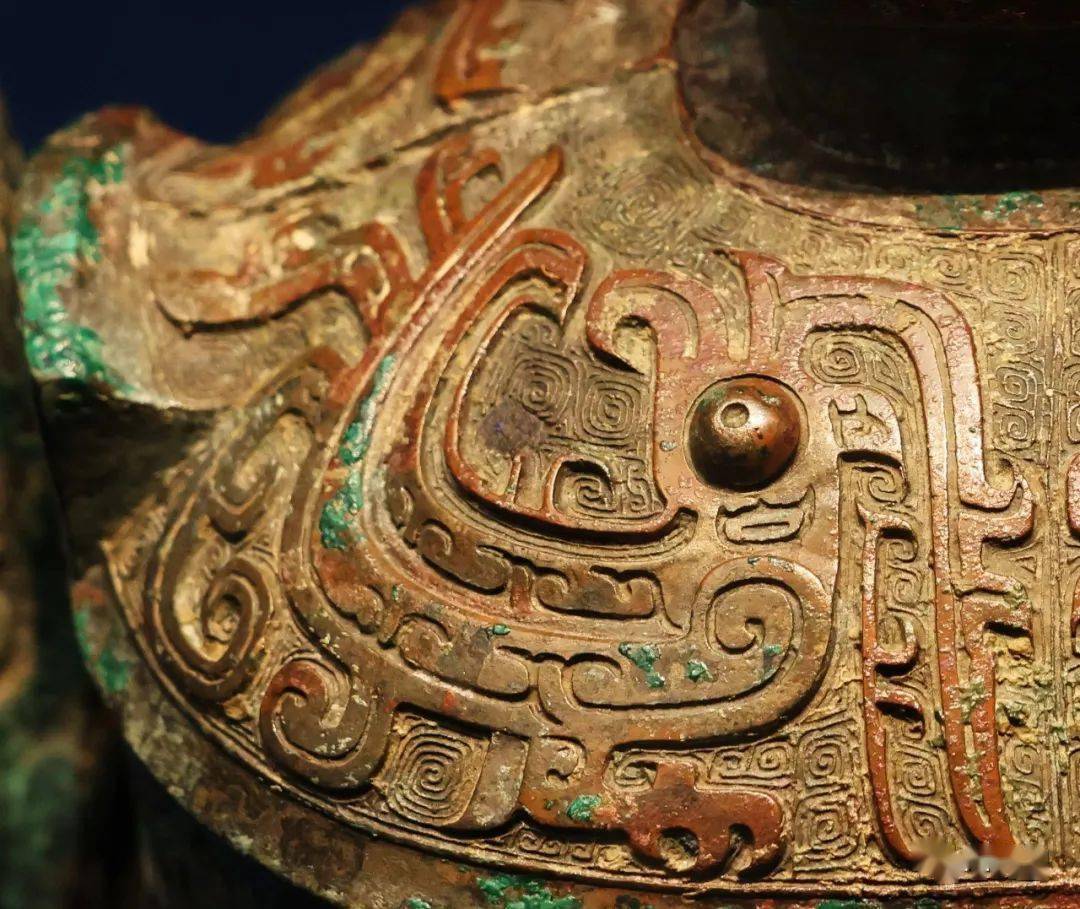
After demolding, our finishing artisans take over. Hand chasing and polishing are critical steps to reveal the true beauty of the bronze and to identify any subtle surface porosities that might have escaped prior detection. Any minor surface defects are carefully addressed. Our expertise in patina application is also key; we solve the common pain point of inconsistent patina color matching, ensuring that each piece achieves the desired antique or modern look with uniformity and depth. Our range of products, from animal bronze statues to bronze home decor arts, all benefit from this meticulous attention to detail in finishing.
2. Rigorous Quality Inspection Before Every Shipment
Quality is not an afterthought but an embedded principle in our operations. Every bronze art piece undergoes a comprehensive quality inspection before shipment. This includes visual inspection for surface defects, structural integrity checks, and ensuring compliance with all client specifications and export quality inspection standards. Our ISO 9001 certification underscores our dedication to a systematic approach to quality management, providing our clients with confidence in every order, whether it's for ancient Chinese bronze musical instruments or contemporary custom designs.
3. Unwavering Client Support and Guarantees
We stand by the quality of our craftsmanship. For any casting defects, including significant porosity that compromises the artwork's integrity, we offer a free replacement. This guarantee reflects our confidence in our processes and our commitment to client satisfaction. Furthermore, we provide comprehensive after-sales support, including guidance for patina touch-ups and restoration. This holistic approach addresses the pain points of custom bronze art sourcing, from exact replication of antique bronzes to consistent patina color matching, and even extends to export-compliant protective packaging for fragile sculptures, ensuring they arrive in pristine condition.
Partnering for Perfection: Custom Bronze Artistry with Luoyang Yichuan Bronze Craft Co., Ltd.
Choosing a bronze art manufacturer requires trust in their process, their people, and their ability to consistently deliver quality. At Luoyang Yichuan Bronze Craft Co., Ltd., we combine the rich heritage of bronze craftsmanship with modern quality assurance to offer unparalleled service.
Our capabilities extend beyond standard offerings. We excel in solving custom bronze art sourcing pain points, such as achieving exact replication of antique bronzes – a skill honed by generations of artisans in Luoyang, a region steeped in the history of bronze wares from mysterious culture. Our MOQ of 1 piece for custom sculptures demonstrates our flexibility, catering to individual artists and collectors seeking unique prototypes, while our capacity to produce over 50,000 pieces annually supports large-scale projects and bulk orders with competitive pricing negotiated based on size and design complexity. Our over 30 skilled craftsmen, including bronze-casting masters and finishing artisans, are the backbone of our operation, ensuring that every detail, from the initial wax model to the final patina, is executed with precision and care.
Whether you require ornate ancient Chinese bronze wine vessels, intricate Buddhist statues, or bespoke contemporary sculptures, our team is equipped to bring your vision to life without the concerns of porosity and other common casting defects. We invite you to learn more about Sculpmart and how our expertise can benefit your next project.
By understanding and rigorously controlling every variable in the lost-wax bronze casting process, Luoyang Yichuan Bronze Craft Co., Ltd. ensures that each bronze art piece we create is not merely beautiful on the surface, but flawlessly crafted from its core. This dedication to internal integrity is our promise of enduring quality and artistic excellence.