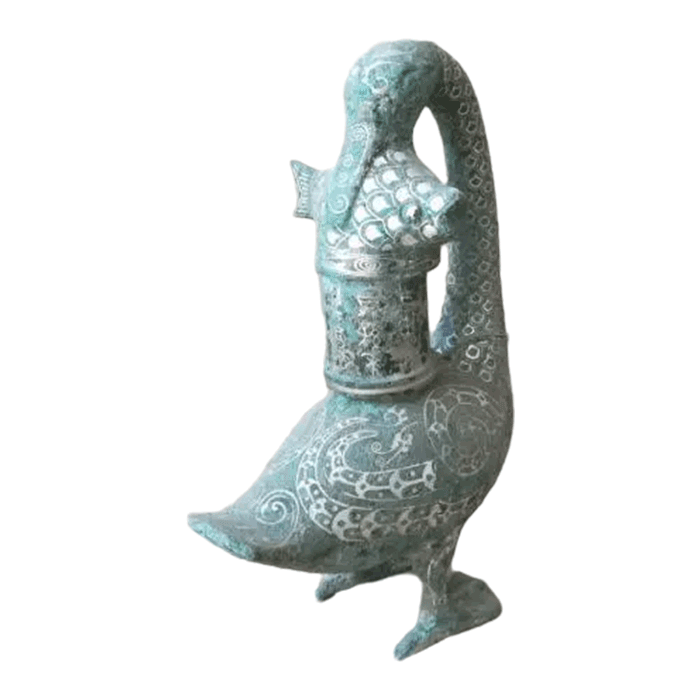
Prepare Artwork for a Lost Wax Custom Bronze Foundry
Preparing Your Masterpiece: A Guide to Artwork Submission for a Lost Wax Custom Bronze Foundry
The transformation of an artistic concept into a tangible, enduring bronze sculpture is a meticulous process, a partnership between creative vision and technical mastery. The traditional lost-wax casting method, a technique refined over millennia, remains the premier choice for capturing intricate details and subtle nuances, turning an artist's original work into a timeless metal artifact. However, the success of this transformation hinges on the quality and preparation of the initial artwork submitted to the foundry.
For artists, sculptors, product design teams, and project managers, understanding how to prepare a master model—whether a physical sculpture or a digital file—is the first and most crucial step toward achieving a flawless final product. This guide provides a comprehensive overview of best practices for artwork preparation, ensuring your design is optimized for the casting process. At Luoyang Yichuan Bronze Craft Co., Ltd., we combine time-honored techniques with modern precision, and our goal is to serve as your expert partner, translating your exact intent into a magnificent bronze reality. Partnering with a knowledgeable foundry that understands these intricacies from the outset can prevent costly errors and ensure the finished piece meets and exceeds your expectations.
Design Considerations for the Lost-Wax Casting Process
Before you even finalize your model, considering the technical requirements of the lost-wax process can save significant time and resources. While this ancient method is incredibly versatile, certain design characteristics are better suited for successful casting. Our team of over 30 skilled craftsmen, including master casters and finishing artisans, always reviews designs for feasibility, but an informed approach from the creator is invaluable.
Wall Thickness and Consistency
One of the most critical technical aspects of a bronze sculpture is its wall thickness. During casting, molten bronze alloy must flow evenly throughout the ceramic shell mold. If walls are too thin, the metal may cool and solidify before filling the entire cavity, resulting in an incomplete casting known as a "misrun." Conversely, if sections are excessively thick, they can lead to problems during cooling, such as shrinkage, porosity, or cracking. We recommend maintaining a relatively consistent wall thickness throughout the piece. For most sculptures, a thickness of 4mm to 10mm (approximately 1/8 to 3/8 inch) is ideal, though this can vary based on the overall size and structural demands of the artwork. Our engineers can provide specific guidance based on your unique design.
Undercuts and Complex Geometry
An undercut is an indentation or protrusion in a shape that prevents its easy removal from a one-piece mold. Think of a clenched fist or the space under a chin. The lost-wax process can certainly accommodate complex undercuts, but they require more intricate, multi-part silicone molds to capture the form without damaging the master pattern or the mold itself. While our artisans are adept at creating these complex molds, it's important for designers to be aware that a high number of deep undercuts can increase mold-making time and production costs. In some cases, designing a large sculpture in several sections for separate casting and later assembly can be a more efficient approach.
Surface Detail and Texture
The lost-wax method is celebrated for its ability to reproduce extremely fine details. Every subtle texture, tool mark, and surface variation on your master model will be faithfully replicated in the final bronze. This is both a great advantage and a critical point of consideration. Ensure the surface of your model is precisely as you want it in the final piece. Deep, clearly defined textures translate better than very shallow or faint ones. After casting, our skilled artisans perform hand-chasing—a process of refining the metal surface with specialized tools—to sharpen details and perfect the finish, ensuring the artist's original intent is fully realized.
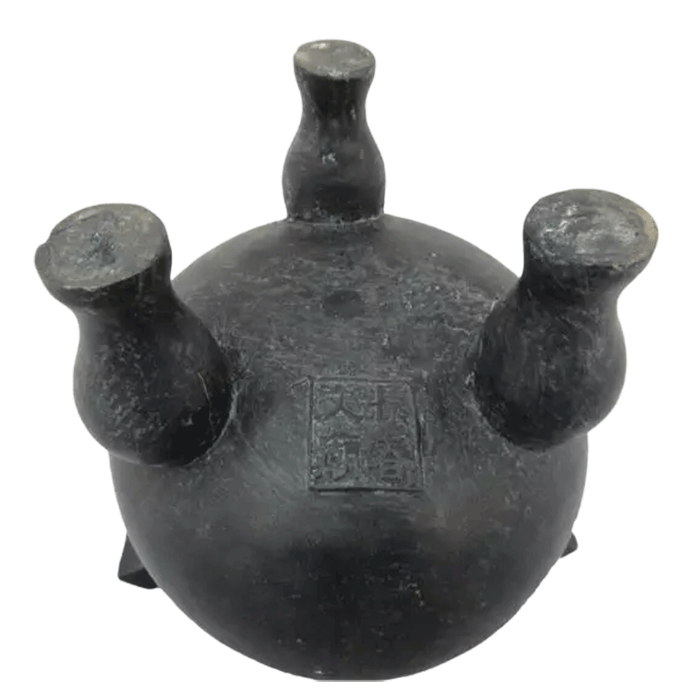
Preparing Physical Artwork for Mold Making
For sculptors who work with their hands, the physical master model is the heart of the project. The quality of this pattern directly dictates the quality of the final bronze. Our facility is equipped to handle a variety of master models, from one-off prototypes to patterns for large production runs.
Choosing Your Master Model Material
The material of your original sculpture influences how it is handled and molded. Each has its advantages:
- Oil-Based Clay (Plasticine): This is a popular choice as it remains pliable, allowing for last-minute adjustments. However, it is soft and can be easily damaged during shipping. If you are sending a clay model, it must be packaged with extreme care in a rigid container.
- Wax: Sculpting directly in wax is an excellent option, as this model can sometimes be used directly in the "direct lost-wax" process. It captures exceptional detail but is brittle and sensitive to temperature changes.
- Plaster or Resin: These materials are far more durable and are excellent for creating robust master patterns. They hold sharp details well and are less prone to damage during transit. The downside is their rigidity, which makes modifications difficult.
- Wood: A properly sealed and finished wooden model can also serve as a master pattern, valued for its durability, particularly for designs with simpler geometry.
Finalizing and Shipping Your Physical Model
Before shipping your model, conduct a final, thorough inspection. Ensure the surface is free of unwanted blemishes, as these will be cast in bronze. For complex pieces, consider creating the artwork in several interlocking sections. This not only simplifies the molding and casting process but can also make shipping safer. When you work with us, we can advise on the best way to section your piece for optimal results. Our expertise in solving logistical challenges includes providing guidance on creating export-compliant protective packaging for fragile sculptures, ensuring your masterpiece arrives at our foundry safely.
Submitting Digital 3D Models for Bronze Production
In an increasingly digital world, many artists and designers create their work using 3D modeling software. We seamlessly bridge the gap between the digital and physical realms, transforming your 3D files into high-quality bronze artworks.
File Formats and Technical Requirements
For digital submissions, the most common and preferred file formats are STL (Stereolithography) and OBJ. An STL file is ideal as it describes the surface geometry of a 3D object without any color or texture data, which is perfect for 3D printing or CNC milling.
The single most important requirement for a digital model is that it must be a "watertight" or "manifold" mesh. This means the model must be a completely enclosed volume with no holes or missing faces. Non-manifold geometry, such as internal overlapping faces or edges shared by more than two faces, will cause errors when the file is sent to a 3D printer. Our technicians can run a diagnostic on your file, but providing a clean, print-ready model is the best practice. The resolution, or polygon count, should be high enough to capture all necessary details without creating an unmanageably large file.
The Digital-to-Physical Translation
Once we receive your digital file, we use it to create a physical master pattern. This is typically done through high-resolution 3D printing technologies like SLA (Stereolithography) or through CNC milling for larger, simpler forms. The resulting physical pattern is then used to create the silicone mold, just as a hand-sculpted model would be. This pattern becomes the foundation for the entire lost-wax process. The precision of this initial step is paramount, and our ISO 9001 certified quality management system ensures every stage is executed to the highest standard.
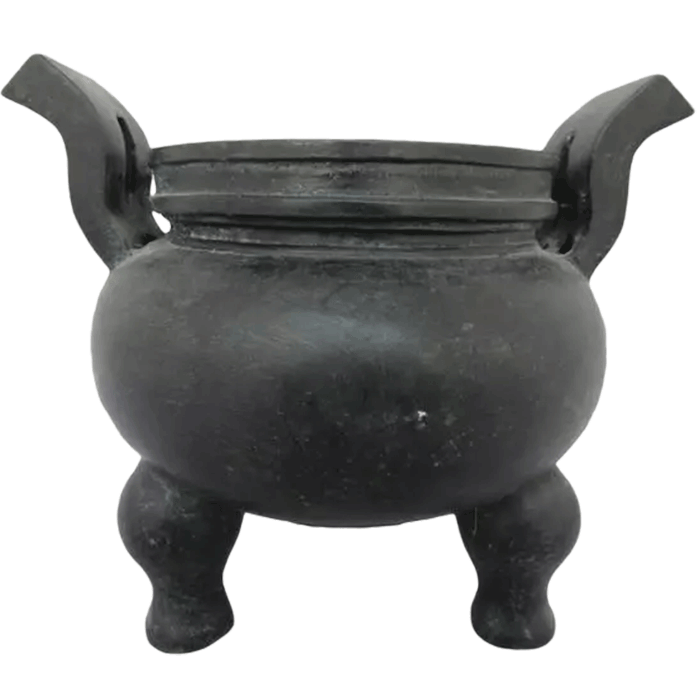
Your Collaborative Partnership with Luoyang Yichuan Bronze Craft Co., Ltd.
Submitting your artwork is not the end of your involvement; it is the beginning of a collaborative partnership. We believe in transparent communication and a shared commitment to excellence, ensuring the final piece is a true reflection of your vision.
Consultation, Review, and Prototyping
Upon receiving your artwork, our team conducts a thorough review for casting feasibility. We will provide professional feedback and may suggest minor modifications to enhance structural integrity or improve the casting outcome. For every custom project, we uphold a flexible Minimum Order Quantity (MOQ) starting from just one piece. This allows us to create a single prototype for your review and approval. Whether it is a wax pattern or a first-off casting, you will have the opportunity to inspect the piece and request adjustments before we proceed with a larger production run, which can scale to our annual output of over 50,000 pieces.
Mastery in Finishing and Patination
The final character of a bronze sculpture is defined by its finish and patina. Our services include meticulous hand-chasing and polishing to refine the bronze surface. We offer a wide range of patina options, a chemical process that creates a stunning, colored finish on the metal's surface. Whether you desire the rich, aged look of classic chinese bronze sculpture, a sleek modern polish, or a unique color, our artisans are masters of their craft. We solve one of the most common sourcing pain points: achieving consistent patina color matching across an entire production run, ensuring uniformity for your order.
Quality Assurance and Lasting Support
Your satisfaction is our priority. Every single piece undergoes a rigorous quality inspection before shipment to ensure it is free of casting defects and meets all export quality standards for art crafts. We offer a free replacement for any pieces with verifiable casting flaws. Our commitment extends beyond delivery; we provide after-sales support, including professional guidance for patina touch-ups and long-term restoration. You can explore our wide range of bronze statues with different themes to see the quality we consistently deliver.
Preparing your artwork thoughtfully is the foundation of a successful bronze casting project. By understanding the technical nuances and collaborating with an experienced foundry, you can ensure your creative vision is realized with permanence and beauty. We invite you to customize a bronze sculpture from sculpmart.com and begin the process of turning your concept into an enduring work of art. Contact us today to discuss your project with our expert team.