Precision in Metal: How Lost Wax Bronze Castings Capture Detail
Our Master Craftsmen Use Lost Wax Bronze Castings to Achieve Unparalleled Detail
For artists, designers, and procurement managers, the transition from a detailed concept to a tangible, three-dimensional metal object is fraught with challenges. How can the subtle texture of an animal's fur, the delicate fold of a garment, or the precise lines of a historical artifact be faithfully rendered in a material as robust and unyielding as bronze? The answer lies in a technique perfected over millennia: the lost-wax casting method. This ancient process, known also as cire perdue or investment casting, is not merely a production technique; it is an art form that transforms a fleeting idea into an enduring masterpiece. At Luoyang Yichuan Bronze Craft Co., Ltd., we have harnessed this traditional method, combining it with modern quality controls to produce bronze art of exceptional fidelity and quality for our B2B partners.
Understanding this process is key to appreciating why certain foundries can consistently deliver on complex custom projects while others fall short. It reveals how every minute detail, from a fingerprint on the original clay model to the finest inscription on a historical replica, is meticulously preserved. This article will guide you through the step-by-step journey of a bronze sculpture, from initial model to finished artwork, highlighting how each stage contributes to the final, breathtaking level of detail.
The Foundation of Fidelity: The Original Model and Silicone Mold
The entire casting process hinges on the quality of the very first step: the creation of the master model. The final bronze can only be as detailed as this original pattern. Whether sculpted by hand in clay, wax, or wood, or produced using modern techniques like 3D printing, this master model is the genesis of the artwork. Our artisans understand that this stage is non-negotiable; every texture, curve, and line must be perfect.
Capturing Every Nuance: The Silicone Rubber Mold
Once the master model is approved, it is used to create a negative mold. For complex shapes, a high-grade silicone rubber is carefully applied to the model's surface. This material is chosen for its remarkable properties: it is flexible enough to be removed from the original without causing damage, yet it possesses a very low shrinkage rate and an incredible ability to capture microscopic details. The liquid silicone flows into every undercut, crevice, and surface texture of the master pattern.
After the silicone cures, it is encased in a rigid outer mold, or "mother mold," typically made of plaster or fiberglass. This provides structural support, preventing the flexible silicone from distorting under the weight of the wax that will be poured into it later. This two-part mold system is the first critical transfer of detail. The fidelity of the silicone ensures that an exact negative impression of the original sculpture is created, forming the blueprint for every subsequent reproduction.
From Wax to Ceramic: Building the Investment Shell
With a perfect negative mold created, the process moves to creating a positive replica in wax. This wax positive is an exact duplicate of the original model, and it is this copy that will ultimately be "lost" to make way for the bronze.
Creating the Wax Positive
Molten casting wax is poured into the silicone mold and swirled around to create a hollow wax copy of a specific thickness. This process is repeated until the desired wall thickness is achieved, typically a few millimeters. A hollow casting is lighter and more structurally sound, as it cools more evenly and reduces the risk of shrinkage and cracking. For smaller, solid pieces, the mold is simply filled with wax.
Once the wax has cooled and hardened, the mold is carefully opened, and the wax positive is removed. This is a critical stage for quality control. Our artisans, part of a team of over 30 skilled craftsmen at our 3,000-square-meter facility, inspect the wax copy for any imperfections, air bubbles, or seam lines left from the mold. Using heated tools, they meticulously "chase" the wax, resculpting any lost details and ensuring the surface is flawless. It is at this stage that the gating and spruing system—a network of wax channels—is added. These channels will later allow molten bronze to flow into the mold and trapped gases to escape, ensuring a complete and solid casting.
Building the Ceramic Shell
The detailed wax positive is now ready to be "invested" with a ceramic shell. This is arguably the most crucial step for capturing fine detail. The wax pattern is dipped into a vat of fine ceramic slurry, a mixture of colloidal silica and other refractory materials. It is then coated with a very fine sand or silica flour. This initial layer is the most important, as it makes direct contact with the wax surface and will form the interior surface of the final bronze mold.
This process is repeated multiple times, with each new layer using progressively coarser sand. The piece is allowed to dry thoroughly between each dipping. This methodical layering builds a strong, porous ceramic shell around the wax pattern, typically several millimeters to a centimeter thick. The shell is strong enough to withstand the heat and pressure of the molten bronze, yet porous enough to allow gases to escape during the pour. The fine initial layers are what perfectly conform to the wax surface, locking in every subtle texture and detail that was so carefully preserved.
The Burnout: Losing the Wax
Once the ceramic shell is fully cured, it is placed in a kiln or autoclave. The temperature is raised, causing two things to happen simultaneously. First, the wax inside the shell melts and runs out through the gating system, leaving a perfectly hollow, detailed cavity inside the ceramic shell. This is why the process is called "lost wax." Second, the high temperature fires the ceramic, vitrifying it into a hard, stone-like mold capable of receiving molten metal. What remains is a perfect, heat-resistant negative mold of the original sculpture.
The Dramatic Pour and Meticulous Finishing
The empty ceramic shell is the vessel of transformation. This stage is where the artwork transitions from fragile materials to enduring metal, a process that requires immense skill and precision.
Pouring the Molten Bronze
At Luoyang Yichuan Bronze Craft Co., Ltd., we use a premium bronze alloy (Cu-Sn) known for its excellent casting properties and beautiful finish. The bronze is heated in a crucible to temperatures exceeding 1100°C (2000°F). Simultaneously, the ceramic shell mold is pre-heated in the kiln to reduce the thermal shock when the molten metal is introduced. This pre-heating also helps the bronze flow more freely into the finest parts of the mold before it begins to solidify.
The glowing crucible of molten bronze is then carefully poured into the hot ceramic shell. The metal fills the cavity completely, assuming the exact shape of the "lost" wax positive. The success of this pour depends on the expertise of the casting masters and the design of the gating system, ensuring a complete fill without air pockets or cold shuts.
Breaking the Mold and Finishing the Metal
After the bronze has cooled and solidified—a process that can take hours or even days for large sculptures—the ceramic shell is carefully broken away. This is a moment of truth, revealing the raw bronze casting within. The shell is a one-time-use mold, which is part of what makes each bronze piece unique. The sprues and gates, now solid bronze rods, are cut off, and the raw casting is ready for finishing.
This is where the true artistry of our finishing artisans comes to the forefront. Using a variety of tools, from grinders and chasers to fine files and sandpapers, they meticulously remove any signs of the casting process. Weld marks are blended, seams are erased, and the surface is textured to perfectly match the original model. This process, known as "chasing," is a demanding art form that re-establishes the finest details and ensures the final piece is a perfect realization of the artist's vision. To customize a bronze sculpture from sculpmart.com is to engage with this deep tradition of craftsmanship.
The Final Touch: Patination
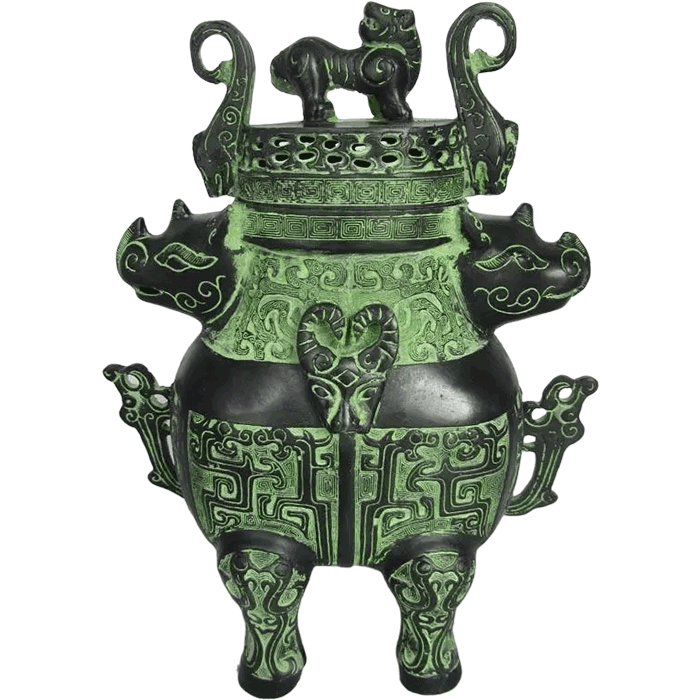
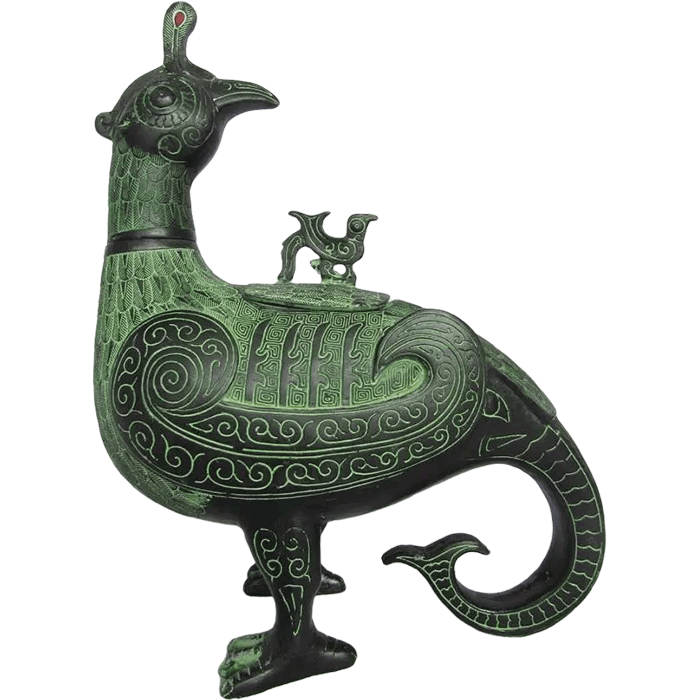
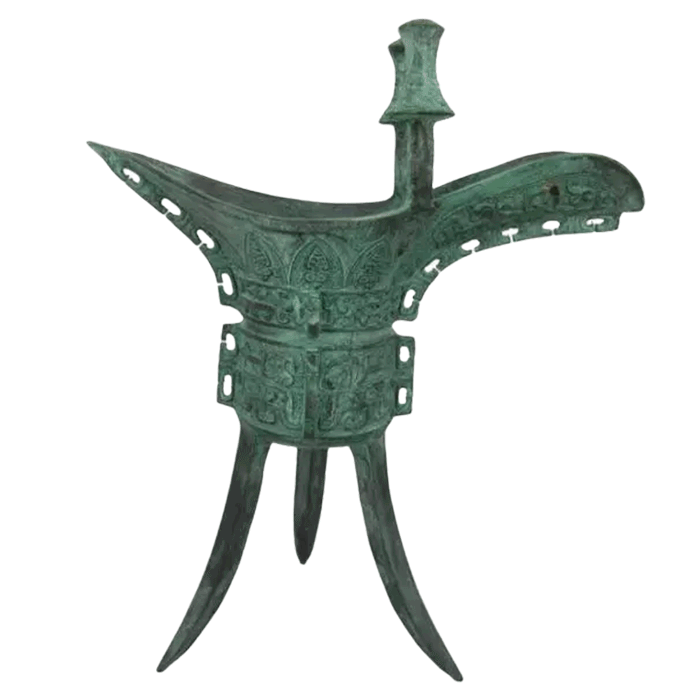
The final step is the application of the patina. A patina is a controlled coloration of the bronze surface, achieved by applying various chemicals and heat. This is not a paint or a coating, but a chemical reaction with the metal itself. Our masters can achieve a vast range of colors and finishes, from the traditional greens and browns of intricate Chinese bronze sculpture to sleek, modern black or polished gold finishes. This process adds depth, character, and a protective layer to the sculpture. Our ability to achieve consistent patina color matching across large orders is one of the key pain points we solve for our B2B clients.
Your Partner for High-Fidelity Bronze Production
The lost-wax process is a testament to how meticulous, multi-stage craftsmanship can achieve results impossible through other means. Every step is a transfer of information, a preservation of detail from one medium to the next. From the artist's hand on the clay, to the silicone, to the wax, to the ceramic, and finally to the bronze, the integrity of the design is paramount.
At Luoyang Yichuan Bronze Craft Co., Ltd., we have built our reputation on mastering this process. Our ISO 9001 quality management system governs every stage, ensuring that each of the over 50,000 pieces we produce annually meets stringent export quality standards. We solve common sourcing challenges by offering exact replication of antiques, consistent patination, and developing export-compliant protective packaging for even the most fragile artworks.
Whether you require a single, complex prototype (our MOQ starts at 1 piece) or a large production run of bronze statues with different themes, our facility and skilled team are equipped to deliver. We provide comprehensive quality inspections before every shipment and stand behind our work with a free replacement policy for any casting defects and after-sales support for restoration guidance. By choosing us, you are not just sourcing a product; you are partnering with a foundry dedicated to the art and science of bringing detailed visions to life in enduring bronze.