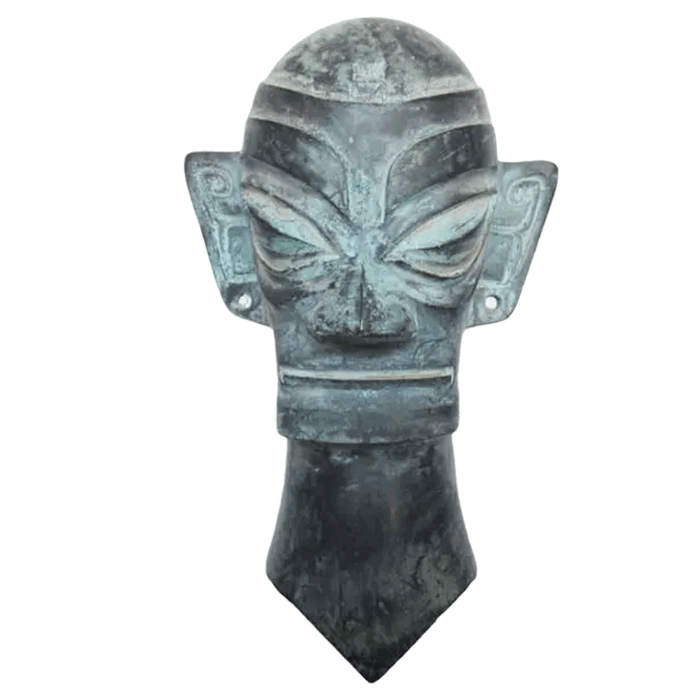
Plan Gating | Lost wax custom bronze foundry
Lost wax custom bronze foundry plan gating for production-ready artworks
Moving from an approved sculpture concept to a cast bronze object requires more than sending a final image or 3D model to a workshop. Designers, procurement teams, artists, museums, and architectural project managers need a disciplined approval sequence that confirms how an artwork can be made before wax work and ceramic shell production begin. This process is commonly called plan gating: a series of production checkpoints that reduce uncertainty before material, labor, and finishing decisions become difficult to revise.
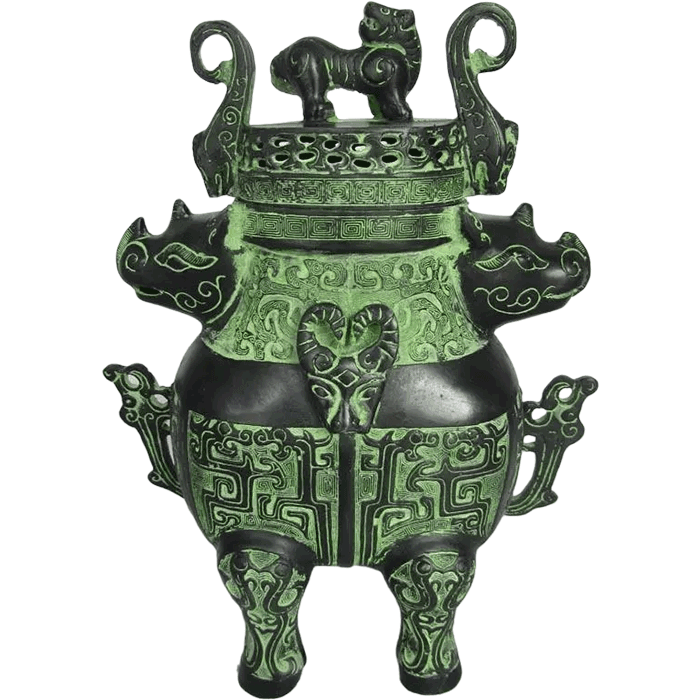
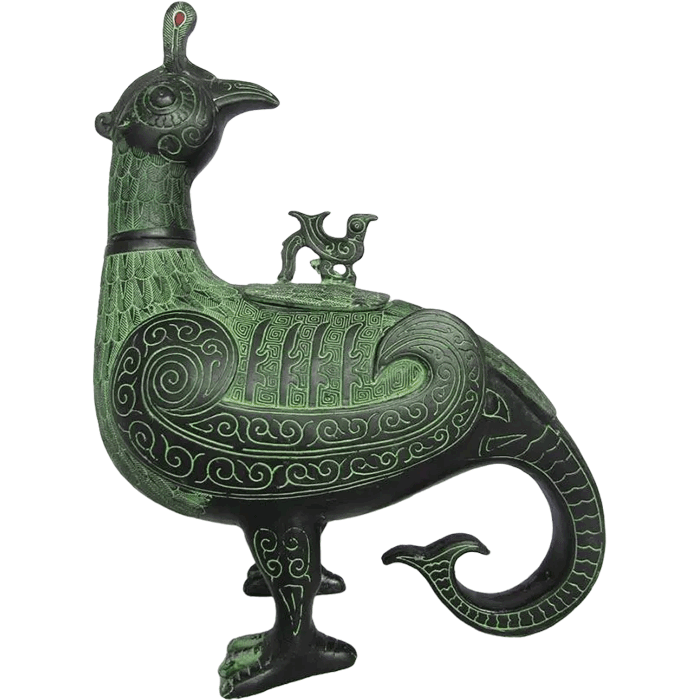
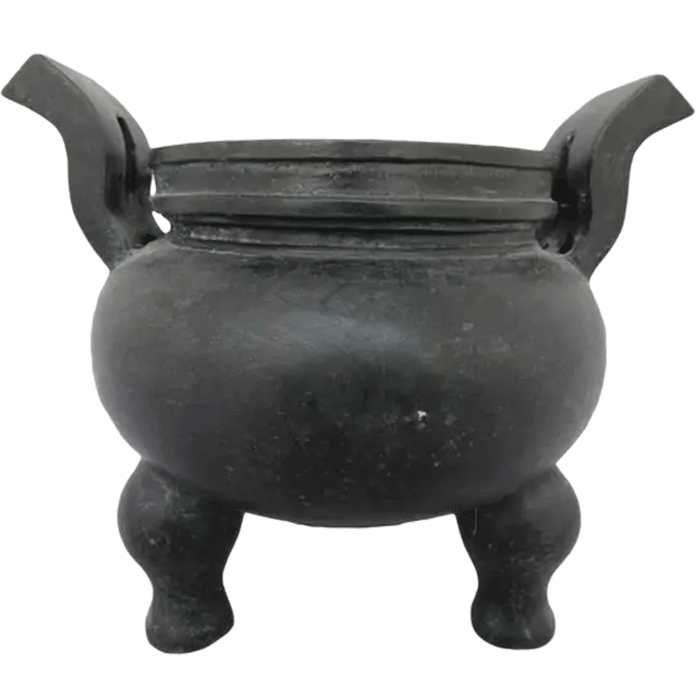
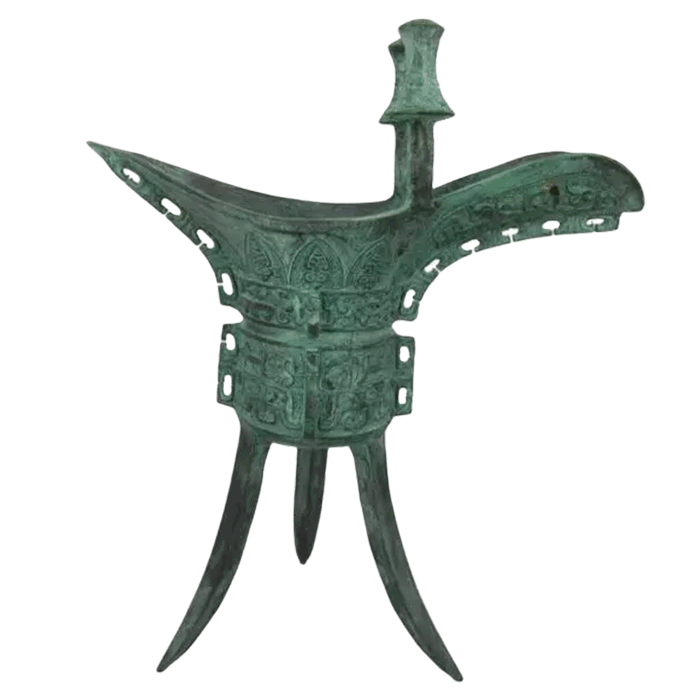
For custom human figures, animal statues, Buddhist sculptures, incense burners, mirrors, ding vessels, zun, hu forms, and decorative bronze objects, plan gating helps preserve artistic intent while addressing the practical requirements of lost-wax casting. It enables the design team and foundry to agree on dimensions, segmentation, wall thickness, assembly locations, surface treatment, patina direction, and protective packing requirements before production starts.
Luoyang Yichuan Bronze Craft Co., Ltd. supports custom work from a single prototype upward, with a custom MOQ starting from one piece. Its 3,000-square-meter production area in Yichuan County, Luoyang, includes more than 30 skilled craftsmen, including bronze-casting masters and finishing artisans. That combination of custom-order flexibility and specialist craft capacity makes a structured approval plan especially valuable for projects that need close control over visual details.
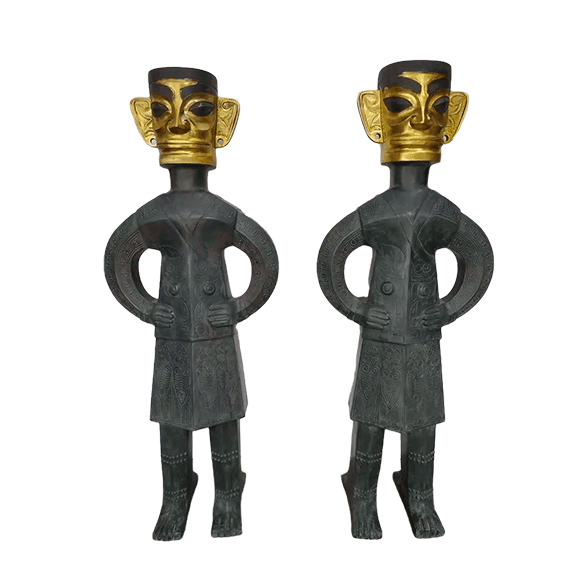
Why plan gating matters before wax and shell work
Lost-wax bronze casting translates an original form into a sequence of physical stages. A sculpture may begin as a clay model, digital file, drawing, scanned antique, resin master, or approved reference object. It then needs to be interpreted as a wax pattern, supported by a gating system, invested in a ceramic shell, cast in bronze alloy, chased, assembled where necessary, polished, patinated, and packed for delivery.
Every stage affects the next. A small change in pose, a deeper undercut, a narrower opening, a thinner ornament, or a revised base may change how the wax must be divided and supported. If these questions are delayed until shell preparation, the project may require additional review, revised wax work, or adjustments to the approved schedule. Plan gating brings the most consequential decisions forward, when the team can evaluate them clearly.
The purpose is not to replace artistic judgment with manufacturing restrictions. Instead, it gives both sides a shared production language. The designer can identify non-negotiable visual elements, while the foundry can identify areas needing practical treatment for casting, assembly, finishing, or packing. This is particularly important for sculptures with extended limbs, thin accessories, large hollow sections, detailed relief, openwork patterns, vessel necks, handles, and highly controlled patina transitions.
A plan-gated workflow is also useful when a project must match historical visual references. Exact replication of antique bronzes and consistent patina color matching are specialized sourcing concerns. Providing reference photographs, measured views, texture notes, and approved color expectations at defined checkpoints helps prevent subjective interpretation from becoming a late-stage issue. For historical context during reference selection, designers may review bronze culture evolution alongside their own approved source materials.
Core approval gates for a Lost wax custom bronze foundry project
Each project has different artistic and technical demands, but most custom bronze programs benefit from a consistent set of gates. The gates should be documented in writing, using annotated drawings, 3D screenshots, dimensioned files, finish samples, or signed approval records. A clear approval record reduces ambiguity when several stakeholders are involved.
Gate 1: Confirm the design intent and deliverable
The first gate confirms exactly what the foundry is expected to create. This should include the product type, intended display environment, overall dimensions, quantity, visual references, and whether the work is a faithful reproduction, an adaptation, or an original custom design. The team should also identify the approved viewing directions. A front-facing ceremonial figure may require especially close attention to facial expression and garment details, while a freestanding animal sculpture should be assessed from all sides.
For a project based on a digital model, provide the native or export file format agreed with the foundry, plus orthographic views and a dimension schedule. For a project based on physical artwork, provide high-resolution photographs of all sides, scale references, close-ups of ornament, and notes identifying intentional asymmetry, tool marks, or aging effects. If the project involves a cultural reference, document what must be replicated and what may be simplified.
At this stage, confirm whether the artwork will be supplied as a complete physical master, a digital model for enlargement or reduction, or a concept requiring model development. Buyers exploring different directions may first review custom bronze sculpture options to organize the design scope before requesting production review.
Gate 2: Freeze dimensions, scale, and installation interfaces
Dimensions are not limited to height, width, and depth. The approval package should define the final bronze dimensions, acceptable tolerance expectations, overall weight considerations where relevant, base footprint, and any installation interface. For example, a public-facing statue may need concealed fixing points or a prepared mounting arrangement. A tabletop incense burner may need stable feet and a lid alignment requirement. A bronze mirror may require an approved hanging position or display stand interface.
Scale also changes technical behavior. Enlarging a small maquette can make minor texture marks appear overly deep, while reducing a detailed vessel can close narrow decorative spaces or diminish readability. If the design includes a separate base, pedestal, plinth, wooden element, or stone component, clarify which party supplies each item and where final assembly occurs.
Include these questions in the gate record:
- What are the final overall dimensions in the agreed unit of measurement?
- Which measurements are visually critical and which are secondary?
- Will the bronze be installed indoors, outdoors, on a pedestal, or as a handled object?
- Are fixing points, drainage provisions, or internal supports required?
- Will the work be delivered as one piece or as components for site assembly?
Gate 3: Review segmentation and wax pattern strategy
Many bronze artworks cannot be cast as a single uninterrupted piece. Large forms, deep undercuts, extended projections, enclosed cavities, or complex decorative geometry may require planned segmentation. This does not mean the finished work must look divided. It means the manufacturing team determines the most appropriate places to separate wax patterns and later join cast sections with careful chasing and finishing.
The segmentation review should identify potential seam locations and assess them against the most important viewing angles. Designers should indicate areas where a seam would be unacceptable, such as a face, a principal inscription, a highly polished central plane, or a continuous ornamental band. The foundry can then evaluate alternatives based on the casting method and physical shape.
For vessel-based projects, plan the relationship between body, neck, lid, handles, feet, and applied decorative elements. Historic-inspired forms may include taotie motifs, animal handles, tripod legs, or relief bands. Reviewing examples of bronze vessel forms can help stakeholders use more precise terminology when marking critical elements.
Segmentation should also account for shipping and installation. A large bronze object may be easier to protect and transport in sections, but the joining process and final display requirements must be approved before wax production. Conversely, a smaller object may be more suitable as a single casting if its geometry allows it.
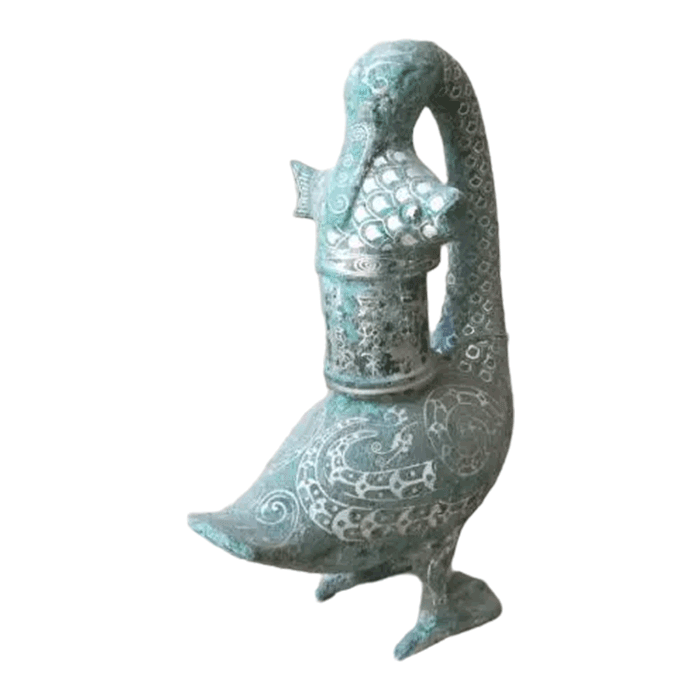
Gate 4: Approve wall thickness, hollow areas, and structural details
Bronze sculpture design must balance the desired appearance with appropriate material distribution. The foundry should review whether the object is solid or hollow, which areas require reinforcement, how large enclosed forms will be handled, and whether thin features need additional consideration. This review is particularly important for raised arms, wings, weapon-like elements, extended tails, delicate floral branches, narrow handles, and long vessel spouts.
Rather than asking only whether a design “can be cast,” teams should ask how the material plan affects appearance, handling, stability, and finishing. A proper review distinguishes between visual surfaces that should remain delicate and areas that need practical support. If a sculpture has a complex center of gravity, the base connection should be assessed early rather than after the exterior finish has been approved.
For outdoor pieces, discuss the intended mounting environment and exposure conditions during this gate. For indoor decorative artworks, focus may instead be placed on tactile edges, underside finishing, furniture contact points, and safe handling. The objective is to define the physical construction before final wax patterns are made.
Gate 5: Confirm gates, runners, vents, and shell planning
The term “gating” has a technical meaning within casting as well as a project-management meaning. In the technical sense, gates and runners form channels through which molten metal enters the mold. Vents support the flow and help manage gases during casting. In plan gating, the team approves the manufacturing approach before those wax components are attached and invested in ceramic shell.
Most clients do not need to prescribe the exact gating layout. However, they should understand that the layout is part of the foundry’s production engineering and may influence where cleanup work is required after casting. The client’s responsibility is to identify priority display surfaces, delicate details, and prohibited alteration zones. The foundry’s responsibility is to evaluate the form and select a practical approach consistent with the approved design.
At Luoyang Yichuan Bronze Craft Co., Ltd., premium Cu-Sn bronze alloy is cast using the traditional lost-wax method. Hand chasing, polishing, and patina finishing are available after casting, so it is important to plan surfaces with the finishing stage in mind rather than treating casting as the last design decision.
Finish approval should be treated as a production gate
Patina is not simply a color selected from a chart. It changes the perceived depth, age, contrast, and surface character of a bronze object. An antique-style finish may emphasize recesses and soften highlights, while a modern finish may call for clearer planes, more uniform tone, or selective polish. Designers should define the intended visual result using approved references and indicate whether variation is desirable or whether close color matching is required.
A finish approval package should identify the target base tone, highlight level, recessed color, polished areas, areas that must remain matte, and any directional treatment. If an object has several components, the team should state whether all sections must visually match or whether controlled contrast is part of the design. For a Buddhist statue, for example, a robe, halo, base, and facial features may need different visual emphasis even if the overall object has one primary patina direction.
Hand finishing also deserves early review. Hand chasing can refine seam areas, restore sculptural detail, and unify surface transitions following casting and assembly. However, it cannot be managed effectively without knowing which textures are intentional. Include close-up images of the desired surface, particularly when the design includes hand-tool marks, ancient-weathered effects, crisp contemporary planes, or deliberately irregular modeled textures.
The company offers antique and modern patina options and provides after-sales support for patina touch-ups and restoration guidance. These services do not remove the need for a clear initial finish approval; instead, they provide useful support for maintaining the intended appearance after delivery or installation.
Build a practical production approval package
A strong approval package saves time because it gathers visual, technical, and commercial requirements into one coordinated record. It should be sufficiently detailed for the people approving artwork, procurement, fabrication, installation, and shipping. Avoid relying only on informal messaging or a single low-resolution image, especially when the project has multiple parts or a carefully controlled finish.
| Approval item | What to provide | Why it matters |
|---|---|---|
| Artwork reference | 3D files, drawings, photos, or physical master details | Defines the approved form and detail level |
| Dimension schedule | Overall size, base size, critical feature measurements | Controls scale and installation compatibility |
| Segmentation notes | Priority viewing zones and prohibited seam areas | Guides wax division and assembly planning |
| Finish references | Color images, close-ups, gloss level, patina notes | Aligns visual expectations before finishing |
| Packaging needs | Fragile areas, orientation, destination, handling notes | Supports export-compliant protective packing |
| Acceptance criteria | Approved checkpoints and decision contacts | Prevents unclear or conflicting approvals |
Export planning should not be left until the finished sculpture is ready to ship. Fragile projections, thin decorative details, detachable components, and polished surfaces all influence protective packaging requirements. Luoyang Yichuan Bronze Craft Co., Ltd. provides export-compliant protective packaging for fragile sculptures and conducts quality inspection before every shipment. Build shipment handling notes into the approval package so packaging can be planned around the final object rather than added as an afterthought.
How buyers can manage approvals without slowing production
Good gating does not mean endless meetings. It means assigning the right decisions to the right stage. Set one decision owner for artwork, one for technical or installation questions, and one for commercial release where possible. Consolidate comments internally before sending them to the foundry. Conflicting annotations from multiple reviewers can delay wax planning and create uncertainty about the final approved direction.
- Submit the approved artwork package and identify all critical visual requirements.
- Review dimensions, scale, base, structural interfaces, and intended location.
- Approve the proposed segmentation approach and identify sensitive seam zones.
- Confirm the finish direction with visual references and surface notes.
- Release the project for wax, shell, casting, chasing, and patina work.
- Review the agreed pre-shipment information and packing requirements.
For custom projects, one of the most effective practices is to distinguish between “must match” and “acceptable variation.” A portrait’s facial expression may be a must-match feature. Slight organic variation in hand-applied patina may be acceptable if the project brief allows it. The more clearly this distinction is stated before wax work, the easier it is to focus attention on the details that define project success.
Buyers should also identify the intended product category because expectations differ. Teams sourcing figure-based works may compare human bronze statue styles, while animal commissions may require attention to balance, anatomy, and tail or limb protection. Decorative interior projects may instead prioritize the finish, vessel silhouette, and safe contact surfaces of incense burners, mirrors, or bronze home objects.
Choose a foundry partner with clear quality accountability
Plan gating is most effective when the manufacturing partner has defined quality practices and experienced finishing capability. Luoyang Yichuan Bronze Craft Co., Ltd. is ISO 9001 quality management system certified, and its products comply with export quality inspection standards for art crafts. These are relevant trust signals for procurement teams that need an organized approach to custom production and pre-shipment review.
The company has an annual output of more than 50,000 bronze art pieces and can support both prototype development and bulk production runs. Bulk-order arrangements are negotiable according to size and design complexity. This allows a buyer to use the same structured approval logic for a single presentation piece, a limited-edition series, or a larger decorative-art procurement program.
Before release, confirm the agreed inspection points, finish standard, count, and packing information. The company offers free replacement for casting defects, subject to its after-sales terms, and provides guidance for patina touch-ups and restoration. A precise plan-gating record helps all parties determine whether a delivered work aligns with the approved production plan and protects the value of the completed bronze artwork.
When artwork, casting engineering, hand finishing, and shipment requirements are reviewed in sequence, custom bronze production becomes more predictable without sacrificing artistic character. The result is a better foundation for turning approved sculpture or decorative-object files into wax patterns, ceramic shells, cast bronze, and finished pieces ready for installation or export.