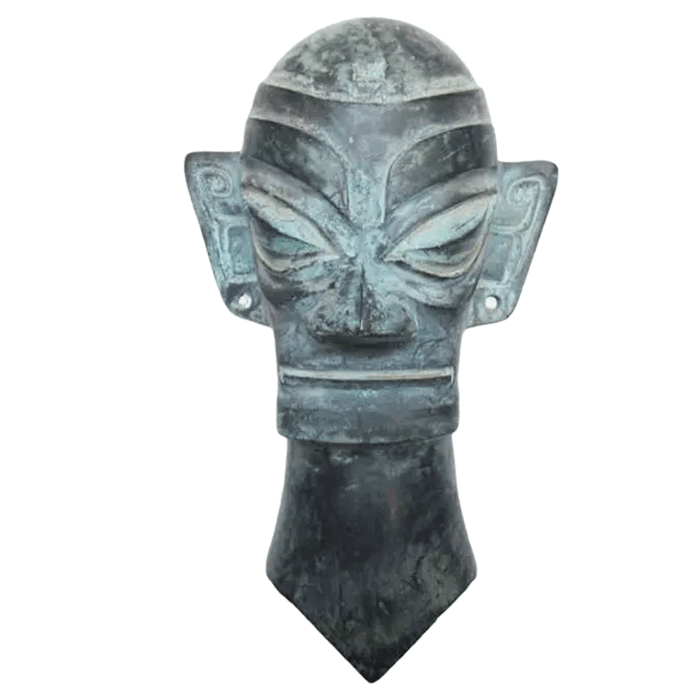
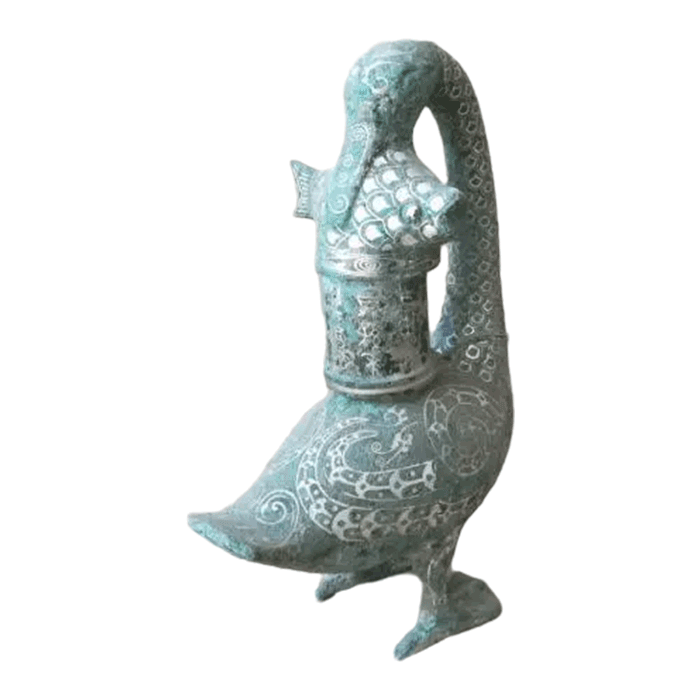
Museum Quality Bronze Reproductions Sourcing Guide
How to Source Museum quality bronze reproductions for professional collections
Sourcing bronze reproductions for a museum shop, gallery program, cultural project, or interior installation requires more than comparing catalog photographs and unit prices. Buyers must assess whether a supplier can translate historical references, collection-approved concepts, or original artwork into durable bronze pieces with controlled proportions, credible surface character, and reliable export preparation.
The term “museum quality” can mean different things depending on the buyer’s project. For a museum retailer, it may refer to an accurate miniature inspired by a collection object. For a gallery, it may describe a limited decorative edition with refined finishing. For an architectural buyer, it may mean a large bronze sculpture that needs stable construction, repeatable color, and secure shipping. Before requesting quotations, define the standard in practical, measurable terms.
Luoyang Yichuan Bronze Craft Co., Ltd. manufactures bronze sculptures, animal and human statues, ritual-style vessels, bronze mirrors, incense burners, Buddhist statues, and custom bronze artworks. Located in Yichuan County, Luoyang, Henan Province, the company operates a 3,000-square-meter production area with more than 30 skilled craftsmen, including bronze-casting masters and finishing artisans. Its production capabilities cover single custom prototypes through negotiable bulk production runs, with annual output exceeding 50,000 bronze art pieces.
Define what Museum quality bronze reproductions mean for your project
A successful sourcing process starts with a written product brief. “High quality” alone is too subjective for a supplier to quote accurately or for a buyer to inspect consistently. A useful brief identifies the object type, intended customer or display environment, required dimensions, design reference, expected patina, quantity, and packaging requirements.
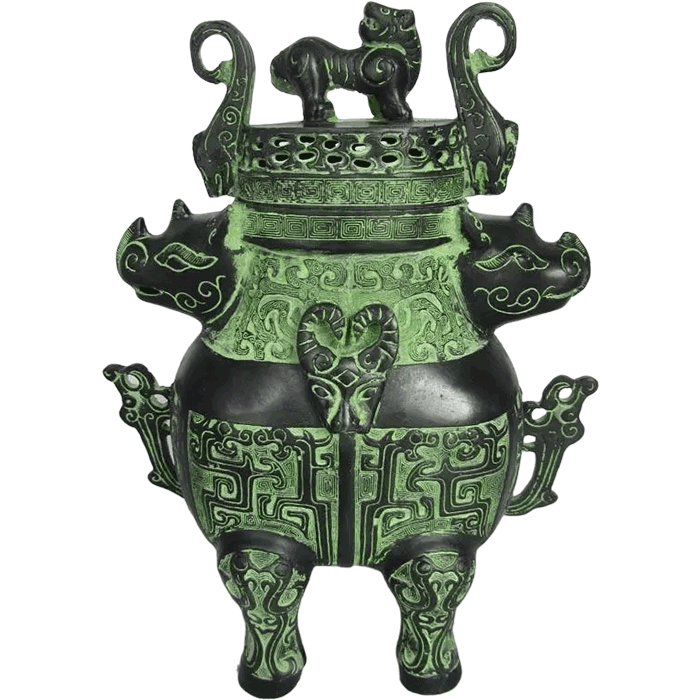
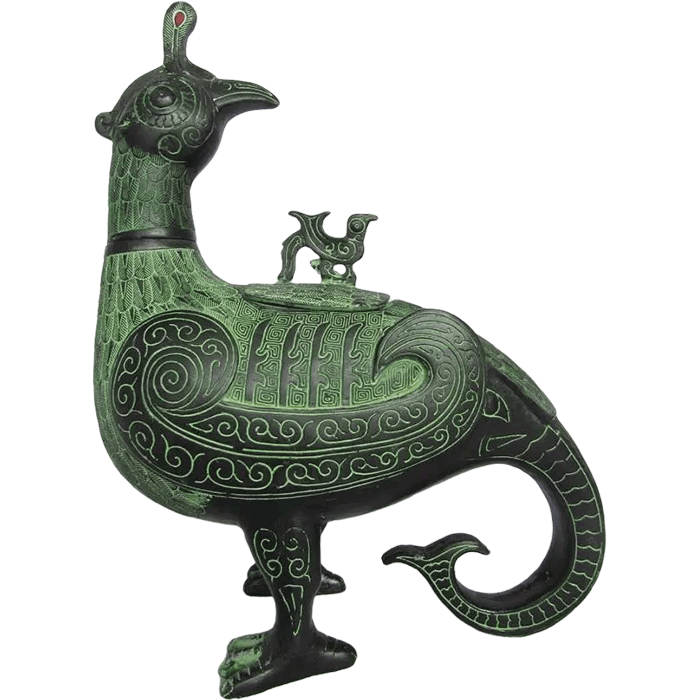
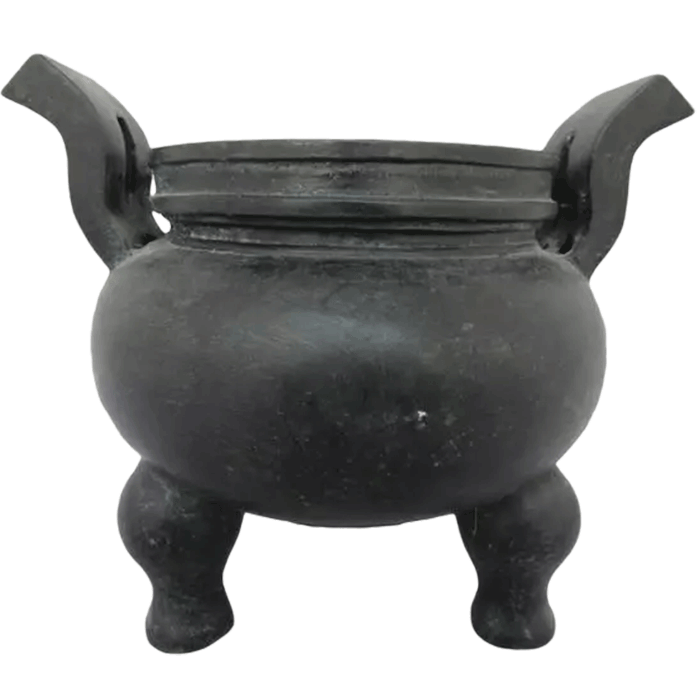
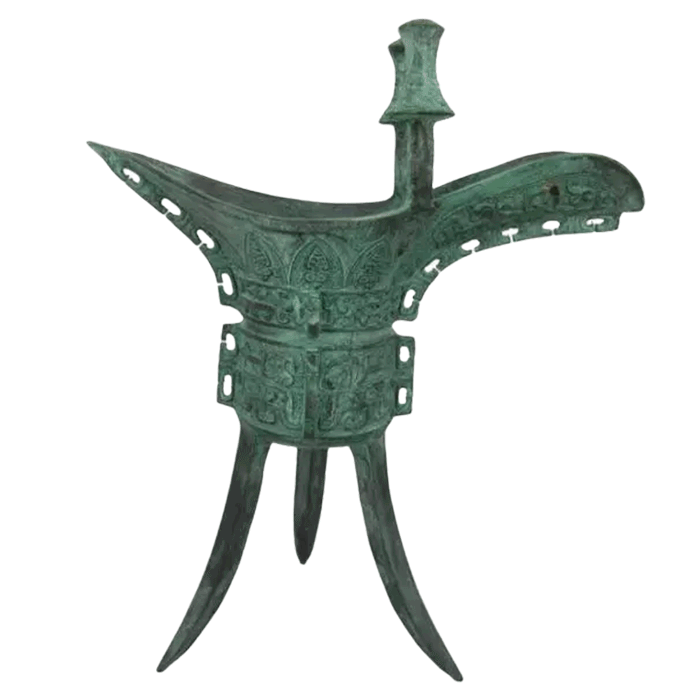
For historical replicas, buyers should clarify whether the priority is visual resemblance, scaled dimensional accuracy, symbolic motif reproduction, functional form, or a contemporary interpretation. A reproduction of a ding, zun, hu, mirror, or incense burner may require close attention to handles, feet, relief bands, inscriptions, geometric decoration, and the depth of aged surface effects. Reviewing historical forms can help procurement teams communicate their expectations. For example, a supplier reference page on several bronze wares may help buyers identify the vessel categories and decorative features relevant to their brief.
For figurative work, the brief should distinguish between a faithful reproduction and an artwork inspired by a historical visual language. Portraits, Buddhist figures, animals, and human statues often require more detailed approval because anatomy, facial expression, garment folds, and hand-held elements can be visually sensitive. If the project concerns traditional forms, reviewing examples of chinese bronze sculpture can also help procurement teams specify the preferred style direction.
Key details to include in a sourcing brief
- Product category, such as sculpture, vessel, mirror, incense burner, or Buddhist statue.
- Reference images, drawings, photographs, or digital files with clear usage rights.
- Overall dimensions, target weight range if relevant, and acceptable tolerances.
- Required bronze color, including antique, dark brown, blackened, green-toned, or modern metallic appearance.
- Whether the surface should appear smooth, aged, textured, chased, polished, or intentionally irregular.
- Quantity for the prototype stage and for the expected production run.
- Display or installation conditions, including indoor retail, gallery display, hospitality use, or outdoor exposure.
- Required packaging, labeling, shipment destination, and import documentation needs.
Clear specification reduces quotation revisions and helps suppliers determine the right mold approach, casting plan, finishing labor, and protective packaging method.
Evaluate alloy, casting method, and workmanship
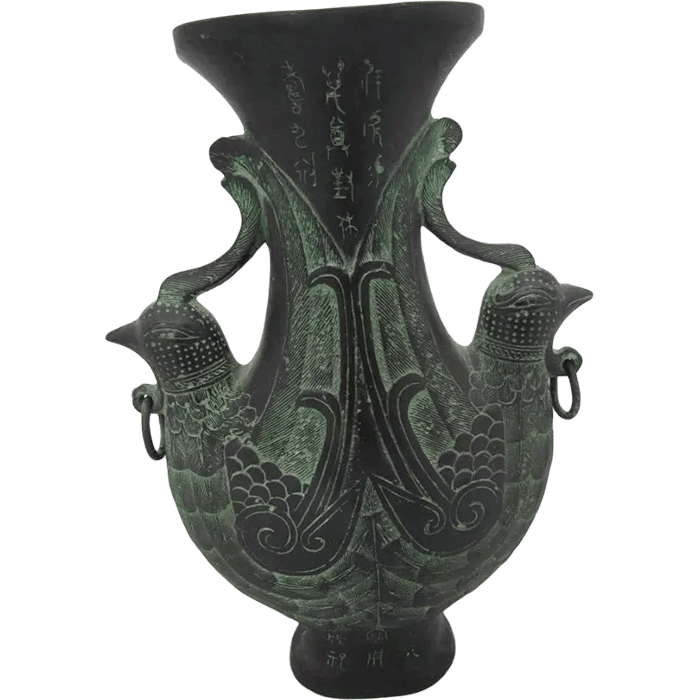
The material and production method influence both the appearance and service life of a bronze reproduction. Buyers should ask suppliers what alloy is used, how the piece will be cast, and which finishing operations will be completed by hand. These questions are especially important when a product must look substantial, retain fine relief, or match a reference object with complex decorative details.
Luoyang Yichuan Bronze Craft Co., Ltd. uses premium Cu-Sn bronze alloy and the traditional lost-wax casting method. Lost-wax casting is well suited to artworks with sculptural modeling, undercuts, textured surfaces, detailed ornament, and small features that can be difficult to achieve through simplified production methods. The process begins with a model or pattern, followed by a wax version, ceramic shell preparation, metal casting, shell removal, chasing, and finishing.
Buyers should not assume that all bronze-colored items are made from the same material. Bronze and brass differ in composition and can present different visual and working characteristics. Procurement teams that need to explain material choices to curators, designers, or retail customers may find it useful to review the difference between bronze and brass before finalizing specifications.
What to inspect in casting quality
When evaluating a supplier, request close-up images or a prototype review that focuses on craftsmanship rather than only overall appearance. Fine bronze work should be assessed across visible and structural areas. Look for crisp transitions in relief patterns, even treatment around joins, stable edges on handles and legs, and surfaces that support the intended patina without distracting defects.
- Detail retention: Decorative lines, inscriptions, facial features, feathers, scales, and textile patterns should remain legible at the intended viewing distance.
- Chasing quality: Hand chasing should refine casting seams and surface transitions without removing important modeled detail.
- Structural balance: Vessels should sit correctly, statues should have appropriate support, and projecting elements should be considered during packing and display.
- Surface consistency: The finish should align with the approved sample, especially across large visible planes and repeated production pieces.
- Fit of separate components: If an item includes a removable lid, base, handle, or assembled element, the buyer should confirm the expected fit and final inspection method.
For buyers sourcing bronzes inspired by mirrors or small ceremonial objects, surface detail is particularly important because the buyer’s customer may handle the item at close range. Reference material on several bronze mirrors can help teams identify the decorative and structural points they need to discuss with a supplier.
Control scale, reference accuracy, and prototype approval
Reference accuracy is a central issue when sourcing reproductions. Even a well-cast bronze piece may not meet project requirements if its silhouette, scale, decoration, or finish does not correspond to the approved concept. The supplier-shortlisting stage should therefore include discussion of how the manufacturer will work from the available reference materials.
Provide the best source information available. This may include front, side, rear, and top photographs; measured drawings; 3D scans; artwork files; clay maquettes; or dimensional records. If only photographs are available, identify known measurements in the image, such as total height, rim diameter, base width, or handle span. Without clear dimensions, a supplier may need to estimate proportions, which introduces approval risk.
For original commissions, buyers should establish who approves the sculptural interpretation before production begins. A prototype is particularly valuable when an order involves a new form, an important branded retail item, a complex antique replication, or a project requiring multiple matching pieces. Luoyang Yichuan Bronze Craft Co., Ltd. supports custom sculpture orders from one piece, allowing buyers to begin with a prototype before discussing larger production quantities.
Custom work should be managed through defined approval checkpoints. This is more efficient than attempting to resolve all details after casting, when major adjustments can be more difficult. Buyers seeking a customized workflow can review options to customize a bronze sculpture while preparing their project documentation.
A practical approval sequence
- Submit reference material, dimensions, quantity, and finish requirements.
- Confirm the supplier’s interpretation of scale, material, production method, and quotation basis.
- Review a model, wax stage, prototype, or other agreed pre-production reference where appropriate.
- Approve the target patina with photographs, samples, or documented color expectations.
- Confirm packaging needs before bulk production is completed.
- Review final inspection images or agreed quality records before shipment.
For complex projects, buyers should keep the approved reference package in one controlled file set. This avoids confusion when multiple stakeholders, such as curators, designers, merchandising teams, project managers, and logistics staff, are involved in the approval process.
Specify patina, color matching, and final surface character
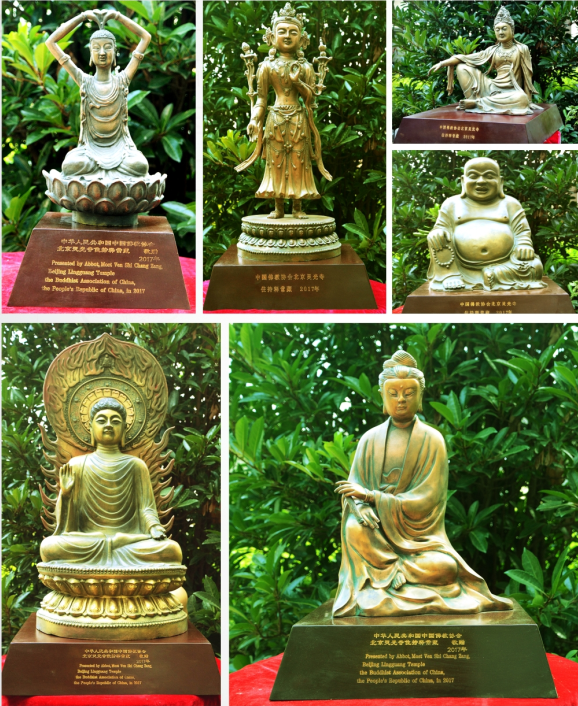
Patina is one of the most important visual factors in bronze sourcing. Two pieces with identical dimensions and identical casting detail can appear completely different when their surface colors, highlights, textures, or polishing levels vary. For projects that include repeated pieces, a controlled patina standard is essential.
Buyers should describe patina in more detail than “antique bronze” or “green bronze.” A productive specification can include dominant color, darker recessed areas, polished high points, degree of gloss, visible texture, and any intentional aging effects. It is also helpful to provide a physical color reference, approved photograph under defined lighting, or a previous sample when a close match is required.
Luoyang Yichuan Bronze Craft Co., Ltd. offers hand chasing, polishing, and patina finishing in antique or modern looks. The company also addresses consistent patina color matching for custom bronze art sourcing. Because hand-applied finishes can vary with surface texture, geometry, and lighting, buyers should approve the finish expectation before a large run begins and define how much natural variation is acceptable.
| Patina Requirement | Information to Provide | Inspection Focus |
|---|---|---|
| Antique dark bronze | Reference image showing recesses and highlighted edges | Depth of color, evenness, and contrast on raised details |
| Green-aged appearance | Desired green tone, coverage level, and brown base color | Distribution of color and avoidance of unintended bright areas |
| Modern polished finish | Gloss target and required brushed or smooth texture | Polishing uniformity and visible handling marks |
| Collection-matched finish | Approved sample or controlled photography with written notes | Color consistency across the batch and under agreed lighting |
It is wise to distinguish between a historically inspired patina and a claim of natural antiquity. Reproductions should be marketed accurately as newly made bronze works or reproductions, with descriptions that reflect the project’s approved product positioning.
Assess quality systems, capacity, and order flexibility
Supplier selection should combine craftsmanship review with operational evaluation. A manufacturer may produce attractive one-off pieces but lack the organization needed for repeatable retail or project orders. Conversely, a high-output workshop may not be suited to detailed custom work. Buyers should look for evidence that the supplier can support the specific balance of artistry, quantity, timing, and inspection required.
Luoyang Yichuan Bronze Craft Co., Ltd. is certified under the ISO 9001 quality management system, and its products comply with export quality inspection standards for art crafts. The company performs quality inspection before every shipment and offers free replacement for casting defects. It also provides after-sales support for patina touch-ups and restoration guidance.
For custom sculptures, the minimum order quantity begins at one piece. Bulk-order quantities are negotiable according to design complexity and size. This flexibility can be valuable for museum shops testing a new product line, galleries commissioning a limited edition, or project buyers requiring a sample before a larger rollout.
Supplier questions for the shortlisting stage
- Can the supplier work from the buyer’s drawings, images, models, or dimensional data?
- Which bronze alloy and casting method are proposed for this particular design?
- What hand-finishing stages are included in the quoted scope?
- How will the supplier document or control the approved patina?
- What inspection is performed before shipment?
- Can the supplier provide export-compliant protective packaging for fragile sculptures?
- What is the process if a casting defect is identified?
- Can the supplier accommodate a one-piece prototype and later bulk production?
A useful supplier comparison should not focus on unit price alone. Compare the completeness of the quotation, the clarity of the production explanation, the supplier’s response to technical questions, and the ability to identify project risks early. A lower initial quote may omit molding, finishing, packaging, or other requirements that are essential to the finished product.
Plan packaging, shipment, and after-sales support
Fragile bronze sculptures and detailed vessels need packaging that protects both the structure and the finished surface. Projections such as animal legs, handles, crowns, fingers, weapons, finials, and vessel rims can be vulnerable during transport. Patinated surfaces also require careful handling to reduce friction and avoid avoidable abrasion.
Buyers should describe the shipping route, destination, handling requirements, and whether items will be sent directly to a museum shop, gallery, warehouse, exhibition site, or project installation location. Export-compliant protective packaging is particularly important for items with delicate cast details or irregular shapes. Packaging requirements should be discussed before production is complete rather than treated as a final logistics detail.
For multi-piece orders, confirm whether each item needs individual labeling, SKU identification, installation instructions, condition photographs, or retailer-ready presentation. These details can affect packing configuration and order handling. When a project contains several different designs, a packing list matched to product photographs can simplify receiving and quality checks at destination.
After-sales support also matters for bronze products because surfaces may need guidance on care, display, or minor patina touch-ups. Luoyang Yichuan Bronze Craft Co., Ltd. provides support for patina touch-ups and restoration guidance after shipment. Buyers should retain the final approved finish images and care requirements for future reference.
Build a supplier shortlist with a structured comparison
The best sourcing decision is based on evidence rather than assumptions. Create a comparison sheet that ranks suppliers across design interpretation, bronze material, casting process, detail finishing, patina capability, inspection process, packaging, custom-order flexibility, and communication quality. This approach helps teams compare suppliers fairly even when quotes are structured differently.
For museum shops and galleries, the ideal partner is not necessarily the supplier with the largest standard catalog. It is a manufacturer that can understand the object’s visual purpose, work carefully from approved references, produce suitable bronze construction, and protect the finished work for export. For cultural or architectural projects, the same principle applies: the supplier should be able to connect artistic requirements with practical production and logistics planning.
When sourcing Museum quality bronze reproductions, use the first quotation request as a technical conversation rather than simply a price inquiry. Share complete references, ask direct questions about alloy and lost-wax casting, define patina expectations, request a clear prototype route where needed, and confirm inspection and packaging arrangements. This process gives buyers a stronger foundation for selecting a bronze supplier that can support both visual standards and commercial requirements.