Museum Quality Bronze Reproductions Priced by Finish
Museum quality bronze reproductions priced by finish for every procurement budget
Procurement teams sourcing bronze reproductions for retail collections, exhibition halls, or institutional galleries face a recurring question at the quotation stage: how does finish selection affect unit cost, lead time, and long-term durability? Finish is not a cosmetic afterthought — it determines the labor hours, material treatment, and quality-control steps required before a piece leaves the foundry. This guide breaks down pricing logic by finish category so buyers can build an accurate budget before requesting formal quotes.
Understanding Finish Types and How They Shape Cost
Bronze alloy castings produced through the traditional lost-wax method share the same base casting process, but the finishing stage is where cost variation begins. A raw casting requires hours of hand chasing to refine surface detail, followed by polishing, and then one of several finishing treatments: antique patina, modern polished bronze, or gilded/high-relief work. Each stage adds labor time from skilled artisans, and labor — not raw metal — is typically the largest cost driver in a reproduction program.
Buyers comparing quotes should ask suppliers to itemize casting, chasing, and finishing costs separately. This transparency helps identify where budget can be trimmed without compromising the structural integrity of the piece. For background on how finishing techniques evolved from ancient ritual vessels to modern decorative pieces, see this overview of the evolution of bronze culture over 2000 years.
Budget Tiers by Finish Category
Antique Patina Finish — Entry to Mid Budget
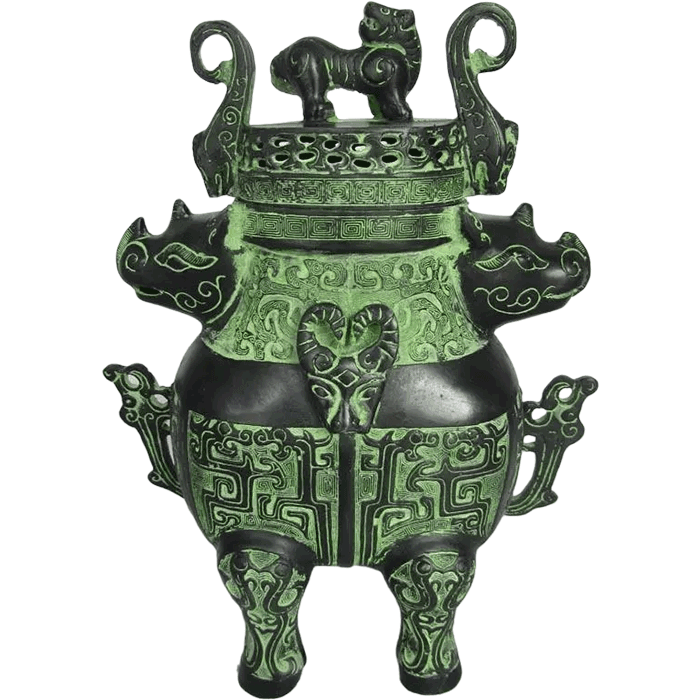
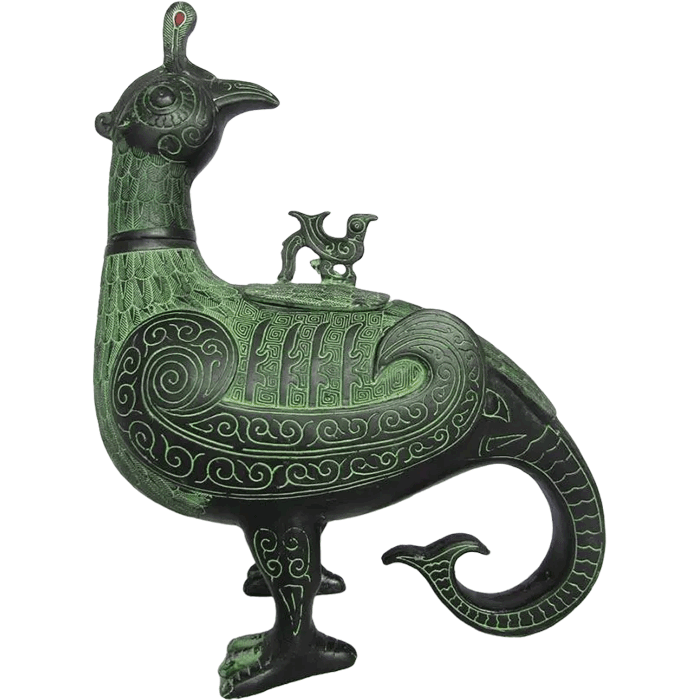
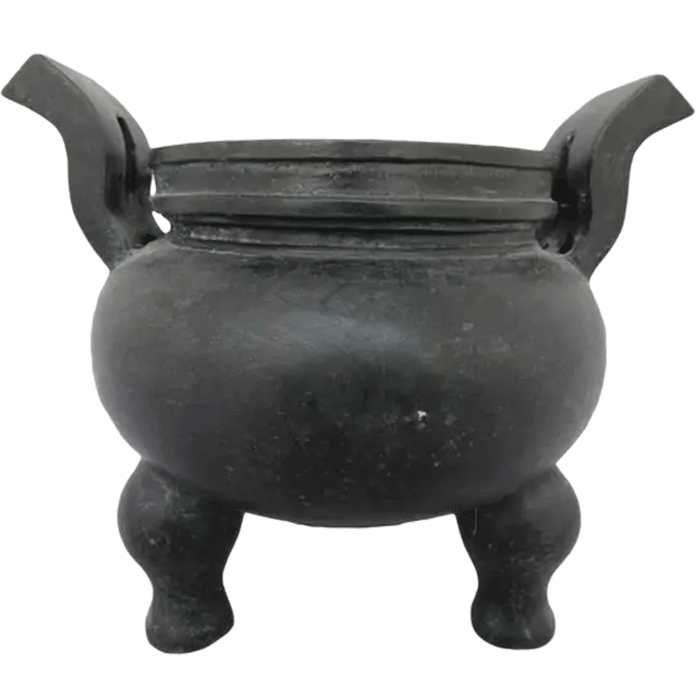
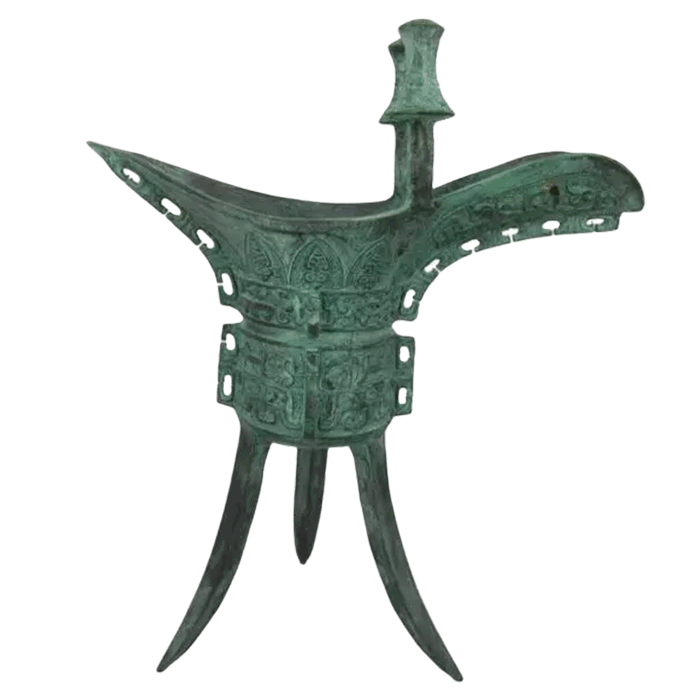
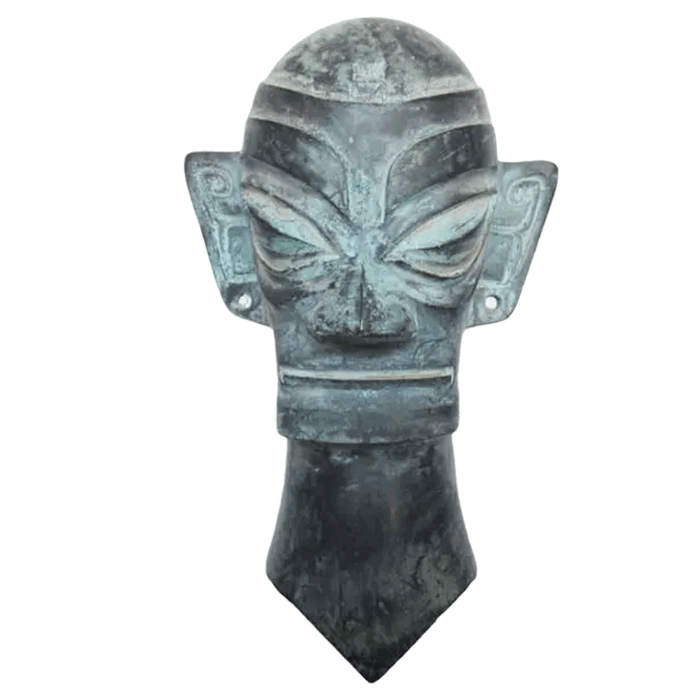
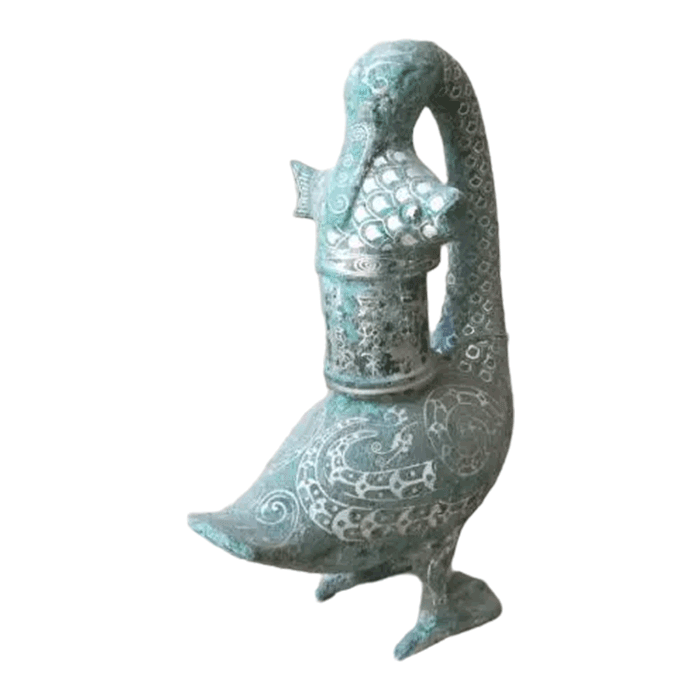
Antique patina is the most commonly requested finish for reproductions of historical bronzes, including ding, zun, and hu vessels. Chemical and heat-applied patina layers replicate the oxidized green, brown, or black surfaces found on excavated originals. This finish is generally the most cost-efficient because it requires fewer polishing passes than a mirror-bright surface, though achieving consistent color matching across a production batch still demands an experienced finishing team. Buyers building exhibition sets with multiple identical pieces should request patina color samples before committing to bulk production, since slight batch variation is common with hand-applied oxidation.
Modern Polished Bronze — Mid Budget
Polished bronze, left in its natural warm gold tone or lightly lacquered for tarnish resistance, is typically chosen for human and animal statues intended for retail display or corporate lobbies. This finish requires more polishing labor than patina work to achieve an even, reflective surface, which places it in the mid-to-upper budget range. It pairs well with contemporary sculptural themes as well as classical forms; browsing a range of bronze statues with different themes can help buyers gauge which silhouette and finish combination fits their space.
Gilded and High-Relief Finishes — Premium Budget
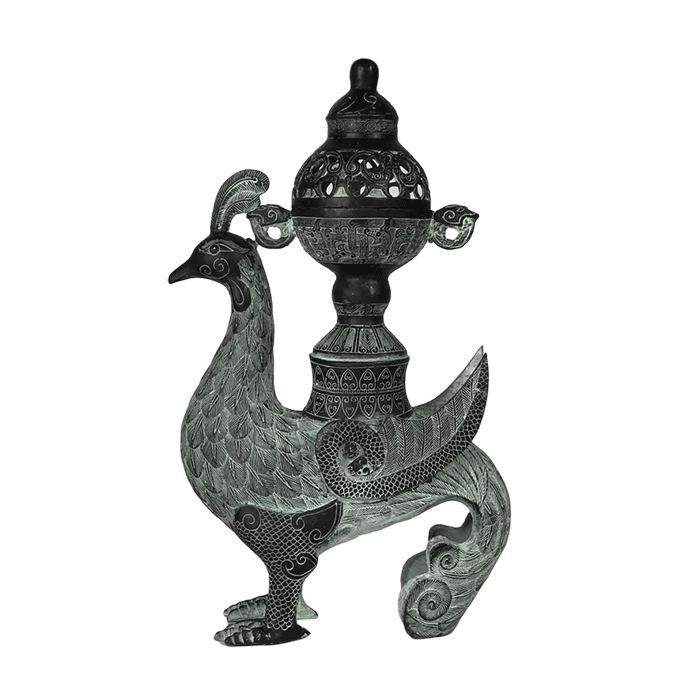
Gilded finishes, often applied to Buddhist statues, incense burners, and ceremonial vessels, involve gold leaf or gold-toned plating layered over a polished base. High-relief surface carving adds further labor hours during the chasing stage. These finishes carry the highest per-piece cost but are often specified for religious institutions, museum gift shops, and collectors seeking a closer visual match to gilded antiques. Buyers researching the historical basis for these finishes may find it useful to review material on the Houmuwu square cauldron, one of the most referenced bronze forms in reproduction catalogs.
Volume, MOQ, and Lead Time Considerations for Procurement Teams
Finish decisions should be evaluated alongside order volume. A production facility with an annual output of over 50,000 bronze art pieces and a 3,000-square-meter production area, supported by more than 30 skilled craftsmen including bronze-casting masters and finishing artisans, can typically accommodate both single custom prototypes and bulk production runs without disrupting delivery schedules. For institutional buyers testing a new finish or vessel design, an MOQ starting from 1 piece for custom sculptures allows a sample order before committing to a larger batch — a practical way to validate patina color consistency or polish quality ahead of a full purchase order.
Bulk orders for retail or exhibition programs are generally negotiated based on sculpture size and design complexity, since larger ding tripods or multi-figure statue groups require more mold preparation and curing time than smaller mirrors or incense burners. Procurement teams should request a written lead-time estimate tied specifically to their chosen finish, since gilded and high-relief work extends production time compared to standard patina treatments.
Quality Assurance and After-Sales Support for Institutional Buyers
Budget planning should also account for quality assurance infrastructure, since defect rates and after-sales policy directly affect total cost of ownership. Production under an ISO 9001 quality management system, with products made to comply with export quality inspection standards for art crafts, gives buyers a documented basis for vendor qualification during procurement review. Every shipment undergoes quality inspection before dispatch, and casting defects are covered by free replacement, reducing the financial risk of a damaged or flawed batch arriving at a gallery or retail location.
Export-compliant protective packaging is a frequent pain point for institutional buyers importing fragile sculptures, particularly tall human figures or wide-mouthed vessels prone to shipping damage. Confirming packaging specifications — crate materials, internal bracing, humidity protection — during the quotation stage prevents unexpected costs from damage claims or reshipment. After-sales support covering patina touch-ups and restoration guidance is also worth clarifying upfront, especially for exhibition pieces that will be handled frequently or displayed outdoors.
How to Build a Finish-Based Budget Proposal
When assembling a procurement proposal that compares museum quality bronze reproductions across multiple finish tiers, structure the request for quotation around these variables:
- Finish category (antique patina, modern polished, gilded/high-relief)
- Piece size and design complexity (affects mold preparation and curing time)
- Order volume and whether a single sample precedes bulk production
- Packaging and freight requirements for fragile or oversized pieces
- Warranty terms, including defect replacement and after-sales restoration support
Buyers sourcing custom replicas of specific historical artifacts — whether a chime bell set, a ceremonial sword, or a ritual vessel — should also budget time for design review. Reference pieces such as the Zenghouyi chime bell and Qinshihuang mausoleum bronze chariots and horses illustrate how intricate surface detail and multi-component assemblies can shift a project from mid-budget to premium-budget territory, regardless of the finish chosen.
For teams exploring a fully custom concept rather than a catalog replica, starting the conversation early allows the foundry to advise on which finish will deliver the best visual result within a given budget ceiling. Details on scope, materials, and timeline can be discussed when buyers customize a bronze sculpture from sculpmart.com, where prototype review precedes full production commitment.
Closing Considerations for Quotation-Stage Buyers
Finish selection is the single biggest lever procurement teams have for managing per-unit cost in a bronze reproduction program, more so than minor adjustments to alloy composition or sculpture size. Antique patina remains the most budget-friendly route for buyers needing visual authenticity at scale, modern polished finishes suit retail and corporate display needs at a moderate premium, and gilded or high-relief work should be reserved for flagship pieces where budget allows. Pairing finish decisions with clear documentation — ISO 9001 certification, pre-shipment inspection records, and defect replacement terms — gives institutional buyers the confidence to move from quotation to purchase order with a realistic, defensible budget. Those new to bronze procurement may also find it helpful to review about sculpmart before finalizing vendor selection, particularly when comparing production capacity and craftsmanship credentials across suppliers.