Museum Quality Bronze Reproductions: Buyer Proof FAQ
Museum Quality Bronze Reproductions Start With Verifiable Casting Proof
Procurement teams sourcing bronze reproductions for museums, hospitality projects, heritage sites, or corporate collections face a recurring problem: photographs on a supplier's website rarely prove manufacturing competence. Before a purchase order is approved, buyers need documented answers about alloy composition, casting method, patina consistency, and shipping protection. This FAQ-style guide walks through the proof points that procurement teams should request from any bronze art manufacturer, using the standards applied at Luoyang Yichuan Bronze Craft Co., Ltd. as a working reference.
Why Buyer Proof Matters More Than Marketing Claims
Bronze reproduction orders are difficult to reverse once cast. A mismatched patina tone, an incorrect alloy ratio, or a shipment damaged by inadequate crating can delay an exhibition opening or a hotel installation by months. Procurement teams preparing approval criteria should treat the following questions as a checklist, not a courtesy — each answer should be backed by a certificate, inspection record, or physical sample rather than a verbal assurance.
At Luoyang Yichuan Bronze Craft Co., Ltd., quality verification is built into daily production rather than treated as a final-stage audit. The factory operates under an ISO 9001 quality management system, and finished pieces are produced to meet export quality inspection standards for art crafts. For buyers evaluating multiple suppliers, asking for the certification number and scope of ISO 9001 coverage is a simple, verifiable first step.
FAQ: Casting Process and Material Proof
What casting method is used, and why does it matter?
Traditional lost-wax casting remains the industry benchmark for reproducing fine surface detail on ancient bronze vessels, Buddhist statues, and figurative sculptures. Unlike sand casting, lost-wax casting allows a single wax model to be sculpted or molded with the same intricacy as the original artifact, then cast in a premium bronze alloy (Cu-Sn). Buyers should ask whether a supplier casts in-house or outsources — Yichuan Bronze Craft maintains its own 3,000-square-meter production facility staffed by more than 30 skilled craftsmen, including dedicated bronze-casting masters and finishing artisans, which keeps the entire process under one roof and traceable.
Can the alloy composition be confirmed before shipment?
A reputable manufacturer should be able to state the copper-tin ratio used in casting and explain how that ratio affects durability, weight, and the resulting patina tone. Buyers comparing antique reproductions against modern decorative pieces should request alloy specifications in writing as part of the order confirmation, not after delivery.
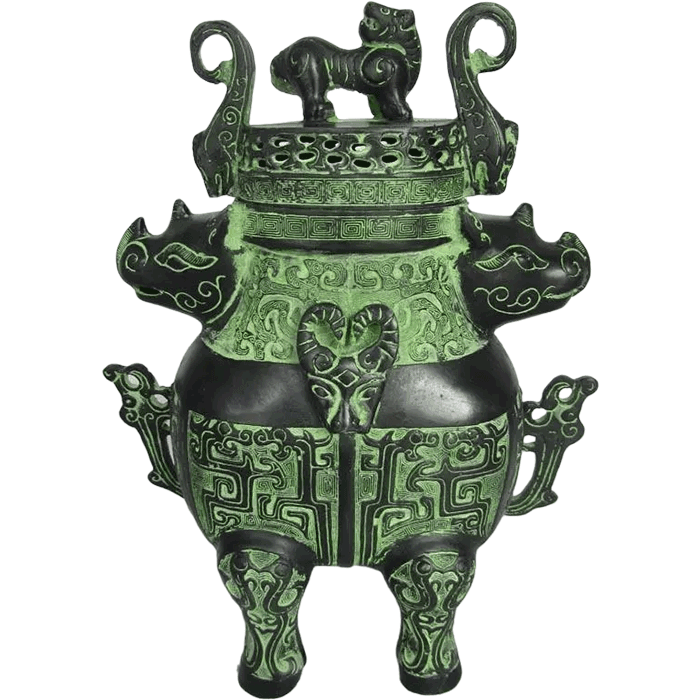
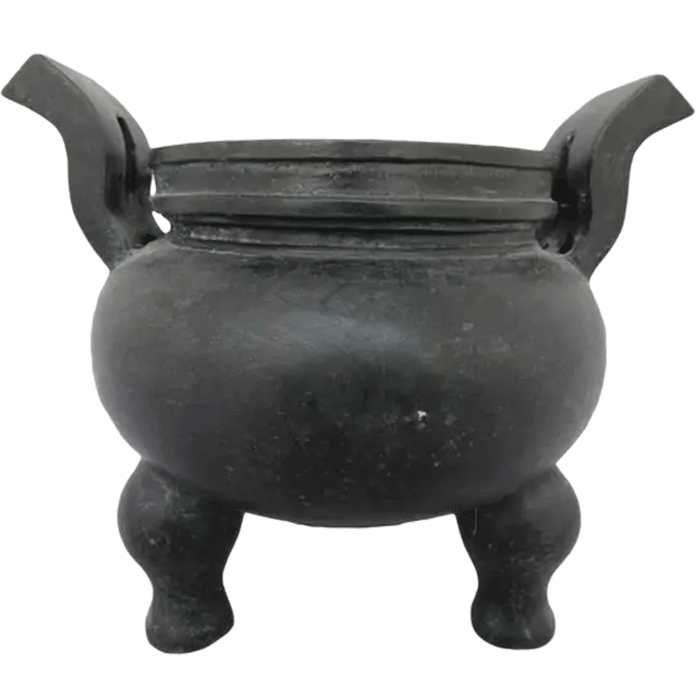
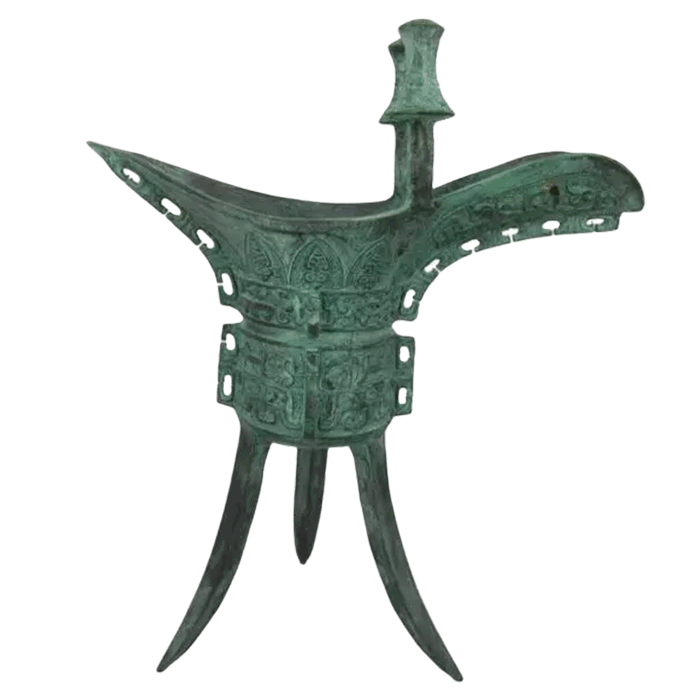
For procurement teams researching the historical basis of specific vessel forms — ding tripods, zun wine vessels, or hu vases — background reading on the evolution of bronze culture over 2000 years can help align reproduction specifications with the correct historical period and form.
FAQ: Patina, Finishing, and Visual Accuracy
How is patina color matched across a bulk order?
Color consistency is one of the most common sourcing pain points in bronze reproduction procurement. A single sample piece may look correct, but a batch of 50 statues shipped to a single site needs uniform patina tone under consistent lighting. Hand chasing, polishing, and patina finishing should be performed by the same finishing team using a documented reference sample, whether the target look is an aged antique bronze or a clean modern surface.
Can an existing antique piece be replicated exactly?
Exact replication requires either a physical sample, detailed photographs from multiple angles, or precise measurements and surface rubbings. Procurement teams working from museum archive references should confirm the manufacturer can produce a prototype for approval before committing to a bulk production run — this is standard practice for custom bronze artwork orders where MOQ starts from a single piece.
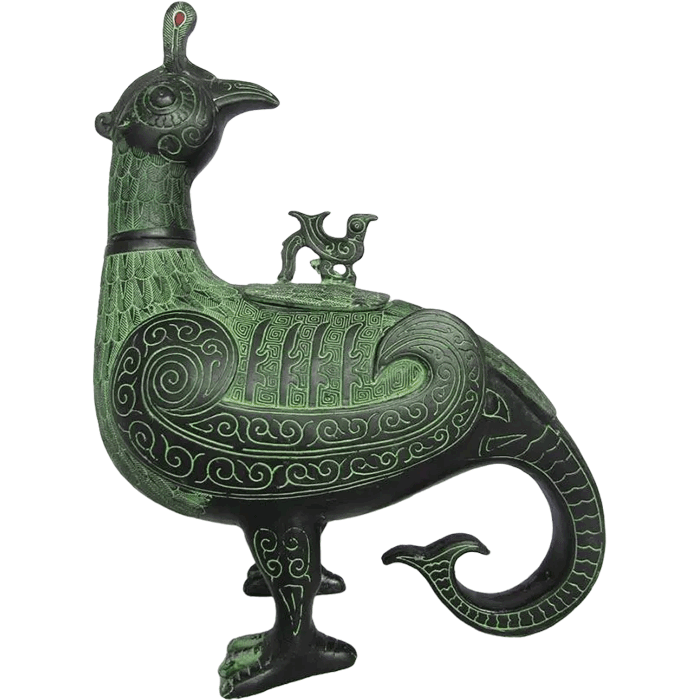
Buyers researching specific historical reproductions, such as the Changxin Palace Lantern or the Bronze Galloping Horse, often find it useful to review documented examples before finalizing a custom brief. See Changxin Palace Lantern and Bronze Galloping Horse for reference imagery and historical context that can inform a specification sheet.
FAQ: Packaging, Shipping, and After-Sales Protection
What inspection happens before a shipment leaves the factory?
Every order should pass a quality inspection prior to dispatch, covering surface finish, patina uniformity, structural integrity, and dimensional accuracy against the approved sample or drawing. Buyers should ask for inspection photos or a signed inspection report as part of the shipping documentation package, especially for large or fragile sculptures.
How are fragile bronze pieces protected during export?
Export-compliant protective packaging is a frequent gap among smaller workshops. Fragile sculptures, especially tall human or animal statues and large incense burners, need custom crating that accounts for weight distribution and vibration during ocean or air freight. Procurement teams should request packaging specifications and, where possible, photos of a prior shipment's crating before approving the final purchase order.
What happens if a casting defect is discovered after delivery?
Confirm the supplier's after-sales terms in writing before payment. At Yichuan Bronze Craft, casting defects identified after delivery are addressed through free replacement, and the after-sales team provides guidance for patina touch-ups and restoration — a relevant assurance for buyers managing long-term installations such as temple statues or outdoor garden sculptures that may need maintenance years after installation.
Building a Specification Sheet Procurement Teams Can Approve
What information should a request for quotation include?
To get an accurate quote and avoid revision delays, procurement teams should prepare the following before contacting a bronze art manufacturer:
- Reference images or measurements of the original piece, or a design brief for a new custom artwork
- Target dimensions, weight limits, and intended installation environment (indoor, outdoor, high-humidity, etc.)
- Desired patina finish — antique green, dark bronze, gilded, or polished modern surface
- Order quantity and whether a single approval prototype is required before bulk casting
- Destination country and any import documentation requirements for art crafts
Because custom bronze sculptures can start from a single prototype unit, buyers do not need to commit to a large bulk run just to evaluate casting quality and patina accuracy. This makes it practical to validate a supplier on a small trial order before issuing a larger procurement contract. Teams exploring design options across categories — sculptures, vessels, mirrors, incense burners, and Buddhist statues — can review a working range through the chinese bronze sculpture catalog as a starting reference point for specification discussions.
How should buyers evaluate sample pieces?
When a prototype or sample arrives, inspect it against four criteria: surface detail sharpness compared to the reference image, patina color under both indoor and natural daylight, wall thickness and weight consistency, and the quality of any mounting or base hardware. Document any requested adjustments in writing before authorizing bulk production, since revisions become more costly once a mold or wax model has been finalized for a full run.
Buyers sourcing figurative pieces — whether historical generals, religious icons, or wildlife statues — may also want to compare finishing styles across human and animal subject categories before finalizing a brief, which helps clarify expectations around proportion and surface texture ahead of the quoting stage.
Final Checklist Before Signing the Purchase Order
Before approving a bronze reproduction order, procurement teams should confirm: a valid ISO 9001 certificate and export quality compliance, a clear statement of the Cu-Sn alloy ratio and lost-wax casting process, a documented patina-matching procedure for multi-unit orders, pre-shipment inspection reporting, export-grade protective packaging details, and written after-sales terms covering replacement and restoration support. Treating these six points as mandatory, rather than optional, is what separates verifiable museum quality bronze reproductions from pieces that only look convincing in a product photo.
For buyers who want to see how historical bronze forms translate into modern reproduction briefs, reviewing documented case studies on vessel types and casting periods — such as pieces from the Spring and Autumn and Warring States eras — can help refine specification language before the first quotation request is sent.